
Which Chewing Gum Brands Are Best for Sensitive Teeth?
2026-08-25
Sensitive teeth can make chewing gum a risky game—you want fresh breath and oral comfort, but one wrong gum choice can trigger discomfort or pain. That’s frustrating, especially when options seem endless. The real problem is choosing gum that fits sensitive mouths, not just a trendy brand. As a gum enthusiast, I’ll walk you through what actually matters: ingredient quality, flavor gentleness, and texture—all backed up with real science and handy comparison tables to guide your decision.
Sensitive teeth don’t mean giving up gum! The best options are sugar-free, mild in flavor, soft in texture, and—most importantly—contain tooth-friendly sweeteners like xylitol. Top brands include Spry, PUR, Trident, Epic Dental, Simply Gum, Glee Gum, and Suifa Gum. Read labels, choose gentle flavors, and start with half a piece to minimize discomfort.
Many people believe “all gum is bad” for sensitive teeth, but the truth is there are brands and flavors specifically designed for comfort. Keep reading for evidence-based tips and detailed comparisons to help you make the right choice for your teeth!

Why Does Chewing Gum Hurt Sensitive Teeth?
Tooth sensitivity is often caused by enamel erosion, gum recession, or exposed dentin—the inner layer beneath your enamel. When you chew, pressure and certain ingredients can reach nerve endings, leading to pain or discomfort.
Common triggers in gum include acidic flavorings, sugar, and strong mint. Chewing also increases pressure, which can aggravate vulnerable spots. The American Dental Association (ADA) explains that sensitivity often relates to exposed tooth roots or worn enamel (ADA: Sensitive Teeth). That’s why ingredient selection is so important!

Which Ingredients Should People with Sensitive Teeth Avoid?
Reading the label is vital. Sugar is a main culprit—it feeds mouth bacteria, which then create acid and further erode enamel. Artificial sweeteners like aspartame and sorbitol may cause irritation in some. Strong mint or citrus acids (like citric acid) are harsh, and whitening gums often promise extra sparkle at the cost of more abrasive ingredients.
Here’s a comparison of common gum ingredients and their impact on sensitive teeth:
| Ingredient | Impact on Sensitive Teeth | Recommendation |
| Sugar | Feeds bacteria, worsens enamel erosion | Avoid |
| Xylitol | Repairs and protects enamel, promotes saliva | Prefer |
| Sorbitol | Mild, but can irritate in high volumes | Use with caution |
| Aspartame | Mixed reviews; some report irritation | Use with caution |
| Citric Acid | Harsh on enamel, increases sensitivity | Avoid |
| Natural Chicle | Gentle, soft texture, low irritant risk | Prefer |
For a deeper research dive into safe oral health ingredients, see NIH: Chewing Gum Ingredients and Oral Health.

What Makes Xylitol Such a Good Sweetener for Sensitive Teeth?
Xylitol is a sugar alcohol used in many dental gums because it doesn’t feed cavity-causing bacteria and actually supports enamel repair. It encourages saliva flow, which neutralizes acid and helps remineralize teeth. Studies such as “Xylitol and dental caries prevention” (PubMed) show its benefits for oral health.
Personally, switching to xylitol gum cut my sensitivity and kept my breath fresh. Xylitol is gentle, safe for daily use, and recommended by dentists for patients with sensitivity concerns.
What Are the Best Chewing Gum Brands for Sensitive Teeth?
Let’s get practical. Here’s a detailed comparison of the top gum brands for sensitive teeth, how they differ, and why they might be right for you:
| Brand | Description & Features | Best For |
Spry | Xylitol-based, sugar-free, gentle flavors; supports dental health with soft texture and minimal additives. | People seeking dentist-approved, tooth-protective gum. |
PUR | Aspartame-free, sugar-free, clean labels; uses xylitol, avoids harsh flavors, and has beginner-friendly options like spearmint. | Those wanting simple ingredients and gentle chewing. |
Trident | Mainstream, sugar-free, often xylitol-based; available everywhere, offers mild mint, but test flavors first as some can be intense. | Those wanting affordable, accessible options. |
Epic Dental | High xylitol content, dental-focused; flavors are basic, gentle, with emphasis on tooth protection. | Anyone prioritizing scientific backing and xylitol. |
Simply Gum | Natural gum base (chicle), no synthetic additives/sweeteners, gentle flavors and soft chew. | Those preferring natural, minimalist chewing gum. |
Glee Gum | Natural ingredients, limited artificial additives, includes xylitol options; gentle fruit and mint flavors with soft texture. | People wanting eco-friendly, natural gum choices. |
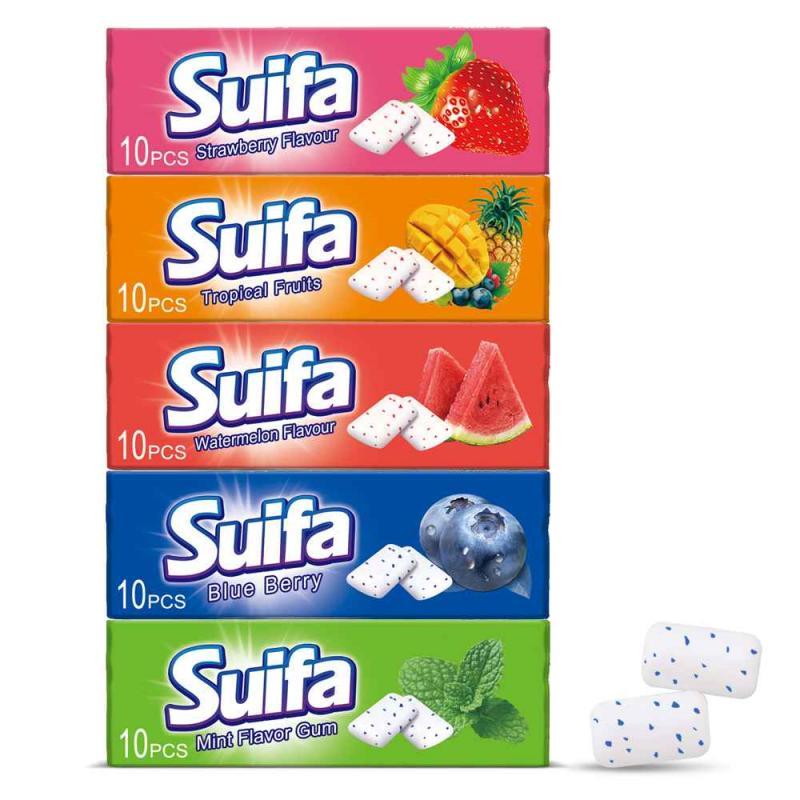
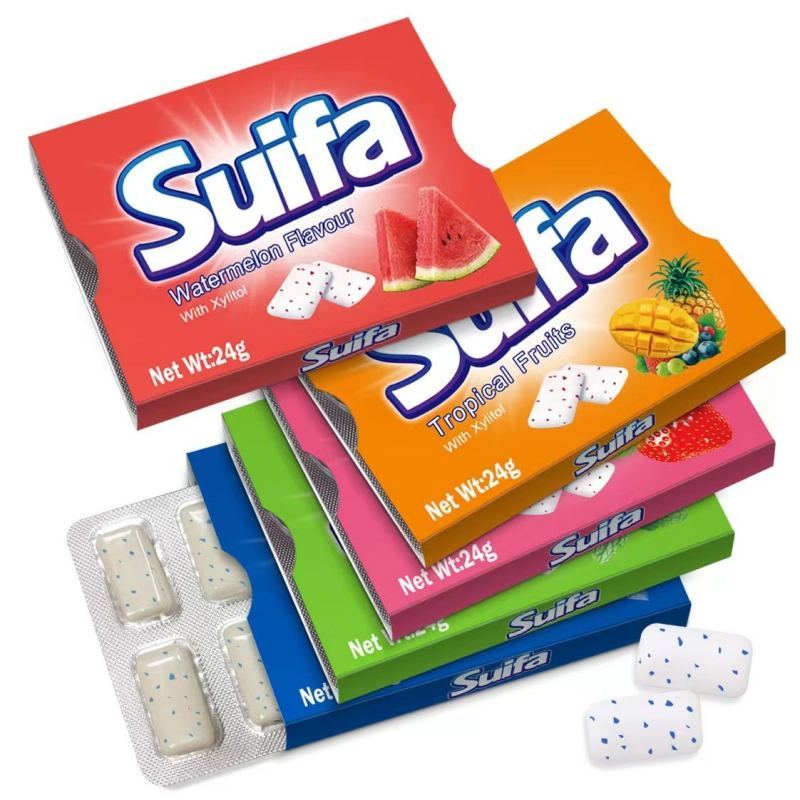
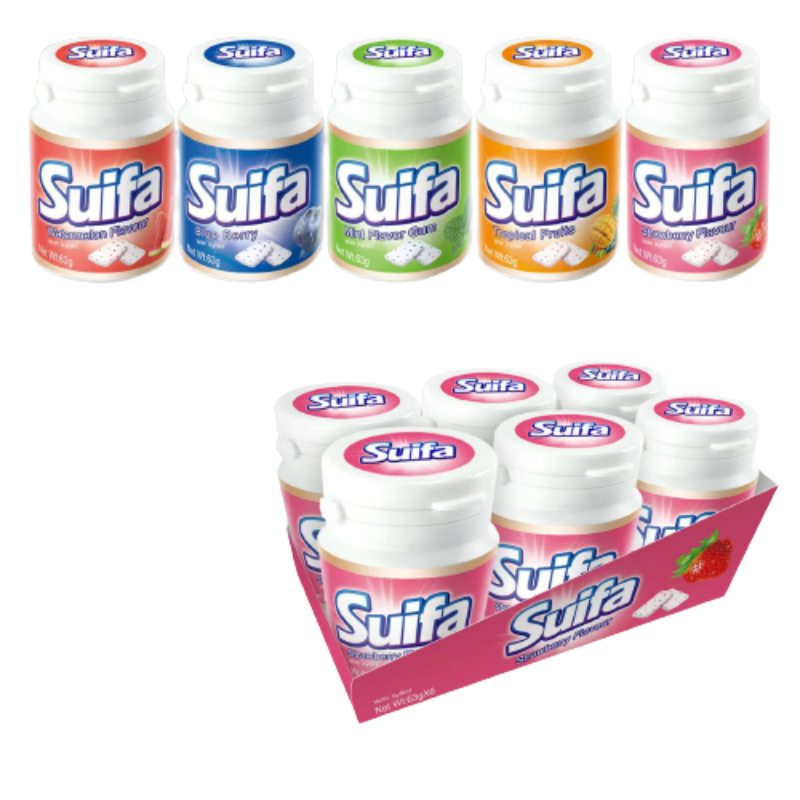
Suifa Gum | Designed for sensitive teeth, soft texture, balanced flavor, and very gentle ingredients; created with comfort in mind, avoids acids and strong flavors. | Anyone who needs maximum comfort and sensitivity relief. |

Detailed brand descriptions:
• Spry: Made with high xylitol content and simple, gentle flavors (spearmint, peppermint). Sugar-free with a soft chew; specifically designed to support dental health.
• PUR: Sugar- and aspartame-free, uses xylitol for sweetness. Minimal labeling and flavors that tend to be soft and non-irritating.
• Trident: Widely available, most flavors are sugar-free and contain xylitol. Choose classic mint over icy or sour versions.
• Epic Dental: Focuses on very high xylitol content and dental wellness. Mild flavors, soft texture, and minimal additives.
• Simply Gum: Uses a natural chicle base, no artificial sweeteners, flavors are gentle and textures are soft—ideal for people seeking additive-free gum.
• Glee Gum: Natural gum base, limited artificial additives, and both regular and xylitol varieties. Gentle fruit and mint flavors are best for sensitive teeth.
• Suifa Gum: Offers gentle mint and herbal flavors, soft chew, and a formula designed around sensitivity comfort—avoiding harsh acids, strong sweeteners, or aggressive flavoring.
Can Chewing Gum Actually Benefit Sensitive Teeth?
Yes! Chewing sugar-free gum (especially xylitol gum) increases saliva, which helps to neutralize acids, clean teeth, and support remineralization. The ADA recommends sugar-free gum for post-meal oral hygiene (ADA: Chewing Gum and Oral Health).
Gum is not a replacement for brushing and flossing. But as a supplement, it can help reduce sensitivity by improving saliva flow and washing away irritants after eating.

Which Gum Flavors Are Safest for Sensitive Teeth?
Flavor matters more than you might think.
Play it safe with gentle mint, spearmint, vanilla, or mild herbal flavors. Avoid: icy mint, sour fruit, citrus, strong cinnamon, and any “whitening” flavor.
| Flavor Type | Impact on Sensitive Teeth | Recommendation |
| Mild Mint | Soothing, gentle | Prefer |
| Spearmint | Safe, mild | Prefer |
| Vanilla | Gentle, non-irritating | Prefer |
| Light Cinnamon | Use caution (can be spicy) | Use with caution |
| Sour Fruit/Citrus | Acidic, harsh | Avoid |
| Extreme Mint/Icy | Sharp, cold sensation | Avoid |
How Should You Chew Gum If You Have Sensitive Teeth?
Technique is almost as important as ingredients.
• Start with half a piece.
• Chew gently for 5–10 minutes.
• Avoid chewing if your sensitivity is flaring up.
• Skip gum after dental work or whitening.
• Never bite down hard; let gum soften.
• If any sharp sensation, spit out the gum and try a different brand/texture.
Here’s a step-by-step chew guide:
• Choose a mild-flavored, sugar-free, xylitol gum.
• Break in half, chew for a short period.
• Monitor for any discomfort.
• Gradually increase chewing time as tolerated.
When Should Sensitive Teeth Avoid Gum Entirely?
Sometimes gum just isn’t suitable. Skip gum if you have:
• Severe, sudden pain
• Swelling or gum soreness
• Recent dental work
• Cracked tooth or loose filling
More Related Questions
Is Sugar-Free Gum Always Safe?
No—flavor acids or intense mint can still trigger sensitivity. Look for xylitol and mild flavors, not just “sugar-free” labels.
Can Xylitol Gum Rebuild Enamel?
It doesn’t rebuild enamel, but it helps remineralize surfaces through enhanced saliva flow, offering protection and comfort for sensitive mouths.
Is Natural Gum Better Than Synthetic?
For many, natural gum bases like chicle are softer and less irritating. Always check for sugar and strong flavors even in natural brands.
Should You Chew Gum After Meals with Sensitive Teeth?
Chewing gentle, sugar-free gum after meals can help cleanse the mouth and reduce post-meal sensitivity.
Conclusion
Sensitive teeth do not have to rule out chewing gum. Choose the right sugar-free, xylitol-based, gentle-flavored gum—like Spry, PUR, Trident, Epic Dental, Simply Gum, Glee Gum, or Suifa Gum—and chew carefully. Read labels, test for comfort, and enjoy fresher breath without pain.
Suifa news
How is Bubble Gum Made in the Factory?
2023-05-24
How Hard Candy is Made in the Factory?
2024-02-28
Get An Instant Quotation
Recommended Products
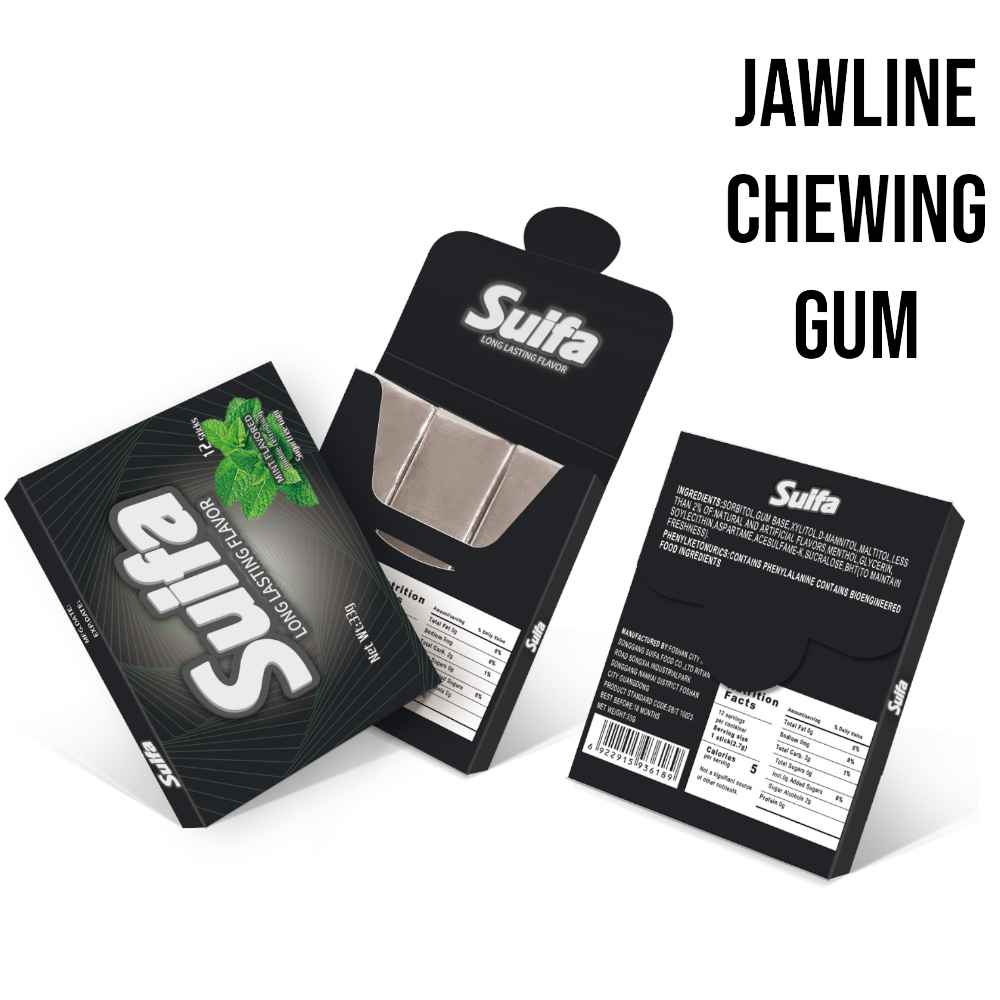
Bulk Healthy Natural Xylitol Sugar Free Tablet Chewing Gum
Detail

Checking Order
Quality Test Before Delivery
Check Items When Packing
Packaging And Transport
Send Inquiry Now!
Choose Suifa, Boost Your Candy and Gum Project!
Discover excellent gum and candy products at our factory. We create custom solutions for our customers. Join us for exclusive insights, customized products and partnerships. Leave your contact info we'll be back in touch within 12 hours!
Choose Suifa, take your bussiness to the next level!



Contact Us
WELCOME TO SUIFAFOOD YOUR TRUSTED MANUFACTURER OF GUM AND CANDY
Address: No.8 Ritian Road Songxia lndustrial AreaSonggang Nanhai, Foshan, Guangdong, China

