
What Is the Best Chewing Gum for Whitening Teeth?
2026-05-27
What Is the Best Chewing Gum for Whitening Teeth?
You see it after coffee. You see it after tea. Your teeth look clean, but not as bright as you want. That can feel annoying, especially when you already brush every day. The bigger problem is that many whitening gums promise too much. Some sound like they can bleach teeth in minutes. As Suifa, I want to be honest with you. Whitening chewing gum can help with surface stains, but it cannot deeply whiten teeth like professional whitening treatment.
The best chewing gum for whitening teeth is a sugar-free gum with xylitol, strong saliva-stimulating power, and gentle surface-stain support. I recommend using it after coffee, tea, wine, or meals. It works best as a daily maintenance tool. It should not replace brushing, flossing, whitening toothpaste, or dental care.
Stay with me for a few minutes. I will show you what whitening gum can do. I will also show you what it cannot do.

Quick Answer: Best Chewing Gum for Whitening Teeth
The best whitening gum should have these features:
• Sugar-free formula
• Xylitol or other tooth-friendly sweeteners
• Gentle surface-stain control
• Saliva stimulation
• No harsh whitening claims
• No sugar
• No promise of deep bleaching
My simple expert answer is this:
Choose a sugar-free xylitol chewing gum that helps clean the mouth after meals and supports surface stain removal.
That is the most realistic choice.
──────────────────────────────────────────────────
Key Facts About Whitening Chewing Gum
Key Point | What It Means | My Expert View |
Whitening gum does not bleach teeth | It does not change the inner tooth color | Use it for maintenance, not deep whitening |
Sugar-free matters | Avoid sugar-based gum | |
Xylitol is useful | Xylitol is commonly used in oral-care gum | I prefer xylitol gum for daily chewing |
Saliva helps clean the mouth | Chewing increases saliva flow | This is one of gum’s biggest benefits |
Surface stains are the main target | Best used right after stain-heavy drinks |
For oral health context, the American Dental Association explains that chewing sugarless gum can increase saliva flow, which helps wash away food and neutralize acids. Source: American Dental Association: Chewing Gum

What Does Whitening Chewing Gum Actually Do?
Whitening chewing gum works in a simple way.
It helps your mouth produce more saliva. That saliva helps rinse away food particles. It also helps clear acids from the mouth.
I like to call saliva the mouth’s natural rinse system.
The National Institute of Dental and Craniofacial Research explains that saliva helps protect teeth and supports oral comfort. Source: NIDCR: Dry Mouth
So, when you chew whitening gum after coffee or tea, you are helping your mouth clean itself.
But I want to be clear.
Whitening gum mostly helps with fresh surface stains.
It does not remove deep stains. It does not remove tartar. It does not replace a dental cleaning. It does not work like peroxide whitening strips.
That is why I see whitening gum as a between-brushing support product.
──────────────────────────────────────────────────
Can Chewing Gum Really Whiten Teeth?
Yes, but only in a limited way.
This is the most important part.
Chewing gum can help teeth look cleaner and brighter by reducing fresh surface residue. But it usually cannot change the natural shade of your teeth.
If your teeth are stained from years of coffee, smoking, or tartar buildup, gum will not solve that alone.
For deeper whitening, the American Dental Association explains that whitening products often use peroxide-based ingredients to bleach stains. Source: American Dental Association: Whitening
Chewing gum is different.
It is not a bleaching system. It is a maintenance system.
That means it works best when you use it after:
• Coffee
• Tea
• Red wine
• Dark soda
• Berries
• Soy sauce
• Tomato sauce
• Lunch or snacks
I recommend chewing it soon after eating or drinking.
That is when surface residue is still fresh.

Best Ingredients in Chewing Gum for Whitening Teeth
When I judge whitening gum, I always read the label.
Good packaging is not enough. Good claims are not enough. The formula matters.
Here is my ingredient checklist.
──────────────────────────────────────────────────
Why I Like Xylitol in Whitening Gum
As Suifa, I pay close attention to xylitol.
Xylitol is popular in sugar-free chewing gum. It gives sweetness without regular sugar. It is also often discussed in dental research.
A Cochrane review looked at xylitol-containing products for preventing dental caries. The evidence was not perfect, but xylitol remains a common oral-care ingredient. Source: PubMed: Xylitol-containing products for preventing dental caries
Here is my practical view.
Xylitol does not bleach teeth. But it makes a whitening gum formula more tooth-friendly.
That matters.
If I am choosing a gum for brightness maintenance, I want it to support the mouth. I do not want it to add sugar.
So, my first choice is usually:
Sugar-free whitening gum with xylitol.
Simple.Useful.Realistic.
──────────────────────────────────────────────────
Is Baking Soda Good in Whitening Gum?
It is known for mild cleaning and freshness support. In toothpaste, it is often used for stain removal and cleaning feel.
In gum, the effect is usually gentler.
I do not expect baking soda gum to polish teeth like brushing. But I do like it when the formula uses baking soda for a cleaner mouthfeel.
The keyword is gentle.
I do not want whitening gum to feel harsh. I do not want brands to act like gum can scrub teeth deeply.
That is not realistic.
Baking soda can be a good bonus, but it is not required.

What Should You Avoid in Whitening Gum?
I avoid three things.
1. Sugar
This is my biggest rule.
If a gum contains sugar, I do not consider it the best choice for whitening teeth.
Sugar does not match the goal. A whitening gum should help the mouth feel cleaner. Sugar moves in the wrong direction.
2. Extreme Whitening Claims
Be careful with claims like:
• “Instant white teeth”
• “Bleaches while you chew”
• “Professional whitening results”
• “Removes all stains”
• “Whiter teeth in minutes”
As a chewing gum expert, I know words can sell fast. But oral-care claims need proof.
I trust softer claims more.
Better claims include:
• Helps remove surface stains
• Helps maintain a brighter smile
• Helps freshen breath
• Sugar-free
• Use after meals
These claims are more believable.
3. Harsh Abrasive Positioning
Chewing gum should not act like sandpaper.
Teeth need care. Enamel needs respect.
I prefer whitening gum that supports daily use without sounding aggressive.
──────────────────────────────────────────────────
Whitening Gum vs. Other Whitening Options
Whitening gum has a place.
But it is not the strongest whitening method.
Here is how I compare it.
Product | Main Purpose | Whitening Strength | Best Use |
Whitening chewing gum | Freshen breath and help with surface residue | Low | After meals, coffee, or tea |
Whitening toothpaste | Brush away surface stains | Low to medium | Daily brushing |
Whitening strips | Bleach deeper stains with peroxide | Medium to high | Short-term whitening plan |
Professional dental whitening | Dentist-supervised whitening | High | Major shade change |
Dental cleaning | Remove plaque and tartar | Not bleaching, but improves appearance | Routine oral health care |
My expert position is simple.
Whitening gum is best for daily brightness maintenance. It is not the best for dramatic whitening.
If you want a major shade change, gum is not enough.
If you want a cleaner-looking smile between brushing, gum can help.

When Should I Chew Whitening Gum?
Timing matters.
I recommend chewing whitening gum after stain-heavy drinks or meals.
Best times include:
• After morning coffee
• After afternoon tea
• After lunch
• After red wine
• After dark sauces
• After snacks
• When brushing is not possible
I usually suggest chewing for 10 to 20 minutes.
That is practical. That is enough for most people. It also avoids over-chewing.
More chewing is not always better.
Too much chewing can tire the jaw. Some people may feel soreness.
So I keep the routine simple.
Chew after meals or drinks. Then brush and floss as usual.
──────────────────────────────────────────────────
My Simple Daily Routine for a Brighter Smile
Here is the routine I would use.
• Brush in the morning
• Drink coffee or tea
• Chew sugar-free whitening gum for 10 to 20 minutes
• Drink water during the day
• Chew gum after lunch if brushing is not possible
• Brush at night
• Floss daily
• See a dental professional regularly
This is not complicated.
That is why it works.
Good oral-care habits should fit real life.
A gum that sits in your bag and helps after coffee can be useful. A gum that promises miracles is not.

Who Should Be Careful With Whitening Gum?
Most people can use sugar-free chewing gum in moderation.
But some people should be careful.
Ask a dental professional first if you have:
• Jaw pain
• TMJ issues
• Braces
• Loose dental work
• Crowns or bridges
• Tooth sensitivity
• Recent dental treatment
Also, do not chew all day.
I know fresh breath feels good. But your jaw needs rest too.
Use whitening gum as a support habit, not a constant habit.
──────────────────────────────────────────────────
How to Choose the Best Whitening Gum in the Store
Here is my fast label-reading method.
Before I buy whitening gum, I ask:
• Is it sugar-free?
• Does it contain xylitol?
• Does it talk about surface stains, not deep bleaching?
• Does it avoid exaggerated claims?
• Does it have a flavor I will actually use?
• Does the texture stay comfortable?
• Does it fit after-meal use?
Taste matters.
Texture matters.
A perfect formula means nothing if you hate chewing it.
So the best whitening gum is not only about science. It is also about habit.
The gum you use consistently is better than the gum you forget.
──────────────────────────────────────────────────
My Final Expert Recommendation
As Suifa, my recommendation is clear.
The best chewing gum for whitening teeth is a sugar-free xylitol gum that supports saliva flow and helps manage fresh surface stains.
It should be used after coffee, tea, wine, or meals.
It should not contain sugar.
It should not promise deep bleaching.
It should not replace brushing.
It should not replace flossing.
It should not replace professional dental care.
I trust a whitening gum more when it says:
“Helps maintain a brighter smile by supporting surface stain removal after meals.”
That is honest.
That is clear.
That is what chewing gum can realistically do.
──────────────────────────────────────────────────
More Related Questions
Does Whitening Gum Remove Coffee Stains?
It may help with fresh coffee residue on the tooth surface.
I like chewing sugar-free gum after coffee because it supports saliva flow. But older coffee stains may need whitening toothpaste, dental cleaning, or whitening treatment.
How Long Should I Chew Whitening Gum?
I recommend 10 to 20 minutes.
That is enough for most daily situations. I do not recommend chewing all day.
Can Whitening Gum Damage Enamel?
A gentle sugar-free gum should not damage enamel when used normally.
But I avoid harsh whitening claims. If you have sensitive teeth or enamel concerns, ask your dentist.
Is Xylitol Gum Good for Teeth?
Xylitol gum is a good sugar-free option.
It does not bleach teeth. But I like it because it fits better with oral-care goals than sugar-based gum.
Source: PubMed: Xylitol-containing products for preventing dental caries
Can Whitening Gum Replace Brushing?
No.
Whitening gum cannot replace brushing or flossing.
It is only a support tool between brushing times.
Is Whitening Gum Better Than Whitening Toothpaste?
No.
They do different jobs.
Whitening toothpaste works during brushing.Whitening gum works between brushing.
I prefer using both in a smart routine.
──────────────────────────────────────────────────
Conclusion
The best whitening gum is sugar-free, xylitol-based, gentle, and honest. Use it after coffee, tea, wine, or meals. It can help with surface stain maintenance. It cannot deeply bleach teeth. Keep brushing, flossing, and visiting your dentist.
Suifa news
How is Bubble Gum Made in the Factory?
2023-05-24
How Hard Candy is Made in the Factory?
2024-02-28
Get An Instant Quotation
Recommended Products
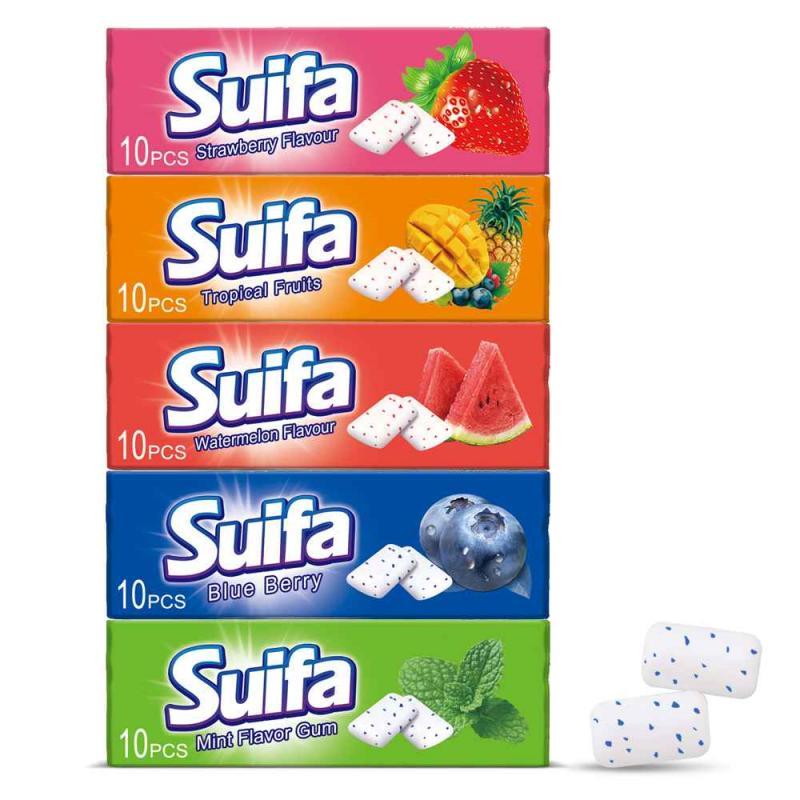
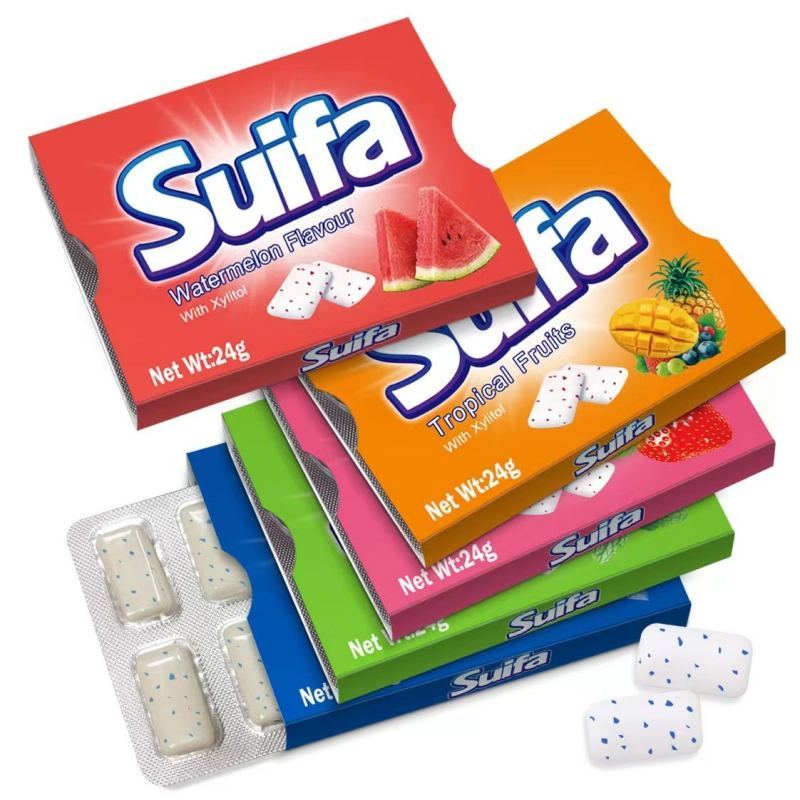
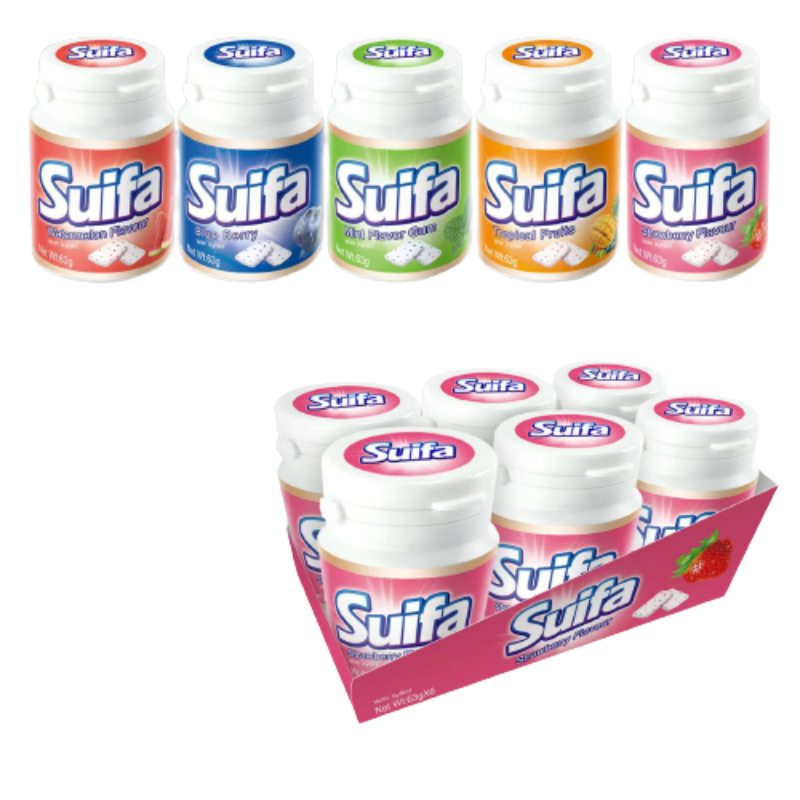
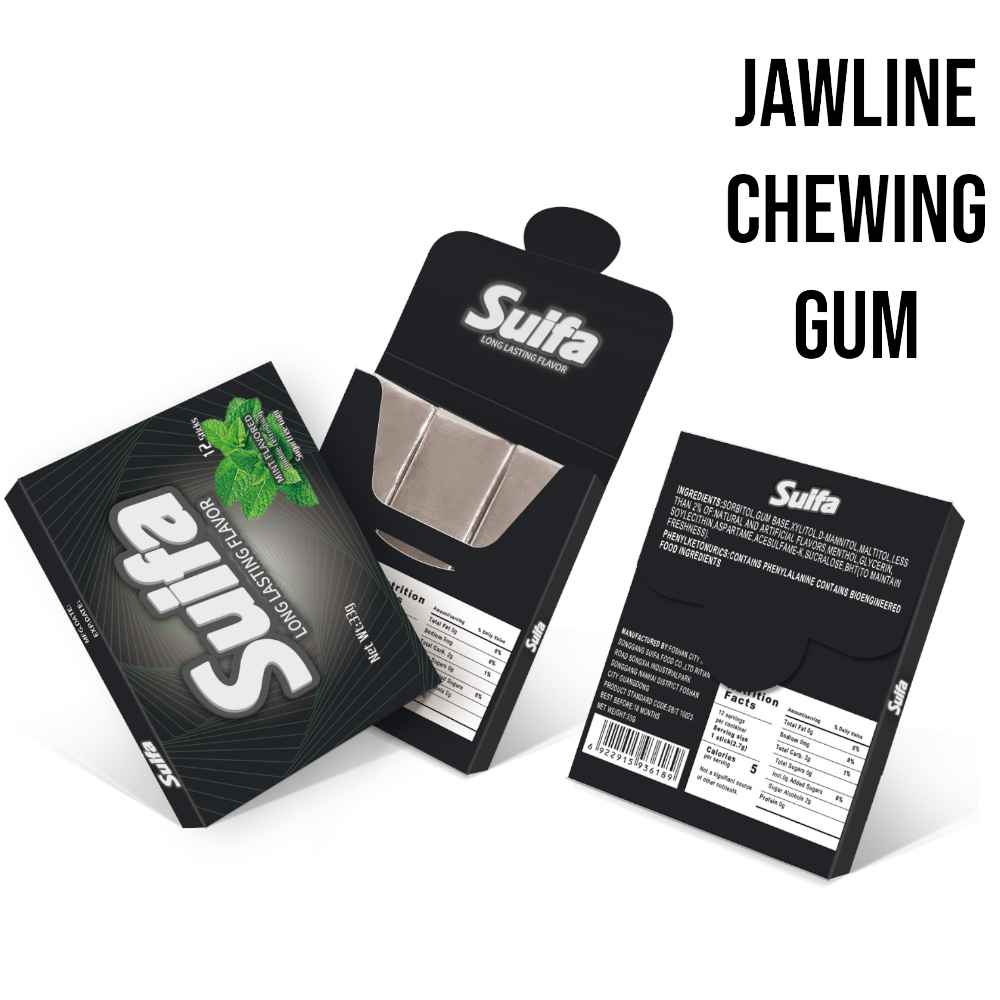
Bulk Healthy Natural Xylitol Sugar Free Tablet Chewing Gum
Detail

Checking Order
Quality Test Before Delivery
Check Items When Packing
Packaging And Transport
Send Inquiry Now!
Choose Suifa, Boost Your Candy and Gum Project!
Discover excellent gum and candy products at our factory. We create custom solutions for our customers. Join us for exclusive insights, customized products and partnerships. Leave your contact info we'll be back in touch within 12 hours!
Choose Suifa, take your bussiness to the next level!



Contact Us
WELCOME TO SUIFAFOOD YOUR TRUSTED MANUFACTURER OF GUM AND CANDY
Address: No.8 Ritian Road Songxia lndustrial AreaSonggang Nanhai, Foshan, Guangdong, China

