
What Ingredients Should You Avoid in Chewing Gum?
2026-03-11
What Ingredients Should You Avoid in Chewing Gum?
Chewing gum is everywhere. Feeling bored, want to keep your breath fresh, or need something to do with your hands? Gum seems like the perfect solution. But what if I told you that some of the ingredients hiding in your favorite stick or pellet are less than sweet? As someone who’s spent years researching and writing about gum, I know firsthand how shocking the truth can be. Let’s take a closer look at what you might really be chewing.
Most commercially popular chewing gums include ingredients that could harm your health or the environment. You should avoid artificial sweeteners like aspartame, acesulfame-K, and saccharin; synthetic flavors and colors; titanium dioxide; preservatives such as BHA and BHT; non-biodegradable gum bases; and high-fructose corn syrup. Reading ingredient labels and making informed choices is key for your well-being.
You’d be surprised at what goes into that tiny piece you pop into your mouth. That’s why I want to guide you through what matters—and what to avoid—so your gum chewing habit works for you, not against you.

Why Does Gum Have So Many Ingredients?
Have you ever really looked at the back of your gum pack? The list can be long—and confusing. That’s because gum isn’t just about flavor and fun. Brands use a variety of ingredients to achieve the right chew, preserve freshness, and create vibrant colors and mouthfeel. But not all ingredients are created equal.
Let’s break down the key culprits you need to watch for:
What Artificial Sweeteners Hide in Gum?
Sweetness is essential for gum. But not all sweeteners are safe. Here are the most common artificial sweeteners found in chewing gum:
- Aspartame:
- Offers intense sweetness.
- Debated safety: Some studies link it to headaches or digestive discomfort.
- Acesulfame-K:
- Another lab-made sugar alternative.
- Possible risks: Raises questions about long-term exposure, especially when chewed daily.
- Saccharin:
- One of the oldest artificial sweeteners.
- Potential cancer risk: Animal studies raised red flags, though regulatory stances differ.
If you’re sensitive or simply want the most natural gum, avoid products listing these sweeteners. Instead, look for options using xylitol or stevia.

Table 1: Artificial Sweeteners—Risks and Alternatives
Should We Worry About Flavors and Colors?
Bright colors and exciting flavors sell gum—but not all are safe. Watch for these ingredients:
- Artificial Flavors:
- Designed to mimic natural tastes.
- May bring a chemical aftertaste or potential side effects.
- Artificial Colors (e.g., Blue 1, Red 40):
- Made from petroleum derivatives.
- Potentially harmful: Linked to allergic reactions and long-term risks.
- Safer Choices:
- Look for natural colorants (beet, turmeric) and flavors from real fruit extracts.
- If the package is loaded with numbered colors and vague flavors, it's a red flag.

What Is Titanium Dioxide and Why Is It Used?
Titanium dioxide (E171) isn’t just found in paints or sunscreen—it’s often used in gum to make colors pop and the product shine.
The problem:
Research shows that titanium dioxide particles can accumulate in your body and may be harmful if consumed regularly. Some countries have restricted its use in food, but you’ll still find it in gum elsewhere.
My advice: I always avoid gums with this ingredient. There are plenty of safer alternatives.

Are Preservatives Like BHA and BHT Safe?
You might not notice these at first, but check your gum’s ingredients for “BHA” (butylated hydroxyanisole) and “BHT” (butylated hydroxytoluene).
- Both keep gum fresh by preventing rancidity.
- Health risks: Studies link BHA and BHT to hormone disruption and potential carcinogenic effects in animals.
I recommend: Avoid any gum with these additives and choose brands using natural antioxidants.
Table 2: Common Gum Additives to Avoid

What’s the Deal With Non-Biodegradable Gum Bases?
Most commercial gums use synthetic polymers (plastic) as their base.
- These don’t break down naturally, creating a huge litter problem for cities worldwide.
- Some new brands use natural chicle and plant-based resins, which are biodegradable and better for the environment.
If being eco-friendly matters to you, look for brands using these natural bases.

Is High-Fructose Corn Syrup a Problem in Gum?
High-fructose corn syrup (HFCS), common in sodas, is sometimes found in gum for extra sweetness.
- Dangerous in excess: Linked to obesity, diabetes, and other metabolic issues.
- Dental risk: Combined with long chewing, it increases the chance of tooth decay.
I recommend gums sweetened with xylitol, which actually helps fight cavities.
How to Read Labels Like a Pro?
Over the years, I’ve realized that the best way to protect yourself—and your family—is by reading ingredient lists very closely.
- Don’t shy away from brands that clearly list every ingredient.
- Look for certifications like “natural,” “organic,” or “non-GMO”—but always verify by reviewing the full label.
- If you spot ingredients you don’t recognize, research them—or ask an expert like me!
A quick label check can truly protect your health.

Are There Healthier Alternatives?
Absolutely. There are more natural gums on the market now than ever before.
- Look for brands using chicle, resins, or waxes as the gum base.
- Opt for xylitol, stevia, or real sugar as sweeteners.
- Prioritize products with natural flavors and colors made from real fruits or plants.
These options cost a bit more, but your body—and the planet—will thank you.
More Questions About Chewing Gum Safety
1. Does Sugar-Free Gum Contain Hidden Sugars?
Not usually, but watch for artificial sweeteners. If you’re concerned, pick gums that state “no artificial sweeteners.”
2. Are Natural Gums as Effective for Freshening Breath?
In my experience, absolutely! Many natural gums use essential oils and real flavors that keep breath fresh.
3. Is Xylitol Safe for Everyone?
Xylitol is safe for most people in moderation. Too much can cause stomach issues. And remember, xylitol is toxic for dogs—keep your gum away from pets!
4. Do All Natural Gums Taste Good?
Taste is subjective, but the range of natural options is growing. Try a few to find your favorite.
5. Should Kids Chew Gum?
For kids, choose natural or xylitol-based gums and supervise to prevent choking and protect their teeth.
Conclusion
Choose gum the smart way: read labels, avoid artificial additives, and select natural alternatives for health and peace of mind. Your body and the environment deserve the best.
Suifa news
How is Bubble Gum Made in the Factory?
2023-05-24
How Hard Candy is Made in the Factory?
2024-02-28
Get An Instant Quotation
Recommended Products
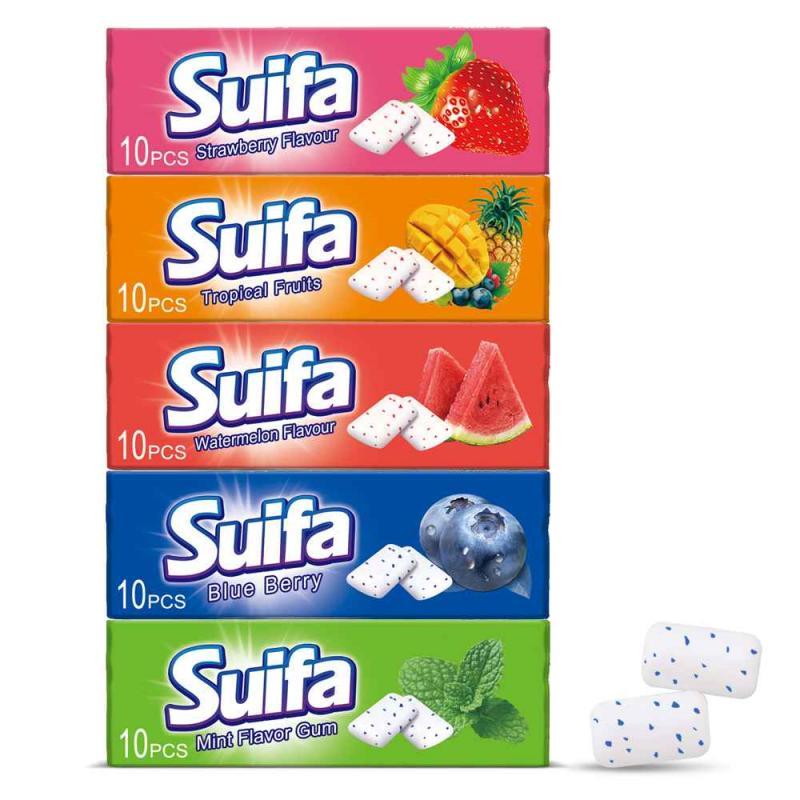
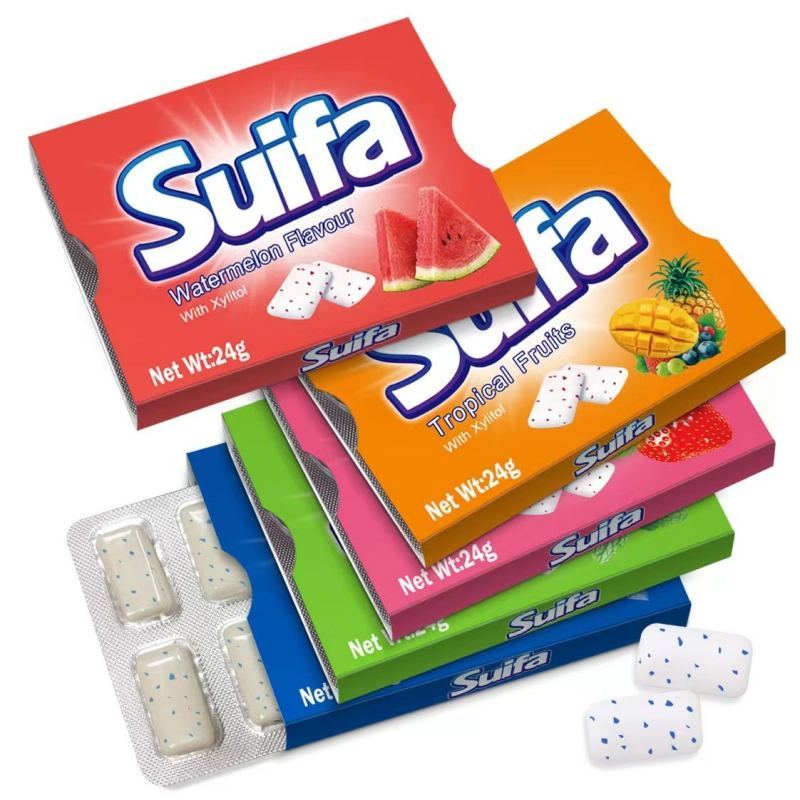
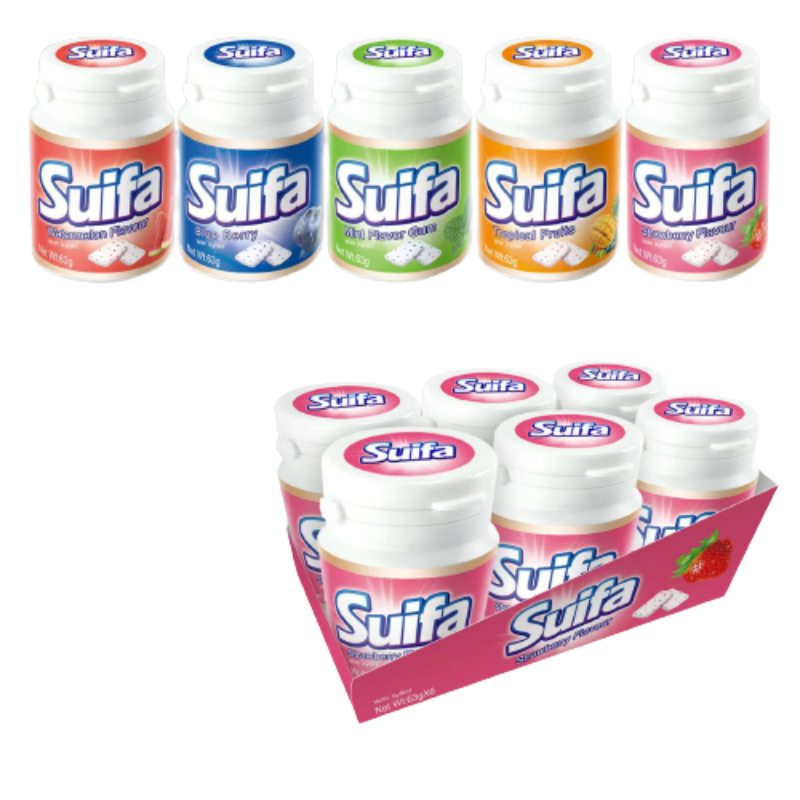
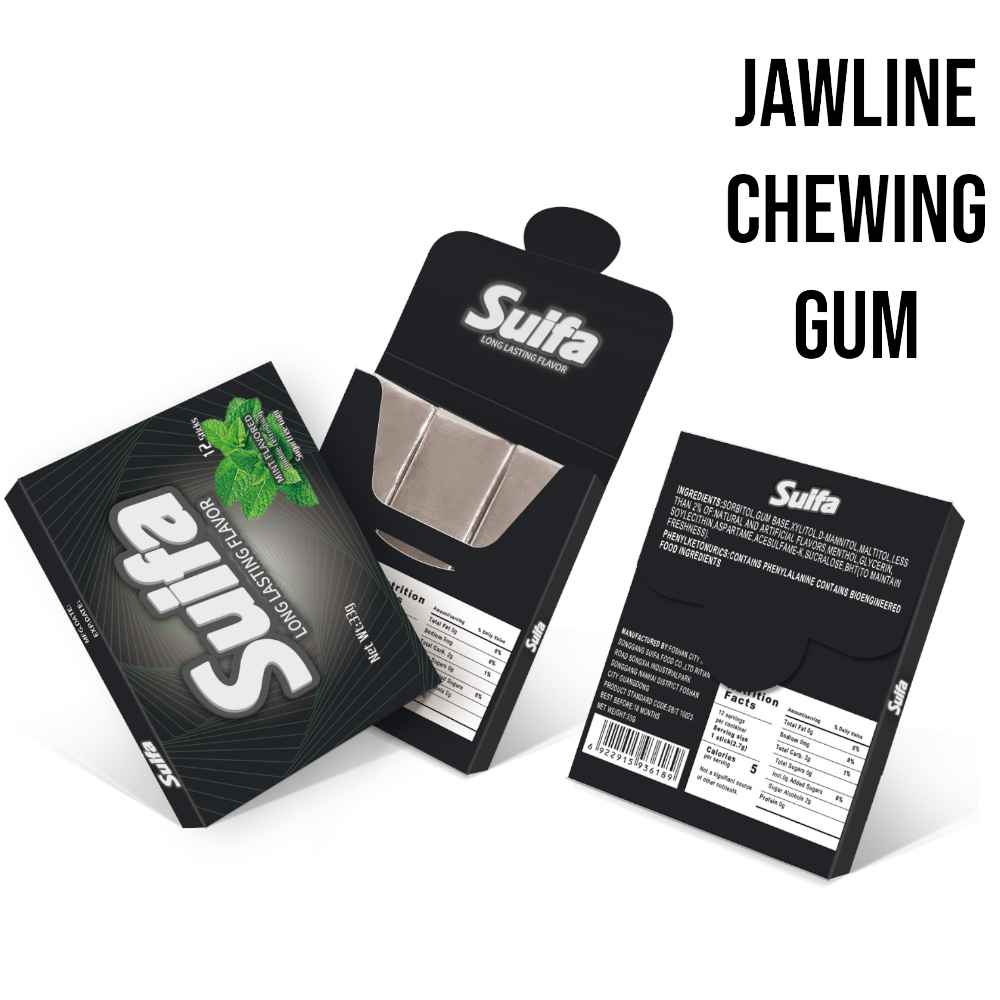
Bulk Healthy Natural Xylitol Sugar Free Tablet Chewing Gum
Detail

Checking Order
Quality Test Before Delivery
Check Items When Packing
Packaging And Transport
Send Inquiry Now!
Choose Suifa, Boost Your Candy and Gum Project!
Discover excellent gum and candy products at our factory. We create custom solutions for our customers. Join us for exclusive insights, customized products and partnerships. Leave your contact info we'll be back in touch within 12 hours!
Choose Suifa, take your bussiness to the next level!



Contact Us
WELCOME TO SUIFAFOOD YOUR TRUSTED MANUFACTURER OF GUM AND CANDY
Address: No.8 Ritian Road Songxia lndustrial AreaSonggang Nanhai, Foshan, Guangdong, China

