
Which Chewing Gum Contains Stevia?
2025-08-05
Which Chewing Gum Contains Stevia?
Have you ever found yourself standing in the gum aisle, completely overwhelmed by options—wishing you knew which gum was actually good for you? I’ve been there, too. The problem is clear: we want to enjoy fresh breath, but without unnecessary sugar or artificial ingredients. The aggravation only grows when you realize how many seemingly “healthy” gums don’t actually deliver. Luckily, I’m here to help you zero in on one “sweet” solution—stevia.
If you’re wondering which chewing gum contains stevia, there are several brands on the market that use this natural, zero-calorie sweetener in place of sugar or artificial ingredients. Popular choices include PUR, Suifa, and Stevita. Each brand uses stevia either as the main or a supporting sweetener, offering a healthier alternative with great taste.
I'll walk you through a comprehensive list of gums containing stevia, the reasons to consider them, and tips for discovering even more choices—so you never have to second-guess your next purchase.

Why Is Stevia Used in Chewing Gum?
The growing demand for natural foods is changing the landscape of everything we eat—including chewing gum. For years, sugar and artificial sweeteners have dominated, but that’s shifting as nutritional awareness rises. What consumers like us want is simple: something sweet, but healthier.
Stevia answers that call. Derived from the Stevia rebaudiana plant, stevia is a plant-based, zero-calorie sweetener that’s up to 300 times sweeter than sugar. Unlike aspartame or sucralose, stevia doesn’t have a synthetic chemical aftertaste or questionable health effects [What Is Stevia? (Healthline)]. That’s why it’s quickly becoming a star ingredient for gum makers who care about transparency and wellbeing.
Manufacturers add stevia for several reasons:
- Calorie control: Stevia doesn’t spike blood sugar, making it ideal for people who monitor their carbohydrate intake.
- Dental benefits: Unlike sugar, stevia won’t feed cavity-causing bacteria.
- Natural label appeal: Today’s shoppers are looking for “clean label” ingredients.
Gum brands want to appeal to us, the health-minded buyer. And as someone who’s studied the market for years, I’ve seen firsthand how stevia is now a staple in several excellent chewing gum options.
Which Popular Chewing Gum Brands Use Stevia?
You’d be surprised by how many companies have made the switch or at least offer stevia-sweetened varieties. Here are some that particularly stand out:
Brand | Main Sweeteners | Notable Flavors | Stevia Used | Texture/Notes |
PUR Gum | Xylitol, Stevia | Peppermint, Wintergreen | Yes | Smooth, balanced sweetness |
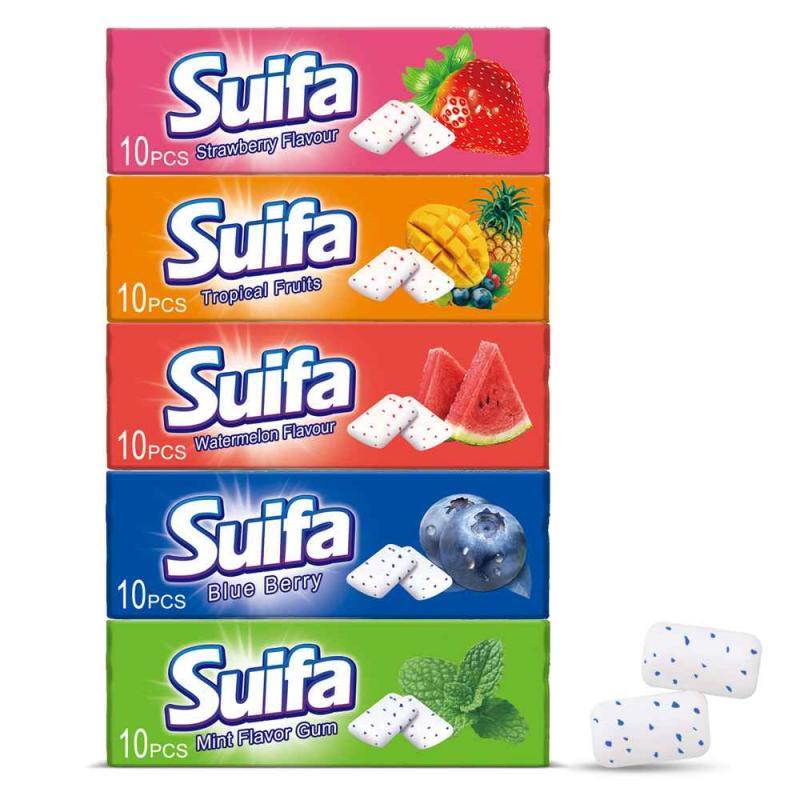
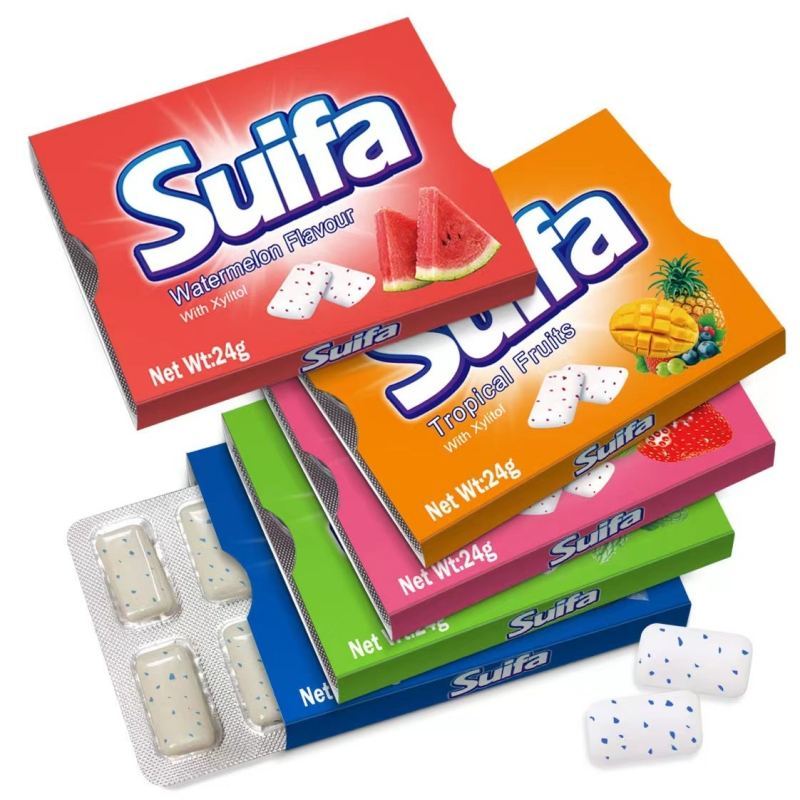
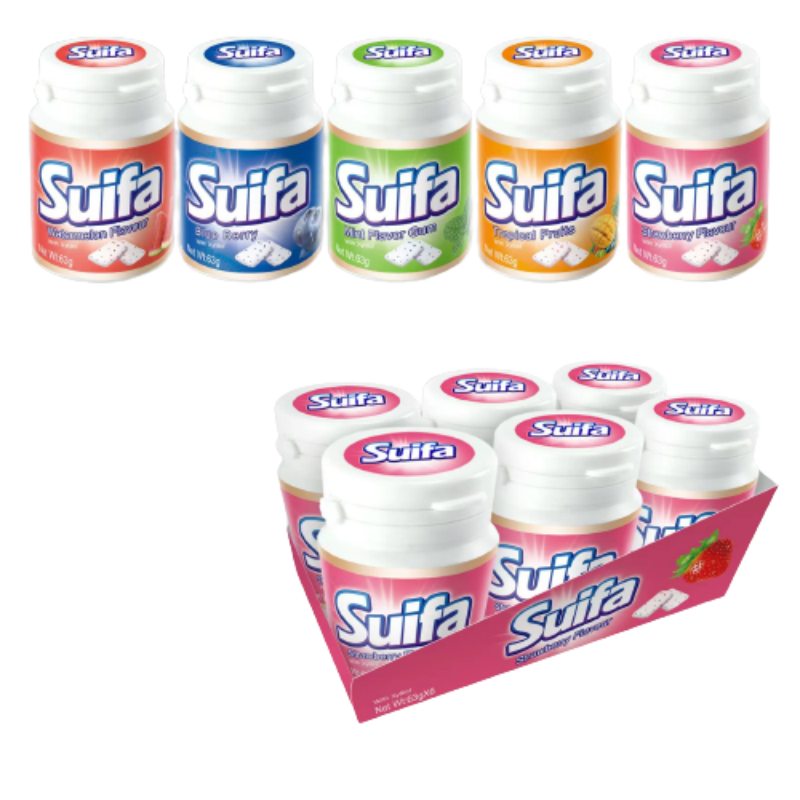
Suifa Gum | Xylitol, Stevia | Fruit, Mint | Yes | Lively, natural fruit taste |
Stevita | Stevia, Xylitol | Peppermint, Cinnamon | Yes | Pure stevia profile, mild flavor |
Glee Gum | Xylitol, Stevia, Erythritol | Bubblegum, Mint | Yes | Classic chew, natural base |
Spry | Xylitol, Stevia | Green Tea, Lemon Burst | Yes | Clean taste, innovative blends |
Simply Gum | Xylitol, Stevia (some) | Cinnamon, Mint | Yes (some) | Minimalist, clean ingredient approach |

▲ PUR Gum: This Canadian brand is at the forefront. All their flavors—Peppermint, Spearmint, Wintergreen—are sweetened mainly with xylitol and stevia. In my experience, PUR strikes the right balance, giving that clean, not-too-sweet flavor.
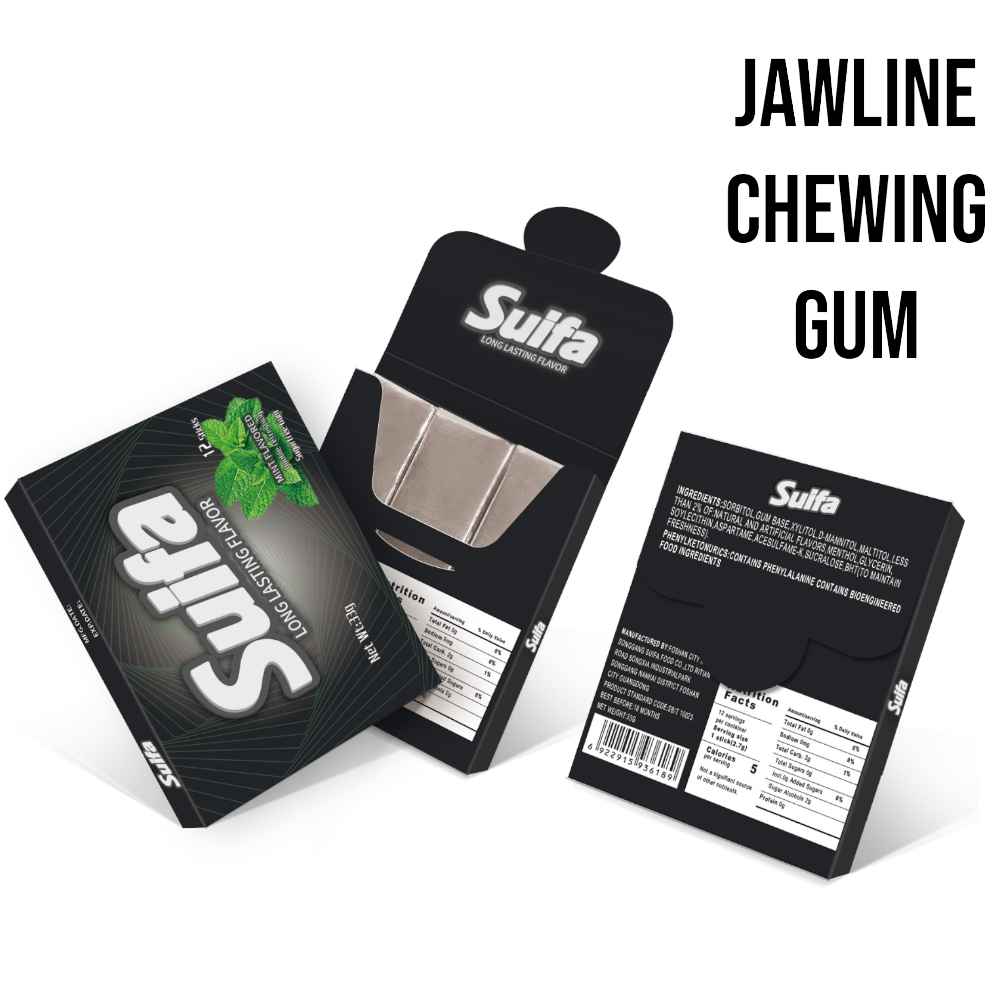
▲ Suifa Gum: Known for its dental health focus, Suifa uses xylitol as the star, but stevia is also on the ingredients list to heighten sweetness. I especially like their fruit flavors—they taste lively, not artificial.
▲ Stevita: As the name hints, stevia is a primary ingredient. Stevita’s gum comes in classic flavors, and the sweet taste is reliably smooth.
▲ Glee Gum: Their sugar-free line includes stevia alongside other natural sweeteners. It’s a good pick for those who love chewable texture but want something less processed.
▲ Spry Gum: While xylitol is still dominant, Spry’s formula includes stevia, especially in newer varieties.
▲ Simply Gum: On the natural gum scene, Simply Gum uses stevia in some recipes, focusing on minimalistic, real ingredient labels.
You’ll also find various health-food-store brands testing stevia in limited runs, so new contenders can pop up quickly.
What Makes Stevia-Sweetened Gum Better Than Other Types?
If you’re anything like me, taste and texture matter—but so does what’s under the hood. So, how does stevia stack up compared to other sweeteners? Let’s see a clear comparison:
Sweetener Type | Calorie Content | Effect on Teeth | Aftertaste | Main Issues | Best Use Case |
Sugar | High | Bad (feeds caries) | Pleasant at first | Cavities, blood sugar swings | Traditional, but unhealthy |
Artificial (Aspartame, Sucralose) | Low | Neutral | Chemical | Health concerns, aftertaste | Calorie-free preferences |
Polyols (Xylitol, Erythritol) | Low | Tooth-friendly | Cool, mild | Digestive upset (excess) | Dental health, sugar-free |
Stevia | Zero | Tooth-friendly | Mild | Slight herbal note if pure | Natural, health-conscious |
Stevia + Polyols | Near zero | Tooth-friendly | Balanced | Occasional digestive (from polyols) | Most gum-friendly, best taste balance |
References:
In my taste tests, stevia delivers a gentle sweetness that doesn’t overwhelm or linger. Blended formulas help smooth out the experience, and you won’t miss sugary highs or fake aftertastes.
Sugar-Sweetened Gum
Traditional gum with sugar is undisputedly tasty, but it comes with baggage. Sugar feeds plaque bacteria, creating acids that erode enamel. And for anyone trying to lower calories or avoid blood sugar spikes, sugar-sweetened gum is a dealbreaker.
Artificial Sweeteners
On the other hand, artificials like aspartame, saccharin, and sucralose are calorie-free, but more and more people are wary of their possible health risks. I know many readers ask about the strange aftertaste these gums leave or whether they’ll cause headaches.
Stevia and Polyols
Stevia, often paired with polyols like xylitol or erythritol, offers the best of both worlds: sweetness without calories, no blood sugar impact, and far fewer complaints about aftertaste. In my experience, most stevia-sweetened gums present a cleaner taste both during and after chewing.
Some gums use a blend for smoother flavor, using stevia to finish the profile naturally, especially where xylitol alone can taste a little sharp.
Are There Health Benefits to Chewing Stevia Gum?
Absolutely. Chewing gum, in general, may support oral health by increasing saliva flow and reducing dry mouth. But swap the sugar for stevia, and you get even more perks:
- Reduced cavity risk: Stevia isn’t fermentable by bacteria, so it won’t promote tooth decay [International Journal of Dentistry, 2013].
- Blood sugar stability: Great news for people with diabetes—chewing gum with stevia doesn’t lead to dangerous blood glucose spikes [Stevia, Mayo Clinic].
- Calorie savings: Every stick of stevia-sweetened gum is practically calorie-free, which adds up over time.
- Plant-based purity: If “natural” matters to you, stevia ticks that box far better than lab-made rivals.
This is all backed by nutrition research and dental professionals. As a veteran in this field, I often recommend stevia gum for healthy snacking between meals—or as part of a tooth-friendly routine.
How Can I Tell If a Chewing Gum Uses Stevia?
One of the trickiest things about finding stevia gums is the label lingo. Here’s what I suggest looking for:
✅Check the Ingredient List
Always turn the package over. “Stevia,” “steviol glycosides,” or “Reb A” are all terms for this natural sweetener. Sometimes it’s listed in a blend with xylitol, sorbitol, or erythritol.
✅Spot Marketing Claims
You’ll often see “naturally sweetened,” “no artificial sweeteners,” or “made with stevia” featured up front. But don’t rely on these claims alone—brands sometimes use tiny amounts just for marketing.
✅Shop in the Right Places
Health food stores and specialty markets are more likely to stock genuine stevia gums than convenience stores. Online retailers also make it easy to compare ingredients.
✅Pay Attention to Flavors
Often, more “innovative” or new flavors are stevia-sweetened first, as companies test customer feedback on their healthiest options.
If you spot any confusion, bookmark credible resources or databases that regularly update gum brands using stevia. You can check product ingredient lists directly on brands’ official websites or well-known online retailers like Thrive Market, iHerb, and Amazon Grocery.
Is Stevia-Sweetened Gum Right for Everyone?
Most people do well with stevia, but here’s what I’ve learned from helping clients and fielding reader questions:
- Taste Preference: Not everyone loves the subtle herbal note of stevia at first, though it tends to “disappear” after a few chews.
- Blends Work Best: Gums that combine stevia with xylitol or erythritol usually taste best and prevent any mild bitterness.
- Sensitive Stomachs: If you’re sensitive to sugar alcohols, start slow—most stevia gums use those as base sweeteners, which in excess might cause minor digestive upset.
- Kid-Friendly Options: Stevia is non-toxic and often part of all-ages gum. Still, always check the label for choking hazard warnings and serving suggestions.
My best advice? Try a few brands, compare flavors, and see what satisfies both your taste buds and your health goals.
More Related Questions
1. Does Stevia Gum Taste Different From Regular Gum?
Yes, but usually in a good way. While some notice a faint licorice or herbal note (more so in pure stevia gums), most find the sweetness less cloying than sugar and without the saccharine aftertaste of artificials. The newer stevia blends are impressively close in taste to classic gums.
2. Are All “Sugar-Free” Gums Made With Stevia?
No. Most “sugar-free” gums use xylitol, sorbitol, or aspartame and may not have any stevia unless specified. Always double-check both the ingredient panel and the brand’s website for details.
3. Can Chewing Stevia Gum Help with Weight Loss?
Chewing gum alone isn’t a magic bullet for weight loss, but switching to a zero-calorie, naturally sweetened gum can reduce overall calorie intake from snacks. Plus, the act of chewing can help curb appetite and prevent mindless nibbling on higher-calorie foods [PubMed: Effects of Chewing Gum on Appetite].
4. Is Stevia-Sweetened Gum Safe for Diabetics?
Definitely. Stevia doesn’t affect blood glucose or insulin levels, making it a good option for people managing diabetes. However, consult with your healthcare provider if you have any doubts about your diet.
5. Where Can I Buy Stevia-Sweetened Chewing Gum?
Many of the brands I mentioned are available online, in health food stores, and sometimes in the natural foods section of larger supermarkets. Shopping online offers the broadest selection and access to full ingredient lists.
6. How Long Does the Flavor in Stevia Gum Last?
Flavor longevity depends on the brand and formulation. In my experience, most stevia gums deliver a satisfying flavor burst that lasts about as long as average sugar-free gum—between 10 and 20 minutes of pleasant freshness.
Conclusion
Chewing gum sweetened with stevia is one of the smartest ways to satisfy your sweet tooth—without the downsides of sugar or artificial chemicals. Dive into the brands I’ve recommended, and you might just find your new favorite chew.
Suifa news
How is Bubble Gum Made in the Factory?
2023-05-24
How Hard Candy is Made in the Factory?
2024-02-28
Get An Instant Quotation
Recommended Products
Bulk Healthy Natural Xylitol Sugar Free Tablet Chewing Gum
Detail

Checking Order
Quality Test Before Delivery
Check Items When Packing
Packaging And Transport
Send Inquiry Now!
Choose Suifa, Boost Your Candy and Gum Project!
Discover excellent gum and candy products at our factory. We create custom solutions for our customers. Join us for exclusive insights, customized products and partnerships. Leave your contact info we'll be back in touch within 12 hours!
Choose Suifa, take your bussiness to the next level!



Contact Us
WELCOME TO SUIFAFOOD YOUR TRUSTED MANUFACTURER OF GUM AND CANDY
Address: No.8 Ritian Road Songxia lndustrial AreaSonggang Nanhai, Foshan, Guangdong, China

