
What Sweeteners Are Used in Chewing Gum?
2025-09-12
What Sweeteners Are Used in Chewing Gum?
Chewing gum is everywhere. But have you ever wondered what makes your favorite sticks and pellets taste sweet? As a seasoned gum expert, I know many people find the ingredient list confusing. The pain: trying to choose a gum that fits their lifestyle. The agitation: concerns over health, calories, or dental effects. The solution: understanding sweeteners used in gum. Let me walk you through this fascinating topic so you can chew with confidence!
A wide range of sweeteners are used in chewing gum, including artificial sweeteners (like aspartame, sucralose, acesulfame K, saccharin, and neotame), sugar alcohols (xylitol, sorbitol, mannitol, maltitol, isomalt), and natural alternatives (stevia and monk fruit). Each type brings distinct taste profiles, sweetening power, and potential health benefits, shaping your gum experience whether you want sugar-free, long-lasting flavor, or added functional perks.
If you’re tired of staring at ingredient lists and wondering which sweeteners are safe, tasty, or best for oral health, this blog is for you. Grab a piece of gum, sit back, and let’s unlock the secrets together.
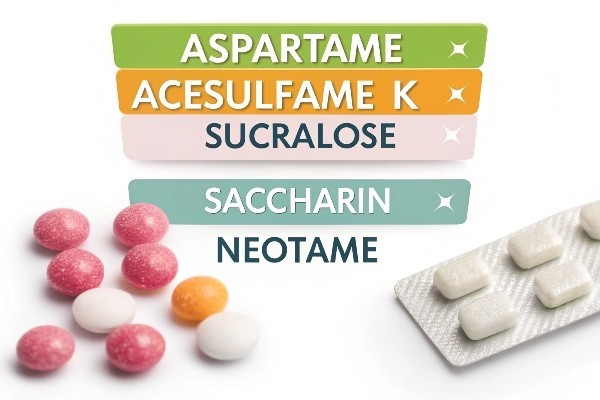
What Artificial Sweeteners Are in Chewing Gum?
Artificial sweeteners revolutionized gum in the last few decades. They deliver intense sweet flavor without contributing calories.
Artificial Sweeteners Comparison Table
Sweetener | Sweetness vs. Sugar | Calories (per gram) | Flavor Longevity | Major Use in Gum | Notable Issues |
Aspartame | 200x | 0 | High | Sugar-free, dietic | Not for PKU patients |
Acesulfame K | 200x | 0 | Very high | Long-lasting, blended use | Sometimes blended for aftertaste |
Sucralose | 600x | 0 | Very high | Extra-long flavor gums | Rare aftertaste complaints |
Saccharin | 300x–400x | 0 | Medium-High | Classic, vintage gums | Bitter/metallic aftertaste in high doses |
Neotame | 7,000–13,000x | ~0 | High | Potent, low-dosage gums | Harder to source, rarely used alone |
● Aspartame
Used widely in sugar-free gums, aspartame gives a clean, long-lasting sweetness. It’s roughly 200 times sweeter than sugar! I always choose aspartame when formulating gums for adults seeking calorie control. If you’re concerned about its safety, current research confirms acceptable usage levels.
● Acesulfame K
This is frequently blended with other sweetness agents because of its rapid, lingering taste and stability under heat. You’ll find acesulfame K in many top brands.
● Sucralose
This is about 600 times sweeter than regular sugar and resists breakdown from chewing. I recommend sucralose for products where sweetness must last as long as possible. Plus, no weird aftertaste!
● Saccharin
Saccharin has been used in chewing gum for generations, often found in classic or retro brands. It’s 300–400 times sweeter than table sugar, so just a little is needed. While some notice a slightly metallic or bitter aftertaste at high concentrations, when blended with other sweeteners it delivers a crisp, familiar sweetness and extends shelf stability.
● Neotame
If you see “ultra-sweet” on a label, it could be neotame. This powerhouse is 7,000–13,000 times sweeter than sugar, so only microscopic amounts are required. It delivers a clean, strong sweetness with no calories or carbs, and is heat-stable. I sometimes use neotame in specialty gums where a tiny dose must carry huge flavor, though it’s not as common as others due to availability and cost.
Artificial sweeteners help manufacturers keep gum affordable, tasty, and low-calorie.
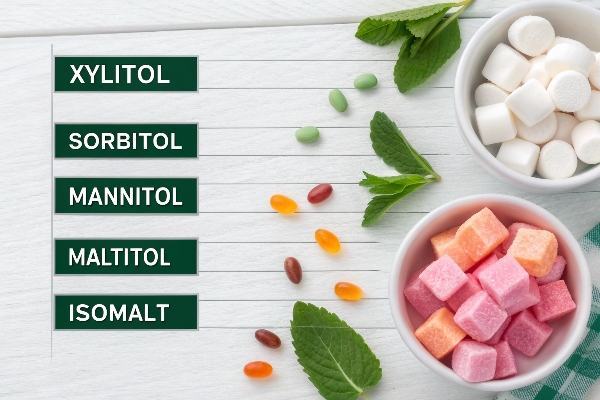
What Sugar Alcohols Are Used in Chewing Gum?
Sugar alcohols are some of my favorites for gum design. They aren’t sugars, but they act similarly in taste and texture.
Sugar Alcohol Sweeteners Comparison Table
Sweetener | Sweetness vs. Sugar | Calories (per gram) | Texture | Dental Benefits | Digestive Sensitivity |
Xylitol | Nearly equal | 2.4 | Slightly Crumbly | Excellent | Possible in high amounts |
Sorbitol | 60% | 2.6 | Chewy, soft | Good | Laxative effect in excess |
Mannitol | 50% | 1.6 | Cool, smooth | Mild | Might cause bloating in large intake |
Maltitol | 70–90% | 2.1 | Soft, moist | Mild | Can cause digestive issues in excess |
Isomalt | 45–65% | 2 | Hard, stable | Neutral | Fewer digestive issues than others at moderate intake |
● Xylitol
Xylitol isn’t just sweet—it’s amazing for teeth! Clinical trials show it can reduce cavities by blocking harmful oral bacteria. Kids’ gum, dental products, and premium brands often use xylitol for this reason. If you want a healthy chew, grab xylitol gum.
● Sorbitol
Sorbitol is less sweet than sugar but offers a soft, chewy feel. It’s an ideal bulk ingredient for long-lasting products. I include sorbitol when texture matters as much as taste.
● Mannitol
Mannitol brings a cool sensation to the mouth as you chew. You’ll notice an extra touch of freshness in gums using it—great for mint flavors!
● Maltitol
Maltitol is another sugar alcohol used to mimic sugar’s texture and sweetness, coming in at around 70–90% as sweet as sucrose. Gums made with maltitol tend to have a soft, moist texture and a mild sweetness that appeals to those who dislike strong aftertastes. Because it can cause digestive upset at high intake, I recommend moderation.
● Isomalt
Isomalt has a mild, subtle sweetness (about 45–65% of sucrose) and is great for gums that are designed to be firmer and longer-lasting. It’s less likely to cause digestive discomfort compared to other sugar alcohols, especially when consumed in reasonable amounts. Isomalt helps create candies and gums with a glassy, stable structure.
Sugar alcohols carry fewer calories. For people with diabetes or low-sugar diets, these are usually the best options.
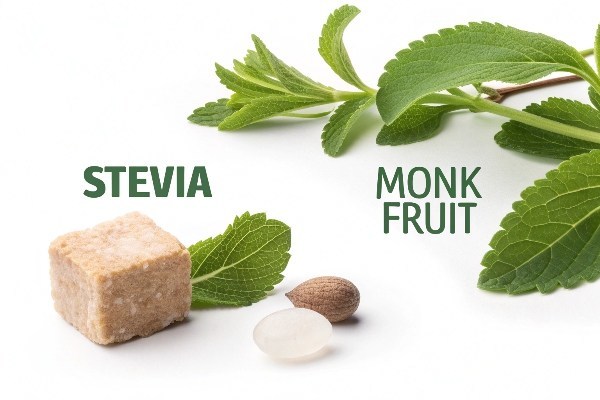
Are There Any Natural Sweeteners?
Natural sweeteners are making waves in gum, especially among health-conscious buyers.
Natural Sweeteners Comparison Table
Sweetener | Sweetness vs. Sugar | Calories (per gram) | Source | Flavor Profile | Popular Gum Types |
Stevia | 200-300x | 0 | Stevia plant leaf | Herbal, slight aftertaste | Clean-label, plant-based |
Monk Fruit | 100-250x | 0 | Monk fruit extract | Fruity, mild | All-natural, premium, vegan |
● Stevia
Derived from the leaves of the stevia plant, this sweetener is fast becoming a favorite. It’s up to 300 times sweeter than sugar, so only tiny amounts are needed. I like stevia for “clean label” gums seeking a plant-based profile.
● Monk Fruit
Monk fruit extract offers a delicate, fruity sweetness. It’s zero-calorie, so perfect for wellness-focused gum lines. More brands are testing monk fruit to appeal to vegan and natural shoppers.
Natural sweeteners often reduce calorie count and meet customer demand for simple, wholesome ingredients.
How Do Sweeteners Affect Flavor and Texture?
As someone who’s overseen countless taste panels, I can tell you flavor and texture are shaped by sweetener choice.
Artificial sweeteners tend to offer a stronger taste upfront. Sugar alcohols create a milder sweetness but impact the firmness and chewiness of gum. Natural sources like stevia bring unique aftertastes or cooling effects.
Flavor scientists play a role here. Acesulfame K prolongs flavor, while sucralose resists breakdown by saliva. Xylitol and mannitol add mouth-cooling, popular in mint gums. The texture, elasticity, and shelf life all change depending on what sweetener we use.
Can Sweeteners Cause Side Effects?
Most gum sweeteners are considered safe by health authorities like the FDA and EFSA. That said, chewing gum isn’t risk-free:
● Sugar alcohols (sorbitol, mannitol, xylitol) – too much may cause bloating, gas, or diarrhea.
● Artificial sweeteners (aspartame, sucralose) – some people report headaches or sensitivities, though evidence is mixed.
● Sugar-sweetened gum – contributes to tooth decay and adds unnecessary calories.
The key is moderation. For most people, chewing sugar-free gum with sweeteners is safe and even offers dental benefits like increased saliva flow.
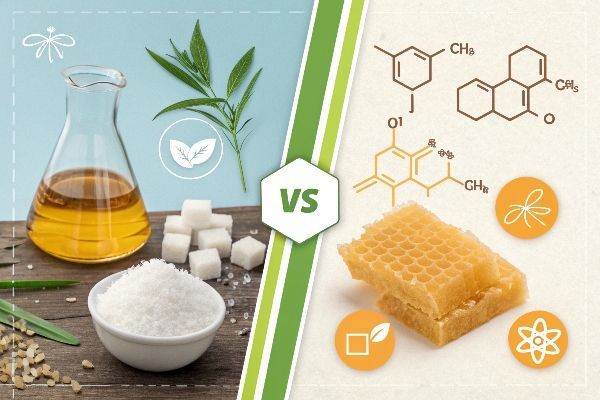
Artificial Vs Natural Sweeteners: Which Is Better in Gum?
This comes down to personal preference:
● Artificial sweeteners: Long shelf life, cost-effective, very sweet in tiny amounts. Downsides include health controversies and synthetic processing.
● Natural sweeteners: Stevia and cane sugar appeal to “clean label” consumers. Downsides include limited stability and, in the case of sugar, dental harm.
● Sugar alcohols: A middle ground—naturally derived, tooth-friendly, but can cause digestive issues.
For the health-conscious, stevia and xylitol often strike the best balance between natural origins and oral health benefits.
Health Effects of Chewing Gum Sweeteners Explained
Here’s a quick breakdown of how sweeteners in gum affect your body:
✅ Dental health: Sugar alcohols like xylitol are protective, while sugar promotes cavities.
✅ Digestive health: Large amounts of sorbitol or mannitol can cause bloating.
✅ Weight management: Low-calorie sweeteners make gum virtually calorie-free.
✅ Safety: Approved sweeteners (artificial and natural) are considered safe at normal intake levels.
In short, sweeteners in gum can support better oral health and help cut sugar intake—but moderation is still essential.
Frequently Asked Questions
1. What Sweetener Is Best for Oral Health?
Hands down, xylitol. It actively protects teeth by reducing cavity risk.
2. Which Gums Use Stevia or Monk Fruit?
Boutique, wellness, or natural brands often feature these. Look for “plant-based” callouts.
3. Do Sweeteners Affect How Long You Can Chew Gum?
Yes, artificial options usually keep flavor longer than sugar or stevia alone.
4. Is There Gluten in Gum Sweeteners?
Virtually all sweeteners used are gluten-free by nature, but always check labels for cross-contamination if you have celiac.
Conclusion
Sweeteners shape everything about your chewing gum, from taste to health and longevity. Explore options, read labels, and enjoy the world of gums confidently!
Suifa news
How is Bubble Gum Made in the Factory?
2023-05-24
How Hard Candy is Made in the Factory?
2024-02-28
Get An Instant Quotation
Recommended Products
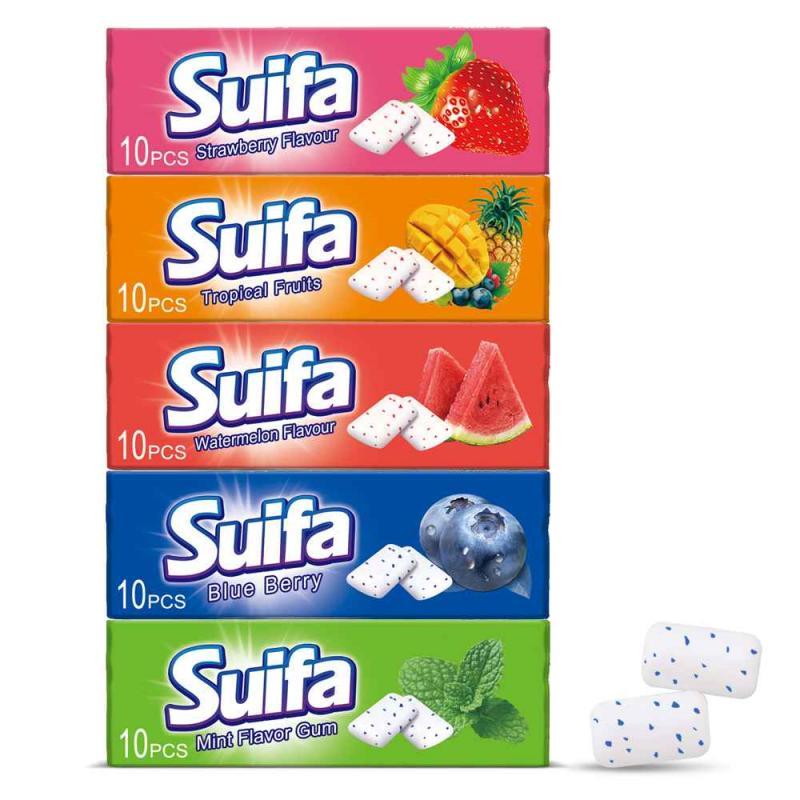
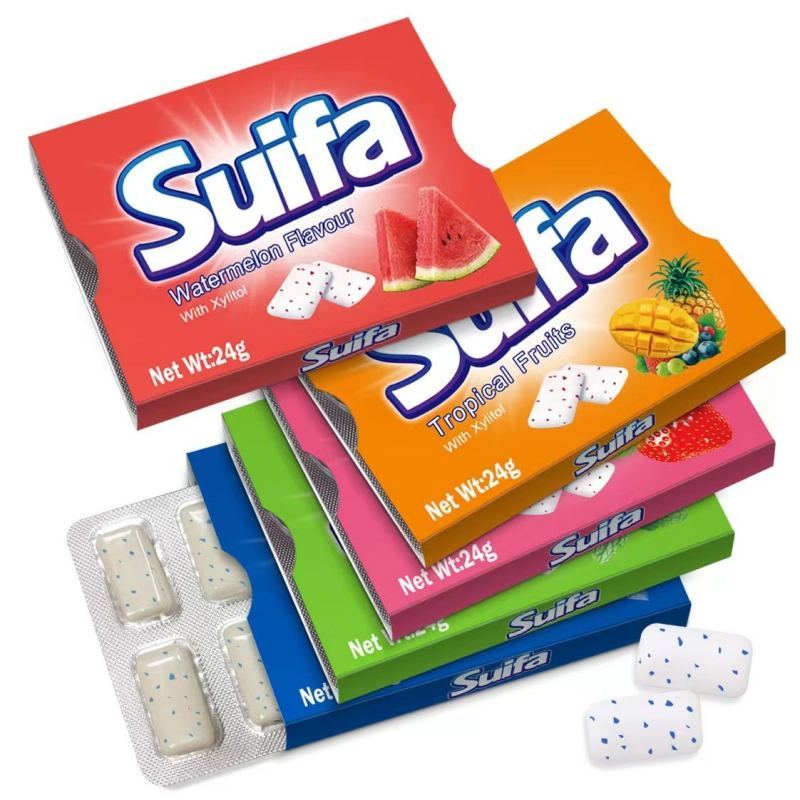
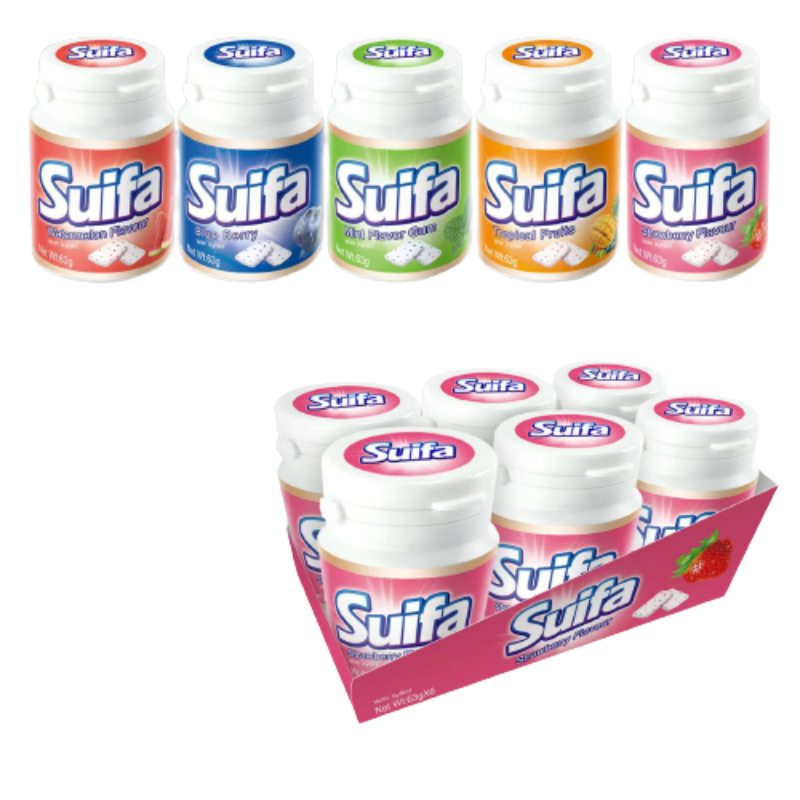
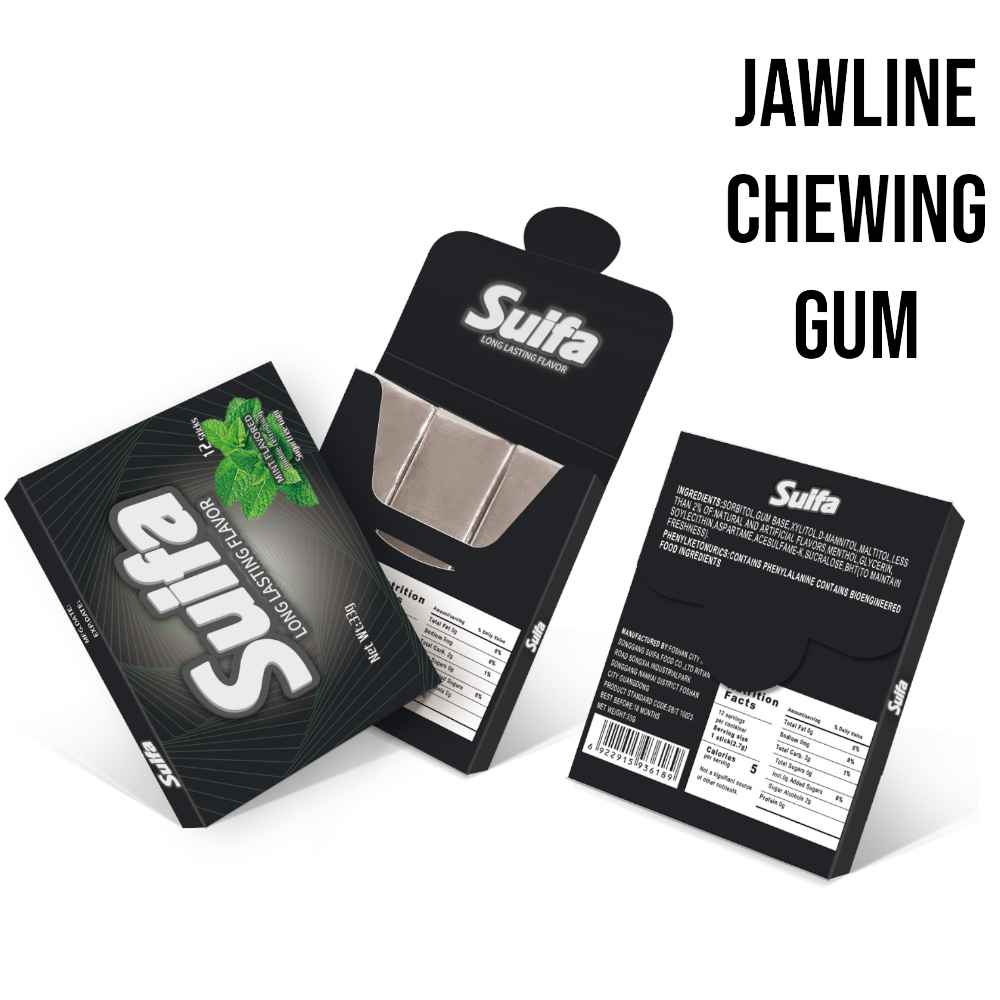
Bulk Healthy Natural Xylitol Sugar Free Tablet Chewing Gum
Detail

Checking Order
Quality Test Before Delivery
Check Items When Packing
Packaging And Transport
Send Inquiry Now!
Choose Suifa, Boost Your Candy and Gum Project!
Discover excellent gum and candy products at our factory. We create custom solutions for our customers. Join us for exclusive insights, customized products and partnerships. Leave your contact info we'll be back in touch within 12 hours!
Choose Suifa, take your bussiness to the next level!



Contact Us
WELCOME TO SUIFAFOOD YOUR TRUSTED MANUFACTURER OF GUM AND CANDY
Address: No.8 Ritian Road Songxia lndustrial AreaSonggang Nanhai, Foshan, Guangdong, China

