
Stevia Chewing Gum VS Xylitol Chewing Gum: Which is Better?
2025-06-24
Stevia Chewing Gum VS Xylitol Chewing Gum: Which is Better?
As someone who's spent years analyzing the chewing gum industry, I constantly encounter the same burning question from health-conscious consumers: "Should I choose stevia or xylitol chewing gum?"
The short answer: Xylitol gum is generally better for most people due to its superior oral health benefits, familiar taste, and proven cavity-fighting properties. However, stevia is the better choice if you're strictly managing calories, have digestive sensitivities to sugar alcohols, or prefer plant-derived sweeteners.
The confusion is understandable. Both sweeteners promise to deliver that satisfying sweetness without the guilt of sugar. Yet each comes with its own set of benefits and drawbacks that can significantly impact your daily chewing experience.
In my years of research and consumer interaction, I've discovered that most people make their choice based on incomplete information. They grab the first "sugar-free" option they see, not realizing that the type of sweetener can dramatically affect everything from their dental health to their digestive comfort.
Today, I'm going to break down this comparison once and for all, giving you the clear guidance you need to make an informed decision.

Understanding Both Sweeteners
Let me start by explaining what we're actually comparing here.
Stevia comes from the leaves of the Stevia rebaudiana plant, native to South America. Indigenous peoples have used these leaves as a natural sweetener for centuries. The commercial stevia we see in chewing gum today undergoes processing to extract and purify the sweet compounds called steviol glycosides.
Xylitol, on the other hand, is a sugar alcohol that occurs naturally in many fruits and vegetables. However, the xylitol used in commercial products is typically extracted from birch trees or corn cobs through an industrial process.
The fundamental difference lies in their molecular structure. Stevia provides intense sweetness with zero calories, while xylitol contains about 2.4 calories per gram—roughly 40% fewer calories than regular sugar.
Health Benefits Comparison
Health Aspect | Stevia | Xylitol |
Dental Health | Neutral - doesn't feed harmful bacteria | Winner - Actively fights cavity-causing bacteria and reduces plaque |
Blood Sugar Impact | Winner - Zero impact on blood glucose | Low impact - Glycemic index of 7 vs sugar's 65 |
Calorie Content | Winner - Zero calories | 2.4 calories per gram (40% less than sugar) |
Digestive Tolerance | Winner - Generally well-tolerated | Can cause bloating, gas, diarrhea above 20-30g daily |
Diabetic Friendly | Winner - Ideal for diabetics | Excellent - minimal blood sugar elevation |
Daily Intake Limit | 4mg per kg body weight recommended | 10-15g typically well-tolerated |
Safety Profile | FDA "Generally Recognized as Safe" | Safe but toxic to dogs - requires careful storage |
When I evaluate these sweeteners from a health perspective, the differences become quite fascinating.
✅Dental Health Impact
Xylitol stands out as the clear winner in oral health benefits. Research consistently shows that xylitol actively fights cavity-causing bacteria by inhibiting their growth and reducing plaque formation. It's so effective that many dentists specifically recommend xylitol gum to their patients.
Stevia, while not harmful to teeth, doesn't provide the same active protection. It simply doesn't feed harmful bacteria, which is certainly beneficial but passive compared to xylitol's active defense mechanism.
✅Blood Sugar and Diabetic Considerations
Both sweeteners are excellent choices for people managing blood sugar levels. Stevia has virtually no impact on blood glucose, making it ideal for diabetics. Xylitol has a minimal glycemic index of 7, compared to sugar's 65, so it causes only slight blood sugar elevation.
✅Digestive Tolerance
Here's where individual variation matters significantly. Xylitol can cause digestive upset—bloating, gas, and diarrhea—especially when consumed in amounts exceeding 20-30 grams per day. I've heard from many consumers who love xylitol's benefits but struggle with its digestive effects.
Stevia is generally well-tolerated digestively, though some people report a slight bitter aftertaste that can be off-putting.
Taste and Experience Analysis
In my taste testing experience with countless consumers, preferences vary dramatically.
· Sweetness Intensity
Stevia is significantly sweeter than sugar—up to 300 times sweeter—which means manufacturers need only tiny amounts. This intensity can sometimes feel overwhelming or artificial to sensitive palates.
Xylitol provides a clean, sugar-like sweetness that most people find familiar and pleasant. It's about as sweet as regular sugar, making the transition much easier for most consumers.
· Aftertaste Characteristics
The aftertaste issue is where many stevia products struggle. Despite improvements in processing, some stevia varieties still carry a noticeable bitter or metallic aftertaste that lingers after chewing.
Xylitol produces a cooling sensation on the tongue—a refreshing effect that many people actually prefer, especially in mint-flavored gums.
· Chewing Experience
Both sweeteners maintain flavor reasonably well during extended chewing sessions. However, I've noticed that xylitol gums tend to maintain their texture slightly better over longer periods.
Safety and Side Effects
Safety considerations are crucial when choosing your daily chewing gum.
Daily Consumption Guidelines
The FDA recognizes stevia as "Generally Recognized as Safe" with no established daily intake limit for most people. However, some studies suggest limiting intake to 4mg per kilogram of body weight daily.
Xylitol is also considered safe, but digestive tolerance typically limits natural consumption before reaching concerning levels. Most people can comfortably consume 10-15 grams daily without issues.
Special Population Considerations
Pregnant and breastfeeding women can safely consume both sweeteners in moderate amounts. For children, xylitol actually provides additional dental benefits, though parents should monitor intake to prevent digestive discomfort.
One critical safety note: xylitol is extremely toxic to dogs. If you have pets, secure your xylitol gum carefully.
Market Availability and Cost
From a practical standpoint, both options are readily available in most markets.
Brand Selection
Xylitol gums dominate the sugar-free market, with established brands like Trident, Epic Dental, and Suifa offering extensive product lines.
Stevia gum options are growing but remain more limited. Brands like Stevita and some organic manufacturers focus specifically on stevia-sweetened products.
Cost Comparison
Generally, both premium stevia and xylitol gums cost more than conventional sugar-sweetened options. Xylitol gums typically range from $2-4 per pack, while stevia gums often command slightly higher prices due to smaller market volume.
Q&A Style Subheadings
Which is better for weight management?
Both are excellent for weight management, but stevia has a slight edge with zero calories compared to xylitol's 2.4 calories per gram. However, the difference is minimal in practical terms—a piece of xylitol gum contains only about 2-3 calories.
Which provides better oral health benefits?
Xylitol wins decisively here. Its active antibacterial properties and proven cavity-prevention benefits make it the superior choice for oral health. If dental health is your primary concern, choose xylitol.
Are there any long-term health concerns?
Both sweeteners have excellent long-term safety profiles when consumed in normal amounts. The main consideration is digestive tolerance with xylitol—some people never fully adapt to larger quantities.
Which tastes more natural?
This depends on your definition of "natural." Xylitol tastes more like traditional sugar, while stevia's intense sweetness can feel artificial despite being plant-derived. Most consumers find xylitol's taste more familiar and pleasant.
Final Verdict
After years of analyzing both options, here's my recommendation framework:
Choose Xylitol If:
- · Oral health is your primary concern
- · You prefer familiar, sugar-like sweetness
- · You can tolerate moderate amounts without digestive issues
- · You want the widest variety of product options
Choose Stevia If:
- · You're strictly managing calories or blood sugar
- · You're sensitive to sugar alcohols
- · You don't mind a potentially stronger sweet taste
- · You prefer plant-derived ingredients
For most consumers, I lean toward recommending xylitol gum due to its superior oral health benefits and more pleasant taste experience. However, stevia remains an excellent choice for those with specific dietary needs or digestive sensitivities.
The best approach? Try both and see which your body and taste buds prefer. Your individual response will ultimately determine which is "better" for your specific situation.
Remember, both options are significantly healthier than sugar-sweetened gum, so you're making a positive choice regardless of which path you choose.
Suifa news
How is Bubble Gum Made in the Factory?
2023-05-24
How Hard Candy is Made in the Factory?
2024-02-28
Get An Instant Quotation
Recommended Products
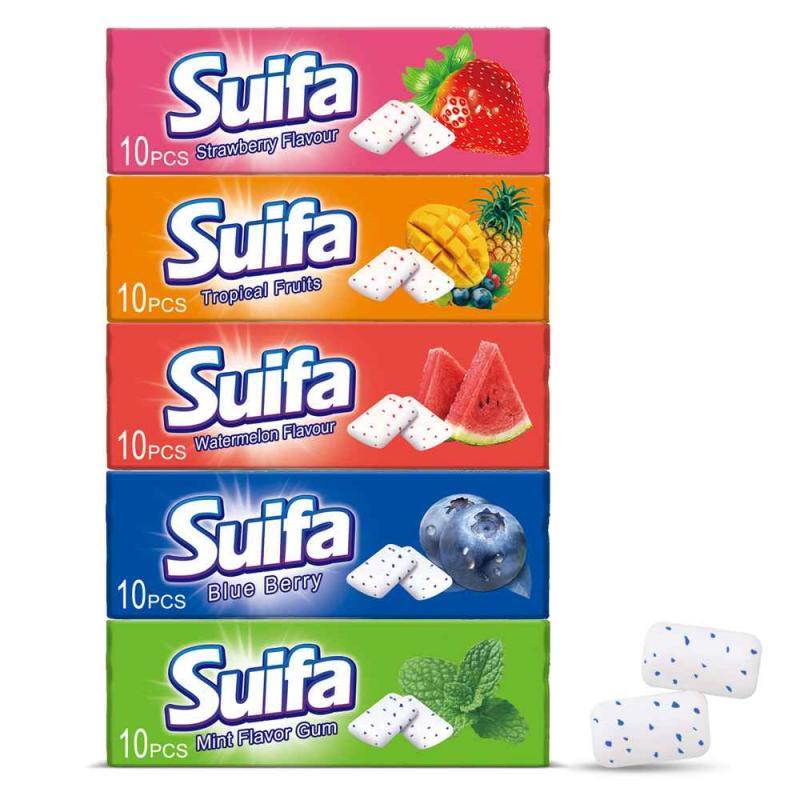
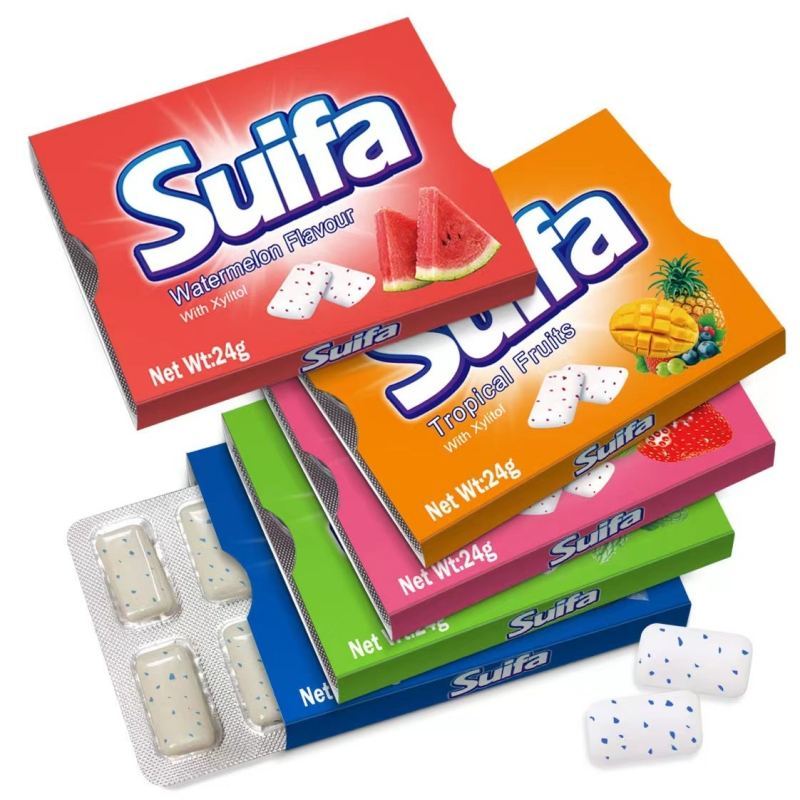
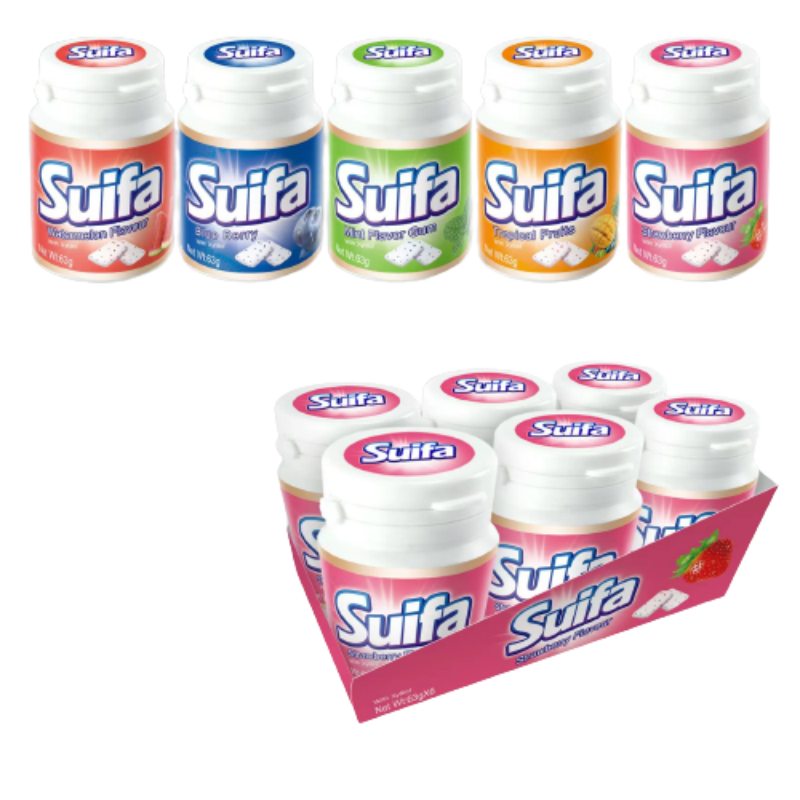
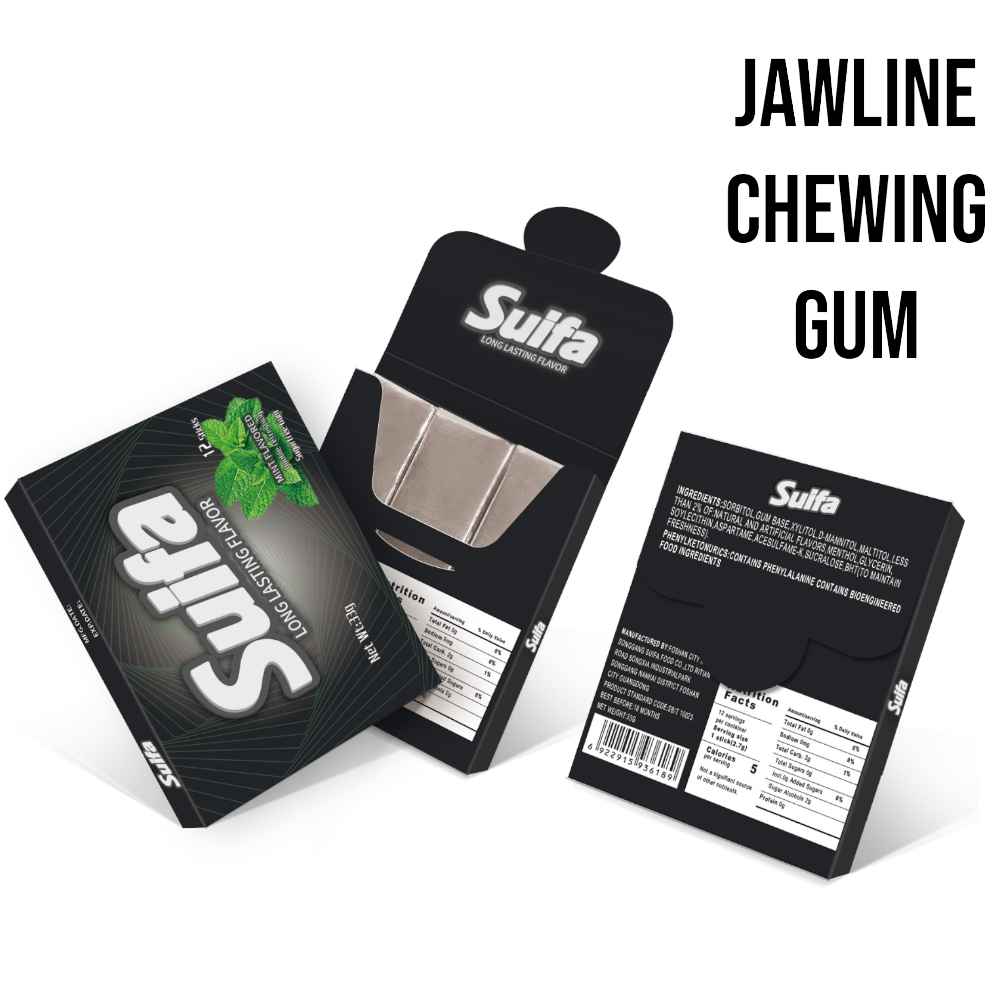
Bulk Healthy Natural Xylitol Sugar Free Tablet Chewing Gum
Detail

Checking Order
Quality Test Before Delivery
Check Items When Packing
Packaging And Transport
Send Inquiry Now!
Choose Suifa, Boost Your Candy and Gum Project!
Discover excellent gum and candy products at our factory. We create custom solutions for our customers. Join us for exclusive insights, customized products and partnerships. Leave your contact info we'll be back in touch within 12 hours!
Choose Suifa, take your bussiness to the next level!



Contact Us
WELCOME TO SUIFAFOOD YOUR TRUSTED MANUFACTURER OF GUM AND CANDY
Address: No.8 Ritian Road Songxia lndustrial AreaSonggang Nanhai, Foshan, Guangdong, China

