
What Is Gum Base in Chewing Gum?
2024-07-09
What Is Gum Base in Chewing Gum?
Ever wondered what makes chewing gum so chewy? In this post, we'll explore the intricacies of gum base, from its composition to its role in the chewing experience. You'll learn about the different types of gum base, how they are made, and their impact on health and the environment. By the end, you'll have a newfound respect for the science and innovation behind every chew.
Gum base is the non-nutritive, insoluble part of chewing gum that gives it its chewy texture. It’s a blend of polymers, resins, and other components that create the perfect chew. Without gum base, chewing gum would lose its signature consistency and become just another sweet treat that dissolves in seconds.
So, why should you care about gum base? Knowing what you’re chewing on can help you make informed choices. Plus, it’s fascinating to understand the science behind that perfect chew.

What Is Gum Base Made Of?
Gum base is a complex mixture of several ingredients. Here’s a breakdown:
Polymers
Polymers are the primary component of gum base, providing the elastic properties that allow gum to stretch and flex. These long-chain molecules are responsible for the chewy texture that defines chewing gum. Common polymers used in gum base include polyvinyl acetate and polyethylene.
Resins
Resins act as binding agents in gum base, helping to hold the various components together. They contribute to the overall texture and ensure that the gum maintains its integrity during chewing. Natural resins like chicle and synthetic resins are commonly used in gum base formulations.
Fillers
Fillers are added to gum base to enhance its texture and bulk. They provide a smooth, uniform consistency and help balance the chewiness. Calcium carbonate and talc are common fillers used in gum base.
Softeners
To ensure that the gum remains pliable and enjoyable to chew, softeners are incorporated into the gum base. These ingredients prevent the gum from becoming too hard or brittle. Common softeners include glycerin and vegetable oil.
Antioxidants
Antioxidants are essential for preserving the freshness and quality of the gum base. They prevent the oxidation of the ingredients, ensuring that the gum remains stable and free from rancidity. Butylated hydroxytoluene (BHT) is a commonly used antioxidant in gum base.
Chewing Gum Base % | ||
Raw Material Name | Natural Resin Type | Vinyl Acetate Resin Type |
Sugar gum (Chicle) | 5~20 | - |
Jelutong | 15~20 | - |
Sorva | 5~20 | - |
Natural Gum | 1~5 | 1~5 |
Vinyl acetate resin (polymerization degree P200) | 10~20 | 20~40 |
Polyisobutylene | 10~20 | 10~20 |
Rosin Resin | 5~20 | 10~30 |
Microcrystalline wax | 15~30 | 20~40 |
Monoglycerides | 1~5 | 1~10 |
Fillers | 10~20 | 10~20 |
Total | 100 | 100 |
Bubble Gum Base % | |||
Raw Material Name | Vinyl acetate resin type | Vinyl Acetate Resin and Styrene Butadiene Rubber Type | Styrene-Butadiene Rubber |
Natural resin | 1~10 | - | - |
Vinyl acetate resin (degree of polymerization P800) | 20~40 | 10~20 | - |
Polyisobutylene | 10~20 | - | - |
Styrene Butadiene Rubber | - | 10~20 | 10~40 |
Rosin Resin | 10~30 | 20~40 | 20~40 |
Microcrystalline wax | 20~40 | 20~40 | 20~40 |
Monoglycerides | 5~15 | 1~10 | 5~15 |
Fillers | 10~20 | 10~30 | 10~40 |
Total | 100 | 100 | 100 |
How Does Gum Base Work?
The gum base is crucial for a few reasons:
Provides Chewiness
One of the primary functions of gum base is to provide chewiness. The unique blend of polymers, resins, and fillers creates a resilient texture 1that can withstand continuous chewing. This chewiness is what sets gum apart from other confections.
Maintains Texture
Maintaining the texture of gum throughout the chewing process is crucial for an enjoyable experience. Gum base ensures that the gum remains consistent in texture, neither too hard nor too soft, from the first bite to the last chew.
Enhances Flavor Release
Gum base also plays a vital role in enhancing the release of flavors. The structure of the gum base allows for the gradual release of flavor compounds, ensuring a sustained and enjoyable taste experience.
Types of Gum Base: Natural vs. Synthetic?
Natural Gum Base
Natural gum base is derived from natural sources like the sap of certain trees. Chicle, obtained from the sapodilla tree, was one of the earliest forms of natural gum base. Natural gum bases are prized for their traditional and biodegradable properties.
Synthetic Gum Base
Synthetic gum base is made from artificial ingredients, including synthetic polymers and resins. These modern formulations offer greater consistency and flexibility in terms of texture and flavor release. They are commonly used in most commercial chewing gums today.

The Role of Gum Base in Chewing Gum Production
Gum base is the foundation of any chewing gum product. In the manufacturing process, gum base is first melted and then mixed with sweeteners, flavorings, and other additives. This mixture is then cooled and shaped into sticks, pellets, or other forms. Henry, a Chewing Gum Expert, explains, "Understanding the science behind gum base allows for innovation in creating new gum textures and flavors."
Gum base's versatility is what makes it indispensable in gum production. It can be tailored to create various types of gum, from traditional bubble gum to sugar-free alternatives. The consistency of the gum base ensures that the final product meets consumer expectations for texture and longevity of flavor. Quality control during production is essential to maintain the desired characteristics of the gum, ensuring each piece offers a consistent chewing experience.
The Manufacturing Process of Gum Base
Creating gum base is a precise process. Here’s a simplified version:
Extraction or Synthesis
The manufacturing process of gum base begins with either the extraction of natural materials or the synthesis of synthetic ingredients. The chosen components are then purified and prepared for mixing.
Mixing with Other Ingredients
Once the base materials are ready, they are mixed with other ingredients such as sweeteners, flavorings, and softeners. This blending process ensures that the final gum base has the desired properties.
Final Product
The mixed gum base is then heated and kneaded to achieve a homogeneous mixture. It is subsequently cooled and formed into sheets or pellets, ready to be incorporated into chewing gum.
Health and Safety of Gum Base
Many wonder if chewing gum is safe, especially with synthetic components. The answer is yes, within regulated limits.
FDA Regulations: The FDA rigorously tests and approves the ingredients used in gum base to ensure they are safe for consumption.
Common Misconceptions: Some believe synthetic gum bases are harmful, but studies show they are safe in the quantities used in chewing gum.
Environmental Impact of Gum Base
One downside of synthetic gum base is its impact on the environment.
Biodegradability Issues: Synthetic gum base is not biodegradable, contributing to litter and environmental pollution.
Innovations: Companies are working on developing eco-friendly alternatives to traditional synthetic gum bases.
Is Gum Base Vegan?
Gum base can be either vegan or non-vegan, depending on the ingredients used. Natural gum bases derived from plant sources are generally vegan. However, some gum bases may contain animal-derived ingredients like gelatin. Always check the product label or consult the manufacturer if you’re unsure.
Is Gum Base Halal?
Gum base itself can be halal, but it depends on the specific ingredients and manufacturing process. Some gum bases may contain non-halal ingredients such as pork-derived gelatin. Look for halal certification on the packaging to be sure. Click here to learn more about gum base halal information.
Is Gum Base Plastic?
While gum base contains synthetic polymers similar to plastics, it’s not the same as the plastic used in bottles or bags. These polymers give gum its chewy texture but are specifically designed for food use and approved by health authorities.

The Future of Chewing Gum
The future of chewing gum looks promising, with ongoing innovations in gum base technology. Researchers are exploring biodegradable and edible gum bases that reduce environmental impact. Additionally, advances in flavor encapsulation and release mechanisms promise longer-lasting and more intense flavors.
Emerging trends also include functional gums infused with vitamins, caffeine, or other beneficial compounds. These gums cater to health-conscious consumers looking for convenient ways to supplement their diets. As technology continues to advance, the possibilities for innovative gum products are limitless, ensuring that chewing gum remains a favorite treat for generations to come.
Conclusion
Gum base is a vital component of chewing gum, giving it that beloved chewy texture and ensuring a consistent, enjoyable experience. While there are concerns about environmental impact, ongoing innovations promise a more sustainable future for our favorite chew. Next time you pop a piece of gum, you’ll know exactly what’s behind that satisfying chew.
Suifa news
How is Bubble Gum Made in the Factory?
2023-05-24
How Hard Candy is Made in the Factory?
2024-02-28
Get An Instant Quotation
Recommended Products
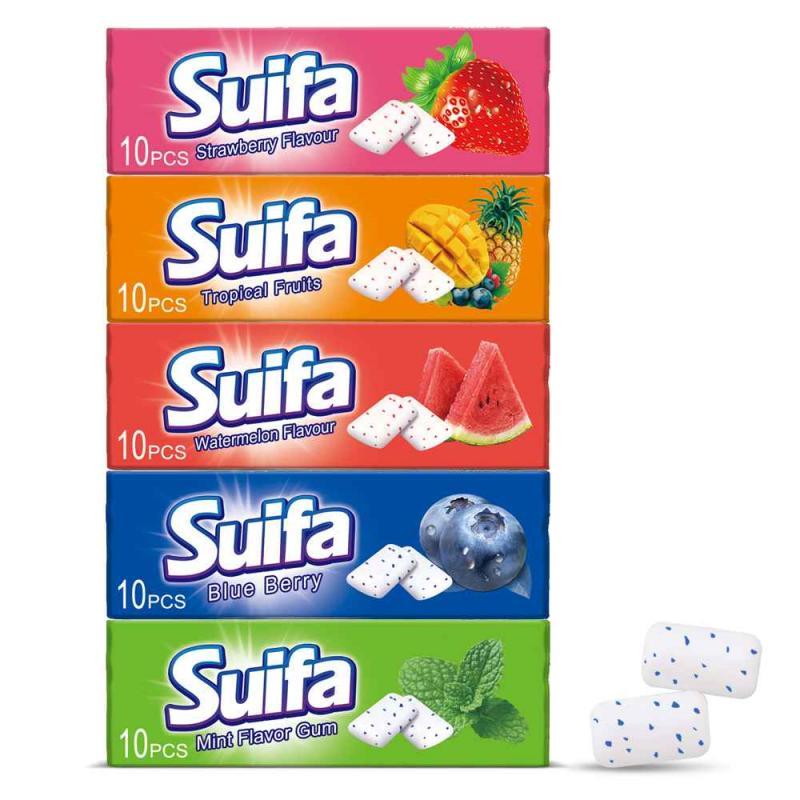
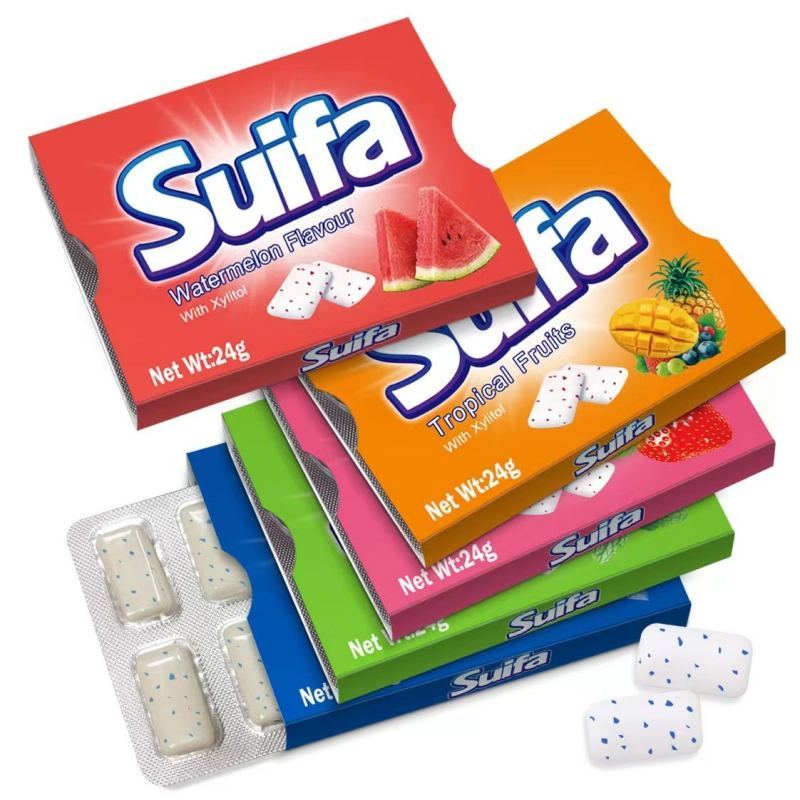
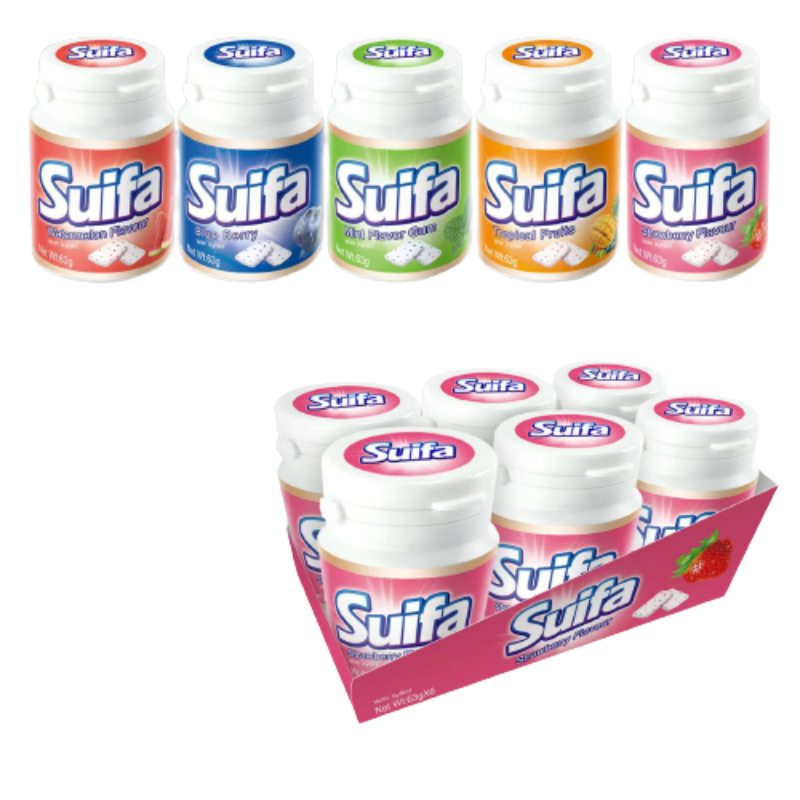
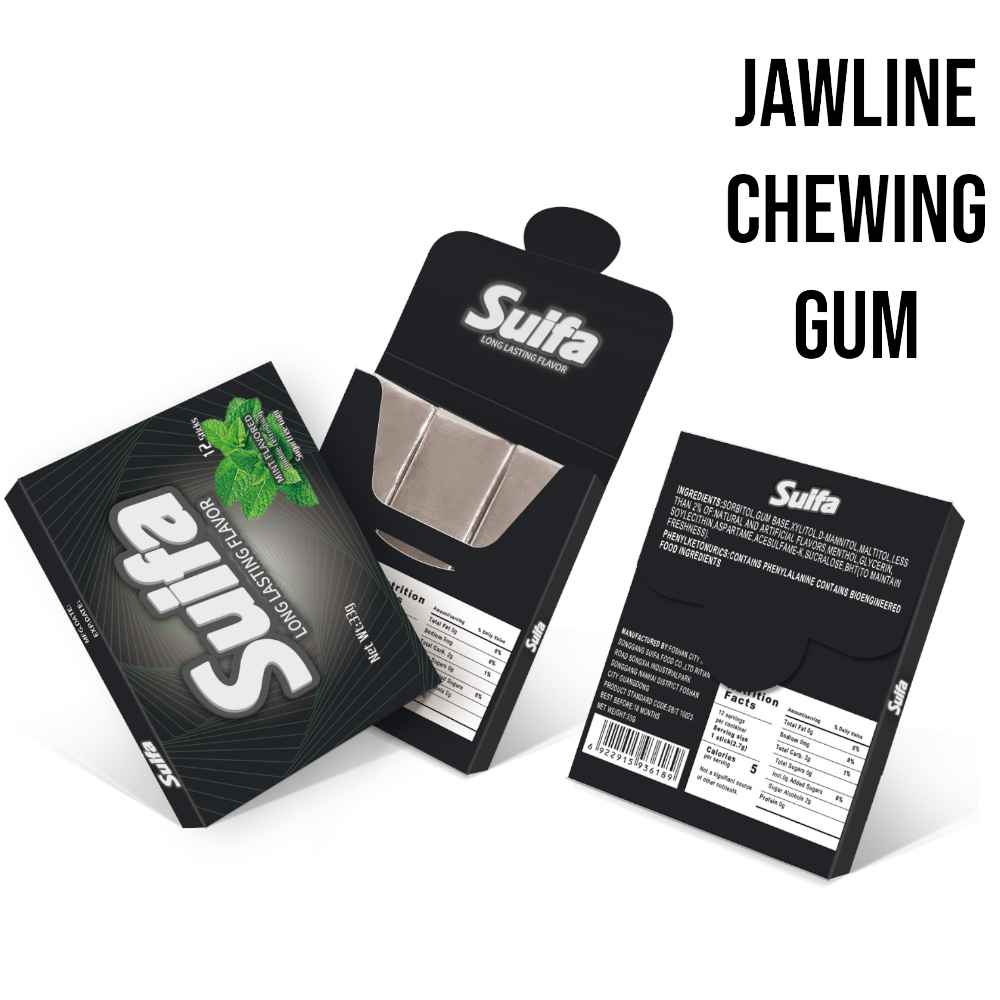
Bulk Healthy Natural Xylitol Sugar Free Tablet Chewing Gum
Detail

Checking Order
Quality Test Before Delivery
Check Items When Packing
Packaging And Transport
Send Inquiry Now!
Choose Suifa, Boost Your Candy and Gum Project!
Discover excellent gum and candy products at our factory. We create custom solutions for our customers. Join us for exclusive insights, customized products and partnerships. Leave your contact info we'll be back in touch within 12 hours!
Choose Suifa, take your bussiness to the next level!



Contact Us
WELCOME TO SUIFAFOOD YOUR TRUSTED MANUFACTURER OF GUM AND CANDY
Address: No.8 Ritian Road Songxia lndustrial AreaSonggang Nanhai, Foshan, Guangdong, China

