
How to Import Candy into the United States?
2024-05-27
How to Import Candy into the United States?
Step-by-Step Guide
As an expert specializing in the importation of confectionery products, I've seen many businesses struggle with the complexities of importing candy into the U.S. The stakes are high, and the regulatory environment can be daunting. This guide aims to simplify the process for B2B business owners, candy importers, and small business owners by breaking down each step involved.
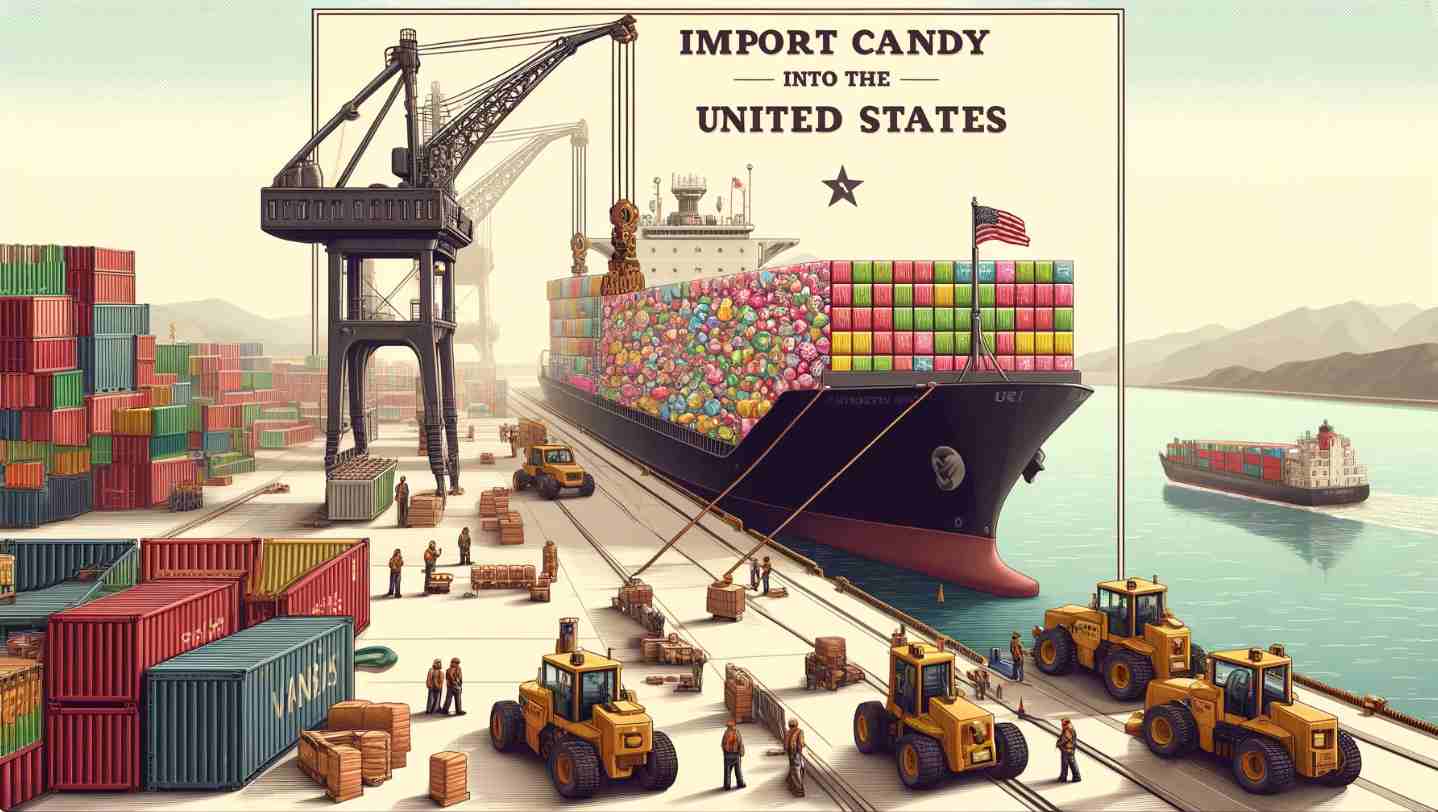
1. Research and Select Suppliers
The first step in importing candy is to find reputable suppliers. Here’s how:
· Research Potential Suppliers: Use online directories, trade shows, and industry contacts to identify potential suppliers.
· Evaluate Supplier Credibility: Look for suppliers with a strong track record, verified product quality, and positive reviews.
· Request Samples: Always request samples before committing to large orders to ensure the quality meets your standards.
· Negotiate Terms: Discuss pricing, minimum order quantities, and delivery timelines upfront to avoid future misunderstandings.
2. Understand Import Duties and Taxes
Importing candy into the United States incurs certain duties and taxes. Here’s what you need to know:
· Harmonized Tariff Schedule (HTS): Determine the correct HTS code for your candy to understand the applicable duty rates.
· Calculate Costs: Use online duty calculators or consult with a customs broker to estimate the total import costs.
· Customs Fees: Be aware of additional customs fees, such as Merchandise Processing Fees (MPF) and Harbor Maintenance Fees (HMF).
3. Comply with FDA Regulations
Compliance with FDA regulations is crucial for importing food products. Key tasks include:
When importing food products, including candy, into the United States, the Food and Drug Administration (FDA) sets the standards to ensure safety and compliance. First, you must register your facility with the FDA, which is a mandatory step for any manufacturer, processor, packer, or holder of food products intended for U.S. consumption. Additionally, you'll need to comply with the FDA's Foreign Supplier Verification Program (FSVP), ensuring your foreign suppliers meet U.S. safety standards.
Each shipment of candy must be accompanied by a Prior Notice of Imported Foods, submitted to the FDA before arrival. This is to verify that your products are safe for U.S. consumers and adhere to the specific regulations regarding ingredients, additives, and processing methods. Learn more about FDA food import requirements.
4. Documents Required for Importing Candy
To import candy into the United States, you typically need the following key documents:
· Prior Notice to the FDA. You must submit prior notice to the FDA before your candy shipments arrive at the U.S. border.
· FDA Facility Registration. Your foreign manufacturing facility must be registered with the FDA before importing food products.
· U.S. Resident Agent/Representative. You need to appoint a U.S. agent or representative to handle FDA communications regarding your products.
· Proper Product Labeling. Your candy products must meet all FDA labeling requirements for foods sold in the U.S., including English text, distributor info, etc.
· Commercial Invoice. This document provides details like product description, quantities, country of origin, and value.
· -Bill of Lading. Issued by the shipper as a receipt and contract for the shipment.
· -Packing List. Lists the contents, quantities and dimensions of the shipment.
· -Entry Summary (CBP Form). Compiles key shipment details for customs clearance.
Additionally, while not mandatory, using an experienced customs broker can streamline the import process by handling paperwork and ensuring compliance.
It's crucial to ensure your candy manufacturing follows FDA's good manufacturing practices and food safety regulations like the Food Safety Modernization Act. Your shipments are subject to inspection upon arrival.
5. The Importance of Labeling for Imported Candy
Label compliance is a major challenge for candy importers. U.S. labeling laws require specific information, including ingredients, nutritional facts, allergen declarations, and country of origin. Mislabeling can lead to your products being detained or refused at the border, resulting in significant financial losses.
It's important to familiarize yourself with the FDA’s Food Labeling Guide to ensure that all packaging complies with U.S. standards. This includes using the correct font sizes, listing ingredients in descending order of predominance, and declaring any food allergens. Check this guide on labeling regulations.

Below Is a Brief Step-by-Step Guide to the U.S. Candy Importation Process:
1. Research and Compliance Check:
Conduct research on FDA regulations and requirements for importing candy into the U.S.
Ensure compliance with FDA standards for food products, including labeling and packaging requirements.
2. Obtain Necessary Permits and Registrations:
Register your facility with the FDA if you're a manufacturer, processor, packer, or holder of food products intended for U.S. consumption.
Ensure compliance with the FDA's Foreign Supplier Verification Program (FSVP) to verify that your foreign suppliers meet U.S. safety standards.
3. Prepare Documentation:
Gather required documents such as the Bill of Lading, Commercial Invoice, Packing List, Certificate of Origin, and any other relevant paperwork.
Submit a Prior Notice of Imported Foods to the FDA before your candy shipment arrives in the U.S.
4. Select a Customs Broker or Import Agent:
Choose an experienced customs broker or import agent to assist with the import process.
Work closely with your chosen partner to ensure all necessary documentation is prepared accurately and submitted on time.
5. Customs Clearance:
File an Entry Summary (Form 7501) with the CBP through your customs broker.
Ensure that all required fees and duties are paid promptly to avoid delays in customs clearance. To learn more about the customs clearance process, please refer to our guidelines.
6. Labeling Compliance:
Ensure that all packaging and labeling for your candy products comply with U.S. labeling laws and FDA regulations.
Include required information such as ingredients, nutritional facts, allergen declarations, and country of origin on your candy packaging.
7. Monitor Shipment and Delivery:
Keep track of your candy shipment as it makes its way through customs and into the U.S.
Communicate with your customs broker or import agent to address any issues or delays that may arise during the import process.
8. Post-Importation Follow-Up:
Review the import process and identify any areas for improvement or optimization.
Maintain records of your import activities and documentation for future reference and compliance purposes.
By following these steps diligently and working closely with experienced professionals, you can successfully navigate the import process for candy into the United States and bring your delicious products to American consumers.
How can choosing the right import partner help?
Selecting an experienced customs broker or import agent can make a significant difference in navigating the complexities of candy importation. They act as liaisons between you and the U.S. Customs and Border Protection (CBP), ensuring that all legal and procedural requirements are met efficiently.
A good customs broker will help you manage the documentation, submit necessary filings, and advise on the best practices for clearing your goods through customs without unnecessary delays. They can also keep you updated on any changes in regulations that might affect your candy imports.
What are the impacts of tariffs and trade agreements on candy imports?
Understanding tariffs and trade agreements is essential for managing costs and planning your pricing strategy. Candy imports may be subject to various tariffs, which can significantly affect the cost of bringing your products to the U.S. market.
Trade agreements between the U.S. and other countries can also impact these tariffs. For instance, agreements may reduce or eliminate certain tariffs, making it more economical to import from countries covered under these agreements. Staying informed about these factors will help you optimize your import strategy and pricing. Explore the impact of tariffs and trade agreements.
Conclusion
Importing candy into the United States involves careful planning and strict adherence to regulations. By following this guide, you can ensure a smoother import process and bring delightful treats to the US market.
Suifa news
How is Bubble Gum Made in the Factory?
2023-05-24
How Hard Candy is Made in the Factory?
2024-02-28
Get An Instant Quotation
Recommended Products
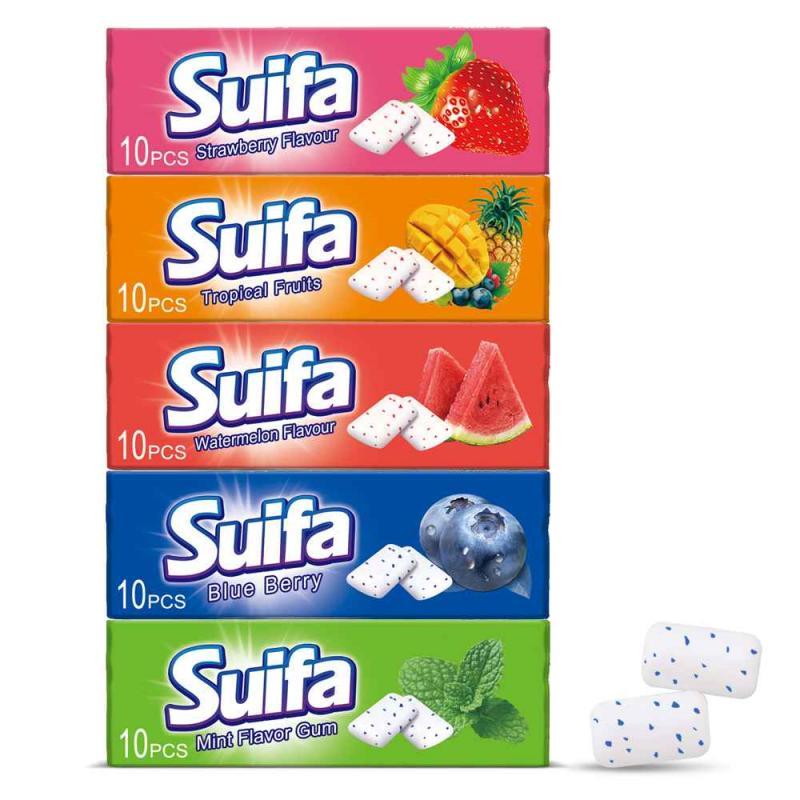
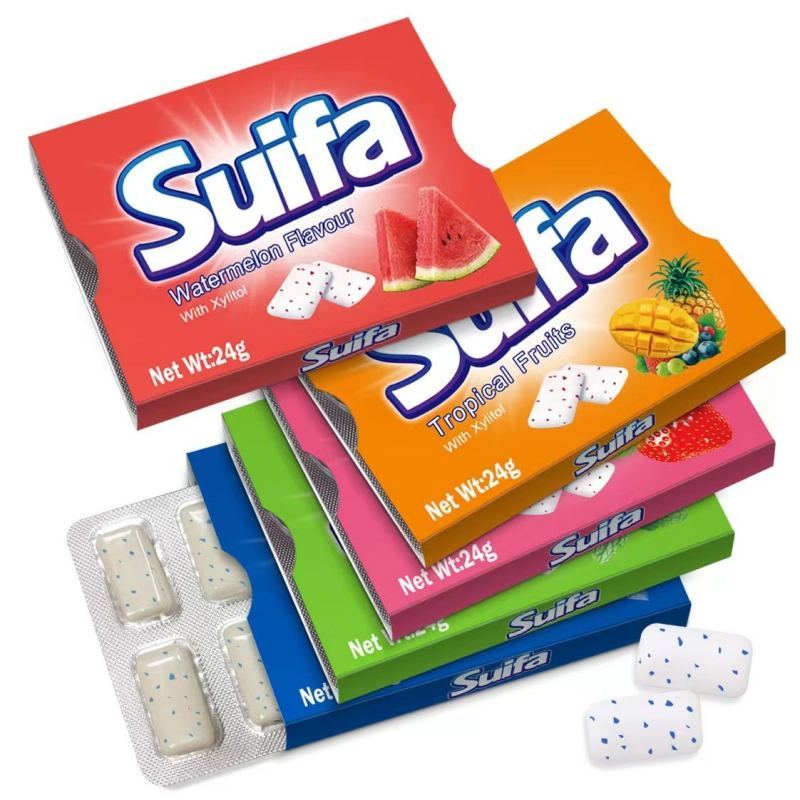
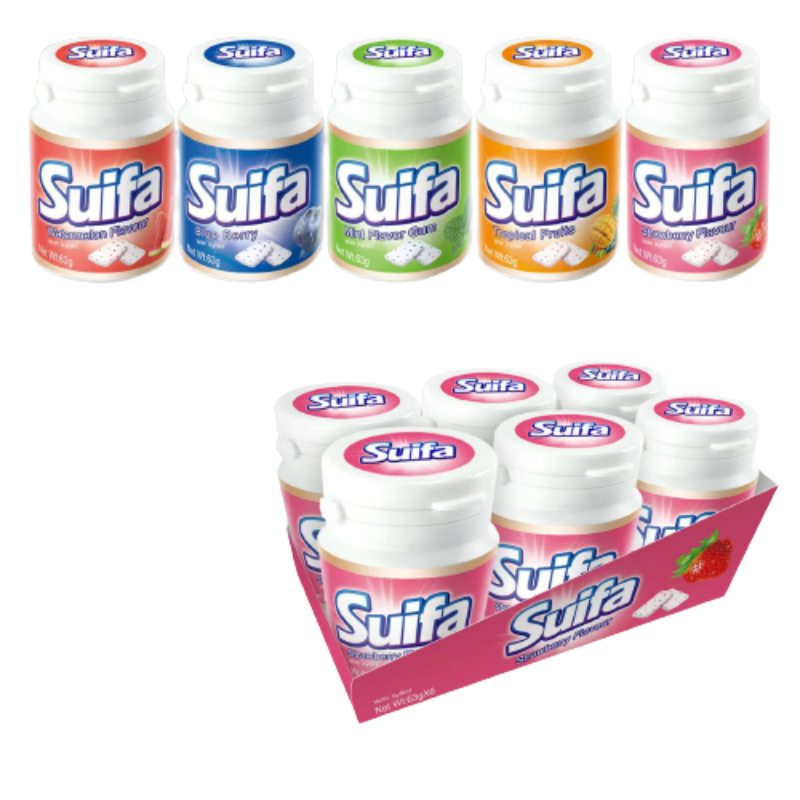
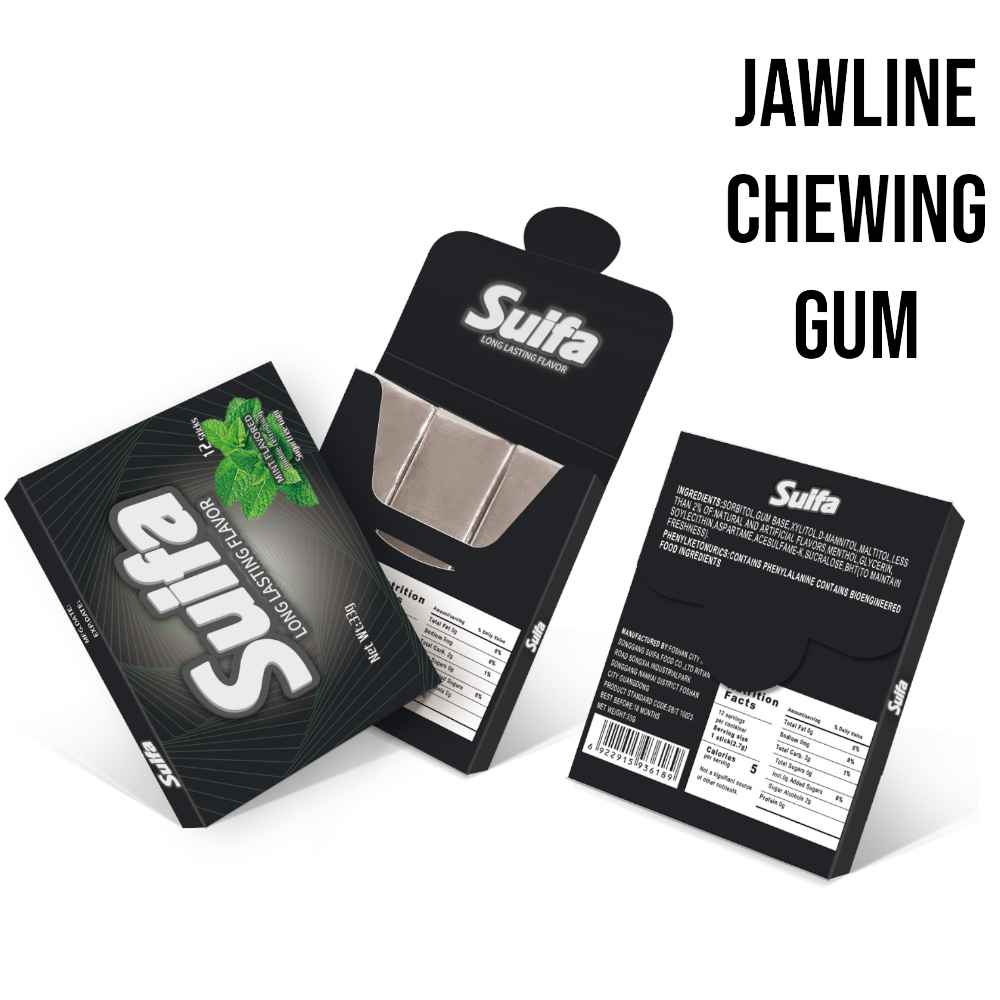
Bulk Healthy Natural Xylitol Sugar Free Tablet Chewing Gum
Detail

Checking Order
Quality Test Before Delivery
Check Items When Packing
Packaging And Transport
Send Inquiry Now!
Choose Suifa, Boost Your Candy and Gum Project!
Discover excellent gum and candy products at our factory. We create custom solutions for our customers. Join us for exclusive insights, customized products and partnerships. Leave your contact info we'll be back in touch within 12 hours!
Choose Suifa, take your bussiness to the next level!



Contact Us
WELCOME TO SUIFAFOOD YOUR TRUSTED MANUFACTURER OF GUM AND CANDY
Address: No.8 Ritian Road Songxia lndustrial AreaSonggang Nanhai, Foshan, Guangdong, China

