
Xylitol Chewing Gum with Hydroxyapatite: Why Should B2B Buyers Choose It?
2026-09-21

Oral care buyers face a real problem.
Shelves are crowded. Patients want products that feel modern, clean, and functional. Dental clinics need add-on products that support daily care. Retailers need premium chewing gum with a stronger health story.
But many gums still rely on basic freshness claims.
That creates a gap.
As Suifa, a chewing gum manufacturer, I see xylitol chewing gum with hydroxyapatite as a practical answer for oral care brands, dental clinics, pharmacies, and distributors that want stronger differentiation.
Xylitol chewing gum with hydroxyapatite combines two valuable oral care ingredients. Xylitol supports sugar-free dental gum positioning and helps stimulate saliva flow. Hydroxyapatite is a tooth-like mineral used in enamel care products. For B2B buyers, this product can become a premium functional chewing gum for clinics, pharmacies, private label brands, and oral care retail channels.
I will explain it clearly.
I will focus on product value, business use, ingredient positioning, and responsible marketing.
Quick Summary for B2B Buyers
| Key Point | B2B Meaning | Useful Source |
Xylitol is widely used in sugar-free gum | Helps support dental-friendly product positioning | Cochrane: Xylitol-containing products for preventing dental caries |
Chewing sugar-free gum stimulates saliva flow | Supports after-meal oral freshness and pH balance messaging | American Dental Association: Chewing Gum |
Hydroxyapatite is similar to natural tooth mineral | Supports enamel care and remineralization-focused positioning | PubMed: Hydroxyapatite in caries prevention |
The format is familiar and easy to use | Good for dental clinics, pharmacies, retail, and private label projects | B2B product positioning |

What Is Xylitol Chewing Gum with Hydroxyapatite?
Xylitol chewing gum with hydroxyapatite is a functional sugar-free gum designed for oral care positioning.
It contains xylitol, a common sugar-free sweetener used in dental gum.
For B2B buyers, this product is not just another mint gum.
It can be positioned as:
• A dental clinic retail product
• A pharmacy oral care item
• A premium private label chewing gum
• A functional gum for enamel care positioning
• A sugar-free gum for after-meal freshness
• A line extension for oral care brands
I like this product because the story is simple.
Fresh breath is common.
But fresh breath + xylitol + hydroxyapatite feels more advanced.
That difference matters on a retail shelf.
It also matters in a dental clinic.
Why Does Xylitol Matter in Chewing Gum?
Xylitol is one of the most recognized ingredients in dental chewing gum.
It is a sugar alcohol.
It tastes sweet, but it is not regular sugar.
That makes it useful for sugar-free gum formulas.
In my B2B product copy, I usually explain xylitol through three main benefits:
• It supports sugar-free positioning
• It helps create a dental-friendly product story
• It works well in chewing gum because chewing stimulates saliva
The saliva benefit is especially important.
When we chew gum, saliva production increases.
Saliva helps wash away food particles.
It also helps neutralize acids in the mouth.
The American Dental Association notes that chewing sugar-free gum after meals can increase saliva flow and may help protect teeth from decay pressure after eating.
For B2B buyers, this makes xylitol gum easy to explain.
It is familiar.
It is simple.
It has strong consumer acceptance.
And it works well in oral care retail.

Why Add Hydroxyapatite to Chewing Gum?
Hydroxyapatite is the main mineral associated with tooth enamel and dentin.
In oral care, it is often used in products focused on enamel support, remineralization positioning, and tooth surface care.
A review indexed on PubMed discusses hydroxyapatite and its role in caries prevention and oral care applications.
Source: PubMed: Hydroxyapatite in caries prevention
For chewing gum, hydroxyapatite adds a premium technical angle.
It helps move the product from basic sugar-free gum into the category of functional oral care gum.
That is valuable for B2B sales.
Why?
Because clinics, pharmacies, and oral care brands often need a clear reason to choose one gum over another.
Hydroxyapatite gives them that reason.
It creates a more advanced product story.
It also connects with current consumer interest in:
• Enamel care
• Sensitivity care
• Non-fluoride oral care alternatives
• Functional daily oral hygiene products
This is why I see hydroxyapatite gum as a strong B2B opportunity.

How Do Xylitol and Hydroxyapatite Work Together?
I see this formula as a two-part oral care concept.
Xylitol supports the oral environment.
Hydroxyapatite supports enamel-care positioning.
They do different jobs.
But together, they create a stronger commercial product.
| Ingredient | Main Function | B2B Product Benefit | Suggested Marketing Language |
Xylitol | Sugar-free sweetener with oral care relevance | Makes the gum dental-friendly and easy to recommend | “Made with xylitol for sugar-free oral care support” |
Hydroxyapatite | Tooth-like mineral used in enamel care products | Adds premium enamel support positioning | “Formulated with hydroxyapatite for enamel care positioning” |
Chewing gum base | Delivers chewing action | Stimulates saliva and improves user compliance | “Convenient after-meal oral care format” |
Flavor system | Improves taste and repeat use | Increases repeat purchase potential | “Fresh mint taste for daily use” |
This combination is easy to understand.
That is important.
A B2B product should not need a long explanation before buyers understand its value.
With this gum, the message is direct:
Sugar-free gum. Xylitol. Hydroxyapatite. Oral care positioning.
That is a strong commercial foundation.
Who Should Buy Xylitol Hydroxyapatite Gum in Bulk?
This gum is useful for several B2B channels.
It is not limited to normal retail shelves.
It can support clinics, pharmacy chains, private label programs, and oral care brands.
Dental Clinics
Dental clinics can offer this gum after cleaning appointments.
They can also place it near the reception desk as an easy add-on product.
For dental clinics, the main message is:
“A convenient sugar-free gum for daily oral care support.”
This product can help clinics build retail revenue.
It also reinforces the clinic’s professional oral care image.
Pharmacies
Pharmacies can place this product in the oral care section.
It can sit near toothpaste, mouthwash, floss, interdental brushes, and breath care products.
For pharmacies, the key message is:
“A premium oral care gum with xylitol and hydroxyapatite.”
This gives pharmacy shoppers a clear reason to choose it over ordinary chewing gum.
Oral Care Brands
Oral care brands can use this gum as a product line extension.
If a brand already sells toothpaste, mouthwash, whitening strips, or dental floss, this gum can help build a more complete routine.
For brands, the key message is:
“Expand your enamel care product range with a functional gum format.”
Distributors and Importers
Distributors can sell this product into dental supply channels, health stores, supermarkets, pharmacies, and e-commerce platforms.
For distributors, the key message is:
“A high-value functional gum for multiple sales channels.”

What Product Specifications Should B2B Buyers Check?
When I help B2B buyers review chewing gum projects, I always recommend looking beyond the ingredient list.
The formula matters.
But the full product system matters more.
Buyers should check texture, taste, shelf life, packaging, documentation, and compliance.
| Specification Area | What to Check | Why It Matters for B2B |
Xylitol level | Confirm dosage per piece or serving | Supports product positioning and label planning |
Hydroxyapatite type | Confirm grade, particle type, and supplier documentation | Helps with quality control and compliance review |
Sugar-free claim | Review sweetener system and local regulations | Important for dental and retail positioning |
Flavor stability | Test mint, fruit, or custom flavors over shelf life | Protects repeat purchase and customer satisfaction |
Texture | Check chew softness, elasticity, and coating | Impacts user experience and premium feel |
Packaging | Bottle, blister, pouch, jar, or box | Affects channel fit and shelf presentation |
Certificates | COA, allergen statement, GMP, ISO, or local compliance files | Helps support import, wholesale, and retail approval |
This is where many buyers make mistakes.
They focus only on active ingredients.
But the product must also be commercially ready.
A strong B2B chewing gum project needs:
• Good taste
• Stable texture
• Clear labeling
• Reliable documentation
• Suitable packaging
• Responsible marketing claims
• Consistent production quality
The best formula is not enough if the product is hard to sell.
How Should We Position This Gum for B2B Marketing?
Positioning should be clear and responsible.
I do not recommend exaggerated medical claims.
Instead, I recommend practical product language.
Good B2B positioning angles include:
• Sugar-free chewing gum for oral care routines
• Xylitol gum with enamel care positioning
• Hydroxyapatite chewing gum for premium dental retail
• After-meal gum for clinics and pharmacies
• Functional chewing gum for oral care brands
• Private label gum for dental care product lines
A strong B2B product sentence could be:
“A sugar-free chewing gum made with xylitol and hydroxyapatite, designed for daily oral care support and premium retail positioning.”
This sentence works well for:
• Product pages
• Sales sheets
• Trade show brochures
• B2B email campaigns
• Distributor catalogs
• Private label proposals
It is clean.
It is direct.
It does not overpromise.
And it gives buyers a clear reason to request samples.
What Claims Should B2B Brands Use Carefully?
As a chewing gum manufacturer, I always remind buyers to separate product positioning from regulated health claims.
Different countries have different rules.
So we should be careful with strong medical language.
Claims that may require regulatory review include:
• “Prevents cavities”
• “Repairs enamel”
• “Cures sensitivity”
• “Treats tooth decay”
• “Dentist guaranteed”
• “Clinically proven to heal enamel”
These phrases can create compliance problems.
Instead, I prefer safer B2B-friendly wording such as:
• “Supports oral care routines”
• “Made with xylitol”
• “Formulated with hydroxyapatite”
• “Sugar-free gum for after-meal chewing”
• “Enamel care positioning”
• “Designed for dental retail channels”
• “A convenient addition to daily oral hygiene”
This language protects the buyer.
It also makes the product easier to adapt across different markets.
Responsible copy helps a product travel further.

What Flavors Work Best for Xylitol Hydroxyapatite Gum?
Flavor is not a small detail.
In chewing gum, flavor decides repeat purchase.
For oral care gum, I usually recommend mint-based flavors.
The most suitable options include:
• Peppermint
• Spearmint
• Wintergreen
• Cool mint
• Lemon mint
• Green tea mint
• Mild fruit mint
Mint is still the safest B2B choice.
It matches the dental care category.
It creates a clean feeling.
It also fits clinic and pharmacy channels.
For younger consumer markets, fruit-mint blends may work better.
For dental clinics, I prefer mild mint.
For supermarkets and e-commerce, I prefer stronger mint or mixed flavors.
For private label projects, I recommend testing at least three flavor samples before confirming production.
Taste testing reduces risk.
It also helps the buyer choose the right flavor for the target market.

What Packaging Works Best for B2B Sales?
Packaging should match the sales channel.
A dental clinic may prefer small bottles or blister packs.
A supermarket may prefer hangable pouches or shelf-ready boxes.
An e-commerce brand may prefer lightweight resealable pouches.
Common packaging options include:
• Plastic bottles
• Blister packs
• Resealable pouches
• Paper boxes
• Bulk jars for clinic counters
• Sample sachets for dental promotions
For B2B sales, I like sample sachets.
They are very useful.
Clinics can hand them out after appointments.
Brands can include them in launch campaigns.
Distributors can use them at trade shows.
A small sample can create a larger wholesale order.
That is why sampling should be part of the sales strategy.
How Can Dental Clinics Use This Gum?
Dental clinics can use xylitol chewing gum with hydroxyapatite in several practical ways.
They can sell it at reception.
They can include it in new patient kits.
They can recommend it as an after-meal gum.
They can give it as a small gift after hygiene appointments.
They can bundle it with toothbrushes, floss, or toothpaste.
The business value is clear.
The clinic earns retail revenue while reinforcing its professional oral care image.
This is why functional gum works well in clinics.
It is affordable.
It is easy to explain.
Patients know how to use it.
And it feels like a natural extension of oral hygiene.
How Can Retailers Increase Sales with This Product?
Retailers should place this gum near oral care products.
Not only near candy.
Placement changes perception.
If the gum sits beside toothpaste, mouthwash, and floss, shoppers view it as functional.
If it sits only beside sweets, it may lose some premium value.
Retailers can use shelf tags such as:
• Sugar-free
• With xylitol
• With hydroxyapatite
• Oral care gum
• After-meal freshness
• Enamel care positioning
Short education improves conversion.
B2B buyers should not assume shoppers understand hydroxyapatite.
The package should include a simple explanation.
For example:
“Hydroxyapatite is a tooth-like mineral used in enamel care products.”
That is clear.
That is helpful.
That can support purchasing decisions.

What Should Private Label Buyers Ask Suppliers?
Before placing an order, I suggest asking the supplier detailed questions.
This saves time.
It also prevents misunderstandings later.
Important questions include:
• What is the xylitol content per piece?
• What type of hydroxyapatite is used?
• Can you provide a COA and ingredient documentation?
• What flavors are available?
• Can we customize sweetness, coating, and texture?
• What packaging formats do you support?
• What is the MOQ?
• What is the shelf life?
• Can you support export labeling?
• Can you provide samples before production?
• Do you support private label packaging design?
• Can you provide allergen and compliance documents?
These questions show that the buyer is serious.
They also help the supplier give a more accurate quotation.
For private label chewing gum, small details matter.
A good supplier should support:
• Formula adjustment
• Flavor development
• Packaging selection
• Label support
• Export documentation
• Stable production
• Quality control
This is what makes the project easier to scale.
Is Xylitol Chewing Gum with Hydroxyapatite Worth Adding to a Product Line?
In my view, yes.
It is worth considering for B2B buyers who want a more premium oral care gum.
The product has a strong ingredient story.
It fits modern consumer interest in functional products.
It works across several channels, including:
• Dental clinics
• Pharmacies
• E-commerce stores
• Oral care brands
• Private label programs
• Health product retailers
• Dental supply distributors
Most importantly, the format is easy to understand.
It is chewing gum.
People already know how to use it.
That makes adoption easier.
The key is execution.
Buyers should choose the right xylitol level.
They should confirm the hydroxyapatite source.
They should build a clean label.
They should select a flavor people enjoy.
They should package it for the correct channel.
And they should support it with responsible, evidence-aware copywriting.
That is how a functional chewing gum becomes a real commercial product.
More Related Questions
Can xylitol hydroxyapatite gum replace toothpaste?
No.
I do not position it as a toothpaste replacement.
It should be positioned as a convenient oral care support product, especially after meals or between brushing.
Is this gum suitable for dental clinics?
Yes.
It is suitable for dental clinic retail programs, patient kits, and after-care product recommendations.
It is simple to explain.
It is also easy for patients to use.
Is hydroxyapatite safe in oral care products?
Hydroxyapatite is widely studied in oral care applications.
However, B2B buyers should still confirm ingredient grade, supplier documentation, and local regulatory requirements before launch.
Can we make this product under private label?
Yes.
Most B2B projects can customize:
• Flavor
• Packaging
• Xylitol level
• Hydroxyapatite inclusion
• Branding
• Carton design
• Label language
• Product format
This makes it suitable for dental brands, pharmacies, and oral care retailers.
What is the best sales channel?
Dental clinics and pharmacies are strong starting channels.
E-commerce and oral care subscription boxes can also work well.
For broad retail, I recommend strong packaging education and clear shelf positioning.
Conclusion
Xylitol chewing gum with hydroxyapatite is a strong B2B oral care product concept.
It combines familiar sugar-free gum usage with premium enamel care positioning.
For clinics, pharmacies, oral care brands, and private label buyers, it offers clear value, better differentiation, and strong commercial potential.
Suifa news
How is Bubble Gum Made in the Factory?
2023-05-24
How Hard Candy is Made in the Factory?
2024-02-28
Get An Instant Quotation
Recommended Products
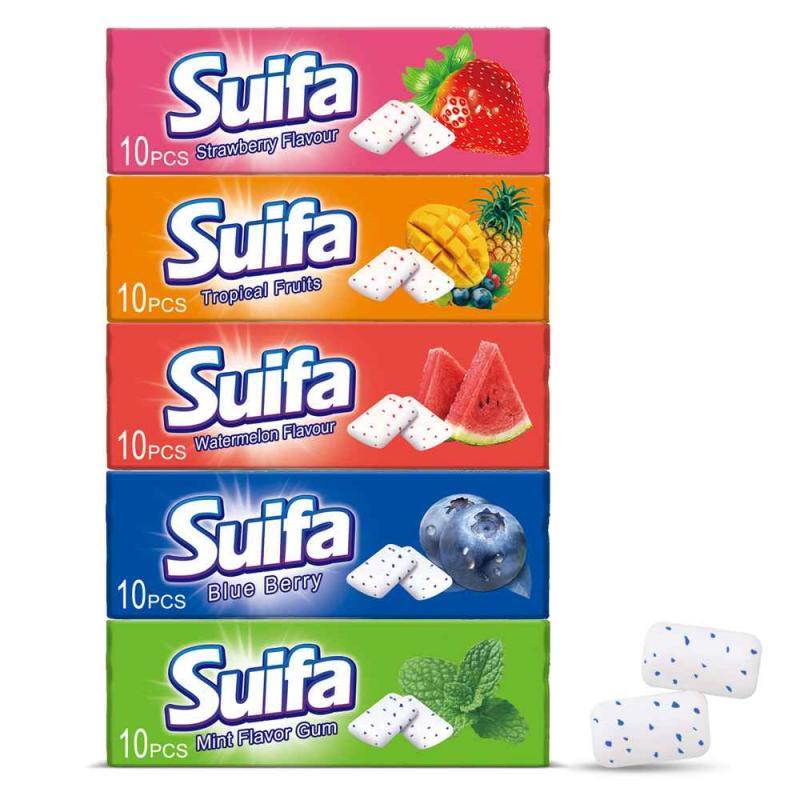
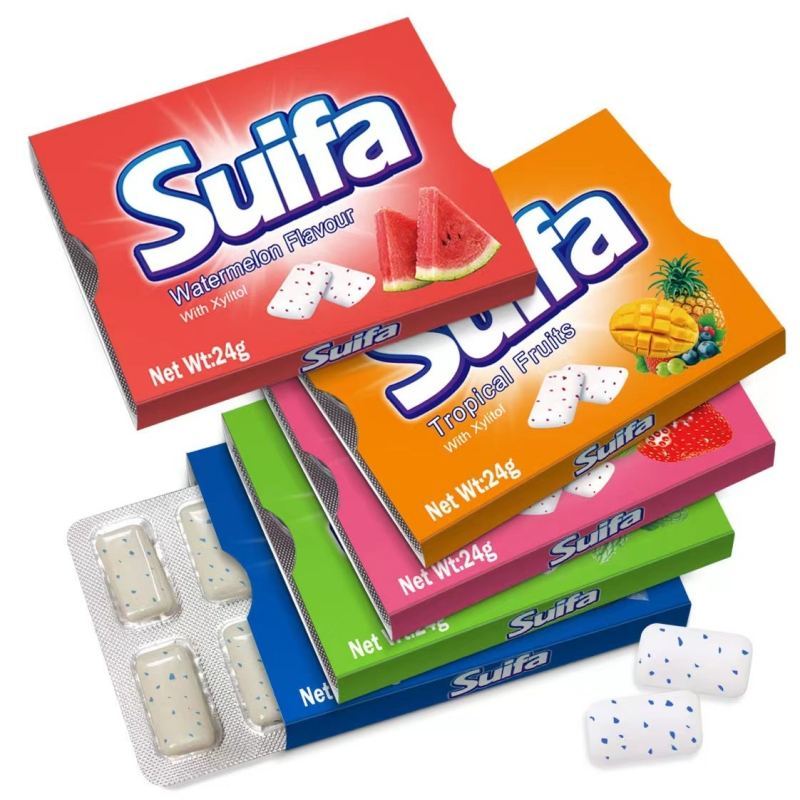
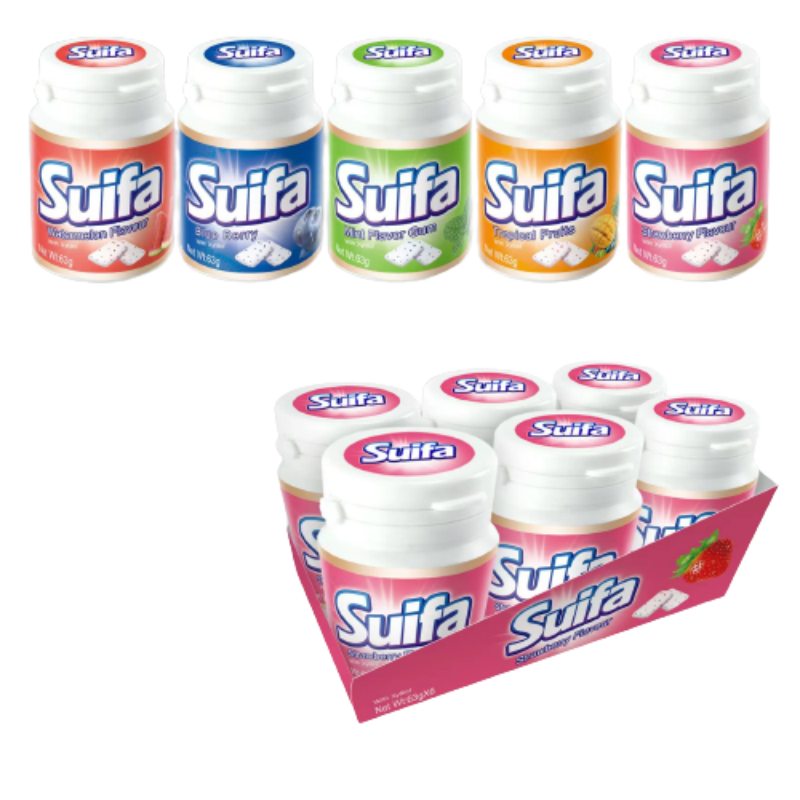
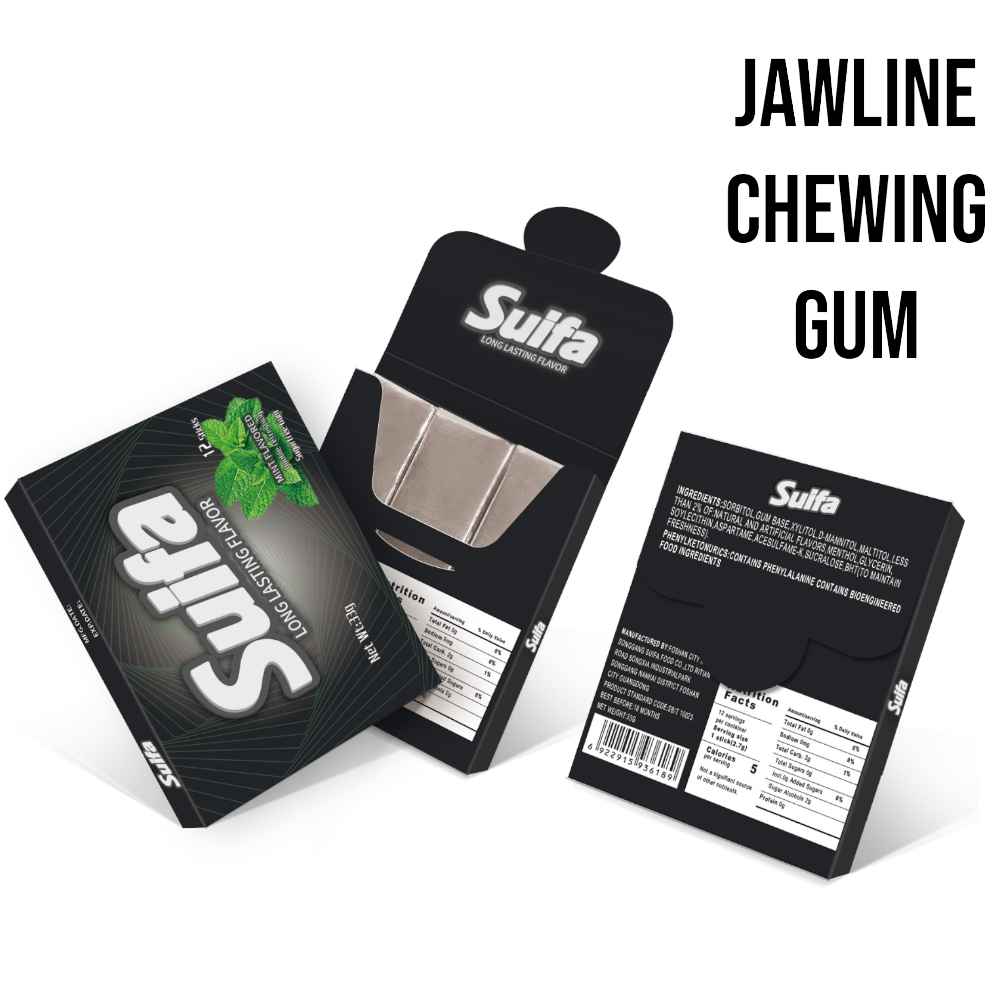
Bulk Healthy Natural Xylitol Sugar Free Tablet Chewing Gum
Detail

Checking Order
Quality Test Before Delivery
Check Items When Packing
Packaging And Transport
Send Inquiry Now!
Choose Suifa, Boost Your Candy and Gum Project!
Discover excellent gum and candy products at our factory. We create custom solutions for our customers. Join us for exclusive insights, customized products and partnerships. Leave your contact info we'll be back in touch within 12 hours!
Choose Suifa, take your bussiness to the next level!



Contact Us
WELCOME TO SUIFAFOOD YOUR TRUSTED MANUFACTURER OF GUM AND CANDY
Address: No.8 Ritian Road Songxia lndustrial AreaSonggang Nanhai, Foshan, Guangdong, China

