
What Types of Gum Should You Avoid?
2026-09-07
You pick up a pack of gum for fresh breath. It looks simple. It feels harmless.
But I’m Suifa, and as a chewing gum expert, I always check the back of the pack first. Some gum contains too much sugar, artificial colors, titanium dioxide, BHT, vague gum base, or overly aggressive sweeteners. If you chew often, those small choices can become a daily habit.
The types of gum I suggest avoiding are high-sugar gum, gum with unnecessary artificial colors, gum containing titanium dioxide, gum with BHT if you prefer fewer synthetic preservatives, very sticky gum if you have dental work, and gum with vague non-biodegradable gum base. Sugar-free gum can be better, but only when the ingredient list is clear and comfortable for your body.
I do not judge gum by the front label.
I judge it by ingredients, chew texture, dental impact, and transparency.
Let’s break it down.

Quick Answer: What Gum Should You Avoid?
I suggest avoiding gum that contains:
• Sugar or corn syrup as a main ingredient
• Artificial colors such as Red 40, Yellow 5, Yellow 6, or Blue 1
• Titanium dioxide
• BHT, if you prefer cleaner-label products
• Vague “gum base” with no explanation
• Very sticky texture if you have braces, crowns, bridges, dentures, or aligners
• Too many intense sweeteners in one formula
A better gum is usually sugar-free, simple, transparent, and comfortable to chew.

Gum Ingredients I Check First
| Ingredient or Label Term | Why I Pay Attention | My Expert View |
Sugar, glucose syrup, corn syrup | Frequent sugar exposure can increase tooth decay risk | I avoid these for daily chewing |
Aspartame | Approved by regulators, but some people prefer to avoid it | I read the full formula before deciding |
Sucralose | Very sweet and common in sugar-free products | I avoid it when I want a simpler gum |
BHT | Synthetic antioxidant preservative | I usually choose gum without it |
Titanium dioxide | Whitening additive with regulatory concerns in the EU | I avoid it |
Artificial colors | Mostly cosmetic, not functional | I avoid brightly colored gum |
Vague gum base | May include synthetic polymer materials | I prefer clear, plant-based, or biodegradable gum base |
Why Should We Care About Gum Ingredients?
Most people do not chew gum once.
They chew it after coffee. After lunch.Before meetings. While driving. At work.
That means gum ingredients stay in the mouth for a long time.
So I treat gum like a small food product.
Not just candy. Not just a breath freshener. Not just a quick habit.
A good gum formula should be useful, safe, transparent, and not overloaded with unnecessary additives.
When I review gum, I check five areas:
• Sweeteners
• Gum base
• Preservatives
• Colors
• Flavor system
If too many questionable ingredients appear together, I put the pack back.

Should You Avoid High-Sugar Gum?
Yes.
For regular chewing, I avoid high-sugar gum.
Sugar gum can taste fun and nostalgic. I understand that. Many classic gums use sugar because it gives fast sweetness and a familiar flavor.
But frequent sugar exposure is not ideal for teeth.
The American Dental Association explains that bacteria in the mouth feed on sugar and produce acids that can contribute to cavities.
The real problem is not one piece.
The real problem is repeated exposure.
If you chew sugary gum several times a day, your teeth keep meeting sugar again and again.
I avoid gum when these ingredients appear near the top:
• Sugar
• Corn syrup
• Glucose syrup
• Dextrose
• Fructose
• Sucrose
My rule is simple.
If sugar is one of the first ingredients, I do not choose it for daily chewing.
Is Sugar-Free Gum Always Better?
Not always.
Sugar-free gum can be better for teeth than sugary gum, especially after meals. The ADA notes that chewing sugarless gum can increase saliva flow, which helps wash away food particles and neutralize acids.
But “sugar-free” only tells us what is missing.
It does not tell us everything inside.
Some sugar-free gums contain:
• Aspartame
• Sucralose
• Acesulfame potassium
• Sorbitol
• Maltitol
• Artificial flavors
• Artificial colors
• BHT
I do not reject every sugar-free gum.
But I always read the full ingredient list.
A clean sugar-free gum is very different from a sugar-free gum packed with additives.
Should You Avoid Gum With Aspartame?
I do not automatically reject every gum with aspartame.
But for my own daily gum, I usually prefer a simpler formula.
Aspartame is an approved low-calorie sweetener used in many foods and gums. The U.S. Food and Drug Administration says aspartame is one of the most studied food additives in the human food supply.
Still, some people prefer to avoid it.
Common reasons include:
• Personal sensitivity
• Taste preference
• Desire for fewer artificial sweeteners
• Preference for cleaner-label gum
My expert view is practical.
If someone chews gum occasionally, aspartame may not be their biggest concern.
But if someone chews gum every day, I suggest choosing a formula they feel comfortable using long term.
For me, that usually means a shorter and clearer sweetener system.

Should You Avoid Gum With Sucralose?
I often avoid gum with sucralose when I want a clean daily chew.
Sucralose is permitted for use as a high-intensity sweetener, and it is widely used because it is very sweet. The FDA lists sucralose among high-intensity sweeteners used in food.
My concern is not panic.
My concern is formula style.
When I see sucralose combined with several other artificial sweeteners, colors, and preservatives, I see a product built mainly for intensity.
Not simplicity.
I prefer gum that tastes fresh without feeling chemical.
A good mint does not need to shout.
It only needs to work.
Should You Avoid Gum With BHT?
If you prefer cleaner-label products, I suggest avoiding gum with BHT.
BHT means butylated hydroxytoluene. It is a synthetic antioxidant used to help preserve freshness in some foods.
The FDA permits BHT for certain food uses under specific regulations.
I am not saying one piece of gum with BHT is automatically harmful.
I am saying this:
Gum does not need to be complicated.
If I can choose a gum without BHT, I usually do.
Especially if that same gum also contains artificial colors, vague gum base, and strong artificial sweeteners.
For daily chewing, I prefer fewer synthetic extras.
Should You Avoid Gum With Titanium Dioxide?
Yes.
I avoid gum with titanium dioxide.
Titanium dioxide has been used as a whitening additive in foods and confectionery. In 2021, the European Food Safety Authority concluded that titanium dioxide could no longer be considered safe as a food additive.
The European Commission later banned titanium dioxide as a food additive in the EU.
As Suifa, I always ask a simple question:
Why does gum need a whitening pigment?
Fresh breath does not require it. Good chew texture does not require it. Mint flavor does not require it.
So when I see titanium dioxide on a gum label, I choose another option.

Should You Avoid Gum With Artificial Colors?
I usually avoid gum with artificial colors.
Bright colors may look fun.
But they rarely improve the function of gum.
Gum does not need to be neon blue, bright red, or candy pink to freshen breath.
Common artificial color terms include:
• Red 40
• Yellow 5
• Yellow 6
• Blue 1
• Artificial color
• Color added
The FDA provides consumer information about color additives used in food.
My view is simple.
If the color is only there for appearance, I do not need it.
I prefer gum focused on freshness, flavor balance, and mouthfeel.
Not visual tricks.
What About Gum With Vague “Gum Base”?
This is one of the most overlooked issues.
Many gum labels simply say:
Gum base
That sounds harmless.
But gum base can include elastomers, resins, waxes, softeners, and fillers. Some conventional gum bases may contain synthetic polymer materials.
This matters because gum is usually not swallowed.
It is chewed and thrown away.
If discarded carelessly, gum can stick to sidewalks, roads, desks, and public spaces.
A paper in Scientific Reports discusses chewing gum residue and its polymeric composition.
I prefer brands that explain their gum base.
Better signs include:
• Plant-based gum base
• Chicle gum base
• Plastic-free gum
• Biodegradable gum
• Clear sustainability claims
If a brand gives me transparency, I trust it more.
If it hides behind vague wording, I trust it less.

Gum Types to Avoid vs. Better Alternatives
| Gum Type to Avoid | Main Concern | Better Choice |
High-sugar gum | Repeated sugar exposure may increase cavity risk | Sugar-free gum with a clear sweetener system |
Gum with titanium dioxide | Unnecessary whitening additive with EU safety concerns | Gum without whitening pigments |
Bright artificial-color gum | Cosmetic additives with no real chewing benefit | Color-free or naturally colored gum |
Gum with BHT | Synthetic preservative some consumers avoid | Gum with a simpler ingredient list |
Very sticky gum | May cling to braces, crowns, bridges, or dentures | Soft but non-sticky gum |
Gum with vague synthetic base | Transparency and environmental concerns | Plant-based or biodegradable gum |
Are Strong Mint Gums Bad?
Not always.
But I am careful with very intense mint gums.
Some mint gum feels fresh and balanced.
Some feels sharp, burning, and dry.
That usually comes from an aggressive flavor system.
A good mint gum should feel:
• Cool
• Fresh
• Smooth
• Comfortable
• Long-lasting without burning
If gum makes your tongue sting or your throat feel dry, I suggest avoiding it.
Strong does not always mean better.
Sometimes strong only means unbalanced.

What Gum Should Children Avoid?
For children, I am more careful.
I suggest avoiding:
• High-sugar bubble gum
• Gum with artificial colors
• Gum with very strong mint
• Gum marketed like candy
• Gum with unclear sweeteners
• Gum that is easy to swallow accidentally
Children are often attracted to packaging.
Bright colors. Cartoons. Big fruit flavors. Candy-style promises.
As a copywriter, I know how powerful that language can be.
As a gum expert, I tell parents this:
Do not let the front of the package make the decision.
Read the ingredient list.
Choose mild, simple gum only when the child is old enough to chew safely.
How I Read a Gum Label in 30 Seconds
Here is my personal method.
1. I check the first three ingredients
If I see sugar, corn syrup, or glucose syrup at the top, I avoid it for daily use.
2. I scan for sweeteners
I look for:
• Aspartame
• Sucralose
• Acesulfame potassium
• Xylitol
• Sorbitol
• Maltitol
Then I decide if the sweetener system fits my needs.
3. I check for additives
I look for:
• BHT
• Titanium dioxide
• Artificial colors
If all three appear, I put the gum back.
4. I check the gum base
If the brand says plant-based, chicle, biodegradable, or plastic-free, I pay closer attention.
5. I judge the flavor style
I prefer balanced mint, clear flavor descriptions, and natural mint oils when possible.
I avoid gum that tastes chemical or burns the mouth.

What Types of Gum Should You Choose Instead?
I prefer gum with:
• No sugar
• No titanium dioxide
• No artificial colors
• No BHT
• A clear gum base
• A balanced mint or fruit flavor
• A comfortable chew
• A simple ingredient list
I also like xylitol gum when it fits the person.
Xylitol is often used in sugar-free gum and has been studied for dental benefits. The American Academy of Pediatric Dentistry discusses xylitol and caries prevention in its policy resources.
But I still recommend moderation.
Too much sugar alcohol may upset the stomach for some people.
My advice is:
Choose better gum, chew mindfully, and read the label.
More Related Questions
Is Chewing Gum Every Day Bad?
Not always.
Daily chewing can be fine for many people if the gum is sugar-free, comfortable, and not irritating.
But I would not chew high-sugar gum every day.
I would also avoid gum that causes jaw discomfort, mouth irritation, or digestive upset.
Is Natural Gum Always Better?
No.
“Natural” is not enough.
A natural gum can still contain a lot of sugar.
A conventional gum can still be sugar-free and simple.
I always check the full ingredient list.
The formula matters more than the marketing word.
Is Xylitol Gum the Best Choice?
It can be a good choice.
Xylitol gum is popular because it is sugar-free and commonly linked with dental benefits.
But it is not perfect for everyone.
Some people may feel digestive discomfort if they consume too much.
What Is the Worst Type of Gum?
For me, the worst gum is one that combines:
• High sugar
• Artificial colors
• Titanium dioxide
• BHT
• Vague gum base
• Overpowering artificial flavor
That is too much for one small piece.
I would rather choose a simpler gum.
Is Biodegradable Gum Worth It?
In my opinion, yes.
If you chew gum often, biodegradable or plant-based gum is worth considering.
It supports better transparency.
It may also reduce the environmental impact of discarded gum.
I like gum brands that tell me what their gum base is made from.
That honesty matters.
Conclusion
I avoid gum with excess sugar, titanium dioxide, artificial colors, BHT, vague gum base, and overly sticky texture. My expert rule is simple: read the back label, not the front promise. Better gum should freshen breath without unnecessary ingredients.
Suifa news
How is Bubble Gum Made in the Factory?
2023-05-24
How Hard Candy is Made in the Factory?
2024-02-28
Get An Instant Quotation
Recommended Products
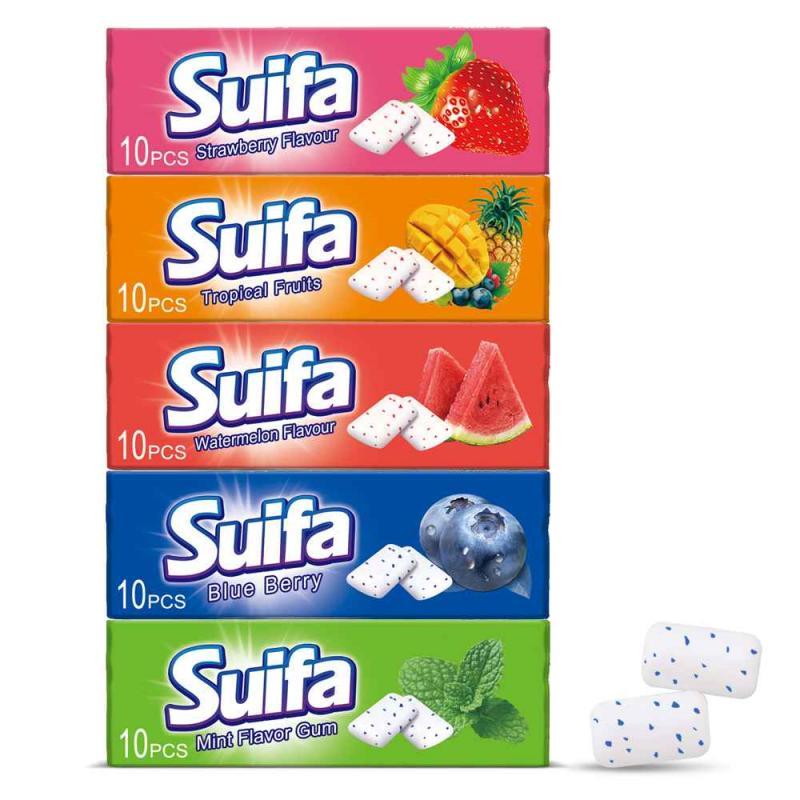
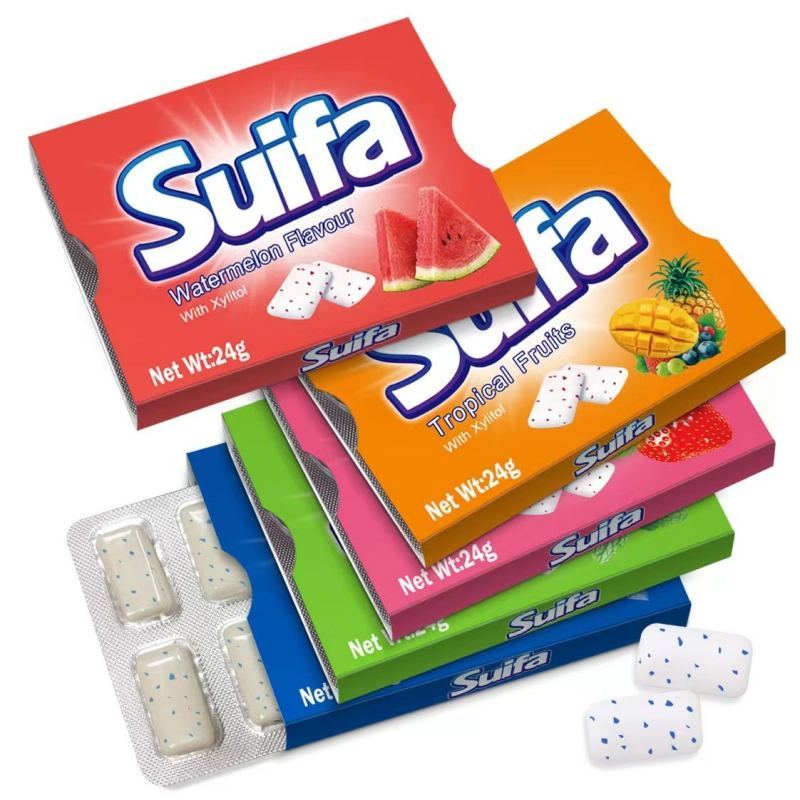
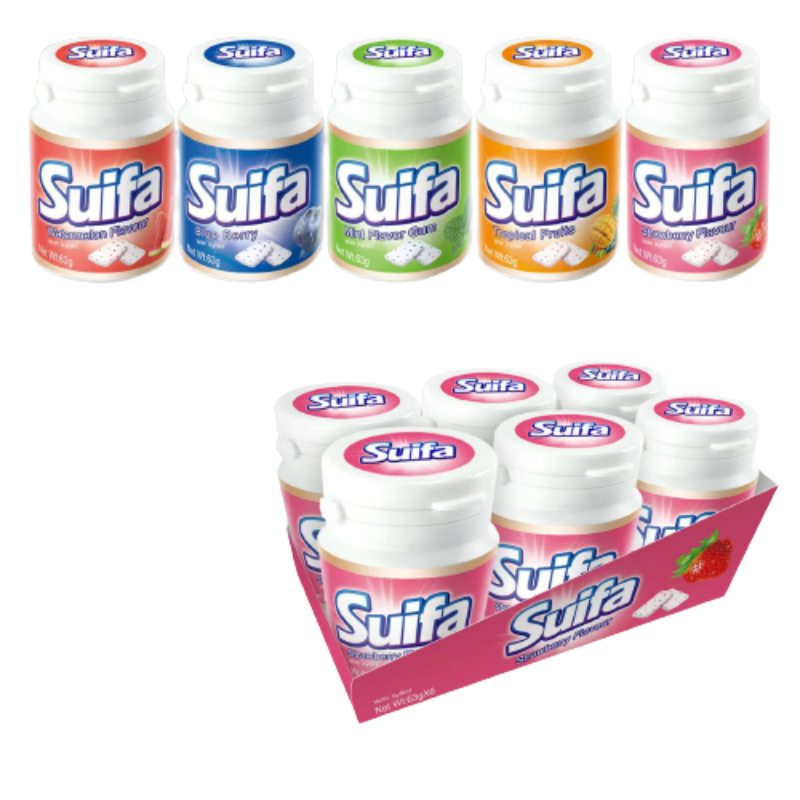
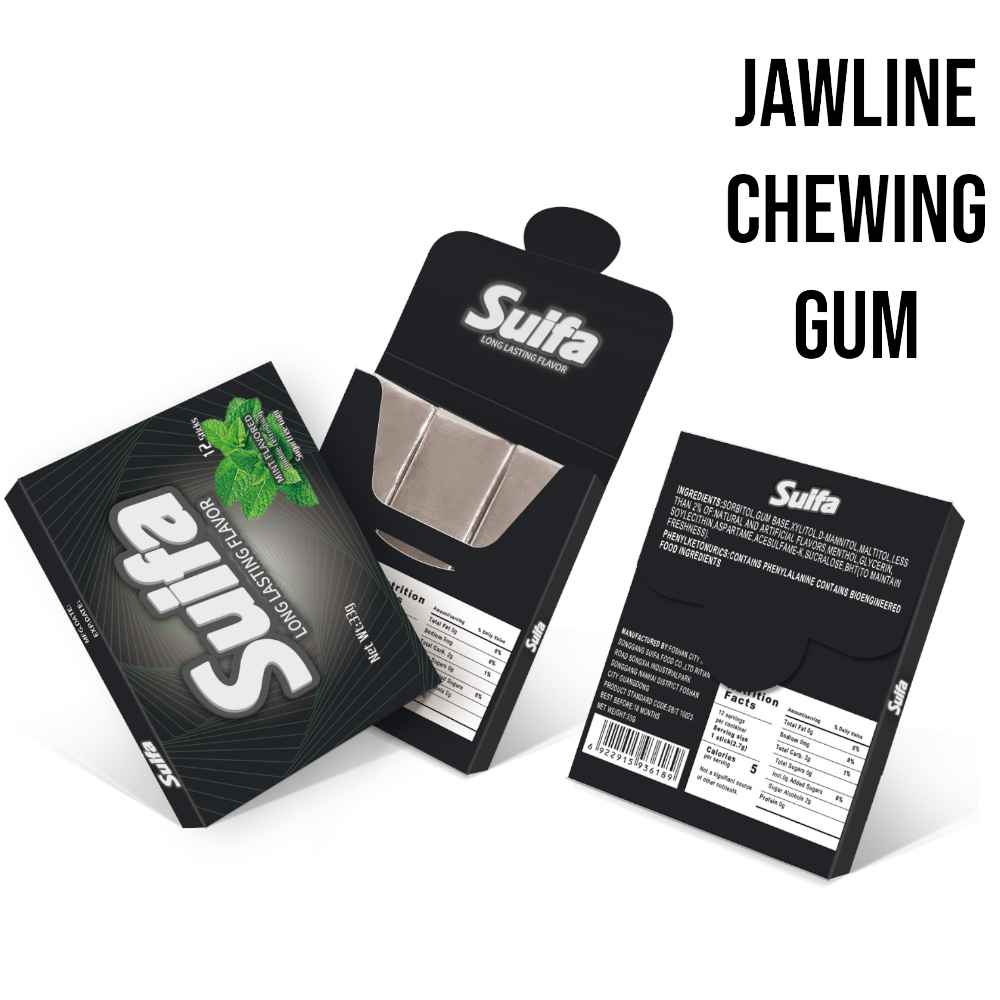
Bulk Healthy Natural Xylitol Sugar Free Tablet Chewing Gum
Detail

Checking Order
Quality Test Before Delivery
Check Items When Packing
Packaging And Transport
Send Inquiry Now!
Choose Suifa, Boost Your Candy and Gum Project!
Discover excellent gum and candy products at our factory. We create custom solutions for our customers. Join us for exclusive insights, customized products and partnerships. Leave your contact info we'll be back in touch within 12 hours!
Choose Suifa, take your bussiness to the next level!



Contact Us
WELCOME TO SUIFAFOOD YOUR TRUSTED MANUFACTURER OF GUM AND CANDY
Address: No.8 Ritian Road Songxia lndustrial AreaSonggang Nanhai, Foshan, Guangdong, China

