
What Are The Contents of Chewing Gum?
2025-06-26
What Are The Contents of Chewing Gum?
Every time you unwrap a piece of chewing gum, you're about to consume a carefully crafted blend of ingredients. Yet most consumers remain in the dark about what exactly they're putting in their mouths. As someone who has spent years analyzing the chewing gum industry, I've witnessed firsthand how ingredient confusion creates unnecessary anxiety among health-conscious consumers.
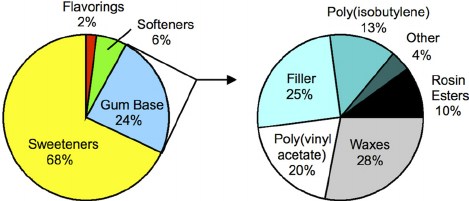
Chewing gum contains four core components: gum base (20-30%), sweeteners, softeners like glycerin, and flavoring agents. The gum base provides chewability through synthetic elastomers or natural resins, while sweeteners range from traditional sugar to sugar-free alternatives like xylitol. Additional ingredients may include functional additives, preservatives, and specialty components depending on the gum's intended purpose - whether it's for dental health, nicotine replacement, or simply fresh breath.
This lack of transparency becomes particularly concerning when you consider that the average American chews over 280 sticks of gum annually. Without understanding what's inside, how can you make informed choices about your health and dietary preferences? The mystery deepens when you realize that manufacturers aren't required to disclose the specific components of their "gum base" - often the largest ingredient by weight.
Today, I'll provide you with a comprehensive breakdown of chewing gum ingredients, explaining not just what's inside, but why each component matters for your health and satisfaction. By the end of this article, you'll have the knowledge to confidently navigate gum aisles and choose products that align with your personal values and dietary needs.
Why Understanding Ingredients Matters
As a chewing gum industry expert, I've observed how ingredient awareness directly impacts consumer satisfaction and health outcomes. When you understand what you're consuming, you can better align your choices with dietary restrictions, health goals, and personal preferences.
The chewing gum market has evolved dramatically over the past decade. We've seen the emergence of natural and organic alternatives, increased demand for sugar-free options, and growing consumer activism around ingredient transparency. This shift reflects a broader trend toward conscious consumption that I believe will continue shaping our industry.
Core Components
Every piece of chewing gum contains four fundamental components that determine its texture, taste, and performance.
1. Gum Base (Natural vs Synthetic Resins)
The gum base is the foundation that gives gum its chewable texture, typically comprising 20-30% of the product.
Key characteristics of gum base:
• Traditional sources: Natural chicle from sapodilla trees used by indigenous peoples
• Modern alternatives: Synthetic materials for consistency and cost-effectiveness
• Main components:
Elastomers (like polyisobutylene)
Resins (such as polyvinyl acetate)
Waxes (paraffin or microcrystalline wax)
Emulsifiers • Trade secrets: Manufacturers guard formulations under
2. Sweeteners (Sugar vs Sugar-Free Alternatives)
Sweeteners can comprise up to 60% of traditional gum's weight, with sugar-free alternatives dominating today's market.
Sweetener categories include:
• Traditional sugar options:
Sucrose
Dextrose
Corn syrup
• Sugar-free alternatives:
Sugar alcohols (xylitol, sorbitol, mannitol)
Xylitol offers cavity-fighting properties
Excessive sugar alcohol consumption can cause digestive issues
• Artificial sweeteners:
Aspartame
Sucralose
Acesulfame potassium
Provide intense sweetness without calories
3. Softeners (Glycerin, Vegetable Oil)
Softeners maintain gum flexibility and prevent hardening, typically comprising 1-3% of the final product.
Common softeners:
• Glycerin: Most common, derived from vegetable sources
• Vegetable oils: Non-hydrogenated varieties preferred
• Function: Keep gum pliable during storage
• Industry trend: Moving away from trans fats toward healthier alternatives
4. Flavors (Natural and Artificial)
Flavoring agents create the taste experience that drives consumer preference, though they represent less than 2% of the product.
Flavor characteristics:
• Natural flavors: Derived from plant/animal sources but heavily processed
• Artificial flavors: Chemically synthesized, often more consistent
• Popular categories:
Mint varieties (peppermint, spearmint, wintergreen)
Fruit flavors (strawberry, apple, watermelon)
Unique options (cinnamon, licorice)
Specialty Ingredients
Modern chewing gum formulations increasingly incorporate functional additives that extend beyond basic chewing satisfaction.
🔺Functional Additives (Whitening Agents, Vitamins)
The functional gum market targets specific health and wellness goals through specialized ingredients.
Types of functional additives:
• Whitening agents:
Mild abrasives or enzymes
Modest effectiveness results
Appeal to convenient oral care seekers
• Vitamin enhancements:
Vitamin C, B-complex vitamins
Caffeine additions
Bioavailability through gum consumption still under research
🔺Nicotine Gum Ingredients
Medical-grade nicotine gums require specialized formulations optimized for controlled drug delivery rather than taste.
Nicotine gum specifics:
• Pharmaceutical-grade nicotine resin complexes
• Gradual medication release during chewing
• Specialized gum base different from recreational varieties
• Additional ingredients like sodium carbonate for absorption optimization
🔺Natural/Organic Gum Alternatives
Natural gum brands emphasize cleaner ingredient profiles and sustainable sourcing practices.
Natural gum features:
• Chicle or other natural gum bases
• Organic sweeteners (raw cane sugar, stevia)
• Natural flavor extracts
• Biodegradable formulations
• Address environmental disposal concerns
Safety & Regulations
Understanding the regulatory landscape helps consumers make informed decisions about gum consumption.

✅FDA-Approved Ingredients
All chewing gum ingredients must receive FDA approval, providing basic consumer safety protection.
The agency maintains a list of Generally Recognized as Safe (GRAS) substances that includes commonly used gum ingredients. This regulatory framework ensures individual ingredient safety, though the long-term effects of specific combinations aren't always extensively studied.
✅Controversial Ingredients to Watch For
Several FDA-approved ingredients have generated consumer concern despite their legal status.
BHT (butylated hydroxytoluene) serves as an antioxidant preservative but has faced scrutiny due to animal study concerns. Titanium dioxide, used for whitening, has faced increased regulatory scrutiny in Europe, though it remains approved in the US.
✅Allergen Information
Common gum allergens include soy lecithin and potential cross-contamination with nuts or dairy products.
Always check labels if you have severe food allergies. Some manufacturing facilities process multiple products, creating cross-contamination risks that sensitive individuals should consider.
Consumer Guidance
Armed with ingredient knowledge, consumers can make more informed purchasing decisions.
How to Read Gum Labels
Ingredients appear in descending order by weight, with gum base and sweeteners typically listed first.
Label reading tips:
• Gum base and sweeteners typically appear first
• Look for specific sweetener types if dietary restrictions apply
• Premium brands often provide more detailed information
• Check allergen disclosure statements
• Budget vs. premium options vary in transparency
Choosing Based on Dietary Needs
Match your gum choice to your specific health goals and dietary requirements.
Dietary considerations:
• Sugar-free options: Benefit diabetics and low-carb dieters
• Natural brands: Appeal to clean ingredient seekers
• Functional gums: Target specific health goals
• Cost vs. benefits: Consider priorities when choosing
Environmental Considerations
Traditional gum base isn't biodegradable, but eco-friendly alternatives are increasingly available.
Environmental factors:
• Traditional gum base creates waste issues
• Biodegradable formulations available
• Natural chicle-based products as alternatives
• Proper disposal important regardless of type
Are Chewing Gum Ingredients Safe?
Yes, FDA-approved chewing gum ingredients are generally safe for most consumers when consumed in normal quantities.
Based on my years of industry experience, occasional gum chewing poses minimal risk. However, excessive consumption can lead to issues - sugar alcohols in large amounts can cause digestive upset, and some individuals may be sensitive to specific artificial ingredients.
I always recommend moderation and awareness of your body's responses. If you experience adverse reactions, consider whether specific ingredients might be responsible and consult healthcare professionals if concerns persist.
Why Don't Ingredient Lists Show Gum Base Details?
The FDA allows manufacturers to list "gum base" without disclosing specific components, treating these formulations as trade secrets.
This practice protects business innovations but leaves consumers without complete ingredient information. From my industry perspective, this transparency challenge is beginning to change as consumer demand increases.
Some manufacturers have already begun voluntarily disclosing more gum base details, and I expect this trend to continue as transparency becomes a competitive advantage.
Conclusion
Understanding chewing gum ingredients empowers you to make informed choices aligned with your health goals and personal values.
The key insight from my years in this industry is that knowledge leads to better decisions. Whether you prioritize natural ingredients, specific health benefits, or want to avoid certain additives, understanding your gum's contents helps you select products that truly meet your needs.
Suifa news
How is Bubble Gum Made in the Factory?
2023-05-24
How Hard Candy is Made in the Factory?
2024-02-28
Get An Instant Quotation
Recommended Products
Bulk Healthy Natural Xylitol Sugar Free Tablet Chewing Gum
Detail

Checking Order
Quality Test Before Delivery
Check Items When Packing
Packaging And Transport
Send Inquiry Now!
Choose Suifa, Boost Your Candy and Gum Project!
Discover excellent gum and candy products at our factory. We create custom solutions for our customers. Join us for exclusive insights, customized products and partnerships. Leave your contact info we'll be back in touch within 12 hours!
Choose Suifa, take your bussiness to the next level!



Contact Us
WELCOME TO SUIFAFOOD YOUR TRUSTED MANUFACTURER OF GUM AND CANDY
Address: No.8 Ritian Road Songxia lndustrial AreaSonggang Nanhai, Foshan, Guangdong, China

