
What Is the Best Sweetener for Sugar-Free Chewing Gum?
2026-10-09

If you chew sugar-free gum, you probably want fresh breath, pleasant sweetness, and better oral-health support without consuming sugar. But when you read a gum label, the ingredient list can feel confusing. You may see xylitol, sorbitol, maltitol, erythritol, isomalt, stevia, or aspartame—and each one affects the gum differently.
The best overall sweetener for sugar-free chewing gum is usually xylitol. It offers a clean, cool, sugar-like taste, works especially well in mint flavors, and is strongly associated with dental-friendly gum. However, xylitol is not the only useful option. Erythritol, sorbitol, maltitol, and isomalt all have specific advantages depending on taste, texture, cost, and digestive tolerance.
Choosing the right sweetener is not just about sweetness. In chewing gum, the sweetener also affects the first bite, chew texture, flavor release, freshness, and consumer experience.
Quick Answer: Which Sweetener Is Best?
Xylitol is the best all-around sweetener for sugar-free chewing gum.
It has a pleasant sweetness, a cooling effect, and a strong oral-care reputation. The American Dental Association notes that chewing sugar-free gum can help stimulate saliva flow, which supports oral health after meals. You can read more from the ADA here: Chewing Gum and Oral Health.
That said, xylitol has trade-offs. It can be more expensive than sorbitol, and consuming too much may cause digestive discomfort in some people.
So the most practical answer is:
Use xylitol as the main sweetener for premium gum, and combine it with erythritol, sorbitol, maltitol, or isomalt depending on the product goal.

Key Takeaways
• Best overall sweetener: Xylitol
• Best for clean taste and tolerability: Erythritol
• Best low-cost option: Sorbitol
• Best for smooth sweetness: Maltitol
• Best for texture stability: Isomalt
• Best natural-positioned booster: Stevia
• Best low-cost high-intensity booster: Aspartame
What Makes a Sweetener Good for Sugar-Free Gum?
A chewing gum sweetener must do more than replace sugar. Gum stays in the mouth for a long time, so the sweetener must perform throughout the chewing experience.

The main factors are:
• Taste: The sweetener should taste clean, pleasant, and not overly artificial.
• Texture: It should support a smooth, elastic, and enjoyable chew.
• Cost: Some sweeteners are affordable for mass-market gum, while others are better for premium products.
• Tolerability: Many gum sweeteners are sugar alcohols, also known as polyols. These can cause bloating or laxative effects if consumed in large amounts. Mayo Clinic explains more about sugar alcohols and sugar substitutes here: Artificial Sweeteners and Sugar Substitutes.
Sweetener Comparison for Sugar-Free Chewing Gum

Why Is Xylitol the Best Sweetener for Sugar-Free Gum?
Xylitol offers the strongest balance of taste, freshness, and dental-friendly positioning.
It tastes closer to sugar than many alternatives and gives a cooling sensation that works especially well in peppermint, spearmint, wintergreen, and fresh-breath gums.
Xylitol is also popular because it fits naturally into an oral-care message. Many consumers already connect xylitol gum with teeth-friendly benefits.
The main disadvantage is cost. Xylitol is usually more expensive than sorbitol, so some brands blend it with other sweeteners to control price.

Is Erythritol a Good Sweetener for Gum?
Yes. Erythritol is one of the best sweeteners for clean taste and digestive comfort.
It has a mild sweetness and a light cooling effect. It does not taste as strong as xylitol, but it has a very clean profile. Erythritol is often used in wellness-focused or premium sugar-free products.
The downside is that erythritol is less sweet than sugar and may feel slightly dry if used alone. It also tends to cost more than sorbitol or maltitol.
Best use: Combine erythritol with xylitol for a clean, fresh, premium gum formula.

What Is Sorbitol in Chewing Gum?
Sorbitol is one of the most common sweeteners in sugar-free gum.
It is affordable, stable, and useful for creating a soft chew. It is less sweet than xylitol and does not provide the same fresh cooling effect, but it helps brands produce gum at a lower cost.
Sorbitol’s main weakness is digestive tolerance. Like many sugar alcohols, it may cause bloating or discomfort if consumed in large amounts.
Best use: Budget-friendly gum where cost and chew softness matter.
What Is Maltitol in Chewing Gum?
Maltitol is a sugar alcohol known for smooth, sugar-like sweetness.
It is commonly used in sugar-free candies because it gives body and sweetness. In chewing gum, maltitol can make the first chew feel smooth and rounded.
Compared with erythritol, maltitol tastes fuller and less cooling. Compared with sorbitol, it often tastes more sugar-like.
However, maltitol can cause digestive discomfort for some people, especially if consumed in larger quantities.
Best use: Gum formulas that need smooth sweetness and a candy-like mouthfeel.
What Is Isomalt in Chewing Gum?
Isomalt is a mild sugar alcohol used mainly for texture, stability, and structure.
It is not as sweet as xylitol or maltitol, so it is usually not the main sweetener. Instead, it works well as a support ingredient in blended formulas.
Isomalt helps gum maintain a stable, smooth, and firm chew. It is especially useful when a brand wants a controlled texture without overwhelming sweetness.
Best use: Texture support in blended sugar-free gum formulas.

What About Aspartame?
Aspartame is a high-intensity sweetener, meaning a very small amount creates strong sweetness. It does not provide bulk or chew texture, so it is usually used as a sweetness booster.
The FDA provides information on aspartame and other sweeteners here: Aspartame and Other Sweeteners in Food.
Aspartame is useful for long-lasting sweetness, but it does not create the same premium or natural image as xylitol or erythritol.
Some consumers also prefer to avoid it because of its artificial reputation.
What About Stevia?
Stevia is popular because it has a natural image.
It comes from the stevia plant and is much sweeter than sugar. However, in chewing gum, stevia can be difficult to use well. Because gum stays in the mouth for a long time, stevia’s herbal, licorice-like, or bitter aftertaste may become noticeable.
Stevia works best in small amounts and is often better when combined with erythritol or xylitol.
Best use: Natural-positioned gum where the formula can control aftertaste.
Trade-Off Table: Which Sweetener Should You Choose?
| Product Goal | Best Sweetener Choice | Why It Works | Main Trade-Off |
Best overall sugar-free gum | Xylitol | Great taste, cooling effect, dental-friendly image | Higher cost |
Cleanest taste | Xylitol + erythritol | Fresh, clean, modern profile | More expensive |
Lowest-cost gum | Sorbitol + aspartame | Affordable and effective sweetness | Less premium image |
Smoothest sweetness | Maltitol blend | Rounded, sugar-like taste | Tolerability concerns |
Best texture stability | Isomalt blend | Smooth, firm, stable chew | Mild sweetness |
Natural-positioned gum | Stevia + erythritol | Natural appeal and clean taste | Aftertaste risk |
Long-lasting sweetness | Polyol + high-intensity sweetener blend | Better sweetness over time | More complex label |

Best Sweetener Blend for Premium Sugar-Free Gum
If I were creating a premium sugar-free chewing gum, I would not rely on one sweetener only.
The best formula direction would be:
• Xylitol as the lead sweetener
• Erythritol for clean taste and better tolerability
• Isomalt or sorbitol for texture control
• A small amount of stevia or aspartame if longer sweetness is needed
This creates a better chewing experience from start to finish.
The first bite tastes sweet. The middle chew stays fresh. The final chew does not become too bitter or flat.
Are Sugar-Free Gum Sweeteners Safe?
In general, approved sweeteners used in foods have been reviewed by food safety authorities.
Reliable references include:
• FDA: Aspartame and Other Sweeteners in Food
• EFSA: Sweeteners
• Mayo Clinic: Artificial Sweeteners and Sugar Substitutes
• ADA: Chewing Gum and Oral Health
However, personal tolerance matters. Some people can chew sugar-free gum all day without problems. Others may experience bloating from sugar alcohols.
If you have a sensitive stomach, erythritol or moderate xylitol use may be a better choice.
Does Sugar-Free Gum Help Oral Health?
Sugar-free gum can support oral health by stimulating saliva flow.
Saliva helps wash away food particles and acids after eating. This is why chewing sugar-free gum after meals can be a helpful habit.
However, gum is not a replacement for brushing, flossing, or dental visits.
Think of sugar-free gum as a support tool—not a complete oral-care routine.

Best Sweetener by Consumer Need
If you want the best overall taste
Choose xylitol.
It is sweet, cool, and refreshing.
If you want better digestive comfort
Choose erythritol or an erythritol blend.
It is usually well tolerated.
If you want a lower price
Choose gum with sorbitol.
It helps keep products affordable.
If you want smooth sweetness
Look for maltitol.
It gives a rounded, sugar-like flavor.
If you want stable texture
Look for isomalt.
It supports firmness and chew quality.
If you want a natural sweetener
Try stevia, but check whether you like the aftertaste.
──────────────────────────────────────────────────
More Related Questions
Is xylitol better than sorbitol in chewing gum?
Yes, xylitol is usually better for taste, freshness, and dental-friendly positioning. Sorbitol is better for cost and soft texture.
Is erythritol better than maltitol?
Erythritol is usually better for tolerability. Maltitol may be better for smooth, sugar-like sweetness.
Is isomalt sweet enough for gum?
Usually not by itself. Isomalt works better as a support sweetener for texture and stability.
Should I avoid aspartame in gum?
Not necessarily. Aspartame is approved for use in foods, but some consumers dislike its artificial image. If you prefer a cleaner label, choose xylitol, erythritol, or stevia blends.
Is stevia good in chewing gum?
Stevia can work, but it must be blended carefully. Too much stevia can create a bitter or herbal aftertaste.
──────────────────────────────────────────────────
Conclusion
Xylitol is the best overall sweetener for sugar-free chewing gum because it offers clean sweetness, freshness, and strong oral-care appeal. For the best formula, combine xylitol with erythritol, then use isomalt, sorbitol, or maltitol to balance texture, cost, and tolerability.
Suifa news
How is Bubble Gum Made in the Factory?
2023-05-24
How Hard Candy is Made in the Factory?
2024-02-28
Get An Instant Quotation
Recommended Products
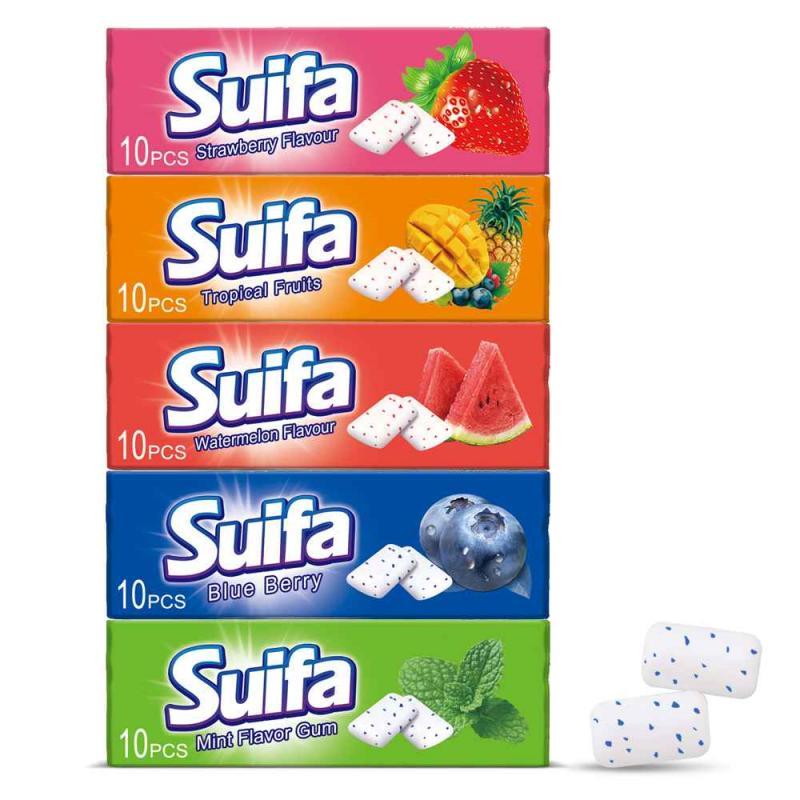
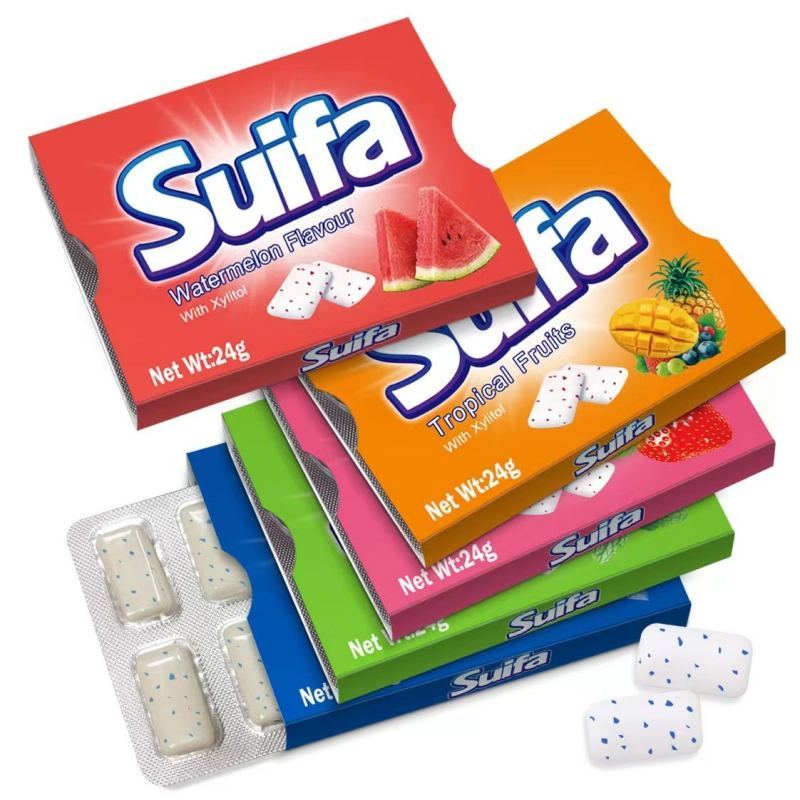
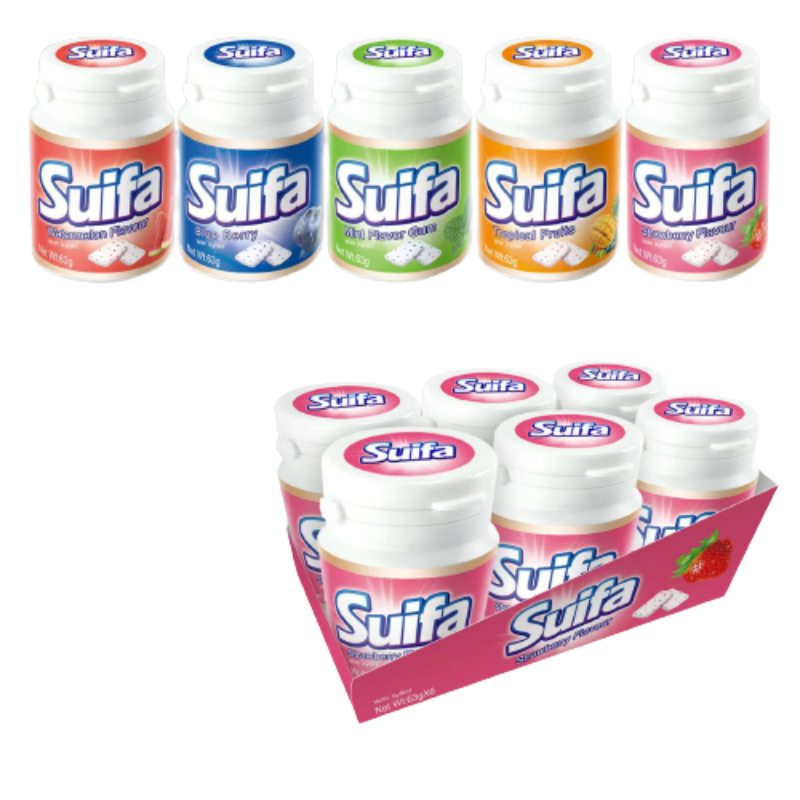
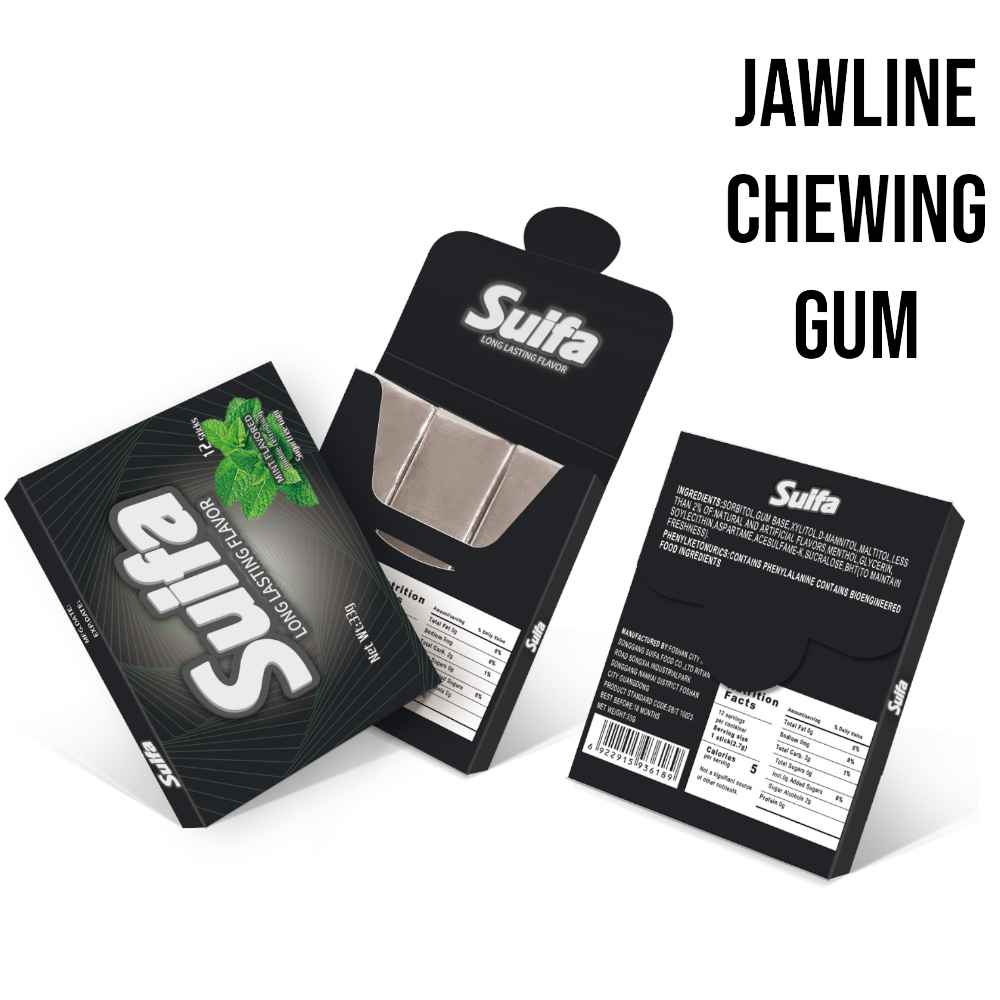
Bulk Healthy Natural Xylitol Sugar Free Tablet Chewing Gum
Detail

Checking Order
Quality Test Before Delivery
Check Items When Packing
Packaging And Transport
Send Inquiry Now!
Choose Suifa, Boost Your Candy and Gum Project!
Discover excellent gum and candy products at our factory. We create custom solutions for our customers. Join us for exclusive insights, customized products and partnerships. Leave your contact info we'll be back in touch within 12 hours!
Choose Suifa, take your bussiness to the next level!



Contact Us
WELCOME TO SUIFAFOOD YOUR TRUSTED MANUFACTURER OF GUM AND CANDY
Address: No.8 Ritian Road Songxia lndustrial AreaSonggang Nanhai, Foshan, Guangdong, China

