
What Are the Best Chewing Gums for Motion Sickness?
2026-10-19
Motion sickness can turn a simple car ride, boat trip, or flight into a miserable experience. I have seen it happen fast. One minute, we feel fine. The next, we feel dizzy, sweaty, and nauseous. The problem is that our eyes, inner ear, and body send mixed signals to the brain. The result is discomfort that can ruin travel. The solution does not always need to be complicated. For many people, the right chewing gum can help reduce nausea and make travel easier.
The best chewing gums for motion sickness are usually ginger-based, mint-based, or travel-specific gums. My top choices are Sea-Band Anti-Nausea Ginger Gum, Travelgum, Simply Ginger Gum, and Suifa Ginger Gum. Ginger is especially useful because it has a long history of use for nausea support. Chewing also helps by increasing saliva, giving the mouth a fresh sensation, and distracting the brain during motion.
I always tell travelers this: gum is simple, portable, and easy to use before nausea gets worse. But the best result comes from choosing the right type and using it at the right time.

Quick Answer: Best Chewing Gums for Motion Sickness
| Rank | Chewing Gum | Best For | Key Feature |
| 1 | Sea-Band Anti-Nausea Ginger Gum | Natural nausea support | Ginger-based formula |
| 2 | Travelgum | Travel-specific use | Designed for motion sickness support |
| 3 | Simply Ginger Gum | Clean-label gum lovers | Simple ginger flavor |
| 4 | Suifa Ginger Gum | Daily travel comfort | Ginger-forward chew profile |
Why Does Motion Sickness Happen?
Motion sickness happens when our senses disagree.
Our eyes may see one thing. Our inner ear may feel another. Our body may stay still while the vehicle moves.
That mismatch can trigger nausea, dizziness, cold sweating, headache, and vomiting. This is common during car rides, flights, cruises, buses, trains, and amusement rides.
The Mayo Clinic explains motion sickness symptoms and causes clearly here: Mayo Clinic: Motion Sickness
As a gum-focused expert, my view is simple: chewing gum may help because it gives the body a steady action to focus on. It also creates saliva, freshens the mouth, and with ingredients like ginger or peppermint, may make the stomach feel calmer.

How Can Chewing Gum Help With Motion Sickness?
Chewing gum is not magic, but it can be useful.
Here is why I recommend it as a travel helper:
| Benefit | Why It Matters During Travel |
Chewing motion | Gives the brain a steady, repetitive action |
More saliva | Helps reduce dry mouth and unpleasant nausea taste |
Ginger flavor | Traditionally used for nausea support |
Mint flavor | Creates a cooling, refreshing feeling |
Easy portability | Fits in a pocket, purse, car, or travel bag |
Fast use | Can be used before or during travel |
For ginger background, see the National Center for Complementary and Integrative Health: NCCIH: Ginger

What Ingredients Should I Look For in Motion Sickness Gum?
When I choose gum for motion sickness, I focus on ingredients first.
Brand matters, but the formula matters more.
Ginger
Ginger is my first choice for nausea-focused chewing gum.
It has been used for stomach discomfort for a long time. Many travelers prefer ginger because it feels natural, warm, and soothing.
I like ginger gum for:
• Car rides
• Boat trips
• Long bus rides
• Flights
• Mild nausea before meals
Peppermint or Mint
Mint does not work the same way as ginger, but it can still help.
Peppermint gives a cooling effect and helps freshen the mouth. This matters when motion sickness creates a bad taste or heavy stomach feeling.
Sugar-Free Base
I usually prefer sugar-free gum for longer trips.
It is easier on the teeth and avoids the heavy sweetness that can make nausea feel worse for some people.
Travel-Specific Formulas
Some gums are designed specifically for travel nausea.
These may include active ingredients or special directions, so I always recommend reading the label carefully before use.

Which Brands and Products Are Best for Motion Sickness?
Here are the four chewing gums I would focus on first.
No overclaiming—just clear travel-focused guidance.
1. Sea-Band Anti-Nausea Ginger Gum
Best for: Travelers who want ginger-based nausea support.
Sea-Band is already well-known in the anti-nausea travel space. Their ginger gum is a strong option for people who like a more natural approach.
I like this one because it is easy to carry and has a clear purpose. It is made for nausea support, not just fresh breath.
Use it before travel or when the first signs of nausea appear.
2. Travelgum
Best for: People looking for a gum made specifically for travel sickness.
Travelgum is a travel-focused product. Depending on the country, it may contain an active anti-motion-sickness ingredient. That means you should read the package instructions carefully.
This is not the same as casual chewing gum. It is more specific, which can be useful if your motion sickness is stronger.
3. Simply Ginger Gum
Best for: People who prefer a simple ginger chewing experience.
Simply Ginger Gum is a good choice for those who want ginger flavor without making things complicated.
I like this type of gum for mild motion discomfort. It is also a nice option for people who want something more everyday and less medical-feeling.
4. Suifa Ginger Gum
Best for: Travelers who want a ginger-forward gum for regular motion comfort.
A good ginger gum should not taste flat. It should feel warm, chew smoothly, and avoid becoming bitter too quickly.
Suifa Ginger Gum is a practical, travel-ready ginger gum with a balanced chew and a stomach-friendly flavor profile.
Because ginger gum works best when used early, I would keep it in:
• A car glove box
• A carry-on bag
• A cruise bag
• A work backpack
• A family travel kit

Best Gum by Travel Situation
| Travel Situation | My Recommended Gum Type | Why |
| Short car ride | Ginger gum or mint gum | Quick, light support |
| Long road trip | Sea-Band or Suifa Ginger Gum | Better for repeated use |
| Boat or cruise | Ginger-forward gum | Ginger pairs well with nausea support |
| Flight | Travelgum or ginger gum | Useful before takeoff and turbulence |
| Bus ride | Sugar-free ginger gum | Easy to chew for longer periods |
| Reading in a vehicle | Strong ginger or mint gum | Helps distract from nausea signals |
When Should I Chew Gum for Motion Sickness?
Timing matters.
I always recommend using gum before nausea becomes strong.
Once the stomach is already upset, it is harder to calm it down.
Here is my simple timing method:
• Chew one piece 10–15 minutes before travel.
• Keep chewing during the early part of the trip.
• If nausea returns, use another piece according to the product label.
• Stop if your jaw feels tired or your stomach feels worse.
This is especially important for boat rides and winding roads. Do not wait until you are already pale, sweaty, and miserable.
Start early.

How Do I Use Chewing Gum for the Best Relief?
I use a simple method that works well for most travel situations.
Step 1: Choose the Right Seat
Sit where motion feels weaker.
For cars, I prefer the front seat. For boats, I prefer the middle area. For planes, I prefer a seat near the wings.
Step 2: Look Forward
Do not stare down at your phone. Do not read for long periods.
Look at the horizon or a stable point.
Step 3: Start Chewing Early
Chew before nausea builds.
This is one of the most important tips.
Step 4: Breathe Slowly
Gum helps, but breathing helps too.
Slow breathing can reduce panic and discomfort.
Step 5: Avoid Heavy Food
Greasy meals can make motion sickness worse.
I prefer light snacks and water before travel.
For more medical prevention tips, see Cleveland Clinic’s overview: Cleveland Clinic: Motion Sickness
Are There Any Downsides to Chewing Gum for Motion Sickness?
Yes.
Chewing gum is simple, but it is not perfect.
Here are the common issues:
• Jaw soreness from chewing too much
• Bloating from swallowing air
• Digestive upset from some sugar alcohols
• Allergy risk from flavors or sweeteners
• Medication concerns if the gum contains active drug ingredients
This is why I always say:
Read the label before using any motion sickness gum.
This matters even more for children, pregnant people, older adults, and anyone taking medication.

Is Ginger Gum Better Than Regular Gum?
For motion sickness, I usually say yes.
Ginger gum is more targeted than regular gum.
Regular mint gum may still help because chewing itself can be useful. But ginger adds a nausea-focused ingredient.
If you only have regular gum, use it.
If you can choose ahead of time, I would choose ginger gum.
Can Kids Use Motion Sickness Gum?
Sometimes, yes. But I am careful here.
Children should only use gum if they are old enough to chew safely.
Also, some travel sickness gums may contain active ingredients that are not suitable for every age.
My advice:
• Check the product label.
• Follow age instructions.
• Ask a healthcare professional if unsure.
• Do not give gum to very young children due to choking risk.
For child-safe motion sickness guidance, parents can review NHS advice: NHS: Motion Sickness

My Expert Buying Checklist
Before I buy motion sickness gum, I check these points:
• Does it contain ginger or mint?
• Is it sugar-free or low sugar?
• Is it made for nausea or only fresh breath?
• Does it have active drug ingredients?
• Are the directions clear?
• Is the flavor strong enough but not overwhelming?
• Can I carry it easily while traveling?
A good travel gum should be easy: open, chew, feel supported, and keep moving.
Final Recommendation
If I had to choose one style, I would choose ginger gum.
If I had to choose four products to compare, I would start with:
• Sea-Band Anti-Nausea Ginger Gum
• Travelgum
• Simply Ginger Gum
• Suifa Ginger Gum
For mild motion sickness, I like ginger gum used early.
For stronger motion sickness, I would consider a travel-specific product and check the label carefully.
More Related Questions
Can Chewing Gum Completely Stop Motion Sickness?
Not always.
Chewing gum may help reduce symptoms, but it may not fully stop motion sickness for everyone. Severe cases may need other prevention methods or medical advice.
Is Ginger Gum Safe for Everyday Travel?
For many people, yes.
But people with health conditions, medication use, pregnancy, or ginger sensitivity should ask a healthcare professional first.
Should I Chew Gum Before or After Nausea Starts?
I recommend chewing before nausea starts.
Early use usually works better than waiting until symptoms are strong.
What Flavor Is Best for Motion Sickness?
My top choice is ginger.
My second choice is peppermint or spearmint.
Both can make travel feel easier, but ginger is more nausea-focused.
Conclusion
The best chewing gums for motion sickness are ginger-based or travel-specific gums. My top picks are Sea-Band Anti-Nausea Ginger Gum, Travelgum, Simply Ginger Gum, and Suifa Ginger Gum. Start early, chew steadily, read the label, and keep your travel kit ready.
Suifa news
How is Bubble Gum Made in the Factory?
2023-05-24
How Hard Candy is Made in the Factory?
2024-02-28
Get An Instant Quotation
Recommended Products
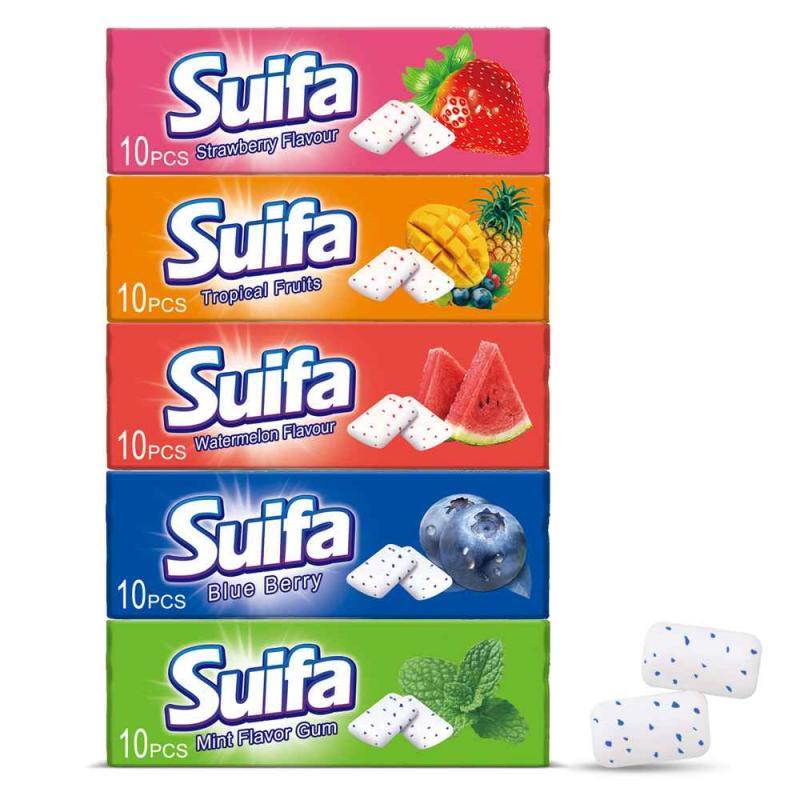
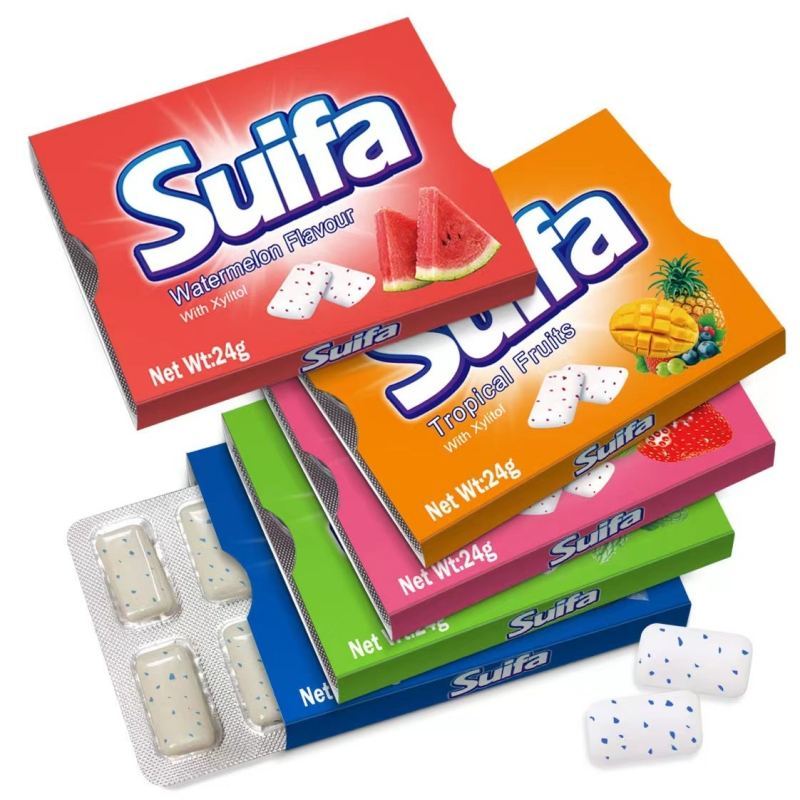
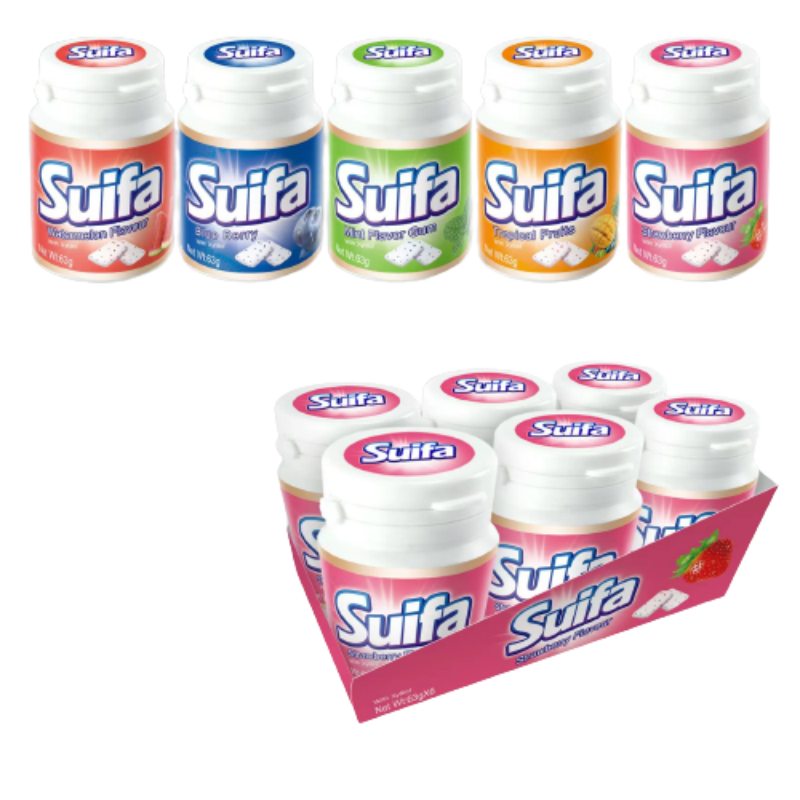
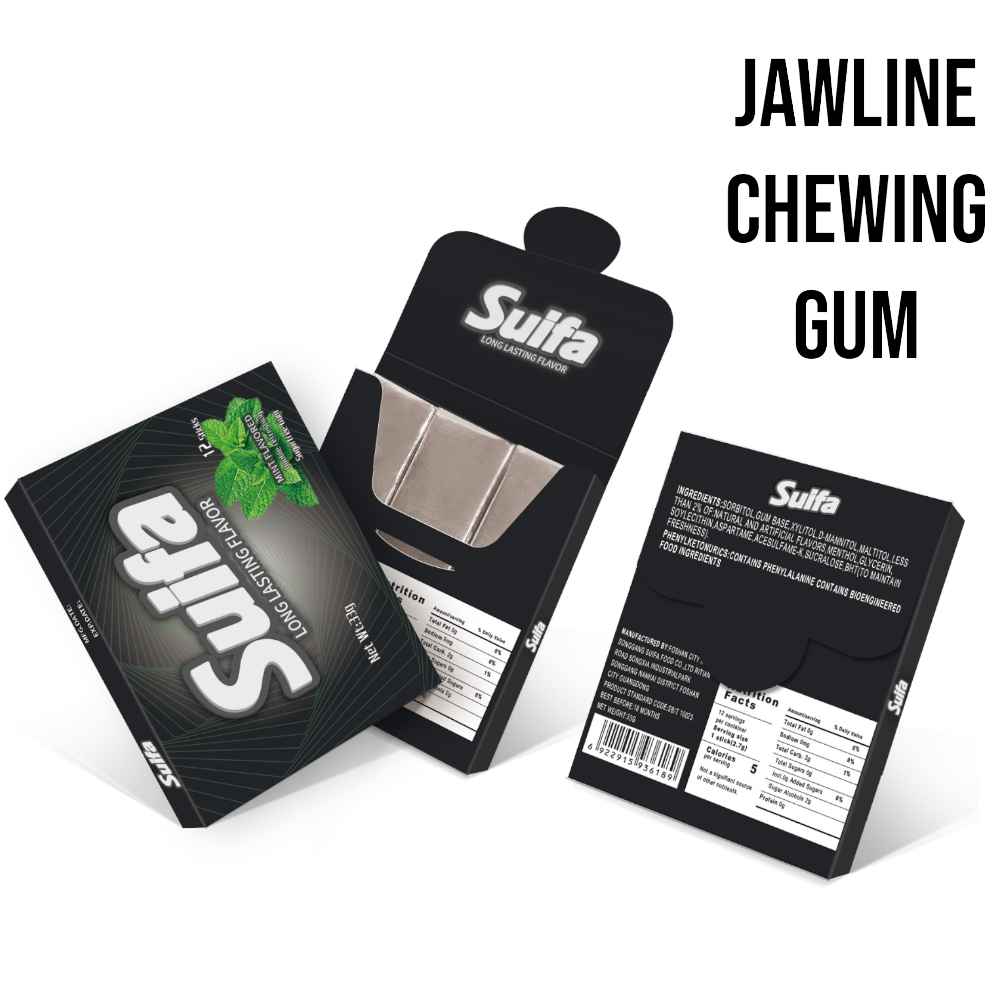
Bulk Healthy Natural Xylitol Sugar Free Tablet Chewing Gum
Detail

Checking Order
Quality Test Before Delivery
Check Items When Packing
Packaging And Transport
Send Inquiry Now!
Choose Suifa, Boost Your Candy and Gum Project!
Discover excellent gum and candy products at our factory. We create custom solutions for our customers. Join us for exclusive insights, customized products and partnerships. Leave your contact info we'll be back in touch within 12 hours!
Choose Suifa, take your bussiness to the next level!



Contact Us
WELCOME TO SUIFAFOOD YOUR TRUSTED MANUFACTURER OF GUM AND CANDY
Address: No.8 Ritian Road Songxia lndustrial AreaSonggang Nanhai, Foshan, Guangdong, China

