
Is Cinnamon Gum Healthy?
2025-08-26
Is Cinnamon Gum Healthy?
If you’re like me, you’ve chewed on a stick of cinnamon gum and wondered if your spicy habit could be impacting your health. That lingering taste is wonderful, but what about your teeth, your body, and the impact of daily chewing? The Problem: Should we be worried about chemicals, sweeteners, or even the cinnamon itself? Agitate: There’s so much conflicting info online, and it’s easy to get lost. Solution: I’m here, as a chewing gum expert, to give you real answers you can trust.
Cinnamon gum can be healthy, especially when sugar-free options are chosen and you’re not allergic to cinnamon. Chewing this gum may help freshen breath, curb cravings, and even improve focus. But, watch for artificial sweeteners and potential allergy risk. If you have dental concerns or sensitivities, talk with your dentist. Overall, moderate consumption shouldn’t be worrisome for most people.
Ever chewed cinnamon gum, got that burst of flavor, and instantly felt a little more alert? I’ll uncover what really goes into that spicy stick and whether it belongs in your daily routine.

What Ingredients Are Typically Found in Cinnamon Gum?
Most commercial cinnamon gums contain the basics: a gum base (usually a blend of elastomers, resins, and waxes), sweeteners (like sorbitol, xylitol, or even aspartame), flavorings, and often preservatives. And, of course, cinnamon oil or artificial cinnamon flavor is what gives it that distinctive zing. Some gums use real, natural cinnamon oil, which can have extra health properties. Others stick to artificial flavoring for consistency.
From my years of researching gum labels and speaking to manufacturers, I can tell you the ingredients list is crucial. If possible, choose a product with natural sweeteners like xylitol, which has even been shown to promote oral health (ADA: Chewing Gum and Oral Health). Some studies reveal that certain preservatives, especially in cheaper gums, could irritate sensitive mouths (FDA: Food Additive Status List). Always read the label and opt for transparency.
Sample Ingredient Comparison in Cinnamon Gum
Brand | Sweetener | Cinnamon Source | Sugar-Free | Preservatives |
Trident | Xylitol | Artificial Flavoring | Yes | BHT |
Wrigley Big Red | Sorbitol | Cinnamon Oil | Yes | No |
Orbit | Xylitol | Artificial Flavoring | Yes | Tocopherols |
Suifa | Xylitol | Artificial / Natural | Yes | No |
How Many Calories Are in a Stick of Cinnamon Gum?
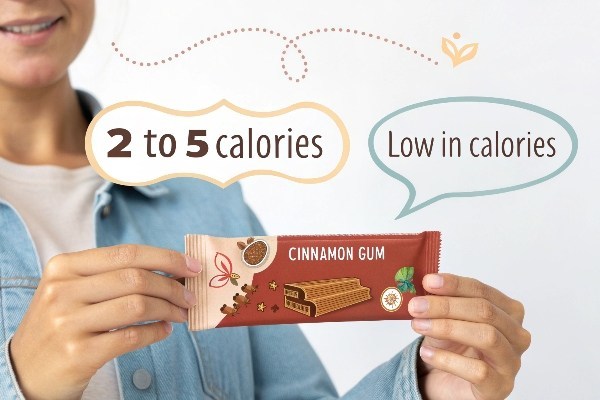
One of the most common questions I get is about calories. The great news? Cinnamon gum barely has any. Most sugar-free varieties average between 2 and 5 calories per stick. That’s virtually nothing, so you don’t need to worry about your gum habit sabotaging your calorie counting. For reference, standard varieties with sugar might contain slightly more.
Want details? You can check a leading brand’s nutritional label, like Trident Cinnamon Gum (each stick contains about 5 calories).
Calories in Popular Cinnamon Gums
Brand | Calories per Stick | Sugar-Free | Additional Sweeteners |
Trident | 5 | Yes | Xylitol, Sorbitol |
Wrigley Big Red | 10 | No | Sugar |
Orbit | 5 | Yes | Sorbitol, Mannitol |
Suifa | 5 | Yes | Xylitol |
Does Cinnamon Gum Make Your Breath Smell Good?
Absolutely! In my experience—and according to research—chewing cinnamon gum is excellent for masking bad breath. The strong cinnamon flavor tackles volatile sulfur compounds (the stuff that causes odor) and boosts saliva to “wash” your mouth. Numerous studies point to gum’s ability to freshen breath.
Cinnamon’s natural antimicrobial traits also contribute. So, if you want a quick fix after lunch, cinnamon gum is your friend.
Does Chewing Cinnamon Gum Offer Any Health Benefits?
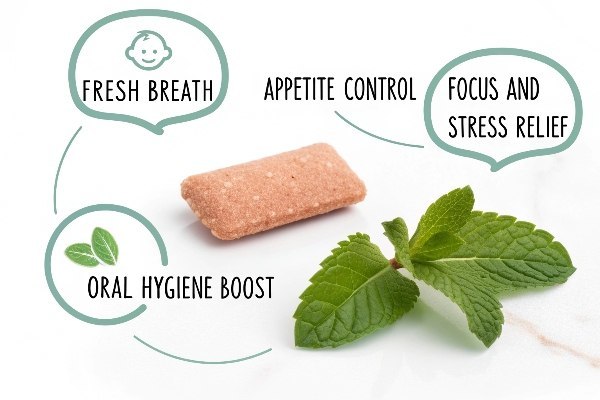
Let’s start with the obvious: fresh breath. Cinnamon gum does a fantastic job masking bad breath, partly due to the potent flavor plus saliva stimulation. But there are more reasons I recommend it:
- 💪Appetite control: Chewing gum (especially a strong flavor like cinnamon) can sometimes curb snack cravings, thanks to oral distraction.
- 💪Focus and stress relief: Some research backs up the feeling we get—chewing helps relieve tension and may increase alertness during work or study.
- 💪Oral hygiene boost: Sugar-free gum, including cinnamon, increases saliva which helps wash away food particles and supports neutral pH, reducing the risk of cavities.
Many people don’t know cinnamon oil itself contains antioxidants and has mild antibacterial properties (NIH: Cinnamon Oil Antibacterial).
Health Benefits of Chewing Cinnamon Gum
Health Benefit | Evidence / Source | My Expert Note |
Freshens breath | ScienceDirect | Works great after meals! |
Curbs cravings | PubMed | Good for snack control. |
Boosts alertness | UCL | Noticeable during long meetings. |
Oral health support | ADA | Choose sugar-free options. |
What Happens if You Chew Too Much Cinnamon Gum?
Here’s where caution comes in. Too much chewing—especially cinnamon—can lead to mouth irritation, burning, or sores. Cinnamon oil is potent, and some brands use a lot to capture its flavor. Side effects to watch for:
- ● Mouth ulcers or burning sensations
- ● Jaw fatigue or TMJ symptoms
- ● Digestive upset (from over-consuming sugar alcohols)
Overdoing it also increases your exposure to sweeteners and chemicals. And while rare, excess cinnamon flavor can cause allergic reactions (NIH: Cinnamon Allergy). Balance is key.
Are There Any Health Risks or Concerns with Cinnamon Gum?
Cinnamon gum, especially in excess, carries some risks you should know about. The biggest one? Allergic reactions. Some people experience mouth sores or irritation from cinnamon oil or aldehydes used for flavoring.
Artificial sweeteners like aspartame or ace-K often appear in gum formulas. While generally regarded as safe, some people prefer natural sweeteners or need to avoid these for medical reasons (FDA: Food Additive Status List). Extended, vigorous chewing can also cause jaw soreness or headaches in sensitive individuals.
One more thing: all gum—including cinnamon—should be kept away from young children as a choking risk.
Tip from me: If you notice irritation, switch brands, check for sugar alcohols, or try gums with natural cinnamon oil at lower concentrations.
Is Cinnamon Gum Good for Your Teeth?
This is one of my favorite areas to talk about. Dentists often recommend sugar-free gum as it can help fight cavities. Cinnamon gum is no exception—if it’s sugar-free, you’re in good shape. The act of chewing increases saliva, which helps remineralize teeth, clear debris, and lower acid levels.
However, cinnamon flavor can be intense. Highly concentrated cinnamon oils might cause temporary oral tissue irritation. If you have sensitive gums or a history of mouth ulcers, mild flavors are better. Overall, if you pick a reputable, sugar-free cinnamon gum, you can even support your dental routine—not sabotage it.
Effect of Sugar-Free Gum on Oral Health
Gum Type | Reduces Cavities | Boosts Saliva | Risk of Mouth Irritation |
Sugar-Free Mint | Yes | Yes | Low |
Sugar-Free Cinnamon | Yes | Yes | Medium |
Sugared Gum | No | Yes | Low |
Does cinnamon oil in gum have any health effects?
Cinnamon oil is fascinating. It’s known for its antimicrobial properties, meaning it can help reduce certain bacteria in the mouth. This might be why cinnamon gum seems especially “freshening.” Another benefit? Cinnamon contains antioxidants, which are good for general health, even at low intake levels.
Of course, the actual quantity of cinnamon oil in gum is tiny—so we’re not expecting magical health flips. But, for sensitive mouths, even tiny amounts can cause stinging or soreness. As a gum specialist, I encourage you to watch for ingredients like “cinnamaldehyde”—the active compound some people react to. If you notice discomfort, swap out for something milder.
Can cinnamon gum help with weight management or appetite control?
Many of my clients ask if chewing gum can help lose weight. Chewing cinnamon gum might support appetite control in a minor way. The strong flavor, combined with the physical act of chewing, appears to trick some people into feeling less hungry between meals (PubMed: Chewing Gum Effects on Appetite). It’s not a substitute for balanced eating, but it might help curb those afternoon snack urges!
Some research points to people burning a couple of extra calories per hour while chewing gum, though the effect is modest (NCBI: Effects of chewing gum on energy expenditure). For best results, use cinnamon gum as part of a broader wellness routine, not the sole strategy.
Is Cinnamon Gum Safe for Kids?
This is always a big question for parents. Most cinnamon gums made for adults contain levels of cinnamon flavor or oil that may be too strong for kids—they could cause mouth irritation or even allergic reactions. Plus, all gum presents a choking hazard for younger children. If you have kids who want gum, look for gentle flavors and always supervise.
Some brands do make kid-friendly cinnamon gum with less intense flavoring. Check labels for “kids” or “gentle” options. And, never give gum to children under age six.
Can Chewing Cinnamon Gum Help with Oral Health Beyond Breath?
Absolutely! Sugar-free gum, especially cinnamon, can complement regular brushing and flossing by stimulating saliva, which in turn washes away food particles and balances oral pH. In fact, cinnamon oil has mild antibacterial effects, possibly helping lower plaque buildup. Of course, it’s not a replacement for brushing, but in a pinch, it helps.
Some research even suggests cinnamon gum may reduce the quantity of certain mouth bacteria tied to bad breath and cavities. Still, results vary and underlying oral health practices matter most.
Should I Worry About the Sugar Alcohols in Cinnamon Gum?
Sugar alcohols like xylitol, sorbitol, and maltitol get a lot of attention. For most people, these are safe and can even promote oral health (xylitol fights cavity bacteria directly). However, too much can cause digestive upset—think bloating or loose stools (FDA: Sugar Alcohol Review). If you’re sensitive or notice symptoms, try a gum with lower sugar alcohol concentrations.
Xylitol, in particular, has stellar dental research behind it. So for dental health, pick gums with xylitol as the primary sweetener.
Can Cinnamon Gum Cause Mouth Sores or Burning?
This comes up frequently in my work. Some people do react to cinnamon oil, especially if the gum contains “cinnamaldehyde”—a powerful compound. Burning sensations, soreness, or ulcers can develop after chewing. If this happens, stop using the gum immediately and choose a different flavor or brand. Sensitive individuals should look for milder, less concentrated cinnamon gums.
What Are the Pros and Cons of Natural Vs Artificial Cinnamon Flavor?
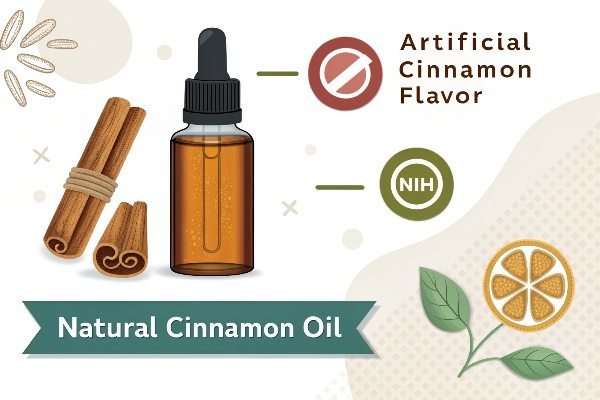
As a gum expert, I always get asked about the battle of natural versus artificial flavorings. Natural cinnamon oil delivers a richer, spicier taste and may offer mild antioxidant or antibacterial perks. Artificial flavors are typically less intense, more consistent, and less likely to cause irritation.
However, natural oils can trigger allergies and cost more. Artificial flavors are cheap, widely used, and less reactive for most people. My advice: If you want full-on flavor and minimal additives—and you aren’t sensitive—try a gum featuring natural cinnamon oil.
Is Chewing Gum, Cinnamon or Otherwise, Bad for Your Jaw?
Some people experience jaw fatigue, clicking, or discomfort, especially with frequent, hard chewing. This is an issue regardless of gum flavor, but cinnamon gum is often chewed longer because of the lasting taste. If you’re prone to TMJ issues or jaw pain, take breaks and keep your gum habit light (Cleveland Clinic: Chewing Gum and Jaw Pain). Don’t let delicious cinnamon get in the way of comfort!
Conclusion
Cinnamon gum isn’t just a flavor—it comes with unique health perks and a few caveats. If you’re not sensitive and choose sugar-free brands, it’s a spicy, fresh option for most adults. Chew wisely!
Suifa news
How is Bubble Gum Made in the Factory?
2023-05-24
How Hard Candy is Made in the Factory?
2024-02-28
Get An Instant Quotation
Recommended Products
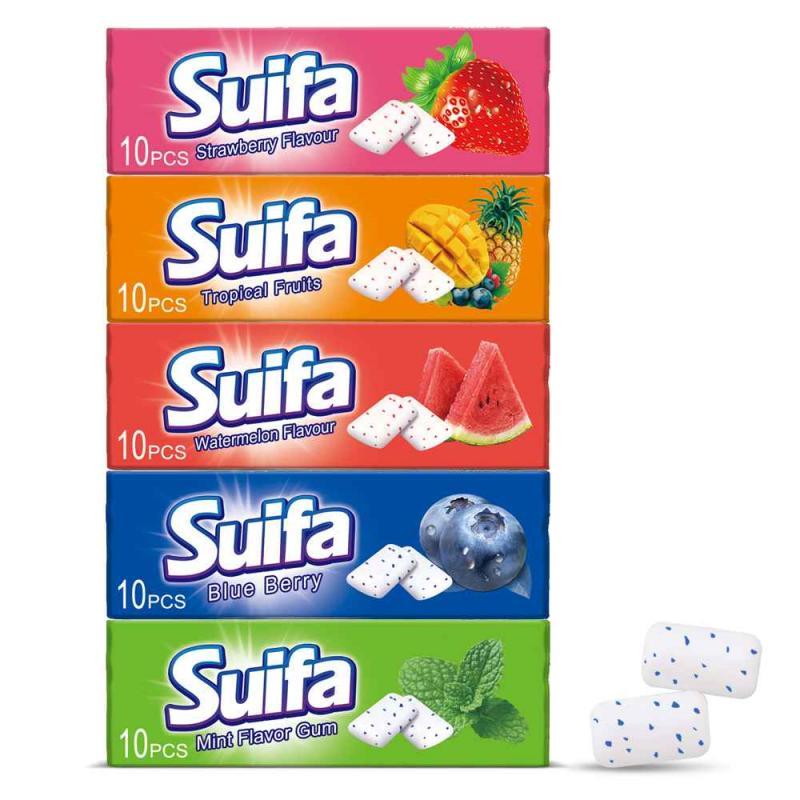
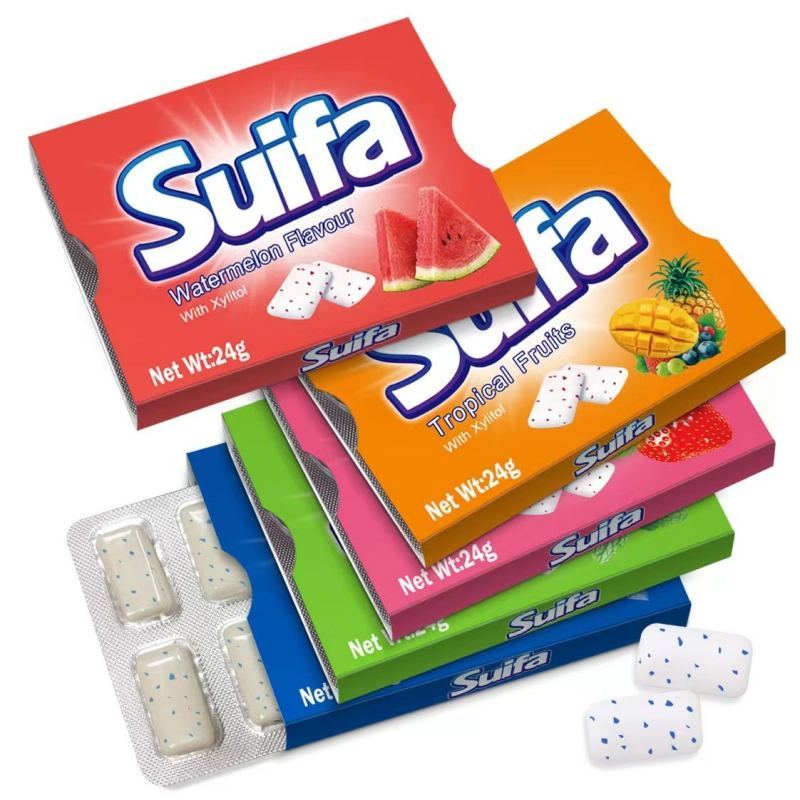
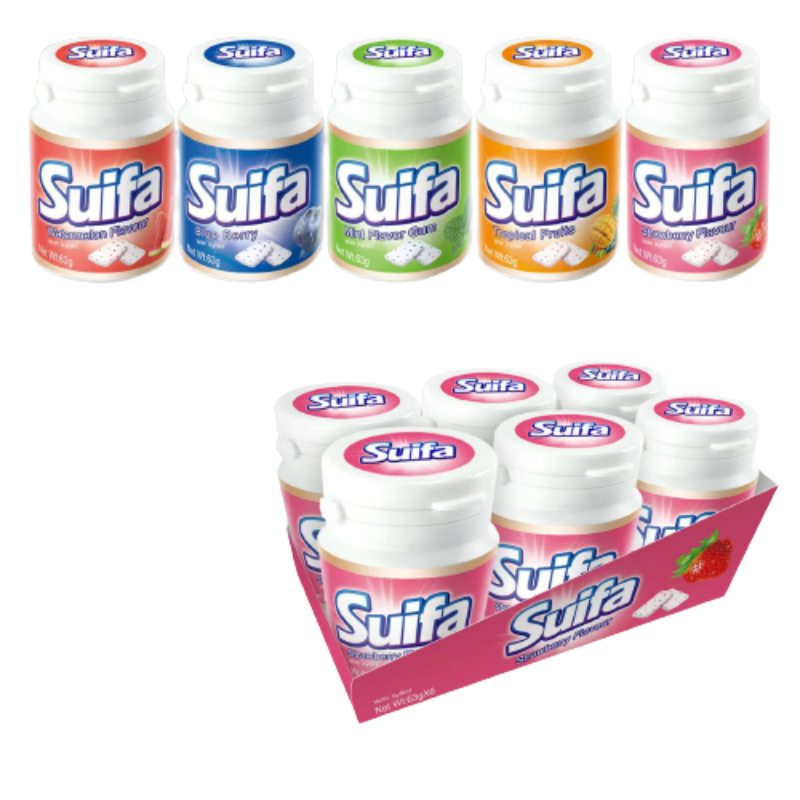
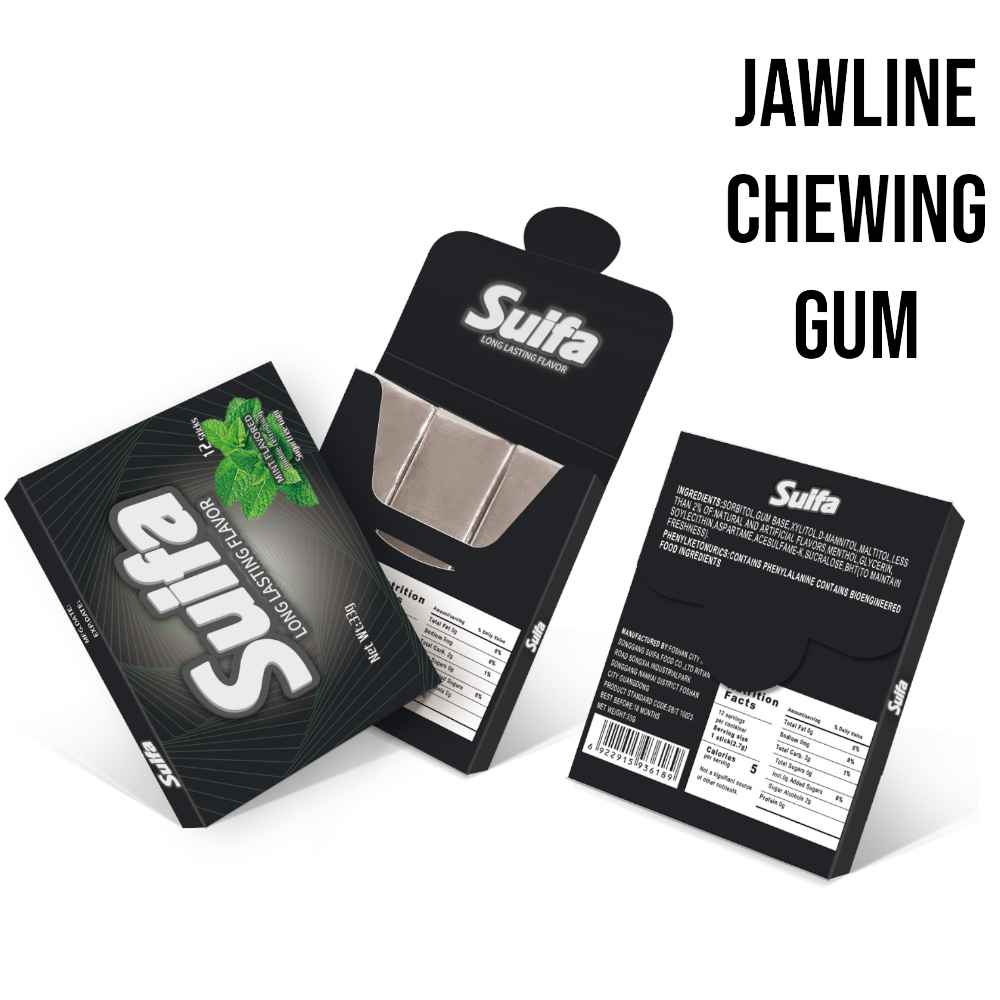
Bulk Healthy Natural Xylitol Sugar Free Tablet Chewing Gum
Detail

Checking Order
Quality Test Before Delivery
Check Items When Packing
Packaging And Transport
Send Inquiry Now!
Choose Suifa, Boost Your Candy and Gum Project!
Discover excellent gum and candy products at our factory. We create custom solutions for our customers. Join us for exclusive insights, customized products and partnerships. Leave your contact info we'll be back in touch within 12 hours!
Choose Suifa, take your bussiness to the next level!



Contact Us
WELCOME TO SUIFAFOOD YOUR TRUSTED MANUFACTURER OF GUM AND CANDY
Address: No.8 Ritian Road Songxia lndustrial AreaSonggang Nanhai, Foshan, Guangdong, China

