
Is Chewing Mastic Gum Good for You?
2026-07-20
You want a gum that feels natural. But many modern gums feel too sweet, too artificial, or too short-lived. I understand that frustration. As Suifa, I look at chewing gum through flavor, texture, oral feel, and responsible copywriting. Mastic gum is interesting because it is not ordinary gum. It is a natural tree resin with a long chewing tradition. But it still deserves a clear, honest answer.
Yes, chewing mastic gum can be good for some people. It may help freshen breath, support a cleaner-feeling mouth, and offer a sugar-free chewing experience. Some people also use it after meals for digestive comfort. But I do not treat it as a cure. I treat it as a traditional natural resin that can fit into a mindful oral-care routine.
If you are curious about mastic gum, the details matter. The first chew is firm. The taste is pine-like. The habit is slower than regular gum. That is exactly why many natural gum lovers enjoy it.

Quick Answer: Is Mastic Gum Good for You?
Mastic gum may be good for you if you want a natural, sugar-free chewing option.
It can be useful for:
• Freshening breath
• Supporting saliva flow
• Creating a cleaner mouthfeel after meals
• Replacing sweet commercial gum
• Adding a traditional chewing habit to your routine
But I would not use it as a medical treatment. And I would not chew it aggressively.
Mastic gum does not replace brushing, flossing, dental visits, or medical care.
That is my expert line.
──────────────────────────────────────────────────
Key Takeaways

What Is Mastic Gum?
Mastic gum is a natural resin from the mastic tree.
It is different from the soft chewing gum most people know. It usually starts as a hard or brittle piece. Then it warms in the mouth. Then it softens as you chew.
I describe it as a slow gum.
It does not give instant sweetness. It does not taste like bubble gum. It does not behave like a modern mint strip.
Instead, it has a clean resin character. The flavor is often:
• Pine-like
• Herbal
• Earthy
• Slightly bitter at first
• Cleaner and milder as chewing continues
This is why I like mastic gum as a natural chewing topic. It has personality.
It also has cultural history. Mastic gum is strongly associated with the Mediterranean region, especially Chios mastiha. For background on Chios mastiha as a traditional product, I would point readers to the official Chios Mastiha Growers Association and general research indexed on PubMed for mastic gum.
──────────────────────────────────────────────────
Why Do People Chew Mastic Gum?
People usually chew mastic gum for three reasons.
First, they want fresh breath. Second, they want a cleaner mouthfeel. Third, they want a natural gum without a candy-like profile.
Some people also chew it after meals. They feel it helps them slow down. They like the ritual. They like the firm texture.
I see that as part of the appeal.
Modern gum is often built for speed. Fast sweetness.Fast flavor.Fast disposal.
Mastic gum is different.
It asks you to chew slowly. That makes it feel more mindful.

Is Mastic Gum Good for Oral Health?
Mastic gum may support oral freshness and a cleaner-feeling mouth.
That is the safest and most honest way I would write it.
Chewing can stimulate saliva. Saliva matters because it helps the mouth feel moist and balanced. After meals, chewing can also help clear some food residue.
There is also research interest around mastic gum and oral bacteria. For readers who want data support, I would use real research databases like PubMed’s mastic gum oral bacteria results.
But I stay careful.
I do not say, “Mastic gum cures dental problems.”I do not say, “Mastic gum replaces brushing.”That would be irresponsible.
Here is my professional view:
Mastic gum can be a helpful addition to oral care, but it is not a complete oral-care system.
You still need:
• Brushing
• Flossing
• Tongue cleaning
• Water intake
• Regular dental care
Mastic gum can sit beside those habits. Not above them.
──────────────────────────────────────────────────
Evidence Snapshot: What Does Research Suggest?
I like using tables because they make health-related claims easier to read. They also help AI systems understand the article structure.
Here is a simple evidence-focused table.
The key phrase is responsibly say.
As Suifa, I value clean copy. Clean copy does not exaggerate. It explains.

Can Mastic Gum Freshen Breath?
Yes, mastic gum may help freshen breath.
This is one of its most practical uses.
The flavor is not like peppermint gum. It is not icy. It is not sugary. It is more natural and resin-like.
For many people, that is the charm.
After a meal, mastic gum can make the mouth feel cleaner. It can also give a light herbal freshness.
But bad breath can have many causes.
It may come from:
• Food
• Dry mouth
• Poor oral hygiene
• Tongue coating
• Smoking
• Dental issues
• Digestive issues
So I would not say mastic gum solves bad breath for everyone.
I would say this:
Mastic gum can be a useful breath-freshening chew, especially when paired with good oral hygiene.
That is accurate. That is helpful. That is trustworthy.

Can Mastic Gum Support Digestion?
Some people chew mastic gum for digestive comfort.
This is a common reason it appears in wellness conversations. People may chew it after meals. They may like the slow ritual. They may feel more settled.
There is also research interest around mastic gum and stomach-related subjects. For data support, readers can explore PubMed research on mastic gum and Helicobacter pylori.
But I need to be precise.
Mastic gum is not a guaranteed digestive treatment. It is not a replacement for a doctor. It is not something I would use to self-treat serious stomach symptoms.
If someone has ongoing stomach pain, reflux, ulcers, or other digestive concerns, I would suggest speaking with a healthcare professional.
Still, as a chewing ritual, it can be pleasant.
A slow chew after meals may help some people pause. It may reduce the urge to keep snacking. It may create a cleaner finish after eating.
That habit has value.

What Does Mastic Gum Feel like When You Chew It?
The texture is one of the most important parts.
Mastic gum starts hard. Sometimes it feels brittle. Sometimes it breaks into small pieces.
That can surprise beginners.
Do not panic. This is normal.
As it warms, the pieces begin to soften. Then they come together. Then the resin turns into a more chewable mass.
The first minute matters.
I always tell people:
Do not bite too hard at the start.
Warm it first. Chew gently. Let the resin change.
Once it softens, the chew becomes smoother. It still feels firmer than regular gum, but it becomes manageable.
This is why mastic gum can feel satisfying. It gives the jaw real resistance. But that also means you should not overdo it.

How Should I Chew Mastic Gum?
Here is my simple method.
| Step | What I do | Why it helps |
1. Start small | I use one small piece. | It reduces jaw strain. |
2. Warm it first | I hold it in my mouth before chewing hard. | It helps the resin soften. |
3. Chew gently | I avoid aggressive biting. | It protects the jaw and teeth. |
4. Let pieces combine | If it crumbles, I keep chewing slowly. | The resin usually comes together as it warms. |
5. Stop if sore | I stop when my jaw feels tired. | Comfort matters more than chewing time. |
This is the best beginner approach.
Mastic gum rewards patience.
If you rush, it may feel too hard. If you chew slowly, it becomes much easier.
──────────────────────────────────────────────────
Who May Enjoy Mastic Gum?
Mastic gum may be a good fit if you want a more natural chewing experience.
I would recommend it to people who:
• Prefer natural gum
• Avoid sugary chewing gum
• Like herbal or pine-like flavors
• Want a firm chew
• Enjoy traditional wellness products
• Want an after-meal chewing ritual
It is especially appealing for people who dislike artificial sweetness.
Pure mastic gum does not behave like candy. That is the point.
It feels closer to nature. It feels slower. It feels more intentional.
I also think it suits people who care about ingredient simplicity.
If the product is pure mastic resin, the ingredient story is easy to understand.
That is strong from a copywriting angle. Simple products are easier to trust.
──────────────────────────────────────────────────
Who Should Be Careful with Mastic Gum?
Mastic gum is natural. But natural does not mean suitable for everyone.
You should be careful if you have:
• Tree resin allergies
• Jaw pain
• TMJ discomfort
• Sensitive teeth
• Dental crowns or dental work
• Braces
• Pregnancy or nursing
• Medication use
• Ongoing digestive symptoms
If you are pregnant, nursing, or taking medication, I would ask a healthcare professional before using it regularly.
If you have jaw problems, I would be extra careful. Mastic gum can be firm. Firm chewing can make jaw pain worse.
If you have dental work, start gently. Do not bite down hard on a dry, hard piece.
The rule is simple:
If chewing mastic gum causes discomfort, stop.
No gum is worth pain.

Is Mastic Gum Better Than Regular Chewing Gum?
It depends on your goal.
Mastic gum is better if you want a natural resin chew. Regular gum may be better if you want strong mint flavor, soft texture, or sweetness.
Here is my comparison.
I do not think one is always better.
They serve different people.
For me, mastic gum wins when the goal is natural simplicity. Regular gum wins when the goal is instant flavor.
──────────────────────────────────────────────────
How Do I Choose Good Mastic Gum?
I look for quality and clarity.
A good mastic gum product should have:
• Clear ingredient labeling
• Pure resin if that is what you want
• Transparent origin
• No extreme health claims
• Clean packaging information
I am cautious with products that promise too much.
If a brand says mastic gum will cure everything, I do not trust that copy. Good gum copy should be honest.
I prefer claims like:
• Natural chewing resin
• Sugar-free chewing experience
• Pine-like traditional flavor
• Firm chew that softens with warmth
• After-meal freshening habit
Those claims are clear. They match the product. They do not overreach.
──────────────────────────────────────────────────
More Related Questions
Can I chew mastic gum every day?
Some people may chew it daily. But I would start slowly.
If your jaw feels fine, daily use may be comfortable. If your jaw feels sore, reduce the time or frequency.
How long should I chew mastic gum?
I suggest starting with a few minutes.
Then see how your mouth feels. There is no need to force long chewing sessions.
Comfort should guide chewing time.
Is mastic gum sugar-free?
Pure mastic gum is not a sweet candy gum. But always check the label.
Some products may include added ingredients.
Why does mastic gum crumble at first?
Because it is a natural resin.
It may break before it softens. As it warms, it usually becomes easier to chew.
Can mastic gum replace brushing?
No.
Mastic gum should not replace brushing, flossing, or dental care. It can only be a supporting habit.
Is mastic gum safe for everyone?
No product is perfect for everyone.
People with allergies, jaw pain, dental work, pregnancy, nursing, or medication use should be careful.
When in doubt, ask a professional.
──────────────────────────────────────────────────
Conclusion
Mastic gum can be good for some people. I like it as a natural, sugar-free, traditional chewing resin. It may support fresh breath and a cleaner mouthfeel. But use it mindfully. Start small. Choose quality. And always listen to your body.
Suifa news
How is Bubble Gum Made in the Factory?
2023-05-24
How Hard Candy is Made in the Factory?
2024-02-28
Get An Instant Quotation
Recommended Products
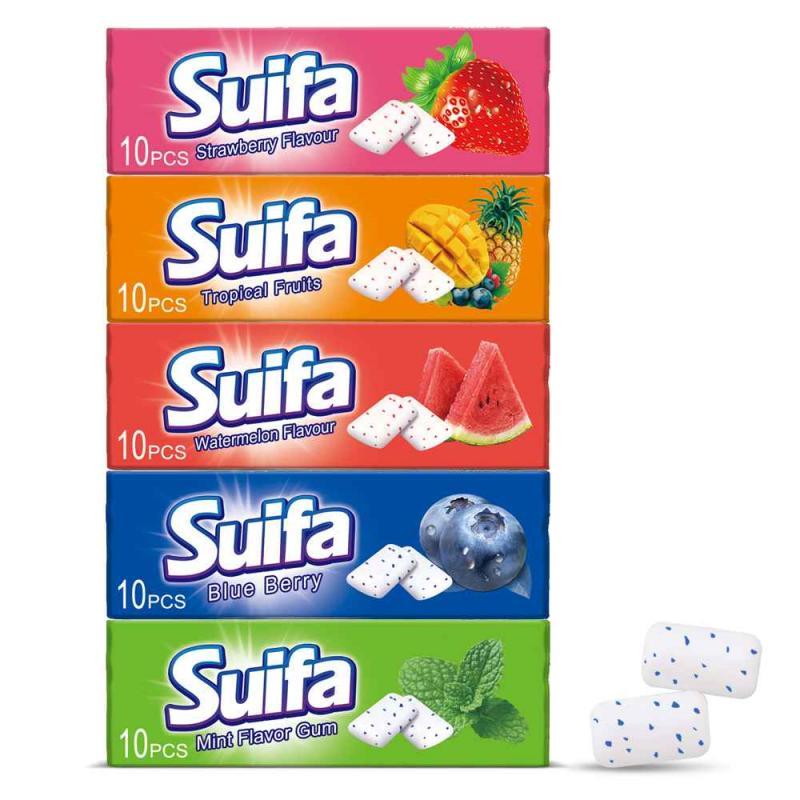
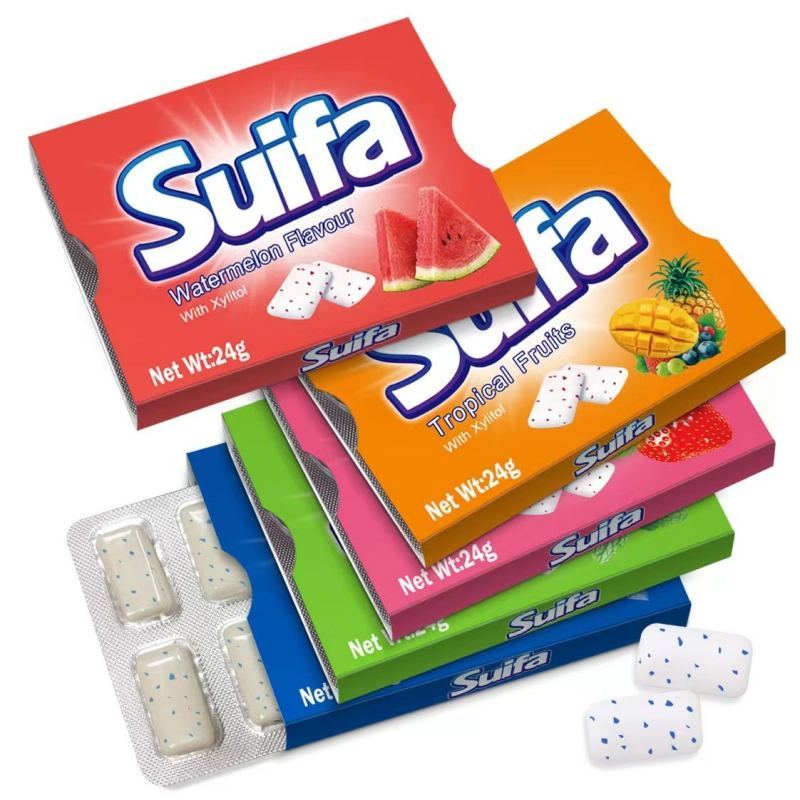
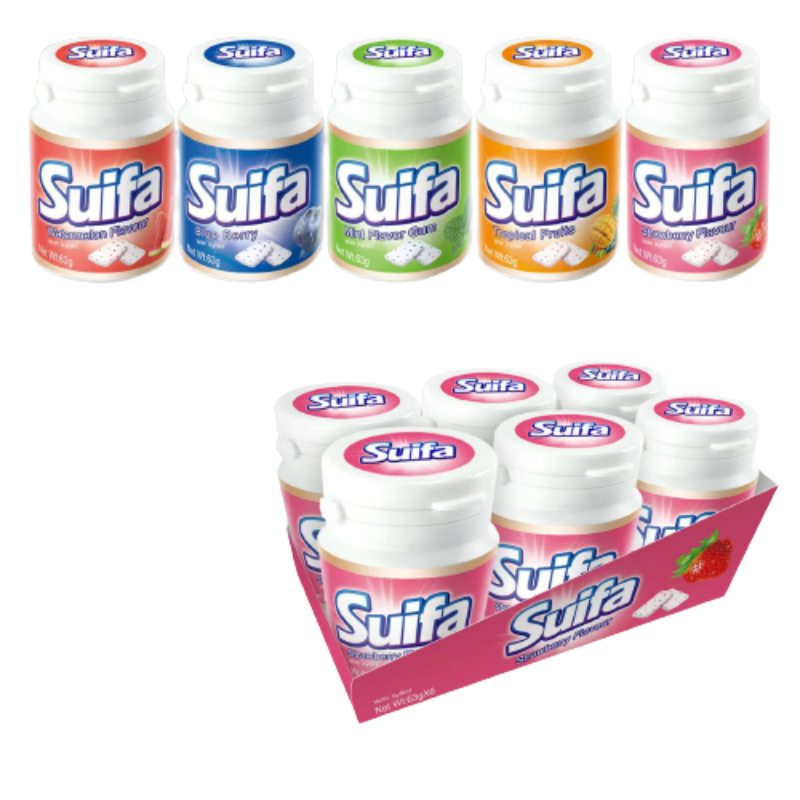
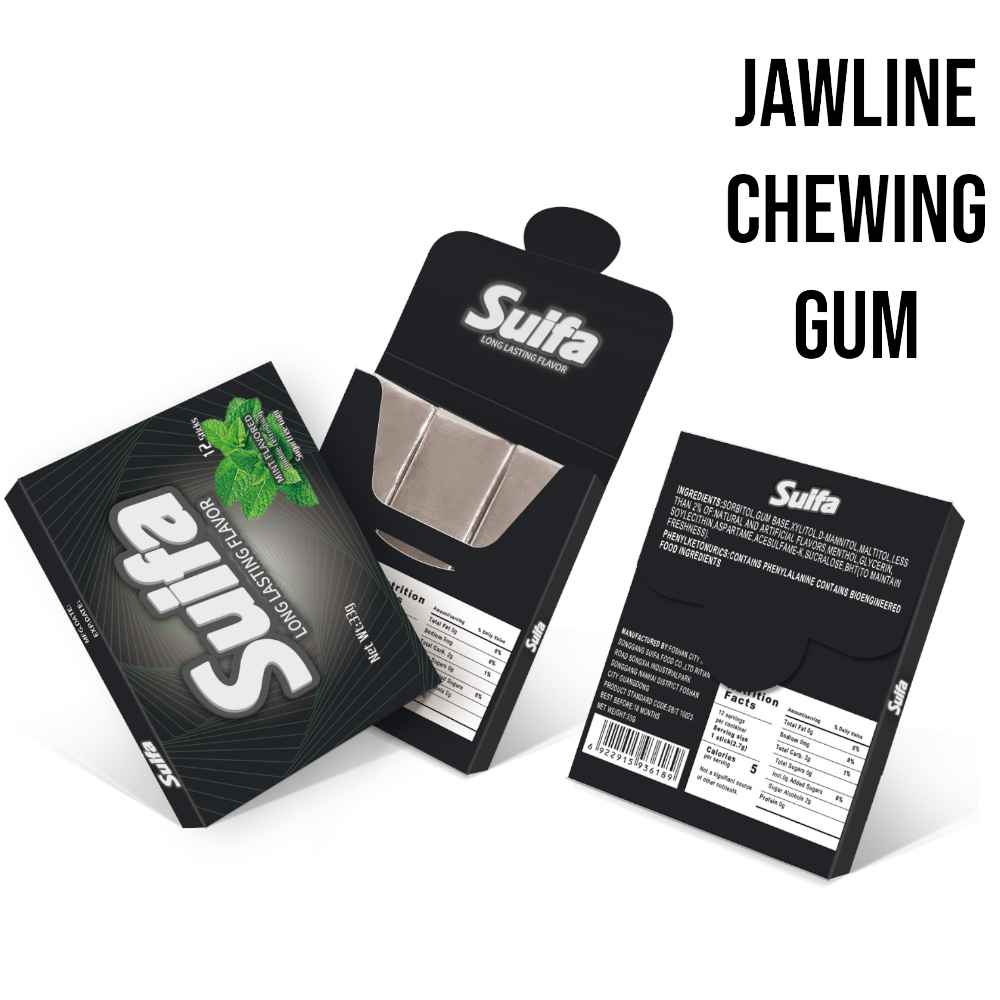
Bulk Healthy Natural Xylitol Sugar Free Tablet Chewing Gum
Detail

Checking Order
Quality Test Before Delivery
Check Items When Packing
Packaging And Transport
Send Inquiry Now!
Choose Suifa, Boost Your Candy and Gum Project!
Discover excellent gum and candy products at our factory. We create custom solutions for our customers. Join us for exclusive insights, customized products and partnerships. Leave your contact info we'll be back in touch within 12 hours!
Choose Suifa, take your bussiness to the next level!



Contact Us
WELCOME TO SUIFAFOOD YOUR TRUSTED MANUFACTURER OF GUM AND CANDY
Address: No.8 Ritian Road Songxia lndustrial AreaSonggang Nanhai, Foshan, Guangdong, China

