
Is Chewing Gum with Monk Fruit Good for You?
2026-09-11

You want a fresh mouth, fewer cravings, and a cleaner ingredient list—but the gum aisle can be confusing. Many packs say “sugar-free,” “natural,” or “better for you,” yet they may still contain sweeteners you are trying to avoid. That creates a real problem: you may think you are choosing a healthier gum, but the label may not match your expectations. If you are specifically looking for chewing gum with monk fruit, you need to know what monk fruit does, what it does not do, and which brands are actually worth checking.
Chewing gum sweetened with monk fruit can be a good option for many people because monk fruit extract is very sweet, low-calorie, and does not raise blood sugar the way regular sugar does. However, the health value of the gum depends on the entire ingredient list—not just monk fruit. The best choice is a sugar-free gum that clearly lists monk fruit extract and avoids ingredients you personally dislike or cannot tolerate.
The most important rule is simple: do not trust the front of the package alone. Always check the ingredients panel. Some gums use monk fruit only as a minor sweetener, while others rely more heavily on sugar alcohols, stevia, or artificial sweeteners.

What Is Monk Fruit Sweetener?
Monk fruit, also called luo han guo, is a small fruit native to southern China. Its sweetness comes mainly from compounds called mogrosides, which are much sweeter than table sugar but contribute very few calories.
According to the U.S. Food and Drug Administration, monk fruit sweeteners are among high-intensity sweeteners used in foods and beverages. You can read the FDA’s overview of high-intensity sweeteners here: FDA: High-Intensity Sweeteners.
Monk fruit is popular in health-focused products because it is:
• Very sweet in small amounts
• Low in calories
• Not known to raise blood glucose like sugar
• Plant-derived
• Often used in keto, diabetic-friendly, and low-sugar products
In chewing gum, monk fruit is usually not the only sweetener. It may be combined with xylitol, sorbitol, erythritol, stevia, or other sweeteners to create better flavor, texture, and chew quality.

Is Monk Fruit Gum Better Than Regular Sugar Gum?
In most cases, yes—monk fruit gum is usually better than sugar-sweetened gum, especially for people concerned about calories, blood sugar, or dental health.
Sugar feeds oral bacteria that produce acids, which can contribute to tooth decay. Sugar-free gum, on the other hand, may help stimulate saliva flow. The American Dental Association explains that chewing sugar-free gum after meals can help increase saliva, which may help wash away food particles and neutralize acids.
Here is a simple comparison:
Feature | Sugar-Sweetened Gum | Monk Fruit-Sweetened Gum |
Calories | Usually higher | Usually very low |
Blood sugar impact | Generally minimal | |
Tooth decay risk | Higher because of sugar | Lower if truly sugar-free |
Sweetener source | Cane sugar, corn syrup, glucose | Fruit-derived monk fruit extract |
Best for daily chewing? | Not ideal | Better option for many people |
The key phrase is “if truly sugar-free.” If a gum contains monk fruit but also contains sugar, glucose syrup, or other fermentable carbohydrates, it may not offer the same dental benefit as a fully sugar-free option.

What Are the Main Benefits of Chewing Gum with Monk Fruit?
Chewing gum with monk fruit may offer several practical benefits, especially when used in moderation.
1. It Can Help Reduce Sugar Intake
The biggest benefit is that monk fruit allows gum to taste sweet without relying on sugar. If you chew gum daily, switching from sugar gum to monk fruit gum can reduce unnecessary sugar exposure.
This matters because small habits add up. A few pieces of sugary gum every day may not seem like much, but it can still expose your teeth to sugar repeatedly.
2. It Is Usually Friendly for Blood Sugar Management
Monk fruit sweetener is commonly used by people who are limiting sugar or carbohydrates. It does not behave like table sugar in the body and is generally considered suitable for low-sugar eating patterns.
For more background, Cleveland Clinic provides a helpful overview of monk fruit as a sugar substitute.
3. It May Support Better Oral Habits
Chewing sugar-free gum can increase saliva flow. More saliva may help rinse the mouth, reduce dryness, and support a cleaner-feeling mouth after meals.
However, gum is not a replacement for brushing, flossing, or dental visits. Think of it as a small support tool—not a full oral-care plan.
4. It Can Help with Cravings
Some people use monk fruit gum to manage sweet cravings between meals. Because it provides sweetness without sugar, it may help satisfy the urge for candy or dessert.
That said, this depends on the person. For some, sweet-tasting gum reduces cravings. For others, it may make them want more sweet foods. Pay attention to your own response.

Are There Any Downsides to Monk Fruit Gum?
Yes, there can be downsides, but most are related to the full formula, not monk fruit alone.
1. Monk Fruit Gum May Contain Sugar Alcohols
Many sugar-free gums use xylitol, sorbitol, maltitol, or erythritol. These can be useful, but in larger amounts they may cause digestive discomfort in some people.
Possible symptoms include:
• Gas
• Bloating
• Loose stools
• Stomach discomfort
If you are sensitive to sugar alcohols, start with one piece and see how your body responds.
2. Taste Can Be Different
Monk fruit has a different sweetness profile than sugar. Some people love it because it tastes clean and light. Others notice a mild aftertaste, especially when it is combined with stevia or sugar alcohols.
3. Not Every “Natural Gum” Uses Monk Fruit
This is very important: natural does not automatically mean monk fruit-sweetened. Some popular natural gum brands use xylitol, cane sugar, or other sweeteners instead.
You previously pointed out correctly that PUR Gum and Simply Gum should not be listed as monk fruit gum brands. They have been removed from this rewritten version.

Which Chewing Gum Brands Use Monk Fruit?
The monk fruit gum category is still smaller than the general sugar-free gum category. Also, brand formulas can change, so the safest approach is to verify the ingredient list on the current package or official product page.
One brand worth checking is Neuro Gum, which is known for functional chewing gum products designed around energy and focus.
| Brand/Product | Monk Fruit Relevance | Other Key Features |
Neuro Gum Energy + Focus | A key brand to check for monk fruit-sweetened functional gum | Contains functional ingredients such as caffeine, L-theanine, and B vitamins |
Xylichew | Check the current label carefully; the brand is primarily associated with xylitol-based gum | Sugar-free positioning; often chosen by people avoiding aspartame |
| Other functional or natural gum brands | Monk fruit may appear in limited or reformulated products | Always confirm on the ingredient panel |

How Does Monk Fruit Compare with Xylitol, Stevia, and Aspartame?
Monk fruit is only one of several sweeteners used in gum. Each has strengths and weaknesses.
| Sweetener | Source | Calories | Dental Impact | Common Concern |
Monk fruit | Fruit extract | Very low | Does not feed cavity-causing bacteria like sugar | Taste varies by formula |
Xylitol | Sugar alcohol | Low | Often considered tooth-friendly | Can cause digestive upset; toxic to dogs |
Stevia | Plant leaf extract | Very low | Does not act like sugar | Bitter or herbal aftertaste for some |
Aspartame | Artificial sweetener | Very low | Sugar-free | Some consumers prefer to avoid artificial sweeteners |
Sugar | Cane/beet/corn-derived | Higher | Can contribute to tooth decay | Raises blood sugar and adds calories |
For many people, monk fruit is appealing because it is plant-derived, very low in calories, and less bitter than stevia. However, xylitol also has strong dental-health appeal, which is why many gums use both or use xylitol as the main sweetener.
Is Neuro Gum a Good Monk Fruit Gum Option?
Neuro Gum is a strong option to consider if you want a functional gum rather than just a breath-freshening gum. It is designed for energy and focus, not only sweetness.
Its products typically highlight ingredients such as:
• Caffeine
• L-theanine
• B vitamins
• Sugar-free sweetening system
• Functional positioning for focus and alertness
This makes Neuro Gum different from standard chewing gum. It may be useful before work, study, exercise, or travel. However, because it contains caffeine, it is not the best choice for everyone.
You may want to avoid or limit caffeinated gum if you are:
• Sensitive to caffeine
• Pregnant or nursing, unless approved by a healthcare professional
• Managing anxiety or sleep problems
• Giving gum to children
• Already consuming a lot of coffee, tea, or energy drinks
In short: Neuro Gum may be a good monk fruit gum choice for adults who want focus support, but it should be used thoughtfully because of caffeine.
Who Should Choose Monk Fruit Chewing Gum?
Monk fruit gum may be a good fit for people who want:
• A sugar-free chewing gum
• A low-calorie sweet taste
• A gum that does not spike blood sugar like sugar
• A more natural sweetener profile
• An alternative to aspartame or regular sugar
• A gum that supports fresher breath without added sugar
It may be especially helpful after meals, during work, while traveling, or when trying to reduce snacking.

Who Should Be Careful with Monk Fruit Gum?
Monk fruit itself is generally well tolerated, but some people should still be careful.
You should check the label closely if you:
• Have digestive sensitivity to sugar alcohols
• Avoid caffeine
• Have allergies or ingredient sensitivities
• Need a gum safe for children
• Follow a strict medical diet
• Want to avoid artificial colors, flavors, or sweeteners
Also, if you are buying gum for a household with pets, remember: many sugar-free gums contain xylitol, which is highly toxic to dogs.
How Can You Pick the Best Monk Fruit Gum?
Use this quick checklist before buying:
• Look for “monk fruit extract” or “luo han guo” in the ingredient list.
• Check whether sugar is also included.
• Review other sweeteners such as xylitol, sorbitol, stevia, or sucralose.
• Check caffeine content if the gum is functional, like Neuro Gum.
• Avoid brands that only look natural but do not actually list monk fruit.
• Confirm the formula on the official product page because ingredients can change.
The best monk fruit gum is not just the one with monk fruit—it is the one with a complete formula that fits your health goals.
More Related Questions
Does monk fruit gum break a fast?
Usually, plain monk fruit-sweetened gum is unlikely to add meaningful calories, but some fasting purists avoid all sweet tastes because they may trigger cravings or appetite. If you are fasting for medical reasons, ask a healthcare professional.
Is monk fruit gum keto-friendly?
Most monk fruit gum is likely to be compatible with keto eating, but you should still check the full ingredient list. Avoid gum with sugar, glucose syrup, or high-carb fillers if you are strict keto.
Is monk fruit gum safe for diabetics?
Monk fruit sweetener is commonly used in low-sugar products and generally does not raise blood sugar like regular sugar. Still, people with diabetes should check the entire label and consult their clinician for personalized guidance.
Can kids chew monk fruit gum?
Children can usually chew sugar-free gum if they are old enough not to swallow it, but caffeinated products such as Neuro Gum are not appropriate for young children. Always check the label.
Is monk fruit gum better than xylitol gum?
Not always. Monk fruit is excellent for low-calorie sweetness, while xylitol is well known in sugar-free dental gum. Many people choose based on taste, digestion, and ingredient preference.
Conclusion
Chewing gum with monk fruit can be a smart sugar-free choice, especially if you want low calories and minimal blood sugar impact. Choose carefully, verify ingredients, and consider Neuro Gum if you want a functional option. Avoid assuming every natural gum contains monk fruit.
Suifa news
How is Bubble Gum Made in the Factory?
2023-05-24
How Hard Candy is Made in the Factory?
2024-02-28
Get An Instant Quotation
Recommended Products
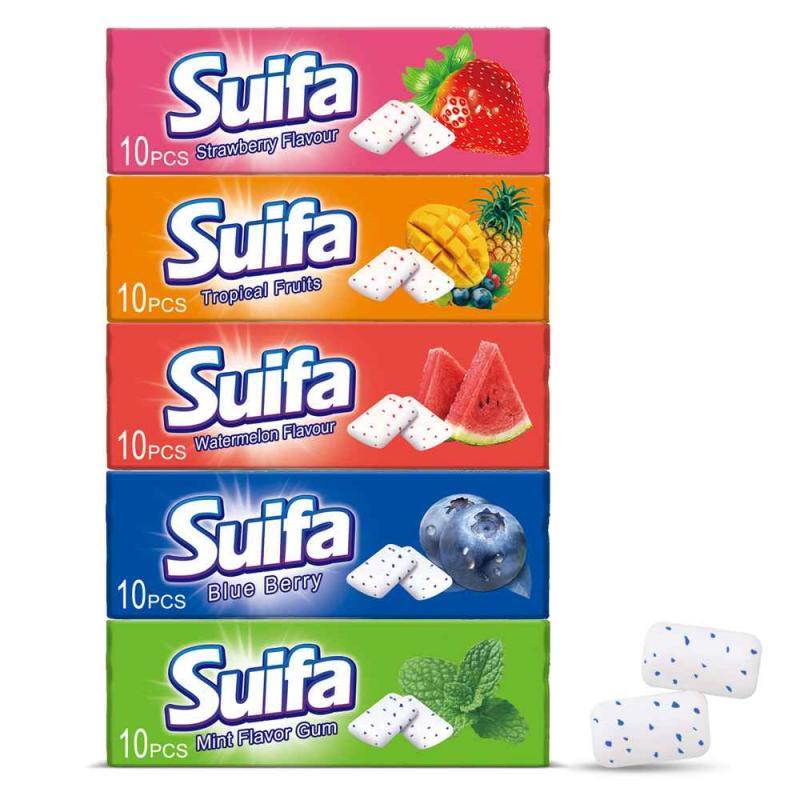
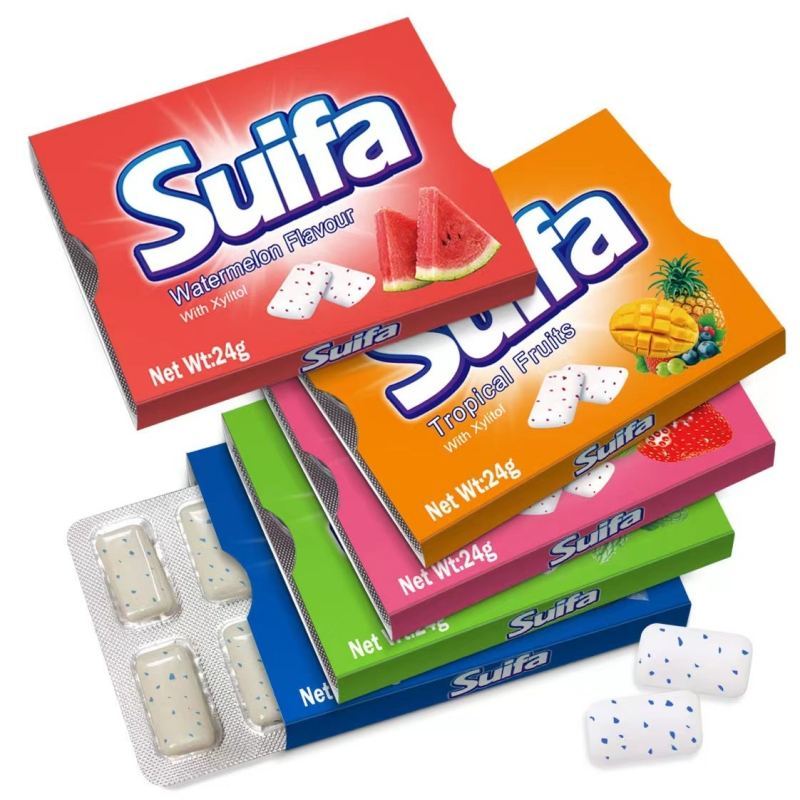
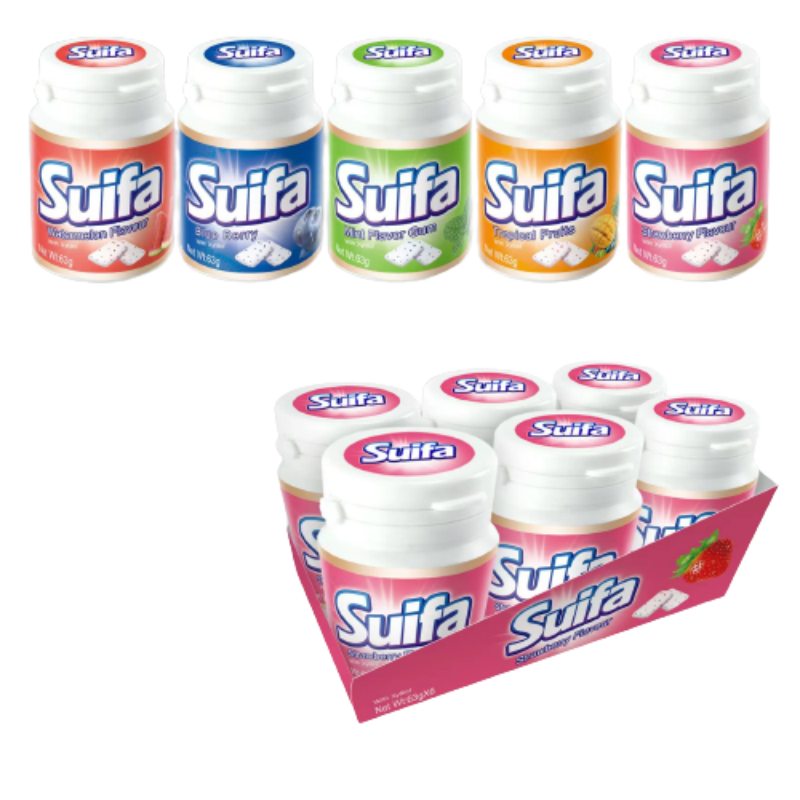
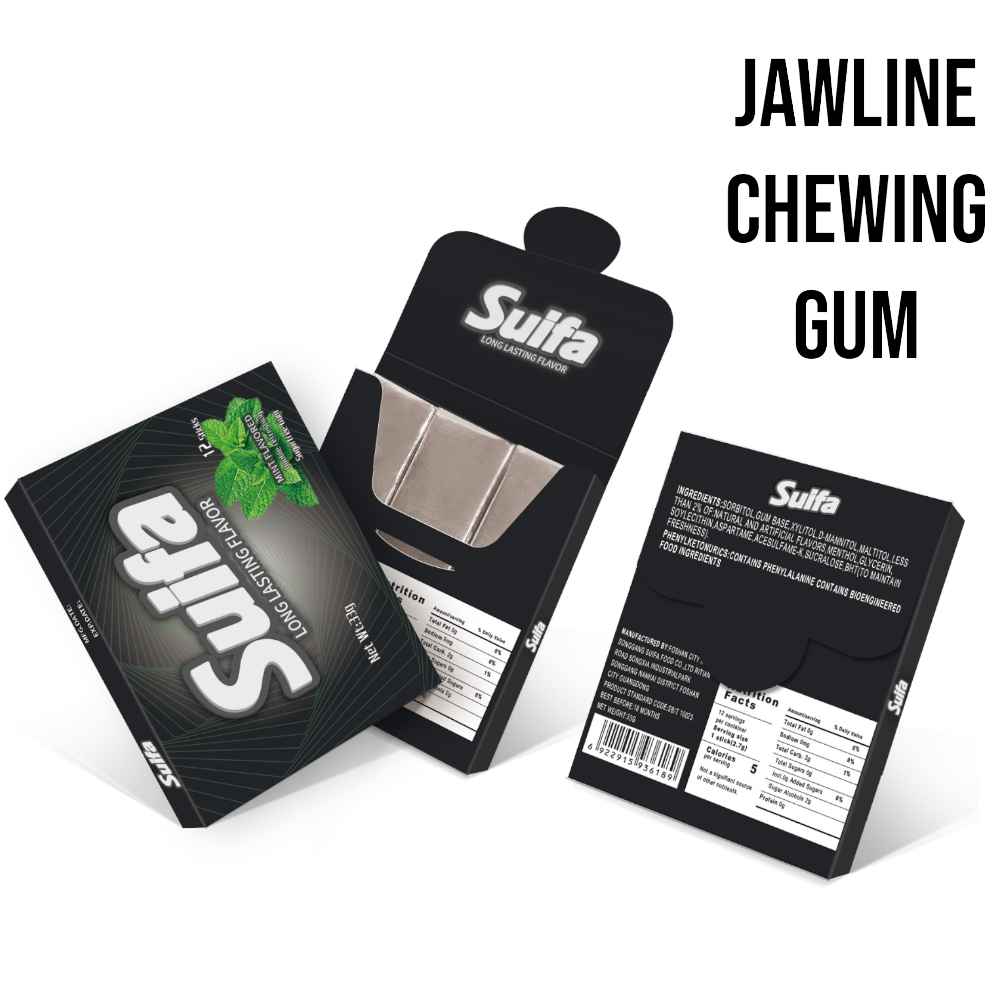
Bulk Healthy Natural Xylitol Sugar Free Tablet Chewing Gum
Detail

Checking Order
Quality Test Before Delivery
Check Items When Packing
Packaging And Transport
Send Inquiry Now!
Choose Suifa, Boost Your Candy and Gum Project!
Discover excellent gum and candy products at our factory. We create custom solutions for our customers. Join us for exclusive insights, customized products and partnerships. Leave your contact info we'll be back in touch within 12 hours!
Choose Suifa, take your bussiness to the next level!



Contact Us
WELCOME TO SUIFAFOOD YOUR TRUSTED MANUFACTURER OF GUM AND CANDY
Address: No.8 Ritian Road Songxia lndustrial AreaSonggang Nanhai, Foshan, Guangdong, China

