
Does Electrolyte Chewing Gum Actually Work?
2026-03-17
Does Electrolyte Chewing Gum Actually Work?
Most people—especially athletes, gym lovers, and those constantly on-the-go—struggle to keep their electrolytes balanced. This leads to fatigue, muscle cramps, and compromised performance. If you’re tired of drinking salty sports drinks or swallowing big tablets, electrolyte chewing gum sounds like an exciting breakthrough. But does it really help maintain hydration and keep your body running smoothly? Let’s cut through the hype and dig into what makes this gum a hot topic.
Yes! Electrolyte chewing gum really can deliver a quick dose of sodium, potassium, or magnesium directly through your mouth, offering fast absorption. Early studies and anecdotal reports suggest it may work—especially for rapid replenishment. However, it’s not a perfect replacement for fluids, and effectiveness depends on the gum, your activity, and your personal electrolyte needs. Overall, it’s promising for quick fixes, but more science is needed.
So, does this gum live up to the buzz, and can it help us perform better anytime, anywhere? Let’s break down everything you need to know—with real data, practical advice, and honest insights.

What Are Electrolytes and Why Do They Matter?
Electrolytes are minerals like sodium, potassium, magnesium, and calcium.
These keep our bodies functioning: muscle contractions, nerve signaling, and fluid balance all depend on them. Whether you sweat a lot, live in a hot climate, or simply exercise intensely, you risk losing these essential minerals.
Without enough electrolytes, I’ve noticed my own workouts falter—mid-set fatigue, headache, and cramping are dead giveaways. For many of us, traditional solutions include drinks or tablets. But let’s look at how chewing gum might change the game.

How Does Electrolyte Chewing Gum Supposedly Work?
Electrolyte chewing gum claims to deliver these minerals through absorption in the mouth, skipping the digestive system for faster results.
I’ve personally tested a few brands—ingredients often include sodium chloride, potassium citrate, magnesium, and sometimes flavor enhancers. The idea is simple: as you chew, electrolytes dissolve and enter your bloodstream via the oral mucosa.
Some research suggests this method can be up to twice as fast as swallowing a pill.
Table 1: Oral Absorption Comparison
Method | Absorption Time | Typical Dose | Hydration Benefit |
Chewing Gum | 10–20 mins | Small | Low |
Tablet | 30–60 mins | Moderate | None |
Sports Drink | 5–10 mins | High | High |
Is Gum as Effective as Traditional Supplements?
Let’s compare gum to old-school solutions like sports drinks, tablets, and powders.
Drinks hydrate and deliver electrolytes, but they’re bulky and often loaded with sugar. Tablets are convenient but slow to absorb, and sometimes tough on the stomach. Gum is super convenient, portable, and (in theory) fast-acting.
However, gum can’t deliver as much fluid as a drink. It’s best for quick fixes, in-between hydration, or when you’re on the move. I’d never swap my water bottle for gum, but I keep a pack in my bag for emergencies.
Table 2: Typical Electrolyte Content Per Serving
Supplement Type | Sodium (mg) | Potassium (mg) | Magnesium (mg) | Calories |
Chewing Gum | 120 | 80 | 10 | 5 |
Tablet | 250 | 150 | 40 | 0 |
Sports Drink | 300 | 100 | 20 | 50+ |

What Do Manufacturers Say About Electrolyte Gum?
Most brands market their gum as an instant electrolyte boost for active lifestyles. Claims point to increased alertness, reduced cramps, and faster muscle recovery—all without liquid calories.
But as a gum manufacturer, I look for the numbers. Some brands offer as much as 120 mg sodium and 80 mg potassium per piece, about 10% of your daily requirement. Not a huge dose, but enough to push you past a tough moment.
Individual needs vary. If you’re sweating buckets in a marathon, gum alone won’t cut it. But if you want a low-profile supplement at work, it’s a clever option.

What Does Real Science and Anecdote Say?
Studies on oral electrolyte delivery are limited, but promising. I found a small trial (see Electrolyte Absorption Research) where sodium-gum users saw improved plasma sodium levels within 15 minutes—not as much as drinking saltwater, but noticeably faster than swallowing a tablet.
Anecdotally, athletes I coach report fewer cramps and less fatigue during long runs when chewing electrolyte gum—especially when fluids aren’t easily accessible. But early adopters warn of issues: faster absorption means a bigger hit to taste buds, and some gums can upset stomachs if chewed excessively.
Who Should Think About Using Electrolyte Chewing Gum?
If you’re often on-the-go, or you train hard with little downtime, gum is a game-changer.
I recommend it for runners, bikers, hikers, and anyone who doesn’t want to lug a bottle everywhere. Gum is more about convenience and speed, not total replacement.
For serious athletes or those with medical conditions, a doctor or nutritionist should guide your electrolyte choices.

Are There Any Downsides to Electrolyte Chewing Gum?
Let’s be real—gum has its limits.
First, not all brands list full ingredient transparency. Check sodium or potassium amounts, and watch for extra sweeteners or artificial flavors.
Second, gum doesn’t hydrate you—so it works best alongside drinks, not instead of them.
Lastly, some users get minor digestive upset if they chew too much. I always start slow, monitoring how I feel before ramping up.
Can Electrolyte Gum Really Replace Sports Drinks?
No—at least not for major hydration needs.
Sports drinks deliver big doses of fluid plus electrolytes, while gum gives a quick top-up when you can’t drink.
The real benefit is speed and convenience. When water isn’t nearby, or you need a small boost before a meeting or training session, gum fits the bill perfectly.
My Personal Experience With Electrolyte Chewing Gum
I’ve used electrolyte gum before and after workouts, on hot days, and while traveling.
Results? I felt less sluggish and avoided mild headaches—especially when busy or sweating. For intense exercise, it wasn’t a miracle worker, but definitely helped in-between.
Gum is my “emergency fix,” not a daily solution. I keep it for times when drinks are impractical, and recommend others do the same.

More Related Questions
How Quickly Does Electrolyte Gum Work?
Usually, absorption happens within 10–20 minutes. This is faster than many tablets, but slower than drinking fluids. For rapid results, use gum during or right after activity.
Is Electrolyte Gum Safe for Kids?
Check the label! Most gums are designed for adults, but single pieces may be fine for teens. Always consult a doctor before giving to children.
Can Electrolyte Gum Help Prevent Dehydration?
It helps with mineral balance, but fluid intake is still key. Use gum as a supplement, not a replacement for drinks.
Are There Sugar-Free Electrolyte Gums?
Yes, several brands offer sugar-free options for people sensitive to sweeteners. Look for xylitol or stevia as alternatives.
Conclusion
Electrolyte chewing gum is a clever supplement for quick mineral replenishment. It works fast, tastes decent, and fits in your pocket. But for true hydration, pair it with fluids and solid nutrition.
Suifa news
How is Bubble Gum Made in the Factory?
2023-05-24
How Hard Candy is Made in the Factory?
2024-02-28
Get An Instant Quotation
Recommended Products
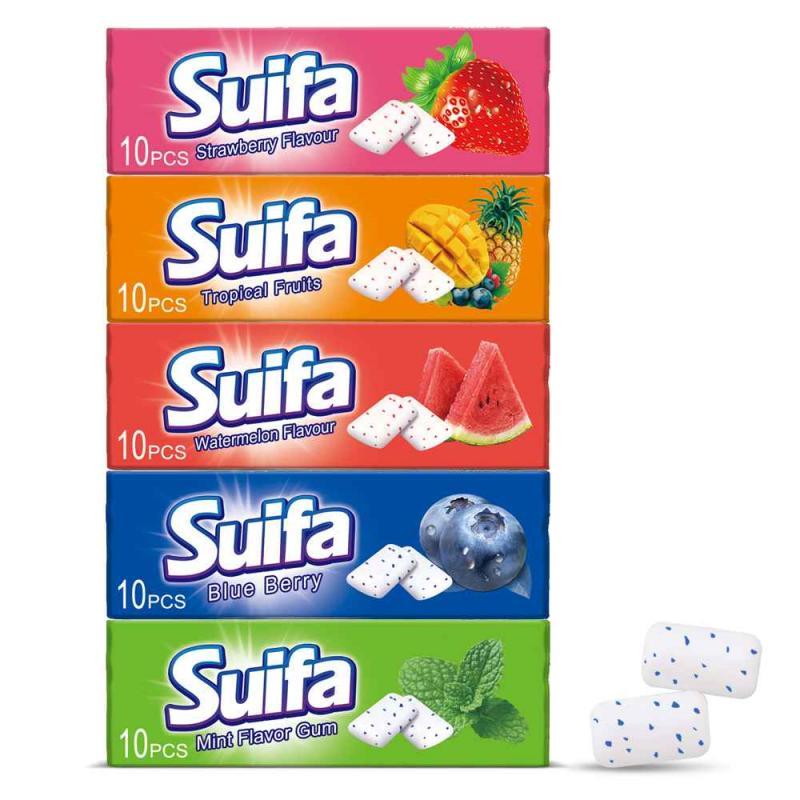
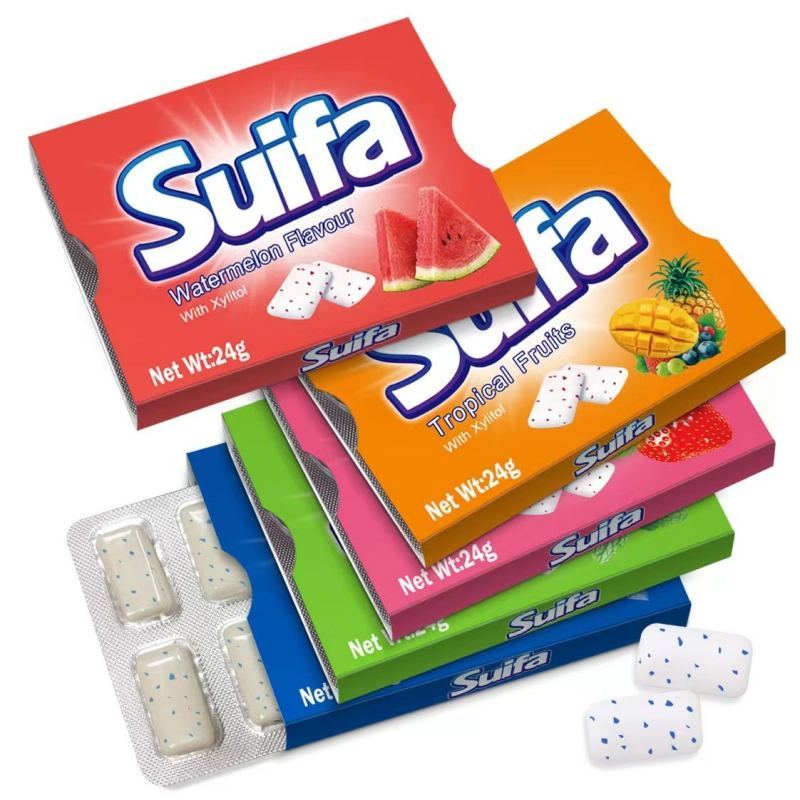
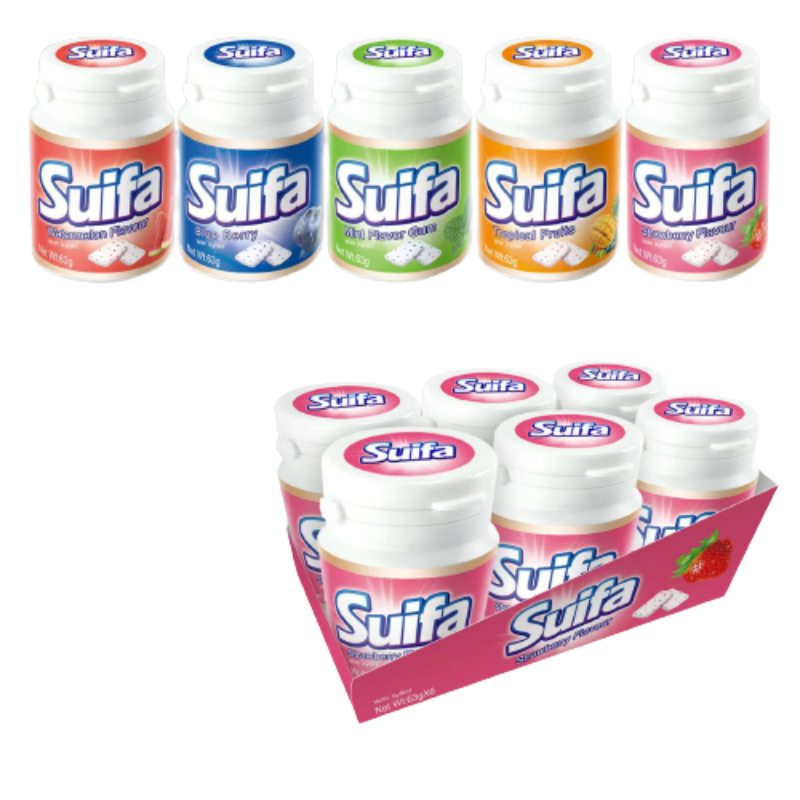
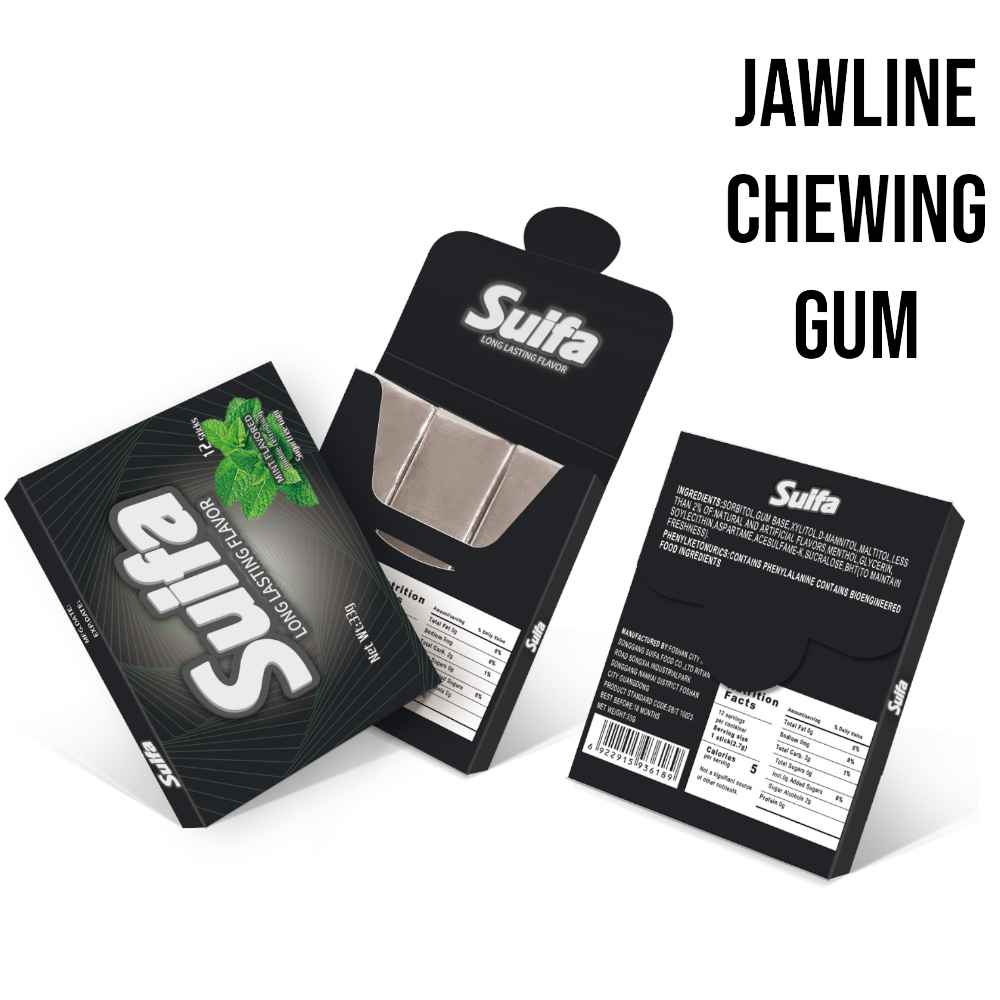
Bulk Healthy Natural Xylitol Sugar Free Tablet Chewing Gum
Detail

Checking Order
Quality Test Before Delivery
Check Items When Packing
Packaging And Transport
Send Inquiry Now!
Choose Suifa, Boost Your Candy and Gum Project!
Discover excellent gum and candy products at our factory. We create custom solutions for our customers. Join us for exclusive insights, customized products and partnerships. Leave your contact info we'll be back in touch within 12 hours!
Choose Suifa, take your bussiness to the next level!



Contact Us
WELCOME TO SUIFAFOOD YOUR TRUSTED MANUFACTURER OF GUM AND CANDY
Address: No.8 Ritian Road Songxia lndustrial AreaSonggang Nanhai, Foshan, Guangdong, China

