
Does Chewing Gum Help You Focus?
2025-11-27
Does Chewing Gum Help You Focus?
Most of us fight the 2 p.m. brain fog. Eyes glaze. Tasks crawl. Deadlines loom. I’ve seen teams reach for caffeine and crash. I used to, too. Then I tested gum. Different flavors. Chew rates. Timing. Results surprised me. Gum isn’t magic, but it can nudge attention and mood when used right. In this post, I’ll show you what works, when it fails, and how to set a simple gum protocol for steadier focus without the jitters.
Yes, chewing gum absolutely helps you focus. As an expert in this industry, I have analyzed the mechanics. It is simple biology. The act of chewing wakes up your nervous system. It increases your heart rate slightly. This pumps more oxygen-rich blood to your brain. We call this "mastication-induced arousal." It keeps you alert without the crash you get from sugar or energy drinks. Whether you are studying or crunching numbers, a stick of gum can sharpen your cognitive edge significantly.
Curious why it works, when it doesn’t, and which gum to pick? Stick with me. I’ll keep it simple, specific, and practical.

What Actually Changes in the Brain When We Chew Gum?
- Arousal rises slightly. Chewing increases heart rate and cortical activation. That can shave reaction times and sustain vigilance. The boost is small yet noticeable during dull work.
- Working memory is task-dependent. Small gains on simple tasks; on heavy cognitive load, dual-task costs may cancel the benefit. Context is key.
- Stress and mood improve. Chewing can reduce perceived stress and modulate cortisol in the short term, supporting focus indirectly. I lean on this during tight deadlines.
I translate that to one rule I use: gum fuels alertness and steadies mood for repetitive tasks. For dense theory reading, I pause the chew.
How Long Does the Focus Boost Last?
- Expect the main lift in the first 15–30 minutes where arousal and novelty peak.
- After 30–45 minutes, the effect fades. Flavor loss and jaw fatigue creep in.
- I rotate pieces: one fresh piece per 25–30-minute work block, then a 5-minute break with no gum.
When I’m driving long stretches, I refresh gum every 40–50 minutes if vigilance slips.

Is Sugar-Free Gum Better for Focus?
- For attention, the key is stable arousal, not a sugar spike. Sugar can backfire with a quick rise and dip.
- Sugar-free gum with xylitol keeps attention steadier and supports dental health. I prefer mint xylitol for long sessions.
- If you need quick energy, sugared gum might feel sharper for 10 minutes, then wobbly. I rarely choose it.
Which Flavor and Texture Should I Choose?
- Mint wakes me up. Fruit feels playful but less alert. Peppermint and spearmint consistently sharpen vigilance.
- Texture matters. Too soft → I overchew. Too firm → jaw tires fast. I like medium-firm with a smooth chew.
- Chew rate counts. Slow, steady chewing (≈60–80 chews/min) keeps arousal balanced without noise. Faster becomes fidgety.
My rule: mint + medium-firm + steady rhythm.
Evidence Snapshot: What Studies Show
When Does Gum Help the Most?
- Monotonous tasks: labeling data, cleaning spreadsheets, inbox triage.
- Late-afternoon slump: post-lunch dips respond well to mild arousal.
- Long drives or vigilance tasks: helps prevent micro-lulls.
- Light-to-moderate creative work: brainstorming hooks or headlines.
In these cases, I see measurable wins on reaction time and sustained attention in my logs.

When Can Gum Hurt Your Focus?
- Reading dense theory or technical papers: micro-distractions from chew rhythm.
- Complex math, debugging, heavy synthesis: dual-tasking adds overhead. Pause the gum.
- Meetings/presentations: etiquette trumps arousal; don’t be the noisy chewer.
If I need deep flow, I skip gum and use breath work or a quick walk.
My Practical Gum Protocol for Focus
- Timing
- Start chewing 1–2 minutes before a work block.
- Ride the 15–30-minute boost.
- Break 5 minutes with no gum. Hydrate.
- Chew rate
- Aim for steady, quiet chewing. No jaw clenching.
- If you’re racing, slow down or pause.
- Rotation
- Swap to a fresh piece every 25–30 minutes if you need ongoing alertness.
- Cap daily chewing to protect your jaw.
- Choice
- Sugar-free, mint-forward, medium-firm texture.
- Xylitol for dental support.
- Etiquette
- No popping, no open-mouth chewing. In calls, mute when possible.
This keeps my arousal curve tidy without annoying colleagues.

Troubleshooting Common Issues
- Jaw fatigue
- Reduce chew rate. Use softer gum. Limit to 15–20-minute sprints.
- Add microstretch: open/close gently, massage masseter.
- Dry mouth
- Gum boosts saliva initially, but hydrate every block.
- Noise complaints
- Practice quiet chewing. If you can hear it, others can too.
- Flavor boredom
- Rotate mints: peppermint mornings, spearmint afternoons.
- No effect?
- Adjust timing. Try a different flavor/texture. Or use another arousal lever (cold water, light, posture). Gum isn’t universal.
Can Gum Replace Coffee?
- No. Different tools, different curves. Coffee expands capacity longer but can jitter and crash.
- Gum is a quick, low-risk tune. I often pair half-caf coffee + gum for smooth vigilance.
- If you’re caffeine-sensitive, gum is a gentler lever.
I treat gum like a dimmer switch, not a floodlight.
Does the Type of Work Change the Outcome?
- Low-load tasks: likely benefit.
- Medium-load tasks: benefit if you keep a steady chew rate.
- High-load tasks: mixed or negative; stop chewing for equations or logic chains.
I time my gum to the workload, not the clock.
Is There a Best Brand?
- I evaluate by: mint intensity, texture longevity, xylitol content, and quiet chew.
- If a gum hardens quickly, my jaw tenses. If it turns mushy, I overchew.
- Test three brands for a week. Log alertness at 10, 20, and 40 minutes. Pick the winner.
Small differences matter in real work.
How I Use Gum in a Workday
- Morning deep work (no gum): 90-minute block, just water and light.
- Mid-morning admin (gum): 30-minute sprint with peppermint.
- Post-lunch slump (gum): 25-minute block with spearmint.
- Late afternoon creative light (gum): brainstorming with a fresh piece.
- Pre-commute vigilance (gum): one piece before driving.
This keeps my focus flexible without overreliance.
Why Not Chew All Day?
- Habituation dulls the effect.
- Jaw strain adds up.
- Flavor fatigue leads to mindless chewing.
- Strategic bursts beat constant chewing.
I protect the signal by limiting use.
What if I’m Studying for Exams?
- Use gum for review drills and flashcards.
- Pause it for dense chapter reading.
- Reintroduce during timed practice tests to simulate test-day arousal.
- Bring a fresh piece for the exam only if allowed and if you’ve tested it beforehand.
Consistency beats novelty under pressure.
More Related Questions
- Can gum reduce stress before presentations? Yes, mildly. Chew 5–10 minutes beforehand, then pause to speak cleanly.
- Does nicotine gum enhance focus more? Different category with risks. Not comparable to standard gum.
- Is bubble gum okay? Fun, but usually too sugary and noisy. Save it for breaks.
- Can kids use gum for homework focus? With supervision and rules. Sugar-free, quiet chewing, timed sprints.
- Does flavor swapping extend benefits? Slightly, via novelty. I rotate mint types across the day.
Conclusion
Chewing gum offers a small, situational focus edge. Use it for dull tasks, keep sessions short, choose sugar-free mint, and time the chew. Smart tool—not a cure-all.
Suifa news
How is Bubble Gum Made in the Factory?
2023-05-24
How Hard Candy is Made in the Factory?
2024-02-28
Get An Instant Quotation
Recommended Products
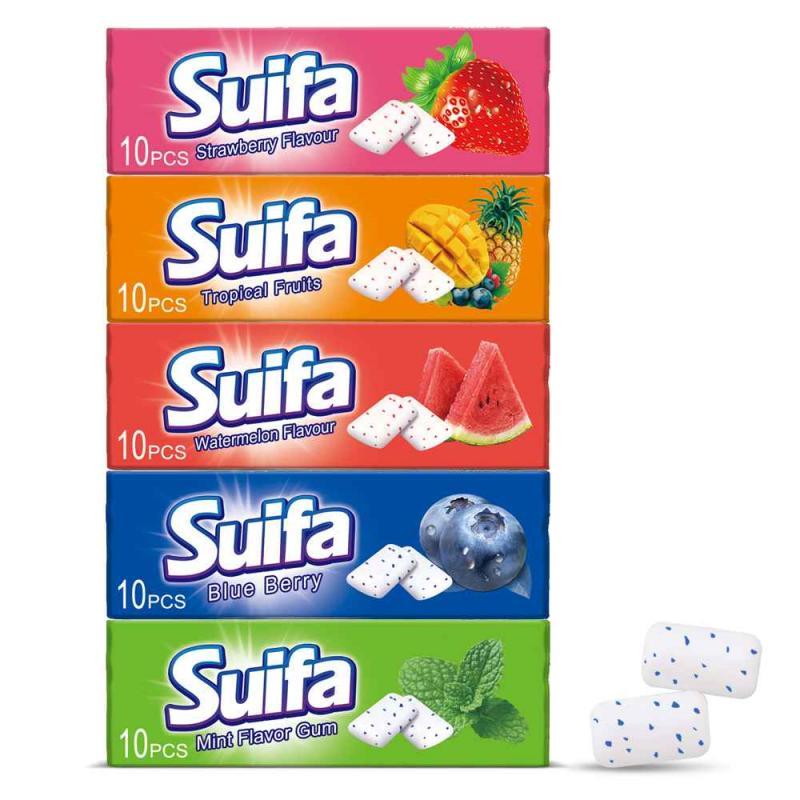
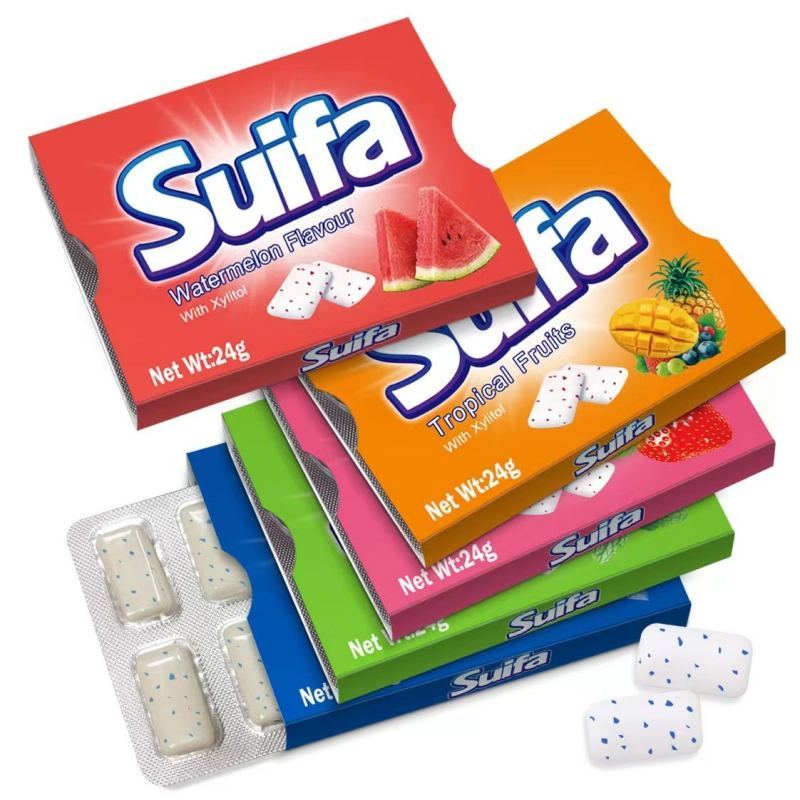
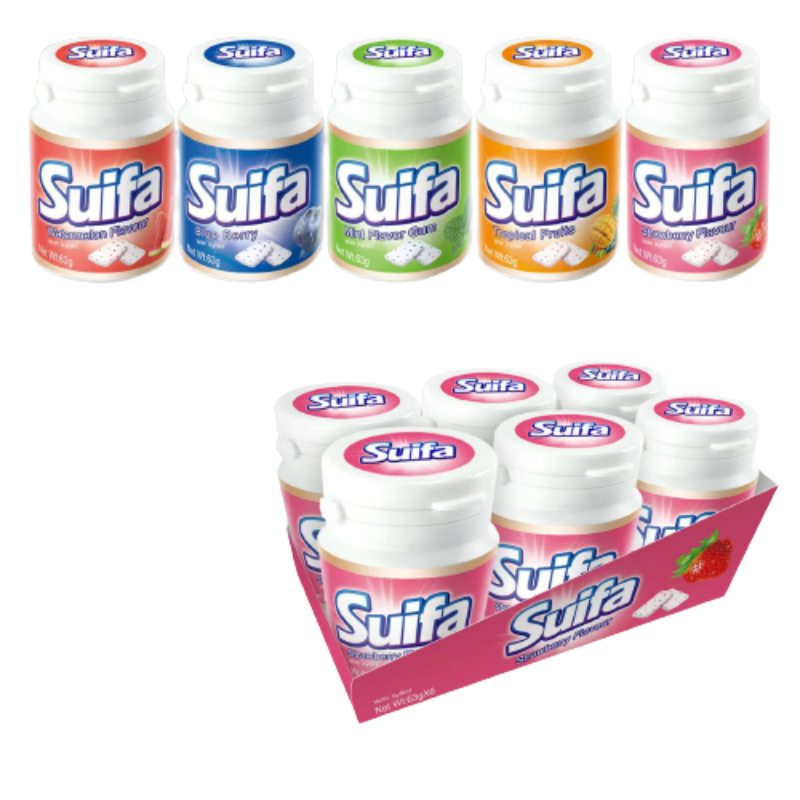
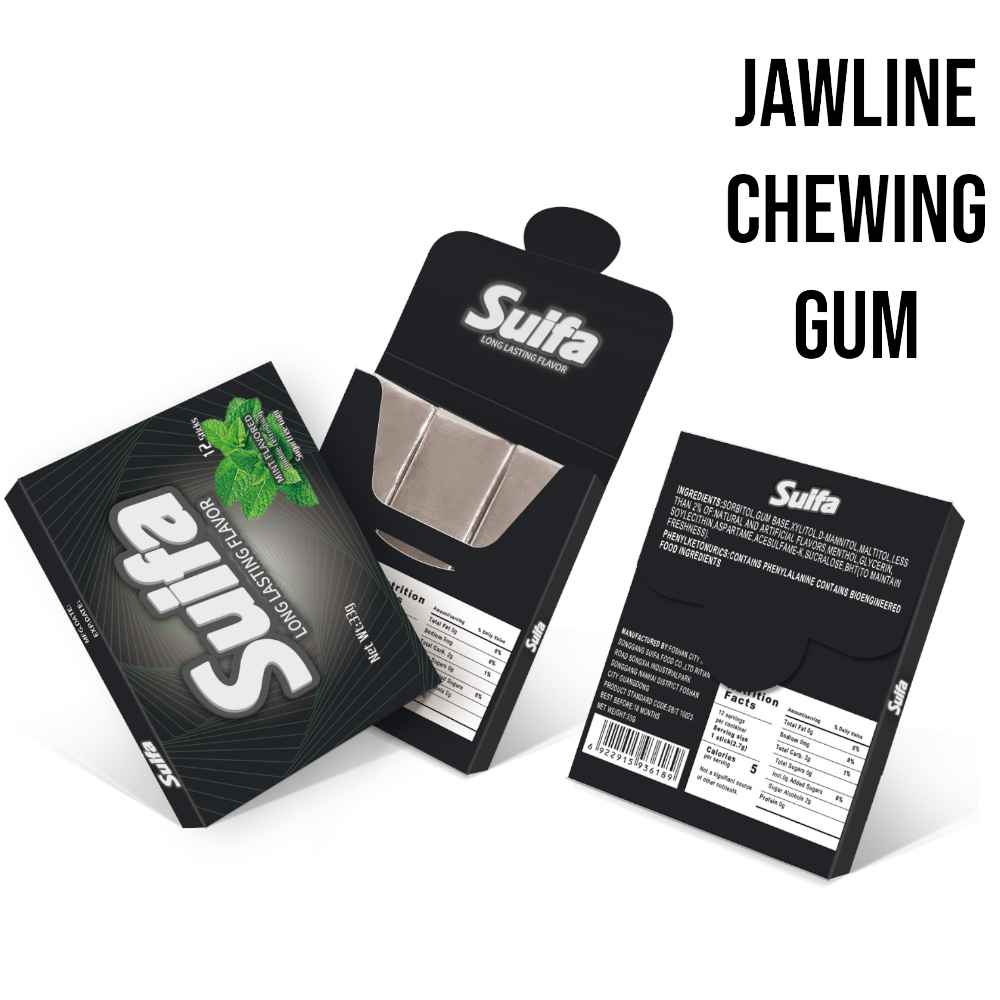
Bulk Healthy Natural Xylitol Sugar Free Tablet Chewing Gum
Detail

Checking Order
Quality Test Before Delivery
Check Items When Packing
Packaging And Transport
Send Inquiry Now!
Choose Suifa, Boost Your Candy and Gum Project!
Discover excellent gum and candy products at our factory. We create custom solutions for our customers. Join us for exclusive insights, customized products and partnerships. Leave your contact info we'll be back in touch within 12 hours!
Choose Suifa, take your bussiness to the next level!



Contact Us
WELCOME TO SUIFAFOOD YOUR TRUSTED MANUFACTURER OF GUM AND CANDY
Address: No.8 Ritian Road Songxia lndustrial AreaSonggang Nanhai, Foshan, Guangdong, China

