
How Much Does It Cost to Manufacture Chewing Gum?
2025-09-20
How Much Does It Cost to Manufacture Chewing Gum?
As a chewing gum manufacturer, I know firsthand how challenging it is to unravel the true costs behind each stick or pellet of gum. The constant juggling of raw material expenses, machinery investments, and workforce management keeps me on my toes. With rising supplier prices and new packaging trends every year, calculating our bottom line isn’t always straightforward. Like many in the gum industry, I often feel pressure to keep costs low without sacrificing quality for our business partners or their customers.
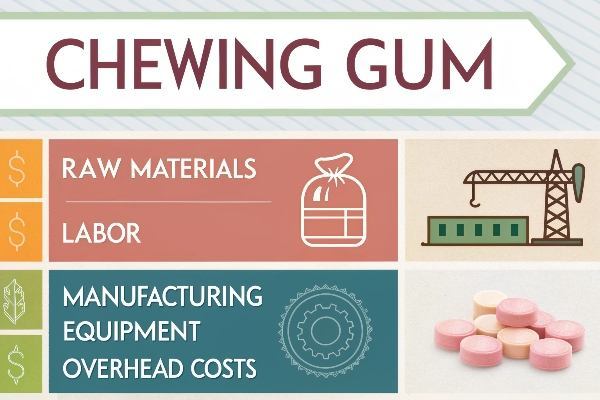
The cost to manufacture chewing gum generally ranges from 0.01 to 0.05 per piece, depending on ingredients, batch size, equipment used, and packaging. Typically, raw materials account for the biggest expenses, followed by machinery, labor, utilities, and packaging. Achieving optimal cost efficiency requires a strategic approach to sourcing and production scaling.
Let's be honest—the answer above just scratches the surface. With so many factors shaping your production expenses, understanding the true costs is essential to making smarter business decisions. So, let’s dive a little deeper.
What Are the Main Ingredients and Their Costs?
When it comes to chewing gum production, your choice of ingredients does more than just impact the flavor or texture. It directly affects your cost structure. Here’s a quick breakdown:
- Gum Base: The foundation of every chewing gum. Prices fluctuate based on whether synthetic or natural base is used. On average, expect $2-4 per kilogram for standard synthetic bases. Natural alternatives can cost up to $8 per kilogram (MarketsandMarkets – Gum Base Market).
- Sweeteners: Sugar is the most affordable at around 0.50 per kilo, but most B2B clients prefer sugar−free options like xylitol or sorbitol, which can shoot up to 3-6 per kilo.
- Flavorings: Flavors are surprisingly varied. Menthol and mint extracts average $20-30 per kilo. More exotic or custom blends push this higher (Allied Market Research – Food Flavors Market Analysis).
- Colorants: Used sparingly, typically less than $1 per kilo for standard food dyes (Markets and Markets – Food Colors Market).
On a per-piece basis, the raw material cost for an average commercial gum typically lands around $0.005 to $0.015. It’s crucial to source reliable suppliers to avoid quality dips and unexpected price swings, especially as global supply chains remain volatile.
How Much Are Equipment and Maintenance Investments?
You can’t run a successful gum factory without robust machinery. In my experience, chewing gum manufacturing lines require a significant upfront investment, but the payback comes with volume.
- Standard Machinery: A full industrial chewing gum line (including mixers, extruders, cooling tunnels, and wrappers) ranges from $80,000 to $350,000. Modular setups let you start small and scale up.
- Ongoing Maintenance: Budget roughly 30,000 annually for preventive maintenance, spare parts, and occasional upgrades.
- Depreciation: For most facilities, amortizing equipment across five to ten years makes the per-unit cost manageable.
If you’re running high volumes, that machinery cost per piece drops fast. At low volumes, though, setup costs can eat away your profits.
What Are the Labor Costs for Chewing Gum Manufacturing?
B2B clients often overlook this category, but workforce management is critical to operational success—and expense control.
- Staff Requirements: For a medium-scale factory, you may need 10-20 operators, plus supervisors and QA staff. Expect higher labor intensity if hand-wrapping or artisanal processes are involved.
- Labor Rate: Depending on your region, skilled labor averages 30/hour (U.S. Bureau of Labor Statistics – Occupational Outlook). Automation can trim ongoing costs, but the initial buy-in is steeper.
- Efficiency Tactics: Cross-training and incentivized productivity bonuses can reduce overall labor expenses without sacrificing quality.
Labor-related costs generally range from $0.002 to $0.01 per piece in a well-run facility.
How Much Does Packaging Affect Manufacturing Cost?
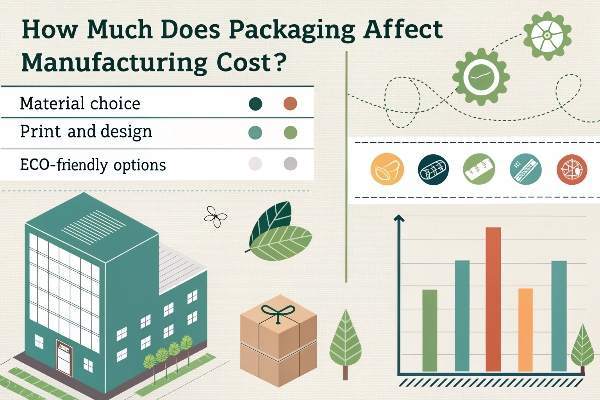
Don’t underestimate the packaging! After raw materials, it’s often the second-largest expense in your cost-per-piece breakdown.
- Material Choice: Material Choice: Basic foil wrappers cost around $0.002 per unit, while sophisticated blister packs and branded boxes can climb to $0.02-$0.05 each.
- Print and Design: Going the custom route? Expect setup fees and plate charges upward of $500 per design.
- Eco-Friendly Options: Compostable and recyclable materials are increasingly in demand—and cost about 30% more on average.
Packaging isn’t just a brand decision. It’s a cost variable with real, ongoing impact for every order you fulfill.
Does Production Volume Really Make a Difference?
Absolutely. In manufacturing, scale is your friend.
- Economies of Scale: Fixed costs (like machinery and labor) shrink on a per-unit basis as your total output rises. Producing a million pieces brings your per-unit overhead way down, whereas small batch runs drive costs much higher (Investopedia – Economies of Scale).
- Bulk Purchasing: Buying ingredients and packaging in bulk can shave 5-20% off your supply bills if your storage capacity allows.
- Contract Manufacturing: For emerging brands, using contract manufacturers can give you scale advantages without full capital investment.
In short, planning volume and supply chain with intention means more profit margin at every step.
What About Regulatory and Quality Control Costs?
Chewing gum is a food product—so tight regulations and QA checks are non-negotiable.
- Testing and Certification: Expect 5,000 per year for routine microbial testing, allergen screening, and approved certification.
- Document Management: Maintaining regulatory paperwork, batch logs, and process audits usually runs another 3,000 annually.
- Supplier Auditing: Occasionally, you’ll need to audit your ingredient sources, especially for international markets.
Strict quality protocols save you from costly recalls and bolster your reputation with B2B buyers.
Utility and Overhead Expenses—What Should You Budget?
Utilities can be a sneaky contributor to your bottom line, especially with energy-intensive processes.
- Electricity: Keeping those production lines rolling eats a lot of power. For mid-size plants, anticipate 5,000 per month (Energy Star – Industrial Energy Management).
- Water and Waste: Cleaning equipment and handling waste bring additional overhead, sometimes up to $500 per month.
- Insurance, Rent, and Admin Costs: These vary based on location, but always factor in to arrive at an accurate per-unit figure.
Combined, these overhead costs usually add $0.001–$0.004 to each piece’s cost.
How Do You Calculate the Total Cost Per Run?
Let’s look at a standard 100,000-piece order for a mid-market brand:
| Category | Est. Cost per Piece | Total Cost |
|---|---|---|
| Raw Materials | $0.008 | $800 |
| Packaging | $0.010 | $1,000 |
| Labor | $0.005 | $500 |
| Utilities/Overhead | $0.003 | $300 |
| QA/Compliance | $0.001 | $100 |
| Equipment (depr.) | $0.003 | $300 |
| Total | $0.030 | $3,000 |
Depending on your focus—premium ingredients, eco-packaging, or high volume—your specific per-piece total may come in higher or lower than $0.03. Regularly reviewing your cost framework helps you stay competitive.
More Related Questions
1. How Can We Reduce Chewing Gum Manufacturing Costs?
- Optimize supplier contracts. Regularly bid out your key materials.
- Increase batch size. Larger runs mean better fixed cost absorption.
- Automate where possible. Upfront investment pays long-term savings.
- Streamline packaging. Avoid unnecessary design changes or non-standard materials.
2. What Are the Hidden Costs in Chewing Gum Manufacturing?
- Downtime and repairs: Unscheduled maintenance or operator errors can eat into margins.
- Regulatory changes: New labeling or ingredient rules mean unexpected compliance budgets.
- Customer returns: Product recalls or shipping problems—rare, but real.
3. Why Are Ingredient Choices So Critical?
- Consumer trends (non-GMO, vegan, sugar-free) not only shape demand, but also pricing.
- Using premium or custom ingredients raises both COGS and retail price potential.
- Cheap ingredients can lead to flavor loss or shorter shelf life, hurting long-term sales.
4. How Long to Recoup an Equipment Investment?
- Most manufacturers see ROI in 3-5 years—faster if you land consistent, multi-million-piece contracts.
5. Should We Use Contract Manufacturing or Build Our Own Factory?
- New brands or test launches can benefit from contract manufacturing to minimize upfront risk.
- Established brands save in the long term by owning their own production.
Conclusion
Chewing gum production costs can seem overwhelming, but understanding the breakdown makes budgeting far easier. With smart sourcing, volume management, and equipment choices, B2B manufacturers can maximize profit and scale successfully.
Suifa news
How is Bubble Gum Made in the Factory?
2023-05-24
How Hard Candy is Made in the Factory?
2024-02-28
Get An Instant Quotation
Recommended Products
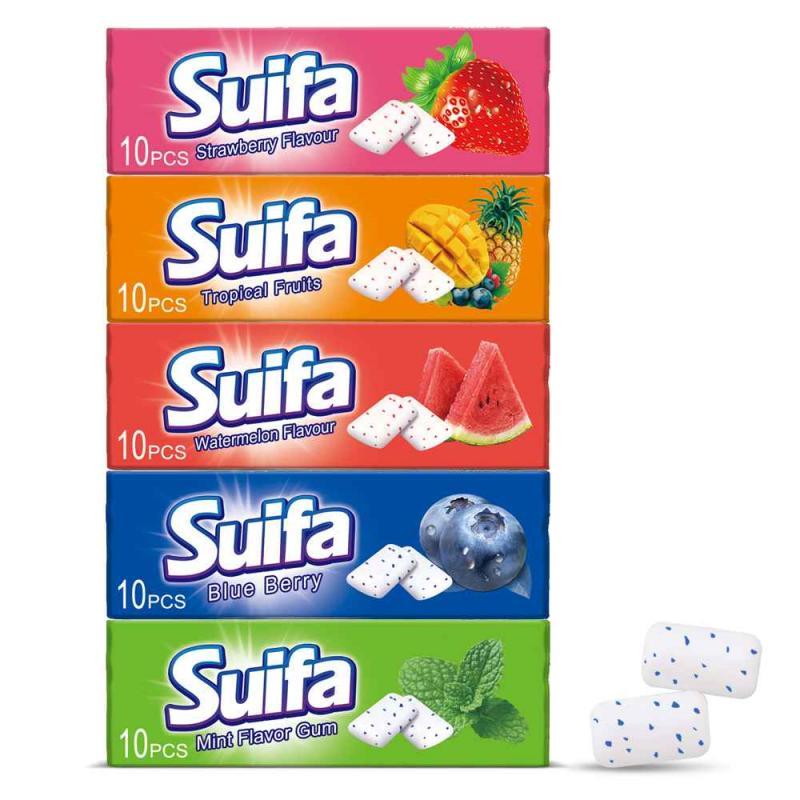
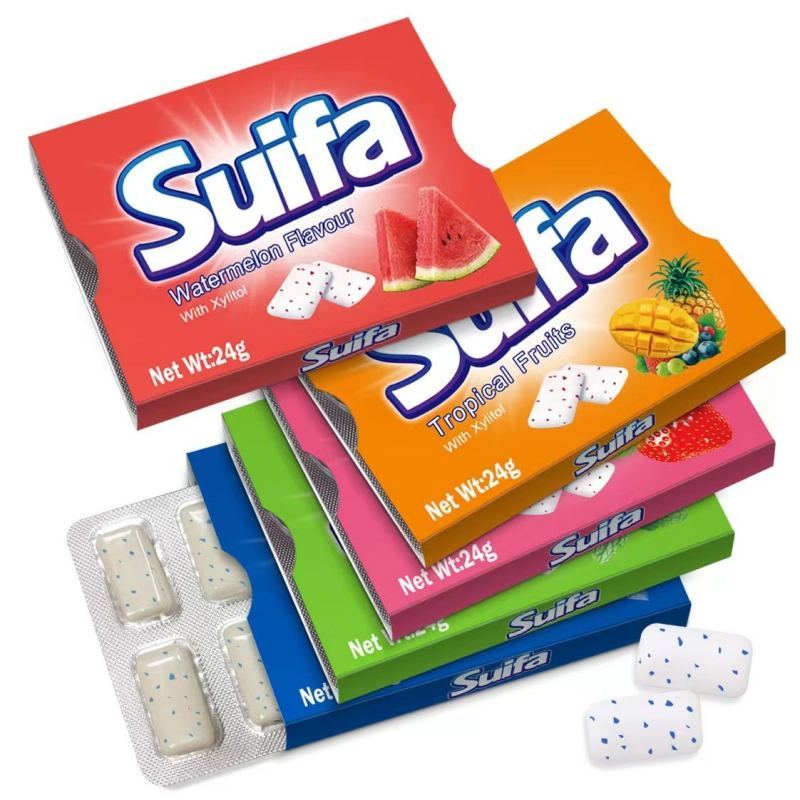
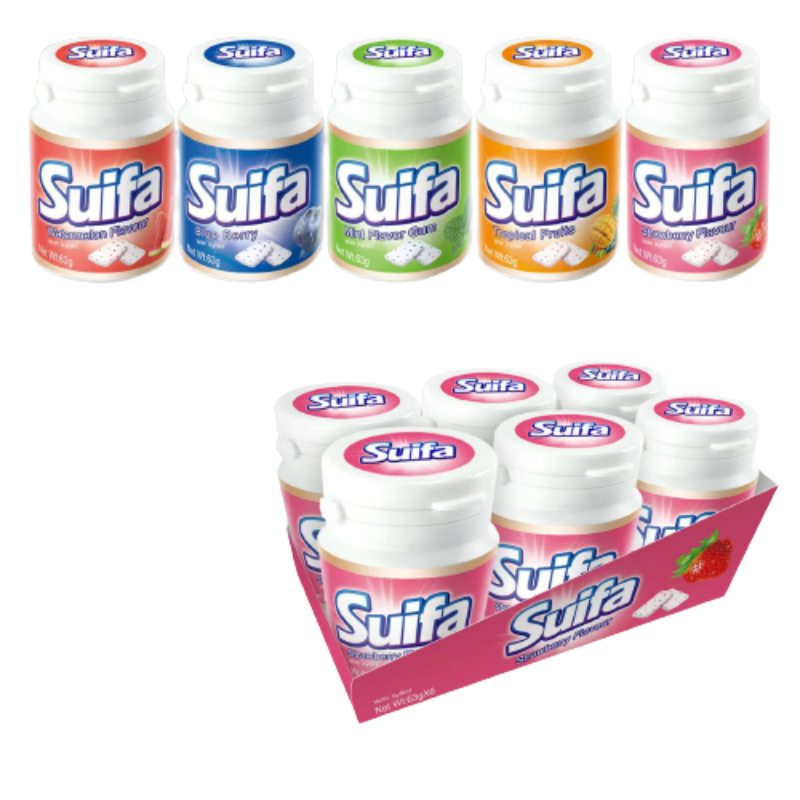
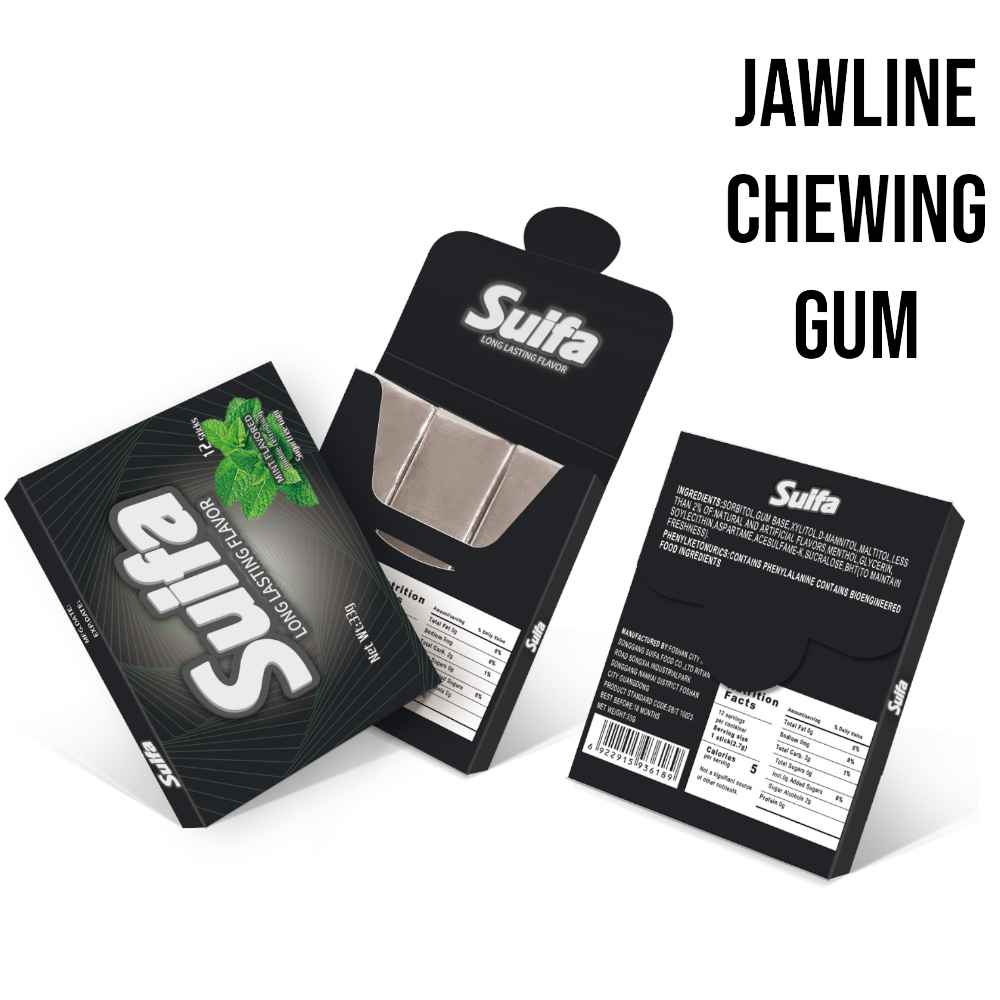
Bulk Healthy Natural Xylitol Sugar Free Tablet Chewing Gum
Detail

Checking Order
Quality Test Before Delivery
Check Items When Packing
Packaging And Transport
Send Inquiry Now!
Choose Suifa, Boost Your Candy and Gum Project!
Discover excellent gum and candy products at our factory. We create custom solutions for our customers. Join us for exclusive insights, customized products and partnerships. Leave your contact info we'll be back in touch within 12 hours!
Choose Suifa, take your bussiness to the next level!



Contact Us
WELCOME TO SUIFAFOOD YOUR TRUSTED MANUFACTURER OF GUM AND CANDY
Address: No.8 Ritian Road Songxia lndustrial AreaSonggang Nanhai, Foshan, Guangdong, China

