
What is Chicle in Chewing Gum?
2025-04-30
What is Chicle in Chewing Gum?
Have you ever wondered what gives chewing gum its signature chewiness? Most people don't realize that the answer lies in a natural substance called chicle. But with synthetic alternatives dominating the market, is chicle still relevant today? In this post, I'll answer that question and dive into the fascinating world of chicle, its origins, and why it was once so important in chewing gum production.
Chicle is a natural gum derived from the sap of Manilkara zapota trees, native to Mesoamerica. For centuries, it was the key ingredient in chewing gum before synthetic alternatives took over. Chicle gives gum its unique chew, and it's biodegradable, unlike the synthetic versions commonly used today. Despite its eco-friendly nature, it's less commonly found in modern gum products due to the higher cost and challenges in sourcing it.
Chicle isn’t just an ingredient; it has a fascinating history, environmental impact, and cultural significance. Let’s dive deeper into how it’s harvested, its role in history, and how it compares to synthetic gum bases.

What Exactly is Chicle?
Chicle is a milky latex-like substance harvested from the sapodilla tree (Manilkara zapota). Native to Central America, chicle has been used for thousands of years by indigenous cultures as a form of chewing gum. The process involves tapping the tree to collect the sap, which is then boiled down into a thick, chewable resin.
The sapodilla tree grows in tropical regions, and its latex is harvested in a way that doesn't harm the tree, allowing it to regenerate year after year. The natural consistency of chicle made it ideal for creating chewing gum, as it provides a satisfying texture that can be chewed for extended periods. Over time, the substance gained popularity, and chicle became the primary base for chewing gum until the 20th century.
Apart from gum, chicle has been used in other products like chewing wax, adhesives, and even medical treatments in the past.
Can You Eat Chicle Gum?
While it's perfectly fine to chew chicle gum, it’s generally advised not to swallow it. There's a popular myth that swallowed gum remains in your stomach for seven years, but this is untrue. In reality, your digestive system breaks it down like any other non-digestible material. Chicle, like most chewing gum, will pass through your system without causing harm. Source.
Chicle vs. Synthetic Gum Bases: What’s the Difference?
Chicle was once the go-to base for gum, but synthetic alternatives, primarily petroleum-based, have largely taken its place due to cost and mass production efficiency. Chicle, being natural, is biodegradable and less harmful to the environment. In contrast, synthetic gum bases are not biodegradable and can linger in landfills for years. Moreover, while synthetic gums often contain chemical additives, chicle remains a simpler, more natural option, which is why some companies are turning back to it in their environmentally-conscious products.
Feature | Chicle | Synthetic Gum Bases |
Source | Natural gum from the sap of Manilkara zapota trees | Petroleum-based chemicals or synthetic materials |
Environmental Impact | Biodegradable, more eco-friendly | Non-biodegradable, can persist in landfills for years |
Cultural Significance | Rich history in Mesoamerican cultures | No cultural or historical ties |
Texture | Soft, chewy, and elastic, maintains flavor well | Varies, often harder, may lose flavor quicker |
Production | Labor-intensive harvesting, limited supply | Mass-produced, widely available and cost-efficient |
Health Considerations | Generally considered safe, natural ingredient | Can contain synthetic additives or chemicals |
Sustainability | Renewable if harvested sustainably | Not renewable, relies on fossil fuels |
Cost | More expensive due to labor and harvesting costs | Lower cost due to mass production |
However, chicle does have its drawbacks. For one, it’s significantly more expensive to harvest and process than synthetic gum base. It also has a limited supply, as sapodilla trees can only produce so much latex each year. This made chicle less appealing for large-scale gum manufacturers, leading to the shift towards cheaper, synthetic alternatives.
Chewing Gum Brands Using Chicle
If you’re looking to try chewing gum that uses chicle as a natural ingredient, here are some brands that prioritize sustainability and natural ingredients:
👍Chicza

About: Chicza is a popular organic chewing gum brand made from 100% chicle, harvested sustainably from the rainforests of Mexico. Their gum is biodegradable and eco-friendly, making it a great choice for environmentally-conscious consumers.
Website: Chicza
👍Glee Gum

About: Glee Gum is an all-natural gum brand that uses chicle as its base. It’s made with simple ingredients and is free from artificial flavors, colors, or sweeteners. Glee Gum is also committed to sustainability and eco-friendly practices.
Website: Glee Gum
👍Simply Gum
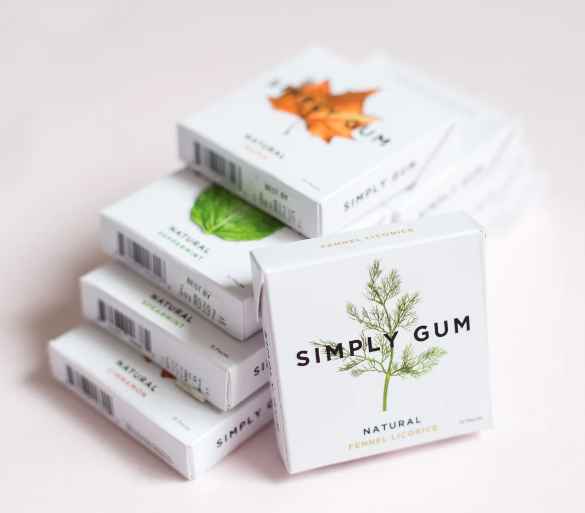
About: Simply Gum offers a natural, biodegradable chewing gum made with chicle. They focus on keeping their ingredients minimal, using only natural sweeteners and flavors.
Website: Simply Gum
👍Treehugger Gum

About: This eco-friendly gum brand uses chicle and is committed to sustainability and protecting rainforests. They offer a natural, biodegradable gum option.
Website: Treehugger Gum
Why is Chicle Less Common in Modern Gum?
Despite its natural and eco-friendly attributes, chicle has become a rarity in modern chewing gum. The primary reasons for this shift are cost and availability. Harvesting chicle is a labor-intensive process, and the price of raw chicle is higher than synthetic alternatives, which are produced in large quantities at a fraction of the cost.
Moreover, the demand for chicle has decreased over the years as manufacturers turned to synthetic gum bases that can be produced more cheaply and consistently. There is also less land available for sapodilla trees, further limiting the supply of chicle. As a result, manufacturers have sought out more efficient and cost-effective options for their products.
Another factor contributing to the decline of chicle use is the evolution of the gum market. With a growing emphasis on sugar-free, low-calorie, and functional gums (such as gums that promote dental health or freshen breath), manufacturers have turned to synthetic ingredients that allow for more precise control over the product's texture and flavor.
Summary:
Chicle may no longer be the dominant ingredient in modern chewing gum, but its natural properties and rich history make it a fascinating subject. From its cultural significance in ancient Mesoamerica to its role in modern eco-friendly gum, chicle continues to be a symbol of sustainability. For those seeking an eco-conscious option, chicle-based gum is worth considering!
Suifa news
How is Bubble Gum Made in the Factory?
2023-05-24
How Hard Candy is Made in the Factory?
2024-02-28
Get An Instant Quotation
Recommended Products
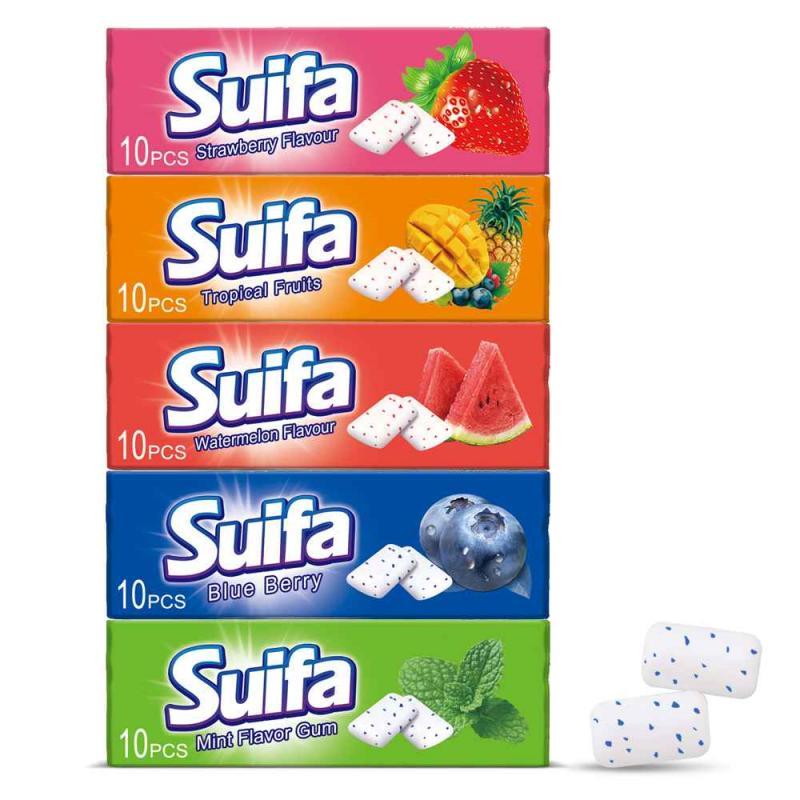
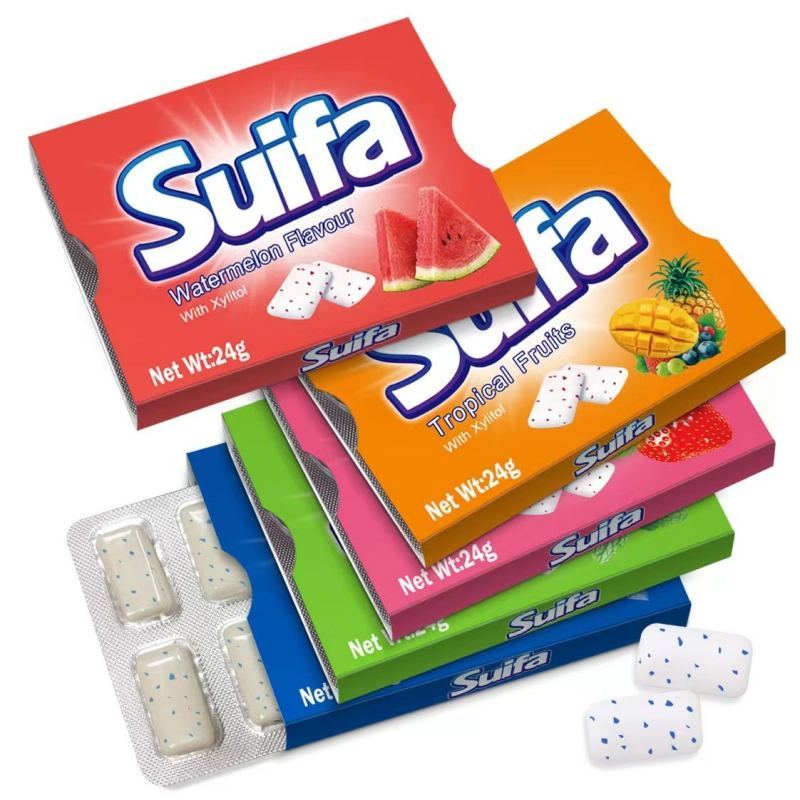
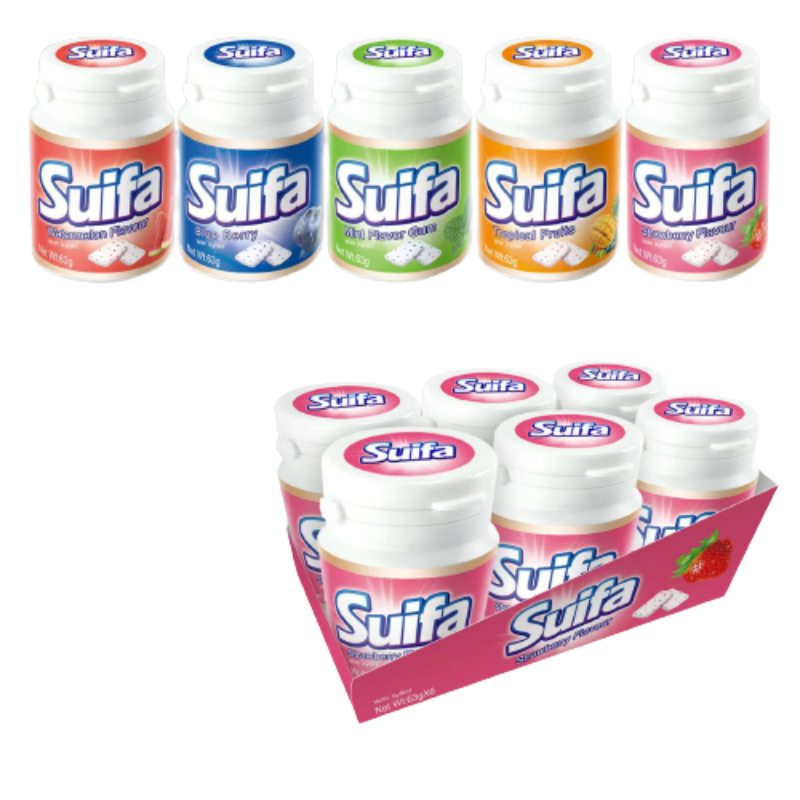
Bulk Healthy Natural Xylitol Sugar Free Tablet Chewing Gum
Detail

Checking Order
Quality Test Before Delivery
Check Items When Packing
Packaging And Transport
Send Inquiry Now!
Choose Suifa, Boost Your Candy and Gum Project!
Discover excellent gum and candy products at our factory. We create custom solutions for our customers. Join us for exclusive insights, customized products and partnerships. Leave your contact info we'll be back in touch within 12 hours!
Choose Suifa, take your bussiness to the next level!



Contact Us
WELCOME TO SUIFAFOOD YOUR TRUSTED MANUFACTURER OF GUM AND CANDY
Address: No.8 Ritian Road Songxia lndustrial AreaSonggang Nanhai, Foshan, Guangdong, China

