
What Are the Best Spices in Chewing Gum?
2026-04-08
What Are the Best Spices in Chewing Gum?
Have you ever popped a piece of chewing gum into your mouth, only to feel disappointed by a flavor that fell flat? We all want that burst of taste, the lingering satisfaction, and even a little surprise with every chew. Yet, most gums settle for the usual sweet or minty options. This is where the incredible world of spices truly shines, and as someone who’s spent years testing, tasting, and crafting chewing gum, I know exactly which spices stand out and why they matter.
When it comes to the best spices in chewing gum, cinnamon and clove reign as classics while cardamom and ginger lead modern flavor trends. These spices deliver more than just taste—they awaken your senses, refresh your palate, and create lasting impressions. Through expert insights and supported data, we'll explore how these distinctive spices turn ordinary gum into an extraordinary, flavorful experience.
Ready to transform your chewing gum expectations? Let’s uncover the spicy secrets behind the flavors you love, and perhaps introduce some that will surprise you. Keep reading, and I promise you’ll never look at spicy gum the same way again.

Why Do Spices Matter in Chewing Gum?
Spices don’t just enhance the flavor—they define the entire chewing experience. As someone who analyzes chewing gum trends, I’ve noticed that spices offer complexity, depth, and even a sense of adventure in a single bite. Unlike synthetic fruity or purely sweet flavors, spices connect to nostalgia, well-being, and cultural traditions. For example, cinnamon reminds many of warmth and comfort, linking a simple chew to memories and emotions.
But it’s not just about the taste. Spices can freshen breath, promote oral health, and even provide small functional benefits, such as ginger's soothing qualities. This makes them a powerhouse addition to gum formulas that want to go beyond just masking odors.

Which Spices Are Most Popular in Chewing Gum?
Let’s dive right in: Over the last decade, I’ve seen a surge in B2B clients asking for gum with a spicy kick. This isn’t a fad—it’s a clear movement toward bolder, more diverse flavor profiles. Here’s what’s standing out on the market:
Cinnamon: The Timeless Classic
Cinnamon is always on top. Its sweet-hot aroma is a trademark of classic gums. Why is it so successful? The real magic lies in how instantly recognizable and comforting it is. For B2B brands, cinnamon in gum means attracting loyal consumers and converting nostalgic users looking for a modern twist.
Clove: A Deep, Aromatic Option
Clove doesn’t shout—it whispers sophistication. This spice brings earthy warmth and a subtle numbing effect. When I work with manufacturers aiming for a more premium, aromatic experience, clove is my first pick. Combined with sweeteners, it creates a unique base that stands out on the shelf.
Cardamom: The Fresh Innovator
Cardamom’s role is rapidly growing, especially in Middle Eastern and Indian markets. It has a light, fresh taste—almost citrusy, yet sweet-spicy—that cleanses your palate. If you’re positioning your gum as globally inspired or health-forward, cardamom’s subtlety and breath-freshening qualities are hard to beat.
Ginger: Zest Meets Wellness
Ginger delivers a peppery, tingling sensation—perfect for brands focused on excitement and wellness. Besides its punch, ginger is known for anti-nausea and digestive benefits, resonating with health-conscious consumers. I always recommend it for B2B lines where innovation and functional claims matter.
Mint Hybrid Blends: The Spicy Evolution
Let’s not forget the new trend: blending mint with bold spices. Think peppermint-cinnamon, spearmint-ginger, or cardamom-mint. These hybrids combine tried-and-true refreshing notes with new excitement. If you want your next launch to catch eyes and taste buds, a creative spice-and-mint blend will do the trick.

Why Are Spices So Effective in Chewing Gum?
Spices connect with consumers on a deep level. Here’s why I think they work incredibly well in B2B gum:
- Layered Flavor Experience
Spices supply both immediate punch and lingering aftertastes. This complexity is something plain mint just can’t match.
- Positive Health Associations
Many spices (like ginger and cardamom) are marketed for their health benefits—including anti-inflammatory, digestive, and antimicrobial properties. This makes them an easy addition for brands with a wellness angle.
- Regional & Cultural Relevance
Cinnamon is loved nearly everywhere; cardamom appeals especially in Asia and the Middle East; clove brings a classic feel to Western audiences. Leveraging the right spice for the right market is a strategic win.
- Storytelling and Branding
Products built around distinctive spices lend themselves to compelling stories and powerful images: “Our gum features rich cinnamon oil from Sri Lanka” is a stronger pitch than “just another mint.”

How Can B2B Brands Use Spices for Product Differentiation?
I’ve watched brands dominate their markets simply by choosing the right spice. Here’s how it’s done:
1. Know Your Audience
Market research is key. For brands targeting youth, cinnamon’s heat and excitement land well. In premium or wellness segments, clove or ginger appeal
2. Start With Hybrid Concepts
If you’re hesitant, experiment by adding small spice notes to your existing bestsellers—like a cinnamon twist in your top mint gum. This method is low-risk but can offer a fresh flavor dimension.
3. Tie Spices to Seasonal or Limited Releases
Consumers love novelty. Launching cardamom-mint or clove gums around the holidays, for example, can drive engagement and trial without a long-term commitment.
4. Highlight Origins and Benefits
Educate your trade customers about the sourcing and function of your spices. For example, “clove oil from Indonesia for oral care” is both informative and attractive. B2B buyers want innovation that sells itself.
5. Collaborate with Flavor Experts
I always recommend working with flavor houses or spice suppliers. They can help with taste masking, intensity levels, and regulatory issues, ensuring you get premium, food-grade spice extracts every time.

What Are the Pitfalls to Avoid When Using Spices in Gum?
It’s not all smooth sailing. There are a few risks I warn my clients about:
- Overpowering Flavors
Spices like clove and ginger can be intense. Overdosing them creates a burning or medicinal aftertaste—not what you want.
- Ingredient Interactions
Some spices don’t play well with certain sweeteners or base gum ingredients. Always run pilot batches and stability tests.
- Cost Concerns
Top-quality spice extracts cost more than synthetic flavors. Factor this into your pricing and sourcing strategy to avoid surprises.
- Labeling and Regulation
Each spice may need different labeling (e.g., “natural flavors” vs. “artificial flavoring”). Stay up-to-date with local food laws to keep your products compliant.
Can You Blend Spices for Unique Chewing Gum Flavors?
Absolutely! In my career, I’ve seen how combining spices can unlock layers you can’t get from a single note.
- Cinnamon + Clove: The classic pairing. Sweet heat meets earthy aroma. Always a crowd-pleaser.
- Ginger + Cardamom: A modern blend. Zesty and cool, it appeals to those looking to freshen breath while enjoying a little adventure.
- Cardamom + Mint: Borderline traditional, but adds refreshing depth and a unique aftertaste.
It’s all about balance. Too much of one spice can overpower, but careful ratios lead to gourmet gum experiences. I often encourage home gum makers to experiment, starting with classic pairs and adjusting to their taste.
More Related Questions
1. How Should I Source Spices for Chewing Gum?
Partner with certified spice suppliers specializing in food-grade extracts. Ask for specs on purity, oil content, and allergen status. Test samples with your gum base and insist on quality control certificates.
2. What Marketing Messages Work Best with Spiced Gum?
Focus on authenticity (“real Ceylon cinnamon”), functional benefits (mouth health, fresh breath), and experience (“exciting new taste!”). Use visuals and stories—spices have a travelogue quality that consumers love.
3. Are There Regulatory Concerns with Using Spices in Gum?
Yes, and they differ by country. Work with your legal team and suppliers to ensure ingredient approval, labeling compliance, and import requirements. Non-compliance can halt your launch before it starts.
4. Which Spices Pair Best with Mint?
Cinnamon and cardamom are the surest bets. Clove works well at low doses, and ginger adds real punch if balanced correctly. Always pilot taste before scaling up.
5. How Can I Innovate Beyond Classic Spices?
Explore chili, black pepper, or even exotic blends (saffron, star anise). Just remember to test for consumer acceptance first—bold is great, but off-putting is not.
Conclusion
In today’s chewing gum market, the right spice is a game-changer. Cinnamon, clove, cardamom, and ginger deliver both flavor and business results. Don’t let your product blend in—let it sizzle.
Suifa news
How is Bubble Gum Made in the Factory?
2023-05-24
How Hard Candy is Made in the Factory?
2024-02-28
Get An Instant Quotation
Recommended Products
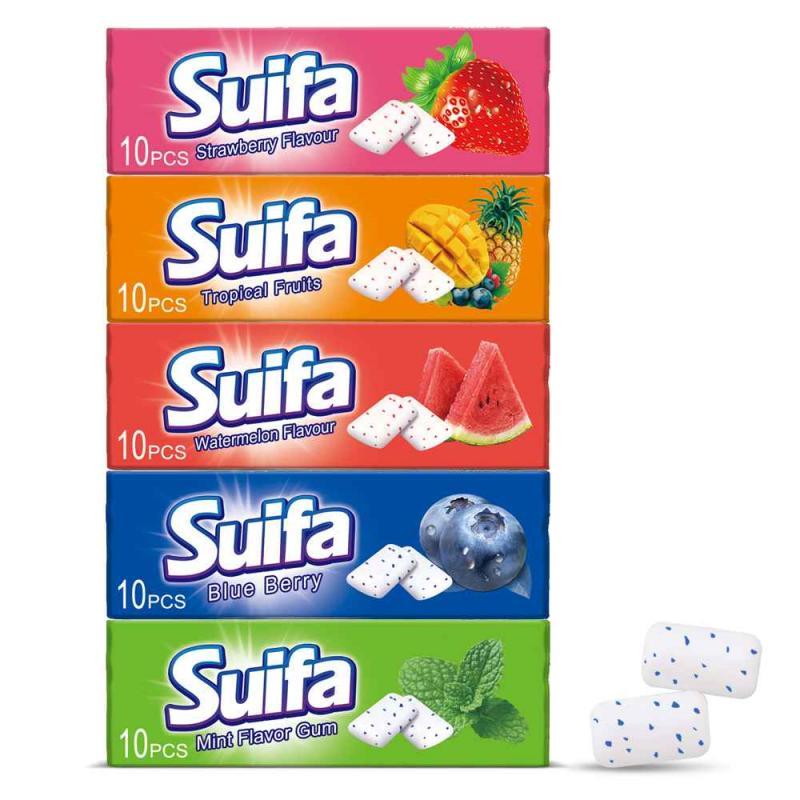
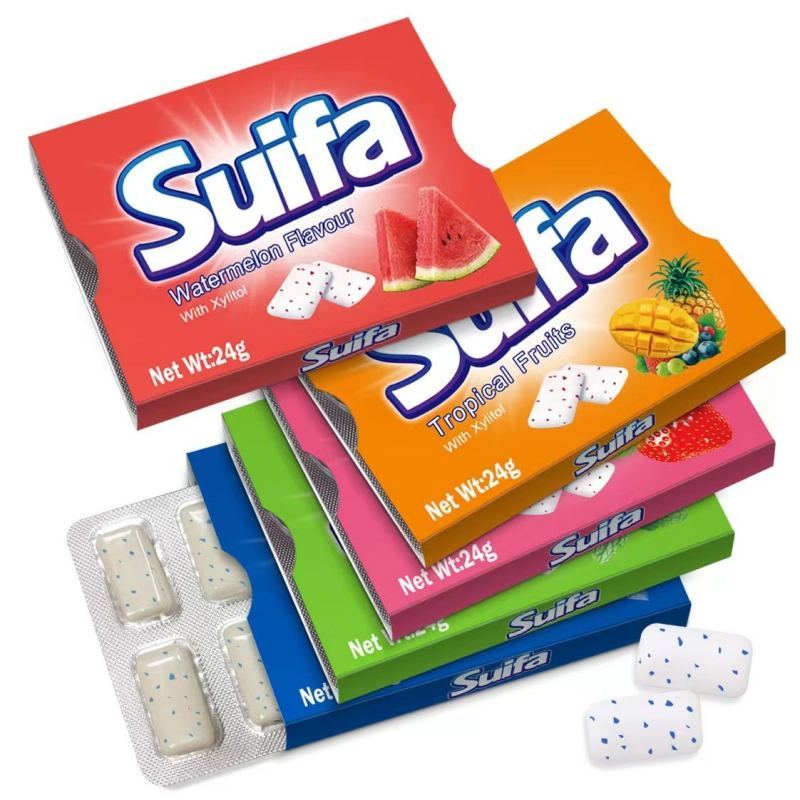
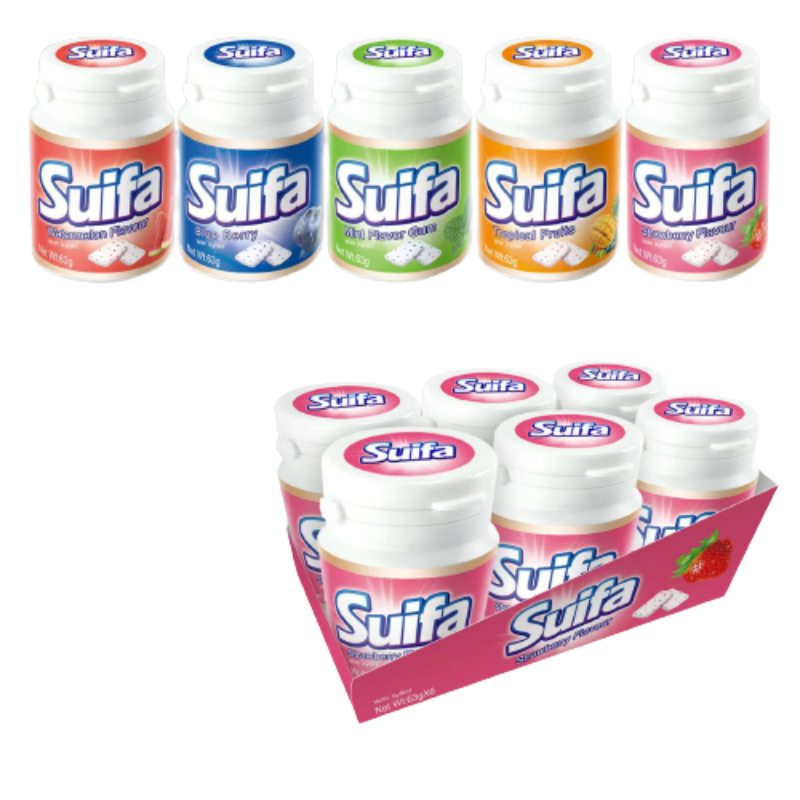
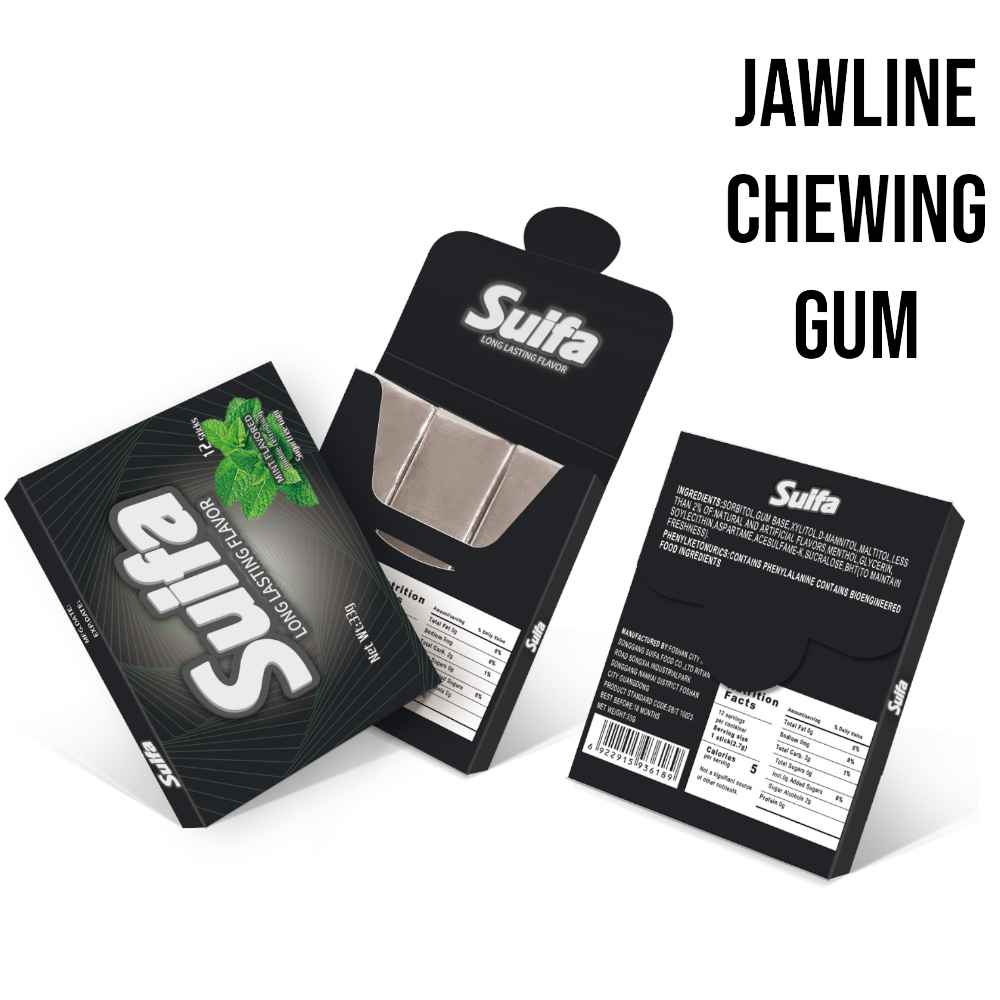
Bulk Healthy Natural Xylitol Sugar Free Tablet Chewing Gum
Detail

Checking Order
Quality Test Before Delivery
Check Items When Packing
Packaging And Transport
Send Inquiry Now!
Choose Suifa, Boost Your Candy and Gum Project!
Discover excellent gum and candy products at our factory. We create custom solutions for our customers. Join us for exclusive insights, customized products and partnerships. Leave your contact info we'll be back in touch within 12 hours!
Choose Suifa, take your bussiness to the next level!



Contact Us
WELCOME TO SUIFAFOOD YOUR TRUSTED MANUFACTURER OF GUM AND CANDY
Address: No.8 Ritian Road Songxia lndustrial AreaSonggang Nanhai, Foshan, Guangdong, China

