
What Are the Additives in Chewing Gum?
2025-07-15
What Are the Additives in Chewing Gum?
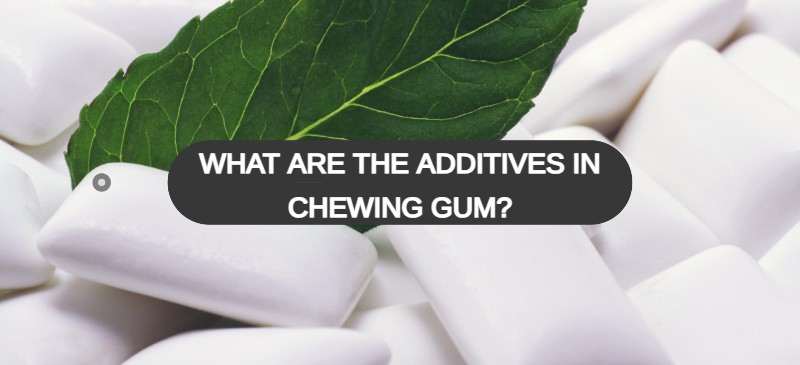
Ever wonder what’s really in your chewing gum? While it may seem harmless, many brands contain hidden additives you might not expect. From artificial sweeteners to industrial softeners, we’re breaking down the ingredients so you know exactly what you’re chewing—and whether it’s safe.
Chewing gum typically contains a gum base (made from resins, waxes, and elastomers), sweeteners (like aspartame or xylitol), softeners (such as glycerin or vegetable oil), flavorings, colorings, and a hard polyol coating. Some additives are natural, while others are synthetic or potentially harmful—like titanium dioxide or propyl gallate. Always check labels.
Let me walk you through everything I've learned about chewing gum additives during my years in this industry.
The Essential Additives You'll Find in Every Pack
✅ Gum Base: The Foundation Everything Builds On
In my years of industry research, I've learned that the gum base is the non-digestible, chewy foundation that gives gum its distinctive texture. This complex mixture typically includes synthetic rubber polymers, resins, and waxes that create the perfect chewing consistency.
Modern gum bases are carefully engineered to provide the right balance of flexibility and durability. Without the proper gum base formulation, your gum would either fall apart immediately or become impossible to chew.
What most consumers don't realize is that gum base recipes are closely guarded trade secrets. Each manufacturer has their own proprietary blend that creates their signature chewing experience.
✅ Sweeteners: The Flavor Foundation
In my analysis of popular gum brands, I've found that sweeteners make up the largest category of additives. Most sugar-free gums rely on sugar alcohols like xylitol, sorbitol, and mannitol to provide sweetness without causing tooth decay.
Regular gums still use traditional sugar, but I've noticed a significant industry shift toward artificial sweeteners like aspartame and sucralose. These provide intense sweetness using minimal quantities, which helps manufacturers control costs and extend shelf life.
What fascinates me most is how manufacturers combine multiple sweeteners to achieve complex flavor profiles. A typical piece of gum might contain three or four different sweetening agents working together.
✅ Softeners: Maintaining the Perfect Texture
From my manufacturing research, I know that softeners are crucial for maintaining gum's flexibility. Glycerin is the most common softener I encounter - it prevents the gum base from becoming too rigid and helps maintain that perfect chewy consistency.
Vegetable oils, particularly hydrogenated oils, serve a similar purpose. They work alongside glycerin to keep the gum pliable even after extended storage.
Without these softeners, your gum would become uncomfortably hard within weeks of production.
Lecithin also acts as both a softener and emulsifier, helping to bind different ingredients together while maintaining the proper texture throughout the gum's shelf life.
✅ Flavorings: Creating the Taste Experience
Through my industry connections, I've learned that flavoring is where the real magic happens. Most gums contain both natural and artificial flavoring compounds - sometimes dozens of different flavor chemicals in a single piece.
Mint gums typically use natural menthol extracted from peppermint plants, but they're enhanced with synthetic cooling agents like WS-23 to create that intense cooling sensation.
Fruit-flavored gums rely heavily on artificial flavors because natural fruit extracts simply don't provide the intensity and longevity consumers expect.
I find it particularly interesting how manufacturers use encapsulation technology to create long-lasting flavors. Tiny flavor beads are embedded throughout the gum base, releasing taste gradually as you chew.
✅ Colorings: Visual Appeal Matters
Food dyes play a bigger role than most people realize. I've found that even "white" gums often contain titanium dioxide to achieve that bright, clean appearance.
Colored gums typically use FDA-approved food dyes like Red 40, Blue 1, or Yellow 5.
Recently, I've noticed more manufacturers switching to natural colorants derived from fruits and vegetables, though these tend to be less stable and more expensive.
The coloring process is more complex than most people imagine - manufacturers must ensure even distribution throughout the gum while maintaining color stability over the product's shelf life.
✅ Coatings: The Finishing Touch
From my experience analyzing different gum types, I've learned that coatings serve multiple purposes beyond just appearance. The most common coatings include calcium carbonate for that smooth, white finish on pellet gums, and various sugar or polyol coatings for added sweetness and crunch.
These coatings also act as protective barriers, helping to preserve the gum's flavor and preventing moisture loss during storage. Without proper coatings, many gums would lose their appeal within weeks of production.
Specialized coatings can even provide functional benefits - some contain additional sweeteners that provide an initial burst of flavor, while others include ingredients that help keep your breath fresh longer.
Which Gum Additives Are Bad for You?
Some additives found in chewing gum have raised concerns:
● Titanium Dioxide: Used for whitening, but linked to gut inflammation and possibly cancer.
● Propyl Gallate: An antioxidant preservative associated with hormone disruption.
● Artificial Dyes: Such as Red 40 or Yellow 5, which have been linked to behavioral issues in children.
● BHT (Butylated Hydroxytoluene): A preservative banned in some countries due to toxicity concerns.
Even natural-sounding ingredients like guar gum or carrageenan may cause bloating or digestive discomfort in sensitive individuals.
What Is the Toxic Chemical in Chewing Gum?
Some gums contain microplastic-related ingredients like:
⚠ Polyvinyl acetate: A synthetic plastic resin.
⚠ Butyl rubber: Used to create that signature chewiness.
⚠ Titanium dioxide: As mentioned, it's controversial for safety.
These are generally recognized as safe in small amounts, but long-term effects and cumulative exposure are still debated. Always look for brands that clearly label their ingredients.
Natural vs. Synthetic Gum Additives
Feature | Natural Additives | Synthetic Additives |
Source | Plants, trees (e.g., chicle, mint oil) | Lab-made chemicals and polymers |
Examples | Chicle, stevia, peppermint oil, beeswax | Aspartame, BHT, titanium dioxide, polyvinyl acetate |
Environmental Impact | Biodegradable, lower impact | Often non-biodegradable, contributes to litter |
Health Concerns | Generally safer, fewer allergens | Some linked to hormone disruption, cancer, digestive issues |
Sugar-Free vs. Sugared Gum Comparison
Feature | Sugar-Free Gum | Sugared Gum |
Main Sweeteners | Xylitol, Sorbitol, Aspartame | Cane sugar, corn syrup |
Dental Impact | Helps prevent cavities | Promotes tooth decay |
Calories | Typically low or zero | Higher calorie content |
Common Additives | Synthetic sweeteners, softeners | Natural sugars, fewer artificial flavors |
Taste | May have chemical aftertaste | Often more "natural" sweetness |
What Are the Side Effects of Chewing Gum Additives?
Potential side effects include:
● Bloating or gas from sugar alcohols like sorbitol and mannitol.
● Headaches from aspartame in sensitive individuals.
● Digestive discomfort from thickening agents like carrageenan.
● Allergic reactions to artificial dyes or preservatives.
Always chew in moderation and avoid excessive consumption of sugar-free varieties.
Chewing Gum Additive: NYT Report Highlights
The New York Times and other outlets have reported rising concern over additives like:
● Titanium dioxide (potentially carcinogenic)
● BHT and BHA (linked to endocrine issues)
● Microplastics found in synthetic gum bases
This has led to calls for clearer labeling and more natural alternatives in the food industry.
How to Choose Gum with Fewer Additives?
Based on my industry knowledge, I can offer some practical advice for consumers seeking "cleaner" gum options.
👉 Learn to Read Ingredient Lists Effectively
Ingredients are listed by weight, so items appearing near the beginning make up larger portions of the product. Look for gums with shorter ingredient lists - these typically contain fewer unnecessary additives.
👉 Consider Natural Gum Alternatives
I've noticed a growing market for natural gum alternatives. Brands like PUR and Suifa Gum use minimal additives and focus on natural ingredients. These products cost more but offer cleaner ingredient profiles for health-conscious consumers.
👉 Focus on Key Features
When shopping, I recommend looking for gums that avoid artificial colors and use natural flavoring when possible. While these may not last as long or taste as intense, they represent a good compromise between functionality and ingredient simplicity.
Final Thoughts
Chewing gum isn’t just flavor and fun—it’s a mix of chemicals, some safe and others questionable. Knowing the difference helps you make better choices. Let us know your thoughts or questions below!
Suifa news
How is Bubble Gum Made in the Factory?
2023-05-24
How Hard Candy is Made in the Factory?
2024-02-28
Get An Instant Quotation
Recommended Products
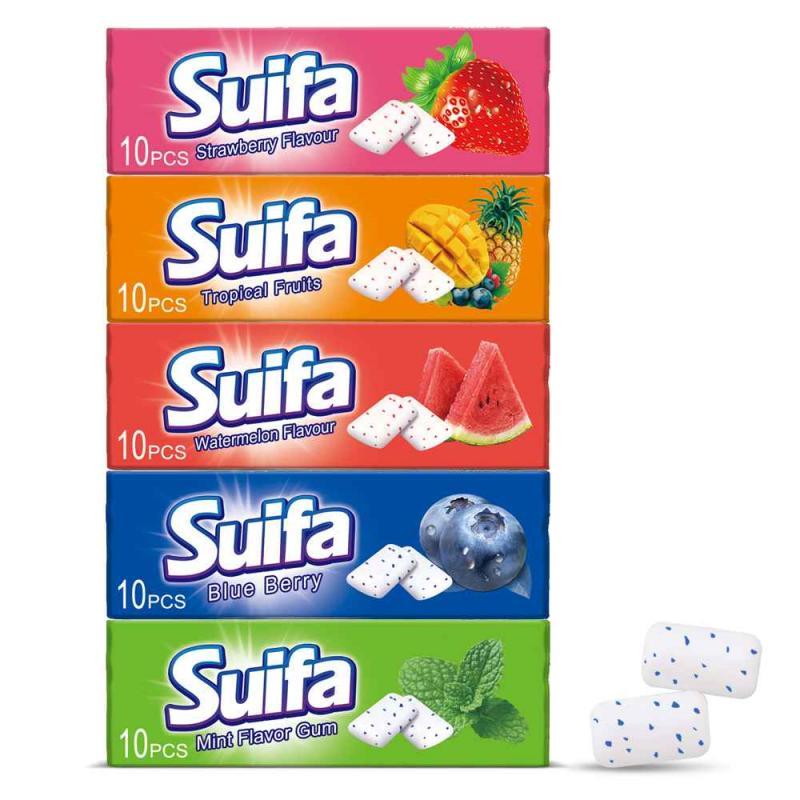
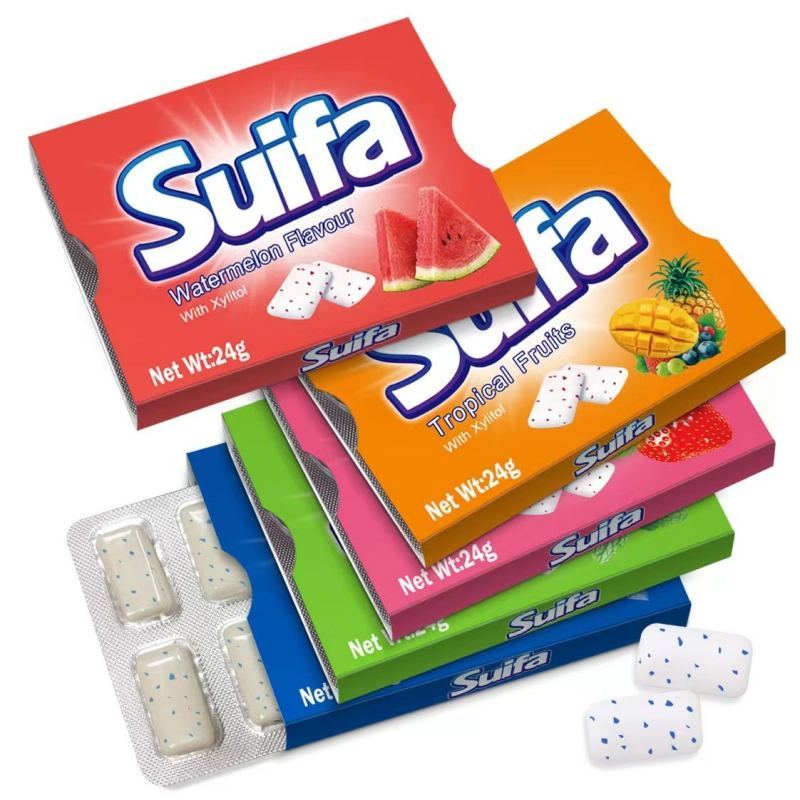
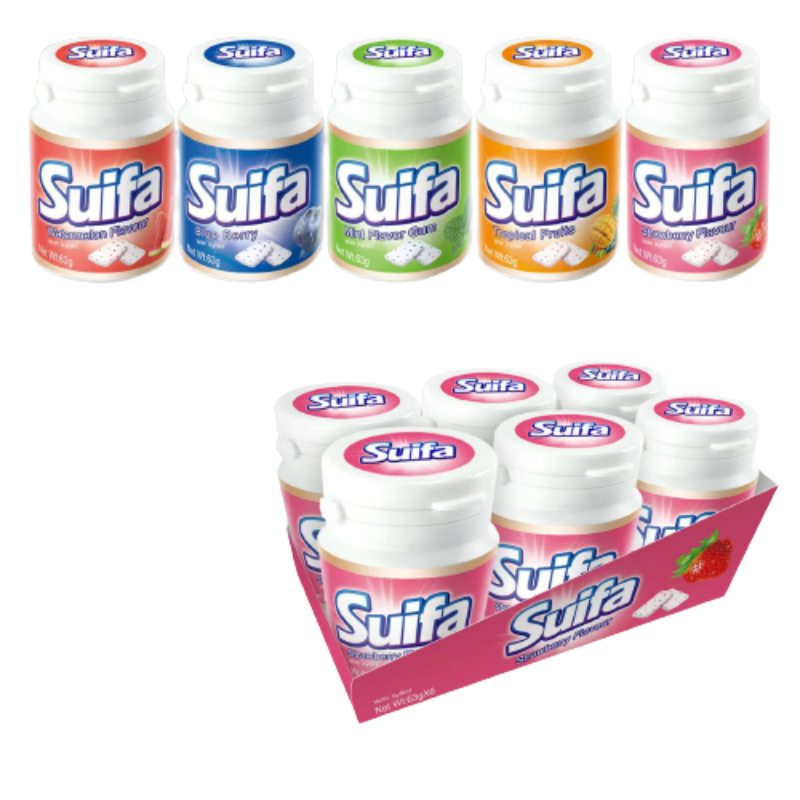
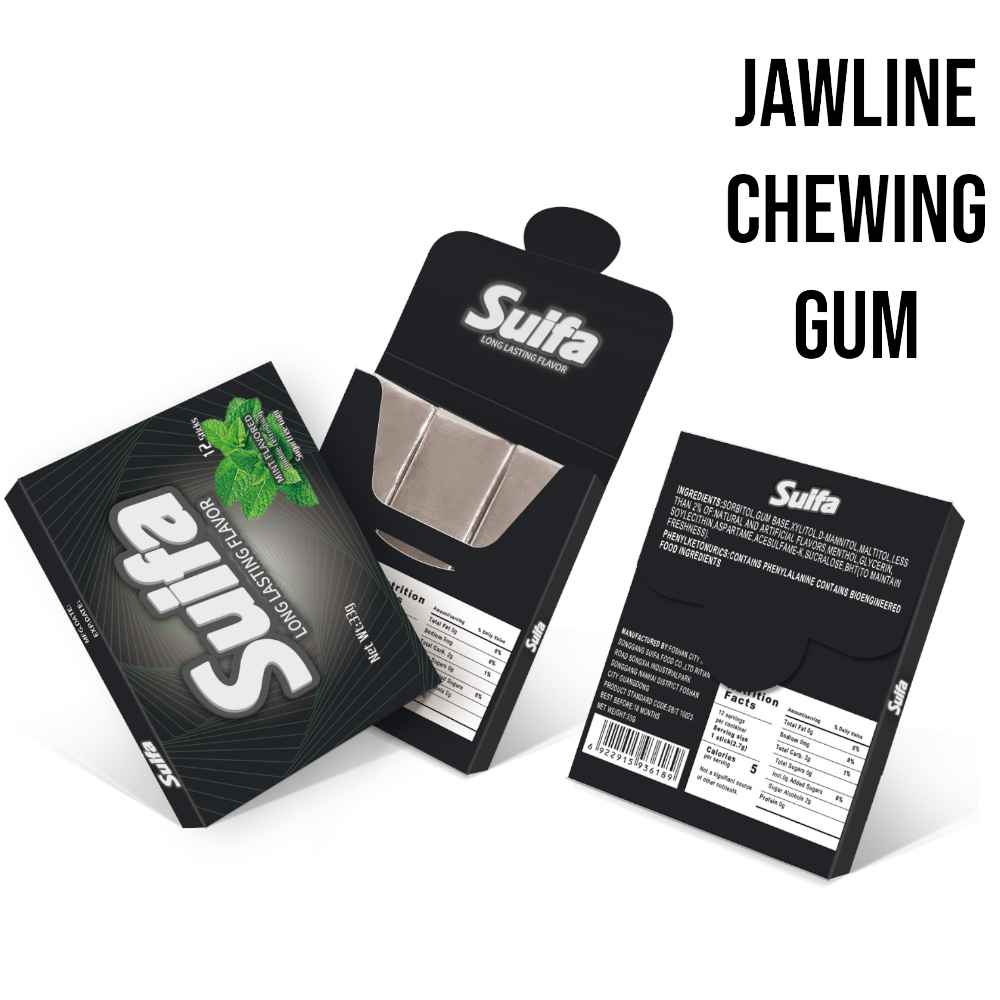
Bulk Healthy Natural Xylitol Sugar Free Tablet Chewing Gum
Detail

Checking Order
Quality Test Before Delivery
Check Items When Packing
Packaging And Transport
Send Inquiry Now!
Choose Suifa, Boost Your Candy and Gum Project!
Discover excellent gum and candy products at our factory. We create custom solutions for our customers. Join us for exclusive insights, customized products and partnerships. Leave your contact info we'll be back in touch within 12 hours!
Choose Suifa, take your bussiness to the next level!



Contact Us
WELCOME TO SUIFAFOOD YOUR TRUSTED MANUFACTURER OF GUM AND CANDY
Address: No.8 Ritian Road Songxia lndustrial AreaSonggang Nanhai, Foshan, Guangdong, China

