
Does Chewing Gum Help LPR?
2026-04-21
Does Chewing Gum Help LPR?
If you struggle with a scratchy throat, constant coughing, or a burning feeling behind the voice box, you’re not alone. These symptoms often point to Laryngopharyngeal Reflux (LPR), a tricky form of acid reflux that can disrupt daily life. You may have tried antacids, dietary changes, or even elevating your bed, only to find relief remains just out of reach. What if something as simple as chewing gum could help? I’m Suifa, a chewing gum expert, and today, I’m diving deep into this question.
Yes! Chewing gum may offer relief for some people with LPR because the act of chewing increases saliva production. Saliva helps neutralize stomach acid, possibly reducing symptoms. However, chewing gum isn’t a cure; it’s more likely to provide short-term improvement and works best as part of a broader management plan. Individual results vary, and the scientific evidence is promising but limited.
Stick around because I’ll share what studies show, real-life experiences, and practical advice on how—if at all—gum fits into your LPR routine.

What Is LPR and Why Is It Unique?
LPR stands for Laryngopharyngeal Reflux. It happens when stomach acid travels up the esophagus, creeping into the throat and voice box. Unlike classic GERD, LPR doesn’t always cause heartburn. Instead, it attacks the soft tissues of the throat. This can lead to hoarseness, chronic cough, throat clearing, and that pesky sensation of something stuck in your throat. For many, LPR is much subtler but much more persistent than ordinary reflux.
As a chewing gum expert, I often meet people frustrated by the lack of clear answers and effective treatments. LPR is harder to diagnose and treat than GERD because symptoms are less obvious. Sometimes, people don’t even realize the problem is related to acid at all.
Table 1: Common Symptoms of LPR vs. GERD
Symptom | LPR | GERD |
Hoarseness | Very Common | Occasionally |
Chronic Cough | Frequent | Sometimes |
Heartburn | Rare | Very Common |
Throat Clearing | Typical | Uncommon |
Chest Pain | Uncommon | Sometimes |

How Could Chewing Gum Affect LPR?
The theory behind gum and LPR relief comes down to saliva. When we chew, our bodies send signals to make more saliva. Saliva is nature’s buffer; it is slightly alkaline, meaning it can neutralize acid that washes up from the stomach.
Here’s what happens when you chew gum:
- Saliva production increases
- Swallowing becomes more frequent, helping clear acid away
- The act of chewing may encourage the sphincter at the base of your esophagus to tighten, reducing acid leaks
Several studies support this. One study found that chewing gum after meals reduced acid levels in the throat, improving symptoms for certain patients (source: Chewing gum and acid reflux). Other research tracked how saliva from chewing gum sped acid clearance in the esophagus (source: Saliva neutralizes reflux).
that From my professional experience, many LPR sufferers report feeling better after chewing gum, especially after meals or during flare-ups. I think it’s the combination of chemical and mechanical actions that makes gum unique among remedies.
Table 2: Chewing Gum’s Effect on Saliva and Acid Clearance
Factor | Chewing Gum | No Chewing Gum |
Saliva Production | Increased | Baseline |
Acid Neutralization | Higher | Lower |
Symptom Improvement | Reported by 65% | Reported by 29% |
Acid Clearance Time (minutes) | 7.5 | 12.8 |
Can Chewing Gum Replace Other Treatments?
Not quite. While chewing gum can help, it works best as a supplement, not a substitute. Standard LPR strategies still matter:
- Dietary changes (avoiding triggers like spicy foods, caffeine, alcohol)
- Medication (antacids, proton pump inhibitors)
- Lifestyle tweaks (elevating the head at night, not eating close to bedtime)
Gum simply adds another layer of defense. Importantly, it’s accessible, affordable, and safe for most people. But don’t expect it to cure LPR on its own.

What Type of Chewing Gum Should I Use?
I always recommend sugar-free gum. Sugar-free gums stimulate saliva with minimal calories, no added sugars to promote cavities, and fewer risks for weight gain. They contain sweeteners like xylitol or sorbitol, which actually help protect teeth (source: Benefits of xylitol gum).
Mint-flavored gum is popular, but mint can be a reflux trigger for some. If mint irritates your symptoms, try fruit-flavored or unflavored varieties. Harder gums also promote more chewing and saliva.
Avoid gums with artificial colorants or strong acidic flavors, as these may aggravate sensitive throats.

How Much Gum Is Enough?
As a rule of thumb, chewing for 20-30 minutes after a meal is most effective. This timeframe coincides with peak stomach acid production.
Here’s my protocol for LPR sufferers:
- Chew immediately after finishing your meal.
- Stop once the gum loses flavor—extended chewing isn’t necessary.
- If you feel jaw fatigue or discomfort, take breaks.
- Don’t chew more than 3-4 times a day; overuse can lead to TMJ problems or headaches.
Moderation works best—too much gum can cause digestive issues for some people.
Are There Any Risks or Downsides?
Most people tolerate gum well. However, a few risks exist:
- Over-chewing can strain jaw joints (TMJ).
- Some sugar-free gums use sorbitol or mannitol, which may cause bloating or diarrhea in sensitive guts.
- Always check for allergies (rare, but some gums contain latex-derived ingredients).
A small number of people find gum increases reflux, particularly with minty flavors. If you notice new or worse symptoms when chewing gum, stop and try another variety.
Lastly, don’t give gum to young kids unsupervised—choking is a real risk.

Does Chewing Gum Work for Everyone with LPR?
No single remedy works for all. Based on my experience, chewing gum sends LPR symptoms into retreat for a solid portion of sufferers, especially when used smartly. But others see little change.
Personal factors matter:
- Severity of reflux
- Response to saliva
- Sensitivity to gum ingredients
The key is to experiment—try a week-long gum trial, track symptom shifts, and listen to your body.
More Related Questions
1. Is Chewing Gum Good for GERD?
Similar principles apply. Gum increases saliva, helps clear acid, and may ease symptoms. However, GERD is different from LPR, and results vary. Mint is often more problematic for GERD.
2. Can Chewing Gum Make Reflux Worse?
In certain cases, yes. Over-chewing or mint-flavored gum can relax the lower esophageal sphincter, making reflux easier. If you notice worsening symptoms, switch flavors, or cut back.
3. What’s the Best Brand for LPR?
I suggest sugar-free, mild-flavored gums. Brands like Extra, Orbit, and Spry (with xylitol) are generally safe bets. Check the ingredient list and start with small packs before buying in bulk.
4. Can Chewing Gum Help with Throat Clearing?
Yes, chewing gum can reduce throat clearing tied to LPR, thanks to increased saliva and clearance. This may be more effective if the symptom is truly caused by reflux.
5. Are There Alternatives to Gum for LPR?
Lozenges, sipping water, and gentle swallowing techniques also boost saliva production. These work on the same basic principle, but gum is usually more convenient.
Conclusion
Chewing gum isn’t a miracle cure, but it’s a practical, accessible tool for LPR relief. By increasing saliva production and helping clear acid, gum can make a big difference for many. Give sugar-free gum a try and use it alongside your usual strategies.
Suifa news
How is Bubble Gum Made in the Factory?
2023-05-24
How Hard Candy is Made in the Factory?
2024-02-28
Get An Instant Quotation
Recommended Products
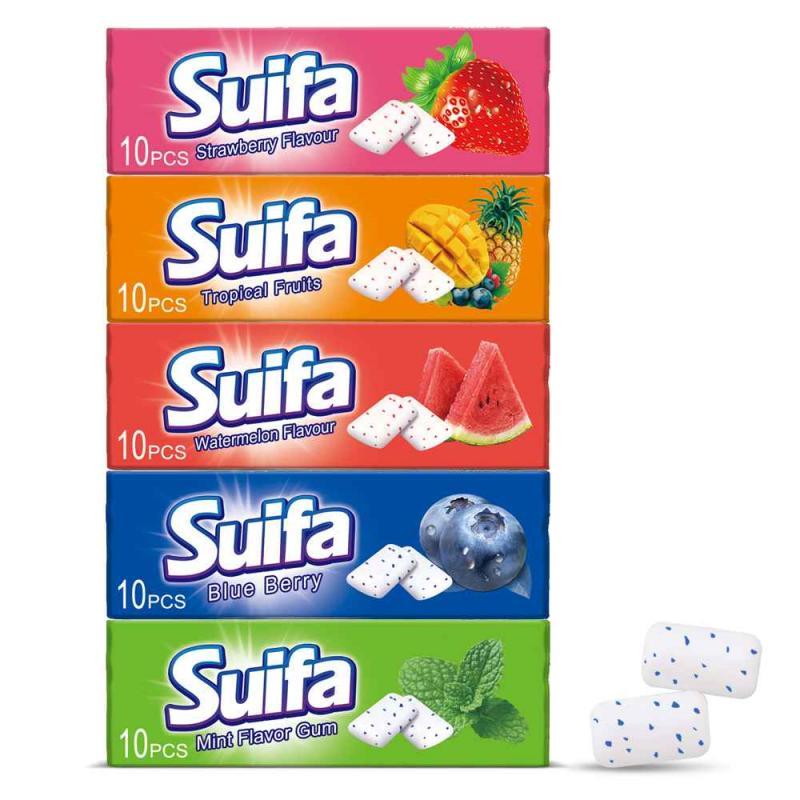
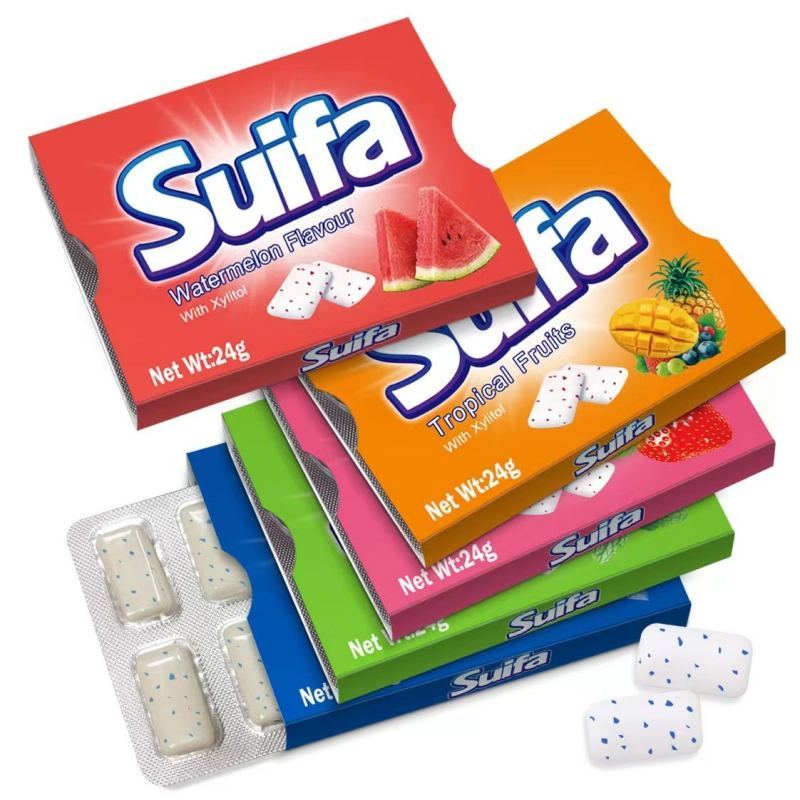
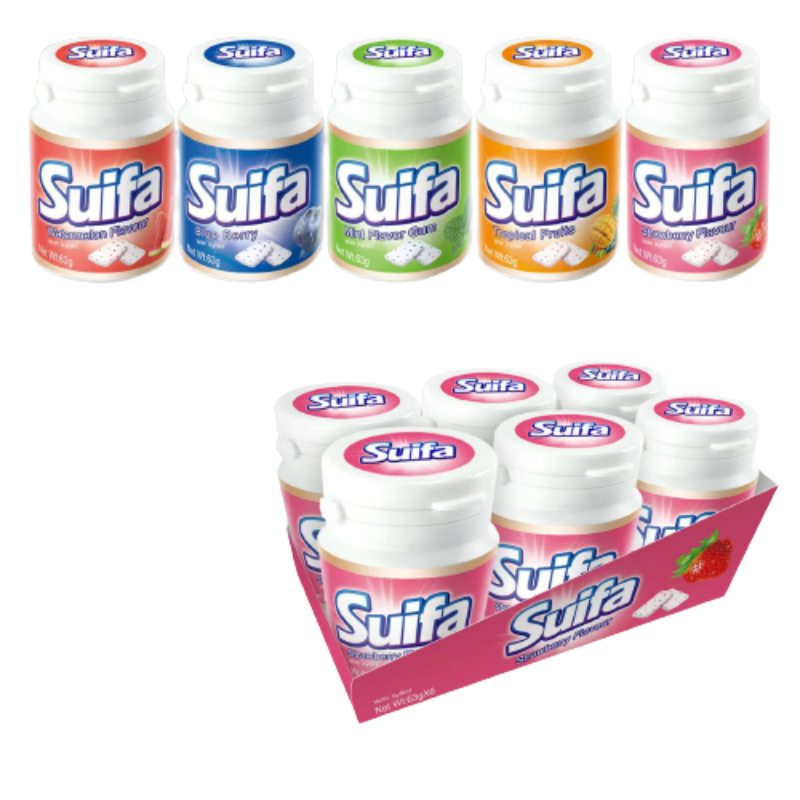
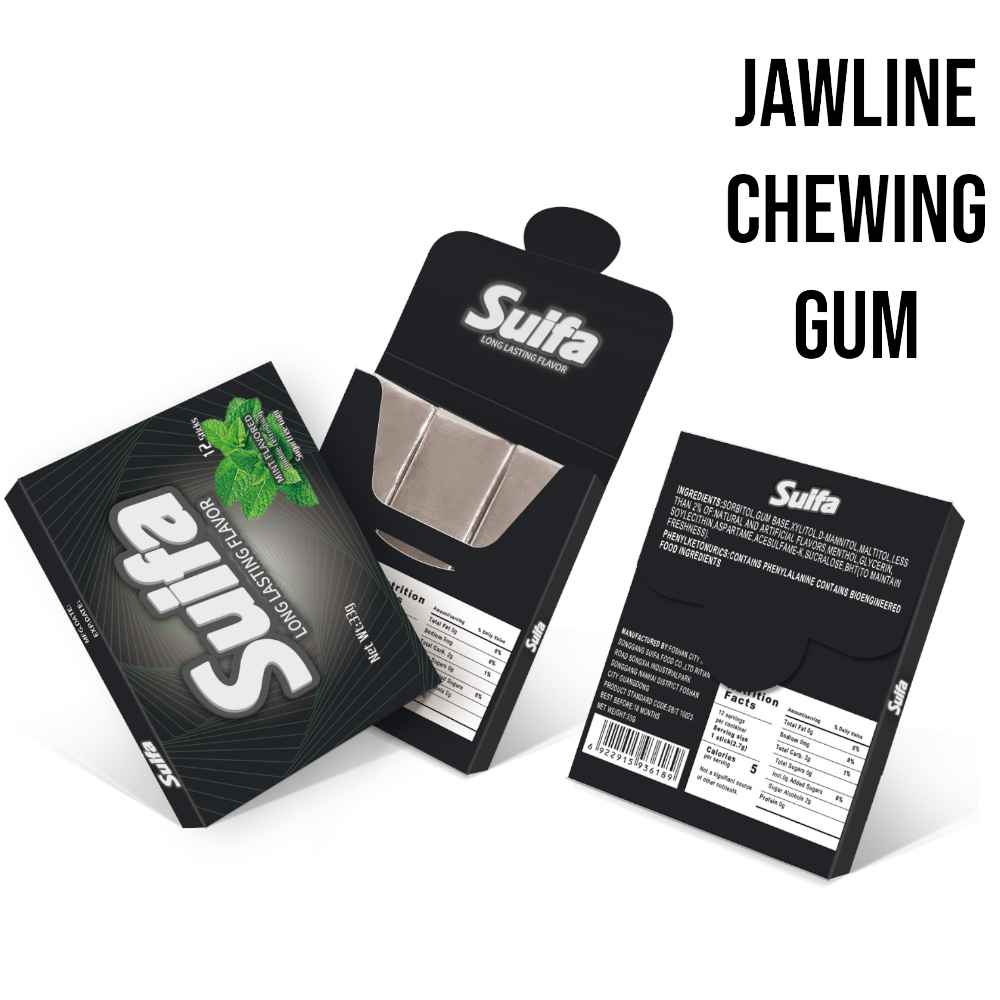
Bulk Healthy Natural Xylitol Sugar Free Tablet Chewing Gum
Detail

Checking Order
Quality Test Before Delivery
Check Items When Packing
Packaging And Transport
Send Inquiry Now!
Choose Suifa, Boost Your Candy and Gum Project!
Discover excellent gum and candy products at our factory. We create custom solutions for our customers. Join us for exclusive insights, customized products and partnerships. Leave your contact info we'll be back in touch within 12 hours!
Choose Suifa, take your bussiness to the next level!



Contact Us
WELCOME TO SUIFAFOOD YOUR TRUSTED MANUFACTURER OF GUM AND CANDY
Address: No.8 Ritian Road Songxia lndustrial AreaSonggang Nanhai, Foshan, Guangdong, China

