
What Is BHT in Chewing Gum?
2025-11-03
What Is BHT in Chewing Gum?
You check a gum label and see “BHT.” Concern hits. Is it a preservative? A chemical villain? Or just a boring antioxidant doing quiet work? As a chewing gum manufacturer, I have explained the truth about BHT to my customers countless times. In this article, I will share everything I know about BHT and address the questions my customers commonly ask.
BHT stands for butylated hydroxytoluene. It’s a synthetic antioxidant used in tiny amounts to slow oxidation in the gum base and sometimes the packaging. That helps keep flavors fresh and reduces rancidity in fat-containing components. Regulatory bodies like the FDA and EFSA allow BHT at specific limits, which manufacturers follow. You’ll often see it near the end of the ingredient list due to its very low usage levels.
Curious what it does in your stick of mint? I’ll walk you through how BHT works, what the data says, and how I decide when to use it—or skip it.

What Exactly Is BHT in Gum?
- It’s a phenolic antioxidant that donates hydrogen to free radicals.
- In gum, it protects fats, resins, and elastomers in the base from oxidation.
- It’s sometimes applied in packaging to create a protective environment for the gum.
- Translation: it slows staling, color shift, and off-notes over shelf life.
- You’ll usually see it as “BHT (to maintain freshness)” on labels.
Why Do Brands Use BHT in Chewing Gum?
- Stability: It guards delicate flavor oils from degrading.
- Shelf life: It widens the safety margin across warm warehouses and long shipping routes.
- Consistency: It helps the last pack in the case taste like the first.
- Cost-effectiveness: It’s potent at low levels, so it’s efficient.
In my experience, BHT earns its keep most when a gum has citrus oils, complex mint blends, or creamy flavors that oxidize faster. For a clean spearmint with fewer reactive components, I can often go BHT-free with careful process controls.

Is BHT Safe in Chewing Gum?
Short answer: Within regulatory limits, yes.
- The FDA and EFSA permit BHT up to defined levels in foods, including confectionery.
- Typical use levels in gum are in the low parts-per-million range.
- Safety evaluations consider lifetime exposure, not just one stick of gum.
- If a formula uses BHT in packaging only, actual product contact may be minimal.
Regulatory and Usage Overview
When I review formulas, I check: dosage per serving, cumulative exposure across a snack routine, and whether flavor stability really needs BHT or if alternatives can carry the load.
Does BHT Change the Taste?
Not directly at the tiny levels used. Here’s what I notice in panels:
- Fresh product: virtually no detectable taste from BHT.
- Over time: BHT helps prevent “stale oil,” “cardboard,” or “painty” notes.
- If there’s a sensory shift, it’s usually from oxidation that BHT helps prevent, not from BHT itself.
Blind Stability Test Observations
I’ve run blind stability tests at three and six months. The BHT batches tend to hold top notes longer, especially citrus and peppermint brightness.

BHT Vs. BHA Vs. TBHQ: What’s the Difference?
- BHT: common in chewing gum; good lipid antioxidant with stability at ambient conditions.
- BHA: similar class; often paired with BHT in some foods but less common in gum today.
- TBHQ: strong antioxidant for oils; used more in frying fats than in gum bases.
Each has different solubility, volatility, and flavor impact profiles. Choosing one is a formulation call, not a trend play.
Antioxidant Comparison at a Glance
When I Recommend BHT
- High-risk flavor systems: citrus, spice oils, butter/cream notes.
- Long distribution chains and temperature swings.
- Retailers requiring 12–18 months shelf life with steady sensory scores.
- Sensitive packaging: thin films with higher oxygen transmission rates.
I’ll still aim for the lowest effective dose. Less is more when the job gets done.

When I Push for BHT-Free Formulations
- Brand positioning: “no synthetic antioxidants” claims matter to some shoppers.
- Shorter shelf life or controlled cold-chain distribution.
- Robust packaging: multilayer barriers with low oxygen ingress.
- Reformulation opportunities: swap susceptible oils, tweak emulsifiers, reduce reactive metal ions.
For BHT-free, the guardrails shift to process: oxygen management, faster flavor lock-in, and protective packaging.
Natural-Leaning Alternatives to BHT
- Mixed tocopherols (vitamin E): familiar label, moderate efficacy.
- Rosemary extract: potent, but watch herbal notes in delicate mints.
- Ascorbyl palmitate: synergist that pairs well with tocopherols.
- Chelators (e.g., citric acid derivatives): help by binding metals that catalyze oxidation.
- Packaging antioxidants or scavengers: protect without going into the gum matrix.
Trade-offs: higher cost per kilo, sometimes higher usage rates, and potential flavor bleed.
Alternative Strategy Matrix
I often run A/B/C pilots: BHT, mixed tocopherols, and tocopherols + rosemary. Then I check sensory drift at 12 weeks.
How to Read Your Gum Label
- Look near the end of the ingredients for “BHT (to maintain freshness).”
- If it says “BHT added to packaging,” the gum might not contain it directly.
- “Antioxidant” vs. “preservative”: in gum, BHT is antioxidant; it’s not killing microbes.
- BHT-free claims: look for “no artificial preservatives/antioxidants” or “made without BHT.”
Common Misconceptions I Hear
- “BHT is a preservative that keeps gum from spoiling.”
Not exactly. Gum’s low water activity resists microbes. BHT targets oxidation, not bacteria. - “If I can taste something chemical, it’s BHT.”
Unlikely at ppm levels. Off-notes typically come from oxidized flavors. - “All natural antioxidants are automatically safer.”
Safety depends on dose and context. Natural extracts can add flavors or allergens; they still need vetting.
Quick FAQ
1. Is BHT Vegan?
Yes, BHT is synthetic, not animal-derived. Always verify the whole gum formula, since bases and coatings vary by brand.
2. Is BHT Safe for Kids?
Within regulatory limits, it’s permitted for general consumption. If you prefer to avoid it, there are many BHT-free gums. Speak with a pediatrician for personalized advice.
3. Can I Find BHT-Free Gum?
Yes. Look for brands emphasizing “no artificial preservatives/antioxidants” or “clean label.” Some rely on tocopherols or barrier packaging.
4. Does BHT Affect Shelf Life That Much?
For oxidatively sensitive flavors, yes. It can be the difference between bright mint at six months and a muted, stale profile.
5. Will Switching to Natural Antioxidants Change Flavor?
Possibly. Rosemary extract can introduce herbal nuances; tocopherols are more neutral but less potent alone. Pilot testing is key.

My Take as a Chewing Gum Manufacturer and Formulation Geek
If stability is king and the flavor system is delicate, I’m comfortable recommending BHT at conservative levels, validated by shelf-life data. Our chewing gum has been laboratory-verified to contain only one part per million of BHT, and this trace amount is inherent to the gum base itself—not intentionally added during production. When a brand promise leans clean label, I pivot to tocopherols, smart chelation, and serious packaging. Either way, I want numbers: oxidation markers, sensory panels, and real-time data—not guesses.
More Related Questions
1. How Does Packaging Oxygen Transmission Rate Affect Gum Freshness?
Lower OTR packaging lets in less oxygen, which slows oxidation and helps gum keep its flavor longer.
2. What’s the Difference Between “BHT in Pack” Vs. “BHT in Product”?
In pack means BHT is in the packaging material, not the gum; in product means BHT is mixed into the gum itself.
3. Can Microencapsulation Reduce the Need for Antioxidants?
Yes, encapsulating sensitive flavors can reduce exposure to oxygen and may lower or replace the need for added antioxidants.
4. Do Sugar-Free Gums Oxidize Less Than Sugared Gums?
Sugar-free gums don’t necessarily oxidize less; oxidation mainly affects fats and flavor oils, not sugar content.
5. How Do I Set a Shelf-Life Study for Mint Vs. Citrus Gum?
Use identical storage conditions, test multiple timepoints (e.g., 0, 8, 12, 24 weeks), track sensory and chemical markers, and expect citrus to need tighter oxidation control.
Conclusion
BHT is a targeted antioxidant tool. Not a cure-all. Not a monster. I use it when data supports it—and skip it when better options fit the brand and flavor goals.
Suifa news
How is Bubble Gum Made in the Factory?
2023-05-24
How Hard Candy is Made in the Factory?
2024-02-28
Get An Instant Quotation
Recommended Products
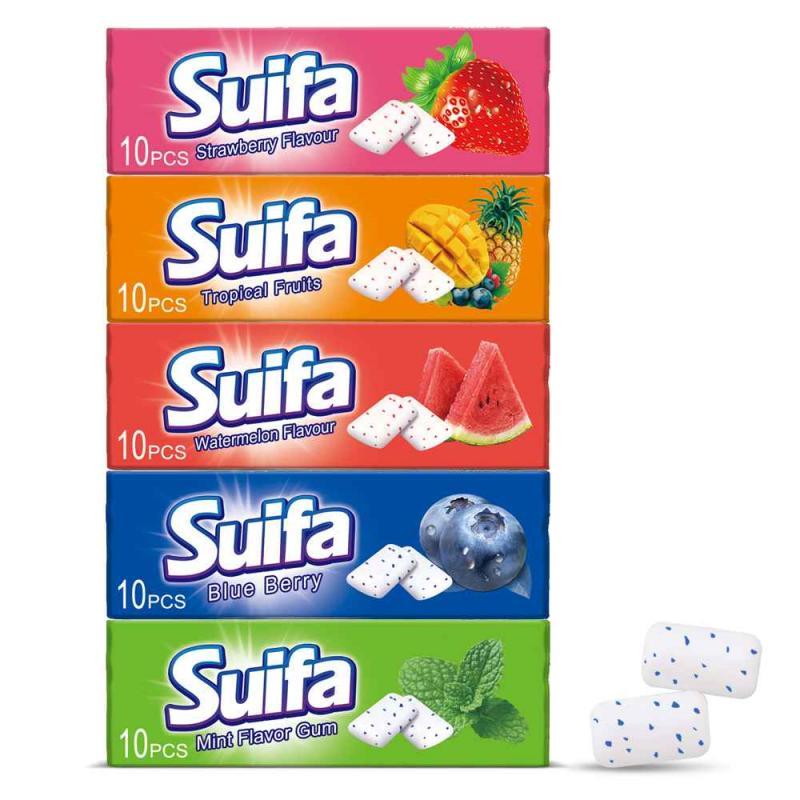
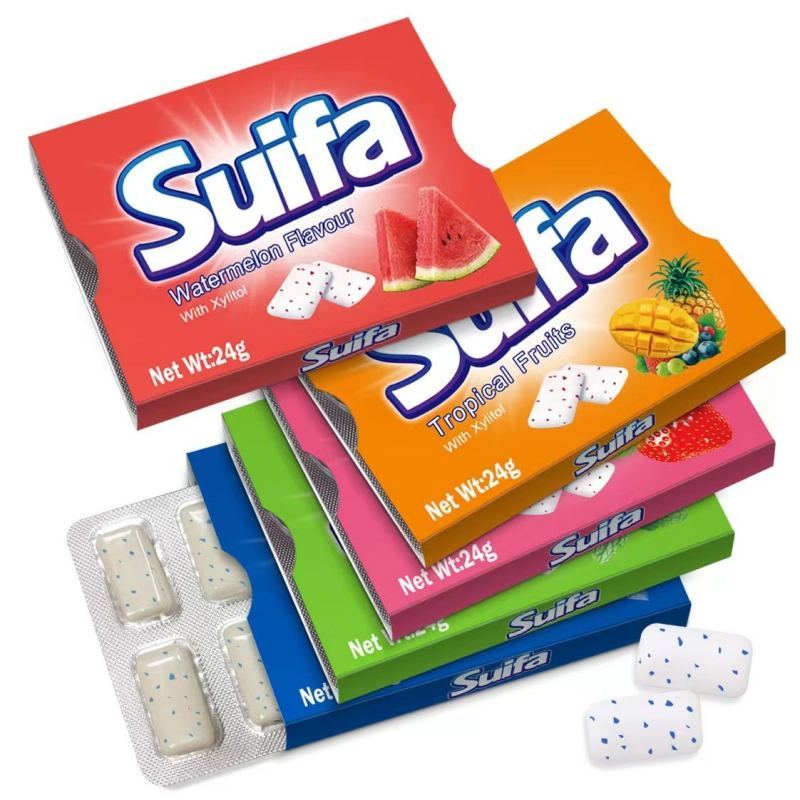
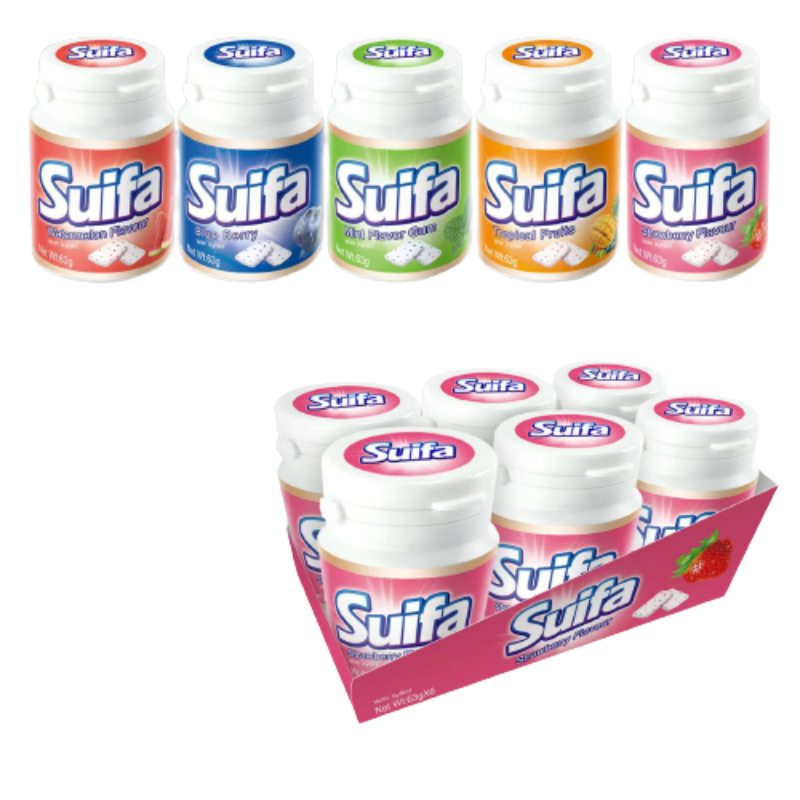
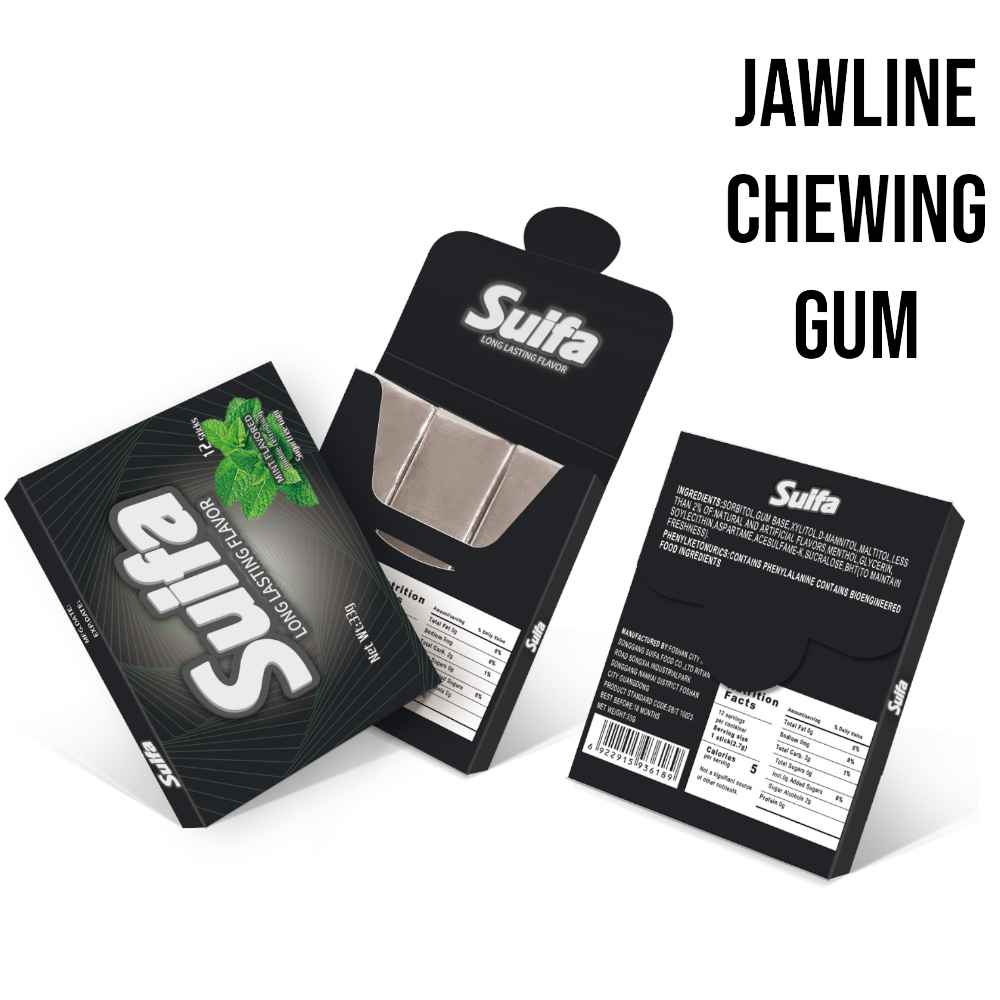
Bulk Healthy Natural Xylitol Sugar Free Tablet Chewing Gum
Detail

Checking Order
Quality Test Before Delivery
Check Items When Packing
Packaging And Transport
Send Inquiry Now!
Choose Suifa, Boost Your Candy and Gum Project!
Discover excellent gum and candy products at our factory. We create custom solutions for our customers. Join us for exclusive insights, customized products and partnerships. Leave your contact info we'll be back in touch within 12 hours!
Choose Suifa, take your bussiness to the next level!



Contact Us
WELCOME TO SUIFAFOOD YOUR TRUSTED MANUFACTURER OF GUM AND CANDY
Address: No.8 Ritian Road Songxia lndustrial AreaSonggang Nanhai, Foshan, Guangdong, China

