
What is the process of importing food from China?
2022-09-27
What Is the Process of Importing Food from China?
Are you looking to expand your food business by sourcing from China but feel overwhelmed by the complexity? You see the immense potential in diverse product ranges and competitive pricing, yet the fear of customs rejection, quality failures, or navigating a labyrinth of regulations is holding you back. A misstep anywhere in the chain can lead to catastrophic losses. I understand these challenges because I've helped countless businesses like yours create a clear, secure, and profitable import strategy from the ground up.
Importing food from China is a structured, multi-phase process that demands precision. It begins with deep market research and rigorous supplier vetting. From there, you must navigate complex compliance, labeling rules, and contract negotiations. The journey continues with stringent quality assurance, logistics planning, and meticulous customs documentation. Finally, you manage tariffs, duties, and post-import operations to bring the product to your market successfully. This isn't just about shipping a box; it's about managing a global supply chain.
Ready to dive deeper? I'm Suifa, and I'm going to break down this entire flow for you, step by step, turning complexity into a clear action plan.

How Do You Start with Market Research?
Before you even think about a supplier, you must do your homework. This is non-negotiable. I always advise clients to start with a clear picture of market demand in their home country. What specific food categories are trending?
Next, you need to identify the correct Harmonized System (HS) codes for your potential products. This code is the foundation for everything that follows—tariffs, regulations, and documentation. I've seen businesses fail simply because they got this wrong.
Finally, analyze the price bands for these products both in China and your target market. A great resource for this is a comprehensive data hub.

What's the Right Way to Source Suppliers?
Finding a supplier on a B2B platform is just the first, tiny step. The real work is in vetting them. I can't stress this enough: you must verify they are a legitimate factory, not just a trading company with a nice website.
I always recommend conducting factory audits, either in person or through a trusted third party. Ask for sample runs to test their consistency and quality. And be crystal clear about your Minimum Order Quantities (MOQs). A reliable partner will be transparent about their capabilities.
Never skip this step. A cheap price from an unvetted supplier is often the most expensive mistake you can make.
How Can We Navigate the Compliance Maze?
Compliance is where most import dreams die. China has its own set of rules, primarily the GB standards (Guobiao standards) and regulations from the SAMR (State Administration for Market Regulation). Your product must meet these standards to be legally exported.
But that's only half the battle.
The product must also meet all the food safety regulations of the destination country, whether it's FDA rules in the US or EFSA standards in the EU. Mapping these two sets of requirements is a critical task that requires expert attention.

What Are the Critical Labeling Requirements?
Incorrect labels are one of the top reasons for customs delays and rejections. In China, export food products often require bilingual labels (Chinese and English).
Your destination country will have its own stringent rules. This includes the format of the nutrition panel, clear allergen declarations, and the "Country of Origin" statement. I advise my clients to finalize their label artwork with a compliance expert before the first production run even begins.
Why Are Formulations and Specs so Important?
Your product is defined by its specifications. We're talking about a detailed document that includes the full formulation, a Certificate of Analysis (COA) for each batch, and Material Safety Data Sheets (MSDS) if applicable.
You also need to lock down details like the product's shelf life, required storage conditions (ambient, chilled, or frozen), and the specific packaging tests it must pass to ensure integrity during transit. This document is your quality bible.
What Should Your Supply Contracts Include?
A handshake agreement is worthless in international trade. Your contract is your only protection. It must clearly define the Incoterms (e.g., FOB, CIF), which determine who is responsible for the goods at each stage of the journey.
I always insist on including detailed quality clauses, clear penalties for delays or failures, and clauses on protecting your intellectual property. If you're negotiating for market exclusivity, that needs to be in there, too. Get it reviewed by a lawyer familiar with international trade.

How Do You Guarantee Product Quality?
You can't afford to wait until a 40-foot container of bad product arrives at your warehouse. Quality assurance must happen in China.
My standard process involves three key inspection points:
- Pre-production: Checking raw materials.
- In-line: Monitoring the process on the factory floor.
- Pre-shipment: A final, random inspection of finished goods before they are loaded.
This is the only way to maintain control and ensure the product meets the specs you so carefully defined.
What Does Logistics Planning Involve?
For food products, logistics is a science. If you're importing perishable items, you'll need a seamless cold chain from the factory to your warehouse. This often means booking reefer (refrigerated) containers and working with freight forwarders who specialize in food logistics.
We map out lead times and routes carefully to minimize transit time and avoid potential delays in ports known for congestion. The goal is to move the product efficiently while maintaining its quality and safety.
Which Documents Are Essential for Customs?
Customs officers don't have time for mistakes. Your paperwork must be perfect. At a minimum, you will need:
- Commercial Invoice
- Packing List
- Bill of Lading (or Air Waybill)
- Health Certificate issued by the relevant Chinese authority
- Phytosanitary Certificate (for plant products)
- CIQ (China Inspection and Quarantine) clearance documents
- Certificate of Origin (C/O) to determine tariff rates
I recommend creating a documentation checklist for every single shipment.
Do You Need Special Import Permits?
Many countries require importers to hold specific licenses or permits to bring in food products. For example, in the United States, you'll need to be registered with the FDA. In the European Union, you'll fall under EFSA regulations and may need to register with your national food authority.
Securing these permits is not a last-minute task. It needs to be handled well in advance of your first shipment.

How Are Tariffs and Duties Calculated?
This goes back to the HS code we identified in the research phase. Customs authorities use this code to determine the import duty rate. You will also be liable for value-added tax (VAT) or a goods and services tax (GST) upon import.
It's also crucial to check for any anti-dumping duties that might apply to your specific product category, which can drastically increase your costs. Always verify your rates with a customs broker or a trade tariff database.
How Should You Manage Import Risks?
Things can and do go wrong. Smart businesses plan for it. The biggest risks in food importing are contamination and the potential for a product recall. You need a clear traceability system in place.
I also strongly advise my clients to have adequate cargo insurance. It's also wise to have a contingency plan, which might include having a backup supplier vetted and ready to go in case your primary supplier runs into an issue.
What Are the Standard Payment Terms?
How and when you pay your supplier is a key part of your negotiation. Common methods include:
- Telegraphic Transfer (TT): Often a 30% deposit upfront and 70% upon completion or shipment.
- Letter of Credit (LC): A very secure method for both parties, where a bank guarantees payment once certain conditions are met.
- Escrow Services: A neutral third party holds the funds until the buyer confirms receipt of the goods as ordered.
For larger, ongoing relationships, you might explore trade finance options or currency hedging to protect against foreign exchange volatility.
What Happens When the Shipment Arrives?
Your job isn't done when the container lands. The moment the goods arrive at your facility, you need to conduct your own receiving and quality control checks.
This usually involves taking a random sample from the shipment and comparing it against your approved pre-shipment sample. For certain products, you may even send samples to a local lab for testing to verify the COA provided by the supplier. Only after the goods pass this final QC check should they be officially released into your main inventory.
Conclusion
As you can see, importing food from China is a detailed, professional endeavor. By following a structured process, from market research to post-import QC, you can build a resilient and profitable supply chain. My advice is to be diligent, document everything, and always verify.
Suifa news
How is Bubble Gum Made in the Factory?
2023-05-24
How Hard Candy is Made in the Factory?
2024-02-28
Get An Instant Quotation
Recommended Products
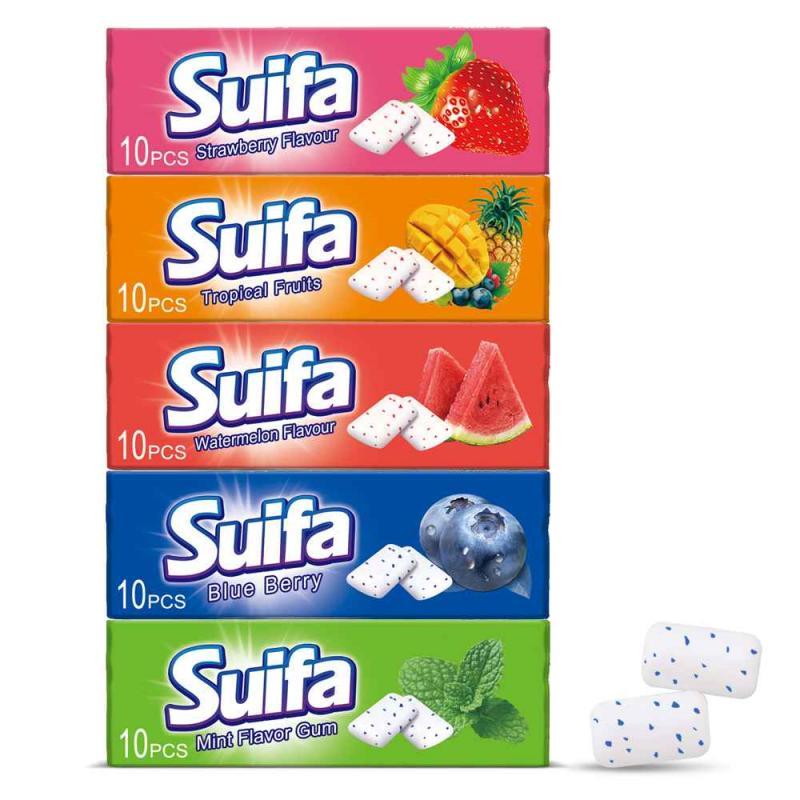
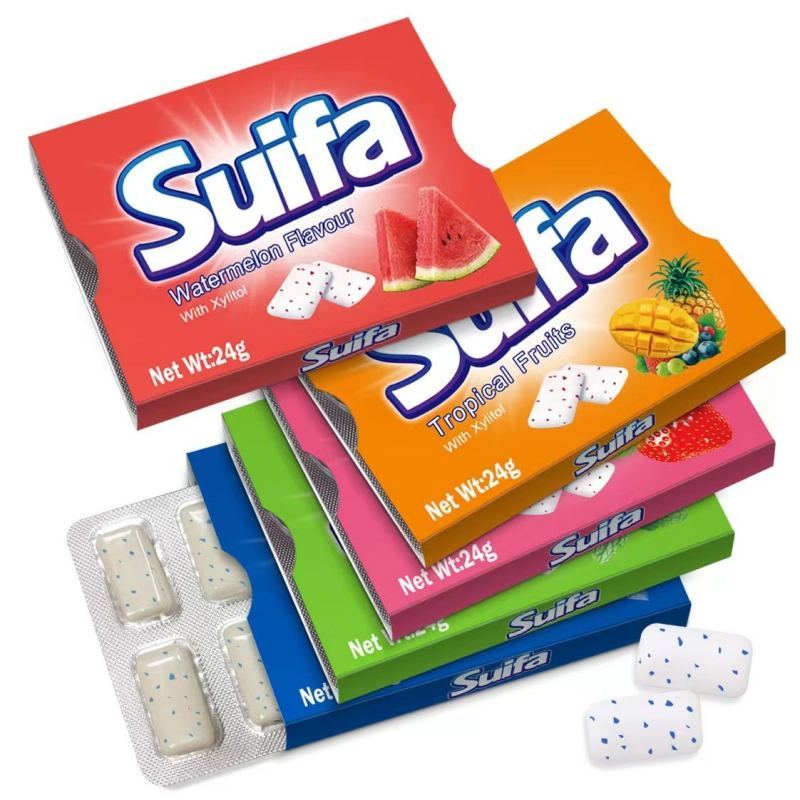
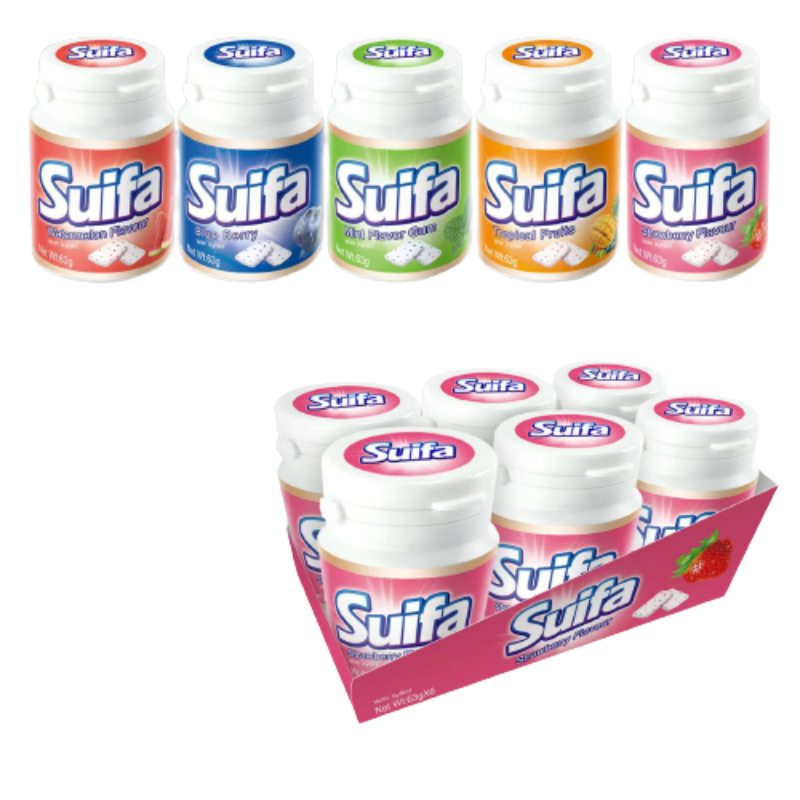
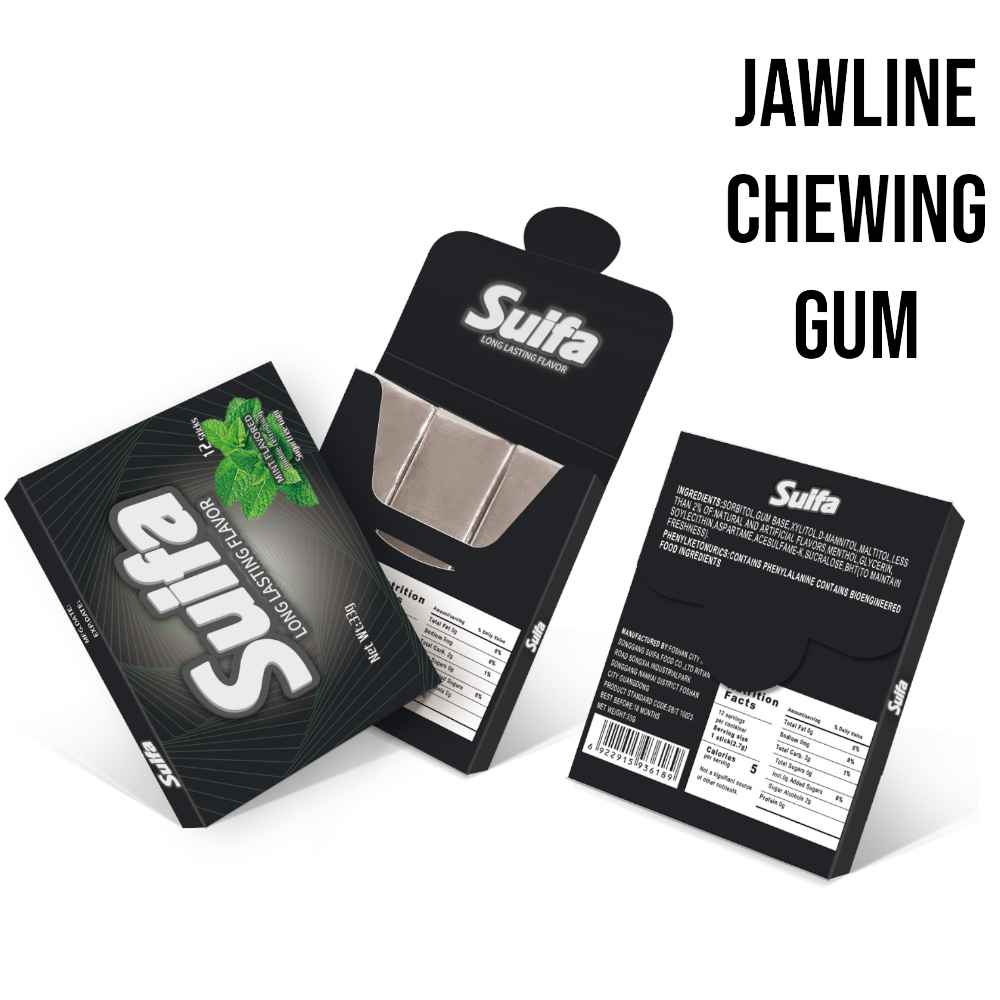
Bulk Healthy Natural Xylitol Sugar Free Tablet Chewing Gum
Detail

Checking Order
Quality Test Before Delivery
Check Items When Packing
Packaging And Transport
Send Inquiry Now!
Choose Suifa, Boost Your Candy and Gum Project!
Discover excellent gum and candy products at our factory. We create custom solutions for our customers. Join us for exclusive insights, customized products and partnerships. Leave your contact info we'll be back in touch within 12 hours!
Choose Suifa, take your bussiness to the next level!



Contact Us
WELCOME TO SUIFAFOOD YOUR TRUSTED MANUFACTURER OF GUM AND CANDY
Address: No.8 Ritian Road Songxia lndustrial AreaSonggang Nanhai, Foshan, Guangdong, China

