
Does Chewing Gum Make Your Teeth Yellow?
2024-07-09
Does Chewing Gum Make Your Teeth Yellow?
Having bright, white teeth is something we all desire. Yet, there are countless habits and foods that can sabotage our efforts to maintain a gleaming smile. One such habit is chewing gum. Many people enjoy chewing gum for its fresh flavor and stress-relieving benefits. However, a common concern is whether chewing gum might be contributing to teeth discoloration. Let's explore whether this popular treat could be the culprit behind yellowing teeth.
No, chewing gum does not make your teeth yellow. In fact, chewing gum, especially sugar-free varieties, can help clean your teeth by stimulating saliva production. Saliva helps wash away food particles and bacteria, which can cause staining and decay. So, chewing gum in moderation is actually beneficial for maintaining oral health.
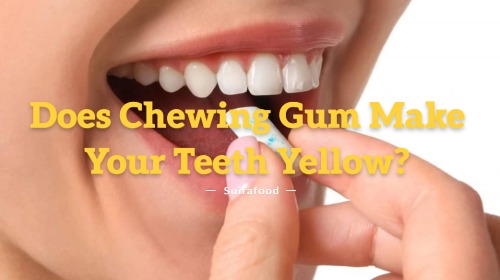
But why do some people still worry about chewing gum causing yellow teeth? The answer lies in understanding the ingredients and types of gum available. Keep reading to find out more about how your gum-chewing habits could affect your smile.
What Causes Teeth to Yellow?
To understand if chewing gum plays a role in yellowing teeth, it's essential to first look at the broader causes of tooth discoloration.
✅Common Factors Leading to Tooth Discoloration
Teeth discoloration is a common dental concern caused by various factors. Aging is one of the most inevitable reasons, as the enamel wears down over time, revealing the yellowish dentin underneath. Additionally, genetics can also determine the baseline color and susceptibility to stains.
✅Impact of Staining Foods and Beverages
Your diet plays a significant role in the color of your teeth. Foods and beverages such as coffee, tea, red wine, and berries are notorious for staining teeth. These items contain chromogens, which are deeply pigmented molecules that stick to enamel. Acidic foods and drinks can also erode enamel, making it more susceptible to staining.
✅Lifestyle Choices and Their Effects
Smoking and tobacco use are well-known culprits of tooth discoloration. The nicotine and tar in tobacco can cause yellow or brown stains that are difficult to remove. Poor dental hygiene, such as not brushing and flossing regularly, allows plaque and stain-producing substances to build up on your teeth.
Understanding these causes helps us see that chewing gum is not a significant factor in teeth discoloration.
The Science Behind Chewing Gum
So, if chewing gum doesn't directly cause yellow teeth, what about its ingredients? Most chewing gums contain:
• Sweeteners: Sugar or sugar substitutes like xylitol or sorbitol.
• Flavorings: Mint, fruit, or other flavorings.
• Colorings: Sometimes added for visual appeal.
• Gum Base: The chewy part of the gum, often made from synthetic materials.
Of these ingredients, the only potential concern is the use of sugar. Sugary gums can contribute to tooth decay if not properly cleaned from the teeth. However, most modern gums are sugar-free and use xylitol, which is beneficial for oral health. Xylitol not only reduces the risk of cavities but also helps neutralize acids in the mouth and prevent bacteria growth.
Saliva Production and Its Benefits
Chewing gum stimulates saliva production, which is beneficial for oral health. Saliva acts as a natural defense mechanism, neutralizing acids produced by bacteria in the mouth, washing away food particles, and aiding in the repair of early tooth decay.
Types of Chewing Gum: Whitening vs. Regular?
When it comes to choosing gum, there are two main types to consider: whitening gum and regular gum. Whitening gums are marketed with the promise of helping to keep teeth white. But do they really work?
• Whitening Gum: These gums typically contain mild abrasives and chemicals designed to remove surface stains. While they can help reduce minor stains and freshen breath, they are not a substitute for professional whitening treatments or good oral hygiene practices. Reference Study
• Regular Gum: Standard chewing gums, especially sugar-free varieties, are great for promoting saliva production. Saliva acts as a natural cleanser for your teeth, helping to wash away food particles and bacteria. Here are the recommended sugar-free gum brands for you
Scientific Evidence?
What does the science say about chewing gum and teeth discoloration? Several studies have looked into the effects of chewing gum on oral health:
• A study published in the Journal of Dentistry found that chewing sugar-free gum for 20 minutes after meals can help reduce plaque and prevent cavities. This reduction in plaque buildup can indirectly help maintain whiter teeth.
• Another study in the American Journal of Dentistry noted that xylitol-sweetened gums significantly reduced the levels of Streptococcus mutans, a bacteria responsible for tooth decay. By reducing decay, these gums help keep teeth healthier and potentially whiter.
• Additionally, a review in the International Journal of Dental Hygiene concluded that chewing gum stimulates saliva flow, which is crucial for neutralizing acids and maintaining a healthy oral environment.
These studies support the idea that chewing gum, particularly sugar-free gum, is beneficial for oral health and does not contribute to teeth discoloration.
Preventive Measures?
While chewing gum can be part of a healthy oral care routine, it's essential to follow other preventive measures to maintain white teeth:
• Brush and Floss Regularly: Brush your teeth at least twice a day and floss daily to remove plaque and food particles.
• Use a Whitening Toothpaste: Whitening toothpaste can help remove surface stains and keep your teeth looking brighter.
• Limit Stain-Causing Foods and Drinks: Reduce your consumption of coffee, tea, red wine, and other staining foods. If you do consume them, rinse your mouth with water afterward.
• Visit Your Dentist: Regular dental check-ups and professional cleanings are crucial for maintaining oral health and preventing discoloration.
★ Choose Sugar-Free Gum: Opt for sugar-free gum to promote saliva production without the risk of tooth decay.
By incorporating these habits into your routine, you can enjoy the benefits of chewing gum without worrying about yellow teeth.
Conclusion
In summary, chewing gum does not make your teeth yellow. On the contrary, sugar-free gum can help maintain oral health by promoting saliva production and reducing plaque. For the best results, combine chewing gum with good oral hygiene practices and regular dental visits. Keep your smile bright and healthy!
Suifa news
How is Bubble Gum Made in the Factory?
2023-05-24
How Hard Candy is Made in the Factory?
2024-02-28
Get An Instant Quotation
Recommended Products
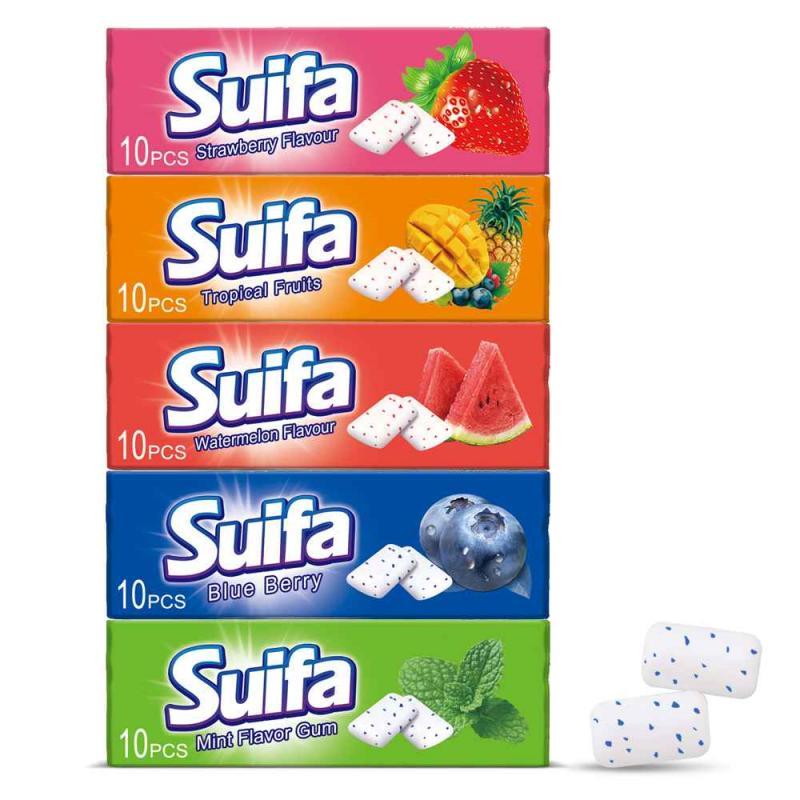
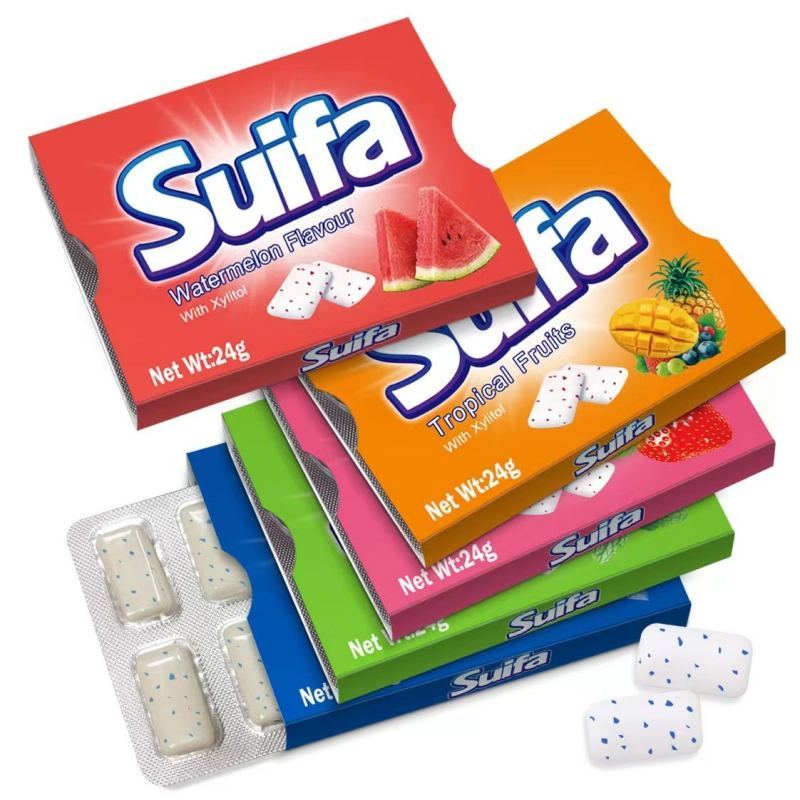
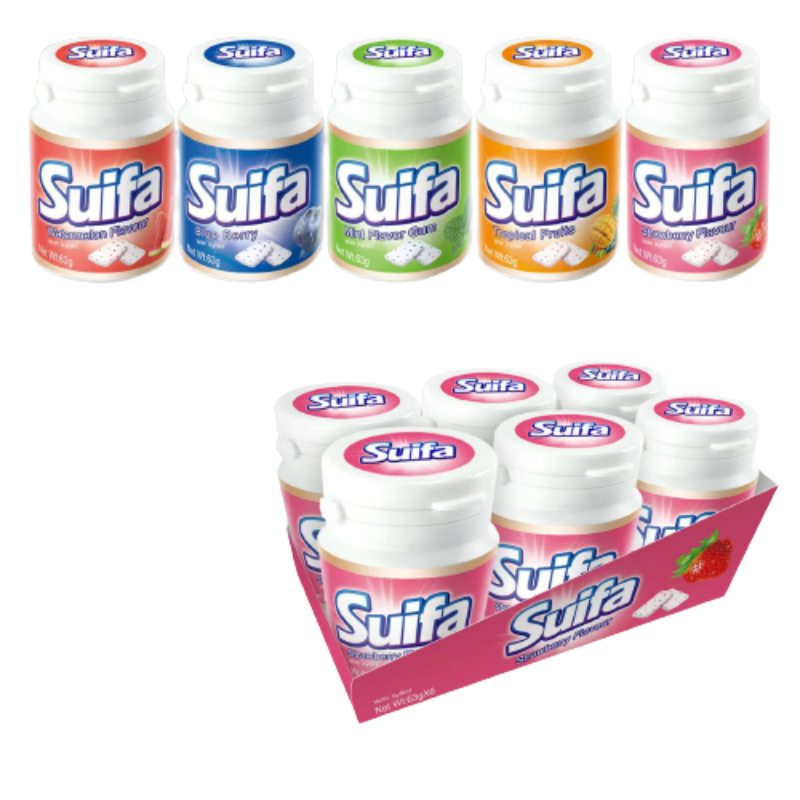
Bulk Healthy Natural Xylitol Sugar Free Tablet Chewing Gum
Detail

Checking Order
Quality Test Before Delivery
Check Items When Packing
Packaging And Transport
Send Inquiry Now!
Choose Suifa, Boost Your Candy and Gum Project!
Discover excellent gum and candy products at our factory. We create custom solutions for our customers. Join us for exclusive insights, customized products and partnerships. Leave your contact info we'll be back in touch within 12 hours!
Choose Suifa, take your bussiness to the next level!



Contact Us
WELCOME TO SUIFAFOOD YOUR TRUSTED MANUFACTURER OF GUM AND CANDY
Address: No.8 Ritian Road Songxia lndustrial AreaSonggang Nanhai, Foshan, Guangdong, China

