
Why Is There No Chocolate-Flavored Chewing Gum?
2025-08-19
Why Is There No Chocolate-Flavored Chewing Gum?
Love chocolate? Ever wondered why you can't find it in the gum aisle? The reason is more complex than you think, involving tricky flavor, texture, and chemistry challenges.
Chocolate-flavored gum is rare because replicating chocolate's complex, creamy flavor and smooth texture is extremely difficult in a gum base. The fats in real chocolate interfere with the gum's structure, and the flavor often fades quickly, leaving an unpleasant chemical aftertaste.
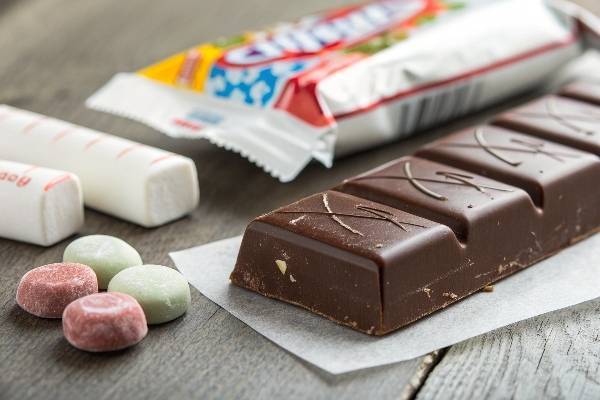
It seems like such a simple and obvious idea, doesn't it? Chocolate is one of the world's most beloved flavors. Putting it into chewing gum should be a guaranteed success. As a gum manufacturer with my company, Suifa, I've received countless flavor requests from clients looking for private label products[1]. Some customers also mentioned chocolate gum. But every time we explore it in our labs, we run into the same roadblocks. Chocolate chewing gum is not impossible to achieve, but the costs and technical difficulties involved have deterred our customers. It’s not as simple as just mixing in some cocoa. Let's look at exactly why this seemingly perfect match is so hard to get right.
Does the Flavor of Chocolate Chewing Gum Not Last Long?
You pop in a piece, expecting that rich, chocolaty goodness. But after just a few chews, the flavor vanishes. This frustrating experience is a major reason why chocolate gum isn't popular.
Yes, the flavor often doesn't last. A real chocolate bar's taste comes from fats and solids that melt in your mouth. Gum can't replicate this process, so the flavorings used fade quickly or taste artificial, leaving behind a bitter or chemical note.
The Challenge of Complex Flavors
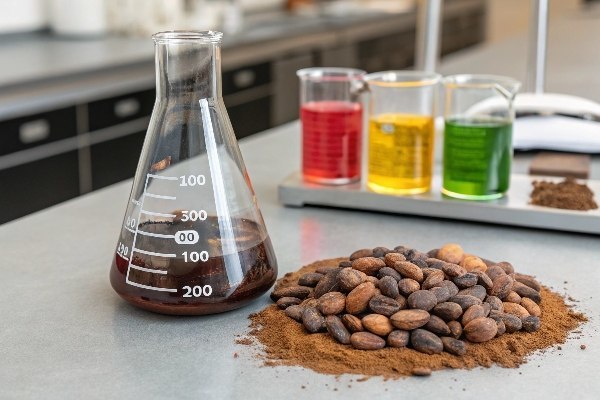
The first major problem is the flavor itself. Real chocolate isn't just one note; it's a symphony of different tastes and smells. It has the bitterness of cocoa, the sweetness of sugar, the creaminess from milk and cocoa butter, and even roasted notes from the beans. Capturing this entire experience in a tiny drop of liquid flavoring that can be mixed into a gum base is incredibly hard. Most flavorings can only mimic one or two of these aspects. This often results in a gum that tastes like a cheap, one-dimensional version of chocolate.
The Problem with Flavor Release
How you experience flavor is also key. Chocolate melts smoothly in your mouth, which is typically around 37°C (98.6°F). This melting process releases all those complex flavor compounds gradually. Chewing gum works differently. The flavor is physically squeezed out of the gum base as you chew. This mechanical process can cause the delicate chocolate notes to release all at once and then disappear, or to come out in a way that feels unnatural. We’ve found that the initial burst can be promising, but it quickly fades into a disappointing, lingering bitterness that no one enjoys.
Feature Comparison: Real Chocolate vs. Chocolate-Flavored Gum
Feature | Real Chocolate | Chocolate-Flavored Gum |
Flavor Source | Cocoa Butter, Cocoa Solids, Sugar, Milk | Artificial/Natural Flavorings |
Release Mechanism | Melts in the mouth (at body temperature) | Released physically through chewing |
Flavor Profile | Complex (sweet, bitter, creamy, roasted) | Often one-dimensional and fades fast |
Aftertaste | Rich and pleasant | Can be chemical or unpleasantly bitter |
At Suifa, we are always experimenting with new technologies for our clients. For a tricky flavor like chocolate, we might use microencapsulated flavor technology[2]. This puts the flavor inside tiny, microscopic shells that break open as you chew, providing a longer, more controlled release. We also try blending it with other flavors, like vanilla or caramel, to help balance the bitterness of cocoa and create a richer profile. It’s a constant process of research and development.
Does Chocolate Make Chewing Gum Feel Weird?
You expect a smooth, enjoyably chewy gum. Instead, you could get something gritty, or a product that turns strangely soft and sticky. The unique ingredients in chocolate can ruin the one thing gum needs to be: perfectly chewable.
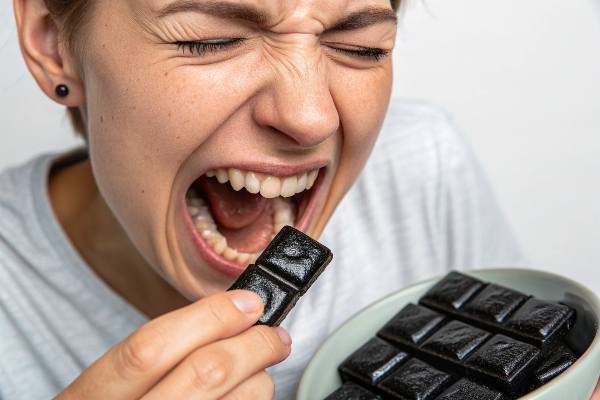
Yes, it often does. Chocolate's key ingredient for texture, cocoa butter, is a fat. Fat makes a standard gum base soft, sticky, and unstable. Using cocoa powder to avoid the fat can create a gritty, unpleasant mouthfeel. Getting that perfect chew is a huge technical problem.
The Fat Problem
Let me explain this from a manufacturer's point of view. A chewing gum base is a carefully balanced formula of food-grade polymers, softeners, and fillers. It's designed to be non-reactive and to not break down in your mouth. Crucially, it's typically fat-free. The moment you introduce a significant amount of fat, like the cocoa butter that makes chocolate so smooth, the entire structure of the gum base can fail. The fat acts like a solvent, breaking down the long polymer chains[3] that give gum its elasticity. In our R&D labs, we’ve seen this happen firsthand. The gum loses its chewiness and turns into a soft, sticky mess that is impossible to enjoy.
The Grittiness of Cocoa Powder
The logical next step is to remove the fat. So, instead of using whole chocolate, why not just use fat-free cocoa powder for the flavor? We’ve tried this many times. The problem is that cocoa powder consists of very fine, solid particles. These particles don't dissolve in the gum base or in saliva. As a result, when you chew the gum, you can feel these tiny grains. It creates a sandy or gritty texture in your mouth. This completely ruins the smooth, consistent chewing experience that customers expect. It feels less like gum and more like you have a bit of dirt in your mouth.
Ingredient Texture Issues
Ingredient Added | The Problem It Creates | The Resulting Texture |
Cocoa Butter (Fat) | Destabilizes and weakens the gum base | A soft, sticky, non-chewable mess |
Cocoa Powder (Solid) | Doesn't dissolve properly in the gum | A gritty, sandy, and unpleasant mouthfeel |
Other Chocolate Parts | Can harden in lower temperatures | Brittle gum that loses its elasticity |
This is where true innovation comes in, and it's what we focus on when a client brings us a challenge like this for their private label brand. The solution lies in advanced food science. We can use specially processed, defatted cocoa extracts[4] that provide flavor without the texture problems. Another path is using emulsification technology[5]. This involves using specific ingredients to help blend tiny amounts of fat-like substances smoothly into the gum base, mimicking a creamy texture without causing it to break down.
Why Does Sugar-Free Chocolate Gum Taste Strange?
You try a sugar-free chocolate gum, hoping for a delicious, guilt-free treat. Instead, you’re met with a bizarre, metallic aftertaste. This strange flavor isn't your imagination; it's a chemical clash between sweeteners and cocoa.
Sugar-free chocolate gum can taste strange because the artificial sweeteners used in most gums, like aspartame, don't mix well with cocoa's natural bitterness. This clashing combination often creates an unpleasant metallic or chemical aftertaste, totally unlike the balanced sweetness in a real chocolate bar.
When Sweeteners and Cocoa Clash
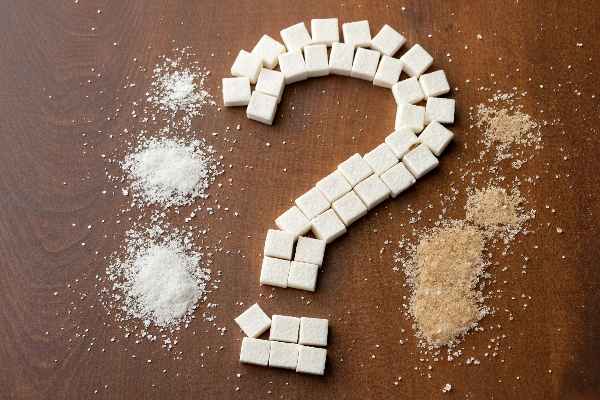
Most chewing gum on the market today is sugar-free. This is what consumers want. In our factory, we produce huge volumes of sugar-free gum for export using sweeteners like xylitol, aspartame, and sucralose. These work wonderfully for mint and fruit flavors. They provide a clean, sharp sweetness that enhances the refreshing taste. Chocolate, however, is a different story. Cocoa has its own natural, strong bitterness. In a chocolate bar, this bitterness is perfectly balanced by large amounts of sugar and the creamy mouthfeel of fat. When you replace the sugar with a high-intensity, sugar-free sweetener, the balance is lost. These sweeteners have their own unique taste profiles that can clash horribly with cocoa, making the bitterness even stronger or producing very noticeable "off-notes."
The Lingering Aftertaste
Think about why you chew gum. Usually, it's to freshen your breath. Mint and fruit flavors are perfect for this because they are designed to be refreshing and leave your mouth feeling clean. Their job is to disappear cleanly. Chocolate is the opposite. It is a rich, indulgent flavor. A chocolatey aftertaste can feel heavy or dull in your mouth, not clean and refreshed. This is a fundamental conflict in what people expect from gum versus what chocolate delivers. This is a major reason why mint, spearmint, and fruit flavors continue to dominate the global chewing gum market. They fulfill the core purpose of the product better.
Sweetener and Flavor Pairing
Flavor Type | Common Sweeteners Used | Typical Result |
Mint or Fruit | Xylitol, Aspartame, Sucralose | Refreshing sweetness, clean, enhances flavor |
Chocolate | Xylitol, Aspartame, Sucralose | Can clash, creating a metallic/bitter aftertaste |
Real Chocolate | Sugar, Milk Solids (Lactose) | Balanced, rich, indulgent flavor |
As part of our full customization service, we work to solve these problems. It's not impossible, just very difficult. The solution is often in the blend. Instead of one sweetener, we can create a custom combination, for example using erythritol with a small amount of maltitol, to create a more sugar-like sweetness that better masks bitterness. We also add other complementary "brown" flavors, like a touch of coffee or vanilla extract. These can add complexity and help hide the strange aftertastes, resulting in a more rounded and enjoyable product.
Is Chocolate Gum Difficult to Store?
You buy a pack of gum and leave it in your bag or the car. A standard mint gum would likely be fine. A chocolate-flavored gum, however, could become a sticky mess or even taste rancid.
Yes, it can be. If the gum contains any real chocolate fats like cocoa butter, it is at risk of oxidation[6], which creates a rancid taste and severely shortens the product's shelf life. It is also more sensitive to temperature, becoming soft and sticky in heat.

The Risk of Rancidity
As a manufacturer who exports products worldwide to places like North America, Europe, and the Middle East, shelf life is one of our top priorities. Our products need to remain fresh and high-quality for many months, through shipping and storage in various climates. The main challenge with any product containing fat is oxidation. Over time, fats react with oxygen in the air and go rancid. This creates a terrible, stale flavor and smell. While we already know that fat ruins gum texture, any attempt to add even a small amount for flavor authenticity introduces this huge shelf-life problem. It’s a quality risk that most major brands are not willing to take.
Sensitivity to Temperature
Chewing gum needs to be incredibly stable. It has to survive a journey from our factory, potentially through a cold warehouse, onto a hot shipping container, and then maybe sit in a customer's hot car. Standard gum is designed to handle this. Chocolate, by its very nature, melts. A gum that contains chocolate components, even if they aren't pure fat, can be very sensitive to heat. It can become soft, lose its shape, and stick to the wrapper, creating a frustrating and messy experience for the consumer. This potential instability could even require more expensive, climate-controlled shipping[7] and storage, which drives up the final cost of the product.
Gum Storage Challenges
Gum Type | Key Storage Challenge | Result of Poor Storage |
Standard Mint/Fruit Gum | Fairly stable, may harden in cold | Generally holds up well |
Chocolate Gum (with fat) | Fat oxidation and heat sensitivity | Becomes rancid, melts into a sticky mess |
Chocolate Gum (fat-free) | Less risk of rancidity, but flavor fades | Flavor can degrade and become unstable |
The solutions here tie back to the earlier points. The best way to ensure stability is to use only defatted cocoa components. This removes the risk of rancidity and reduces temperature sensitivity[8]. To protect the delicate flavor that remains, we can add natural, food-safe antioxidants, such as Vitamin E. This helps extend the shelf life and ensures that the gum tastes the way it was intended, from our factory to the customer's pocket. It's all part of delivering the top quality that Suifa is known for.
Conclusion
In short, creating great chocolate gum is a true test of food science. It's a battle against flavor, texture, and stability. But with new technology, a delicious version may be on shelves soon.
Reference
[1]Explore how companies create custom gum flavors and products for other brands to sell.
[2]Explore how microencapsulation can help extend chocolate flavor release in gum for a better chewing experience.
[3]Understand the science of gum elasticity and how fats can break down these chains.
[4]Learn how removing fat from cocoa can preserve flavor while avoiding texture and stability issues.
[5]Discover how emulsifiers can blend fat-like substances into gum without breaking its structure.
[6]Understand the chemical process that makes fats in gum go stale and taste bad.
[7]Find out how temperature-sensitive ingredients increase shipping costs and complexity.
[8]Learn how heat affects chocolate gum's texture and stability during storage and transport.
Suifa news
How is Bubble Gum Made in the Factory?
2023-05-24
How Hard Candy is Made in the Factory?
2024-02-28
Get An Instant Quotation
Recommended Products
Bulk Healthy Natural Xylitol Sugar Free Tablet Chewing Gum
Detail

Checking Order
Quality Test Before Delivery
Check Items When Packing
Packaging And Transport
Send Inquiry Now!
Choose Suifa, Boost Your Candy and Gum Project!
Discover excellent gum and candy products at our factory. We create custom solutions for our customers. Join us for exclusive insights, customized products and partnerships. Leave your contact info we'll be back in touch within 12 hours!
Choose Suifa, take your bussiness to the next level!



Contact Us
WELCOME TO SUIFAFOOD YOUR TRUSTED MANUFACTURER OF GUM AND CANDY
Address: No.8 Ritian Road Songxia lndustrial AreaSonggang Nanhai, Foshan, Guangdong, China

