
What Types of Chewing Gum Help with Dry Mouth Symptoms?
2026-09-18
Dry mouth can feel small at first. Then it becomes annoying. Your tongue sticks. Your breath changes. Your throat feels rough. You keep sipping water, but the relief does not last. I see this often in my chewing gum work, and I know how frustrating it feels. When saliva is low, our mouth loses comfort and protection. That can affect chewing, speaking, taste, and daily confidence. The right gum can help, but the wrong gum can make irritation worse.
The best chewing gums for dry mouth symptoms are sugar-free gums, especially gums made with xylitol, sorbitol, or other saliva-stimulating ingredients. I recommend starting with sugar-free xylitol gum because it encourages saliva flow while avoiding sugar. For stronger symptoms, we can also consider dry-mouth-specific gums or oral care products designed for xerostomia. We should avoid sugary gum, harsh cinnamon gum, and very acidic gum if our mouth is sensitive.
If you want a clear answer, stay with me. I’m Suifa, and I’ll walk you through the gum types I trust, the ingredients I check, and the choices I avoid.

Quick Answer: Which Gum Should We Choose First?
If I had to make one simple recommendation, I would choose this:
Start with sugar-free xylitol gum.
It is practical. It is easy to find. It supports saliva flow. It avoids feeding cavity-causing bacteria with sugar.
Dry mouth, also called xerostomia, may come from medications, dehydration, cancer treatment, aging, or health conditions. The National Institute of Dental and Craniofacial Research gives a helpful overview here: NIDCR: Dry Mouth.
Best Types of Chewing Gum for Dry Mouth Symptoms
| Gum type | Why I recommend it | Best for | My caution |
Sugar-free gum | Stimulates saliva without adding sugar | Mild dry mouth, daily use | Check sweeteners if you have stomach sensitivity |
Xylitol gum | Supports saliva flow and may help reduce cavity risk | Dry mouth with cavity concern | Too much xylitol may cause digestive upset |
Sorbitol gum | Helps sweeten gum without sugar | Occasional dry mouth relief | Less preferred than xylitol in my expert routine |
Dry-mouth-specific gum | Designed for people with xerostomia symptoms | Moderate to chronic dry mouth | May cost more than regular gum |
Mild mint gum | Freshens breath while encouraging saliva | Bad breath from dry mouth | Avoid strong mint if it burns |
Acidic flavor gum | Can stimulate saliva quickly | Short-term saliva boost | Use carefully because acids may bother enamel or sensitive mouths |

Why Does Chewing Gum Help Dry Mouth?
Chewing gum helps because chewing is a signal.
When we chew, our salivary glands respond. They begin making more saliva. That extra saliva helps lubricate the mouth.
Saliva matters because it protects our teeth and soft tissues. It helps neutralize acids. It helps us swallow. It keeps our mouth more comfortable.
The Mayo Clinic lists dry mouth symptoms such as sticky feeling, bad breath, dry throat, changed taste, and trouble chewing or speaking. You can review those signs here: Mayo Clinic: Dry Mouth Symptoms and Causes.
This is why I like gum as a first-line comfort tool. It is simple. It is portable. It works fast for many people.
But I always remind readers: gum helps symptoms. It does not always fix the cause.
Is Sugar-Free Gum Better for Dry Mouth?
Yes. Sugar-free gum is usually the best basic choice for dry mouth.
I do not recommend sugary gum for dry mouth relief. Sugar can feed bacteria in the mouth. When the mouth is already dry, we have less saliva to rinse acids away. That can increase oral risk.
Sugar-free gum gives us the chewing benefit without the sugar load.
The ADA notes that sugar-free gum can help increase saliva flow and support oral health after eating. This is one reason I often suggest keeping a pack near your desk, car, or bag.
My gum rule is simple:
If the gum is for dry mouth, it should be sugar-free.

Is Xylitol Chewing Gum Good for Dry Mouth?
Yes. Xylitol chewing gum is one of my favorite options for dry mouth symptoms.
Xylitol is a sugar alcohol used as a sweetener. It gives sweetness without regular sugar. It is widely used in oral care gums and mints.
I like xylitol gum because it does two helpful things:
• It encourages chewing and saliva flow
• It avoids regular sugar
There is also research interest in xylitol and cavity prevention. The Cochrane review on xylitol for preventing tooth decay is useful if you want a deeper evidence-based look: Cochrane: Xylitol for preventing tooth decay.
Still, I like to stay honest. Xylitol is not magic. It is not a cure for every dry mouth case. But as a daily gum ingredient, it is one of the strongest choices we have.
One warning from me: keep xylitol away from dogs. It is toxic to them. The FDA explains this clearly here: FDA: Xylitol and Dogs.
Is Sorbitol Chewing Gum Helpful?
Sorbitol gum can help, mainly because it is sugar-free and keeps us chewing.
However, in my own expert ranking, I usually place xylitol above sorbitol for dry mouth support. Sorbitol is common in sugar-free gum, and it can be useful. But if I am choosing gum specifically for dry mouth, I want xylitol listed clearly.
That said, sorbitol gum may still be a good option if:
• You dislike the taste of xylitol gum
• Xylitol upsets your stomach
• You need a widely available sugar-free gum
• You want mild, occasional relief
My advice is practical: if sorbitol gum works for your mouth and does not irritate you, it is acceptable.

What About Gum with Saliva-Boosting Acids?
Some gums use tart flavors. These may include acidic ingredients or fruit acids.
A sour taste can make the mouth water. We all know that feeling. The tongue reacts fast. Saliva increases.
But I use caution here.
Acidic gum may stimulate saliva, but frequent acid exposure can be rough on sensitive mouths and enamel. If your teeth are sensitive, or if you already have enamel wear, I would not rely on sour gum all day.
There is research on malic acid products for dry mouth symptoms. For example, studies have looked at malic acid sprays for xerostomia relief. You can see one PubMed record here: PubMed: Malic acid and xerostomia.
But gum is not the same as a clinical spray. So I keep my recommendation careful:
Use acidic or sour gum only occasionally. Choose xylitol gum for routine use.
Are Dry-Mouth-Specific Chewing Gums Worth Trying?
Yes, especially if your dry mouth is frequent.
Some products are made specifically for dry mouth. They may be marketed as dry mouth gum, oral moisturizing gum, or saliva support gum. These gums often focus on comfort, moisture, and gentler flavors.
I like them for people who say:
• “Water helps only for a minute.”
• “My mouth feels dry every morning.”
• “My medication makes my mouth sticky.”
• “Regular mint gum burns my mouth.”
• “I need relief during meetings or travel.”
Dry-mouth-specific gum may cost more. But for some people, the comfort is worth it.
I would still check the label. I want to see:
• Sugar-free
• Xylitol or other non-sugar sweeteners
• Gentle flavor
• No harsh cinnamon if sensitive
• No excessive sour acid profile

Ingredient Guide for Choosing Dry Mouth Gum
| Ingredient or feature | My expert view | Why it matters |
Sugar-free label | Essential | Reduces sugar exposure when saliva is low |
Xylitol | Highly recommended | Supports saliva stimulation and oral-care goals |
| Sorbitol | Acceptable | Common sugar-free sweetener |
| Mild mint | Good for many people | Freshens breath without too much burn |
| Strong cinnamon | Use caution | Can irritate sensitive dry mouths |
| Sour acids | Use occasionally | May boost saliva, but can feel harsh |
| Soft texture | Helpful | Easier on jaw and mouth tissues |
| ADA Seal | Nice bonus | Shows product review for safety and efficacy claims |
How Often Should We Chew Gum for Dry Mouth?
I usually suggest a simple routine.
Chew one piece after meals. Chew when your mouth feels dry. Stop if your jaw gets tired.
For many people, chewing for 10 to 20 minutes is enough. We do not need to chew constantly all day.
Too much gum can cause:
• Jaw soreness
• Bloating
• Gas
• Stomach upset
• Headache from jaw tension
This is more likely if we chew many pieces of sugar-free gum with sugar alcohols.
My personal rule is balance:
Use gum as a tool, not as a nonstop habit.

What Gum Should We Avoid for Dry Mouth?
I avoid several types when working with dry mouth symptoms.
Sugary gum
This is my first “no.”Sugary gum is not ideal for dry mouth. Dry mouth already increases cavity risk. Sugar makes that situation harder.
Very strong cinnamon gum
Some people love cinnamon. I understand that. But dry mouth tissues can be tender. Strong cinnamon flavor may sting.
Extremely sour gum
Sour gum can make saliva rush in. But it may also irritate the mouth. I would not use it as a daily dry mouth solution.
Whitening gum with harsh additives
If a gum feels abrasive, burning, or drying, I stop using it. Comfort matters.
Gum that causes jaw pain
If chewing makes your jaw click, ache, or lock, gum may not be right for you. In that case, I would look at dry mouth lozenges, sprays, or rinses instead.

Can Chewing Gum Replace Water or Dry Mouth Treatment?
No. Chewing gum should not replace hydration or medical advice.
Gum helps stimulate saliva. But dry mouth can come from deeper causes. If your symptoms are ongoing, severe, or sudden, I would not ignore them.
Talk with a dentist or doctor if you have:
• Dry mouth every day
• Mouth sores
• Burning mouth
• Trouble swallowing
• Thick saliva
• Frequent cavities
• Dry eyes along with dry mouth
• Medication-related dryness
The NIDCR dry mouth guide is a helpful starting point: NIDCR: Dry Mouth.
I see gum as part of a larger comfort plan. Drink water. Avoid tobacco. Limit alcohol. Use gentle oral care. Ask about medication side effects.
And yes, keep good gum nearby.
What Is My Best Chewing Gum Routine for Dry Mouth?
Here is the routine I would use myself:
• Choose sugar-free xylitol gum.
• Use a mild mint or neutral flavor.
• Chew after meals for 10 to 20 minutes.
• Use dry-mouth-specific gum if regular gum is not enough.
• Avoid sour gum as a daily habit.
• Stop if my jaw hurts.
• Visit a dentist if dryness continues.
This routine is simple. That is why it works.
Dry mouth care does not have to be complicated. We just need to choose the right gum and use it wisely.
More Related Questions
Does Chewing Gum Help Dry Mouth at Night?
It can help before bedtime, but I do not recommend sleeping with gum. That is unsafe. If nighttime dry mouth is the main issue, I would use gum before bed, then consider a dry mouth rinse or gel.
Is Mint Gum Bad for Dry Mouth?
Not always. Mild mint gum can be helpful. But strong mint may burn or irritate a sensitive dry mouth. I prefer gentle mint.
Is Xylitol Gum Safe Every Day?
For most adults, yes, in moderate amounts. But too much may cause digestive upset. Also, xylitol is dangerous for dogs, so store it safely.
Can Gum Help Bad Breath from Dry Mouth?
Yes. More saliva can reduce dry mouth-related bad breath. Sugar-free gum also helps freshen the mouth after meals.
What Is Better for Dry Mouth: Gum or Lozenges?
It depends. Gum works well if you can chew comfortably. Lozenges may be better if you have jaw pain. I often suggest trying both and watching which gives longer relief.
Conclusion
The best chewing gum for dry mouth is sugar-free, gentle, and preferably xylitol-based. I recommend starting there. If symptoms continue, try dry-mouth-specific products and speak with a dental professional. The right gum can make daily comfort much easier.
Suifa news
How is Bubble Gum Made in the Factory?
2023-05-24
How Hard Candy is Made in the Factory?
2024-02-28
Get An Instant Quotation
Recommended Products
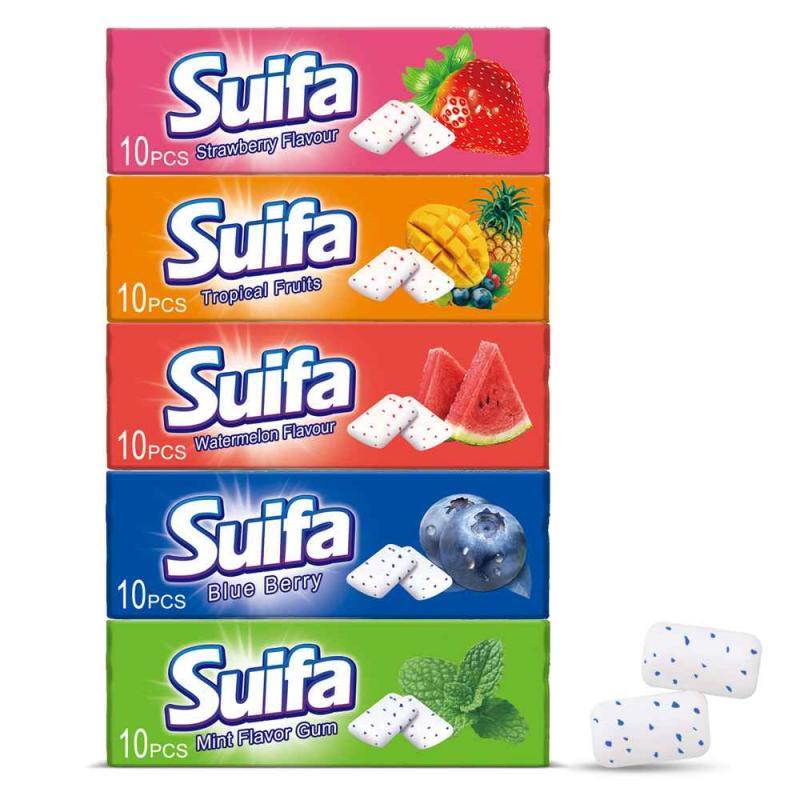
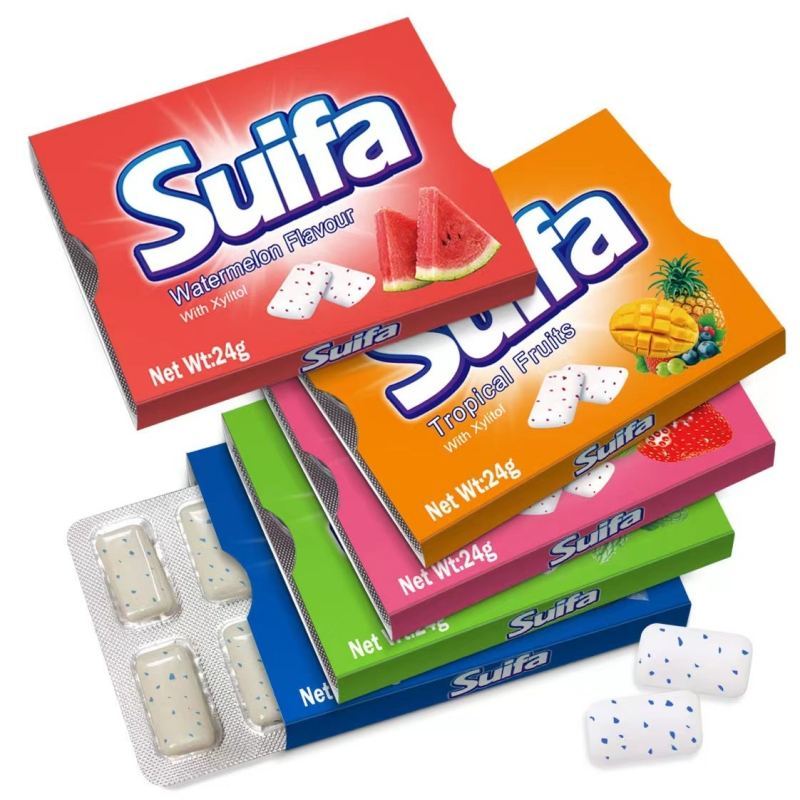
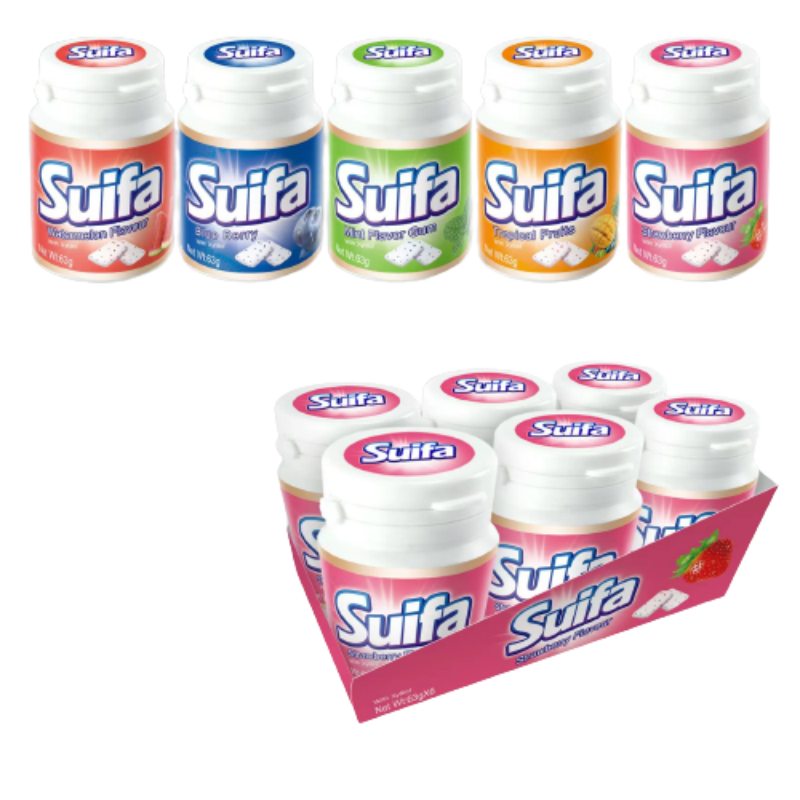
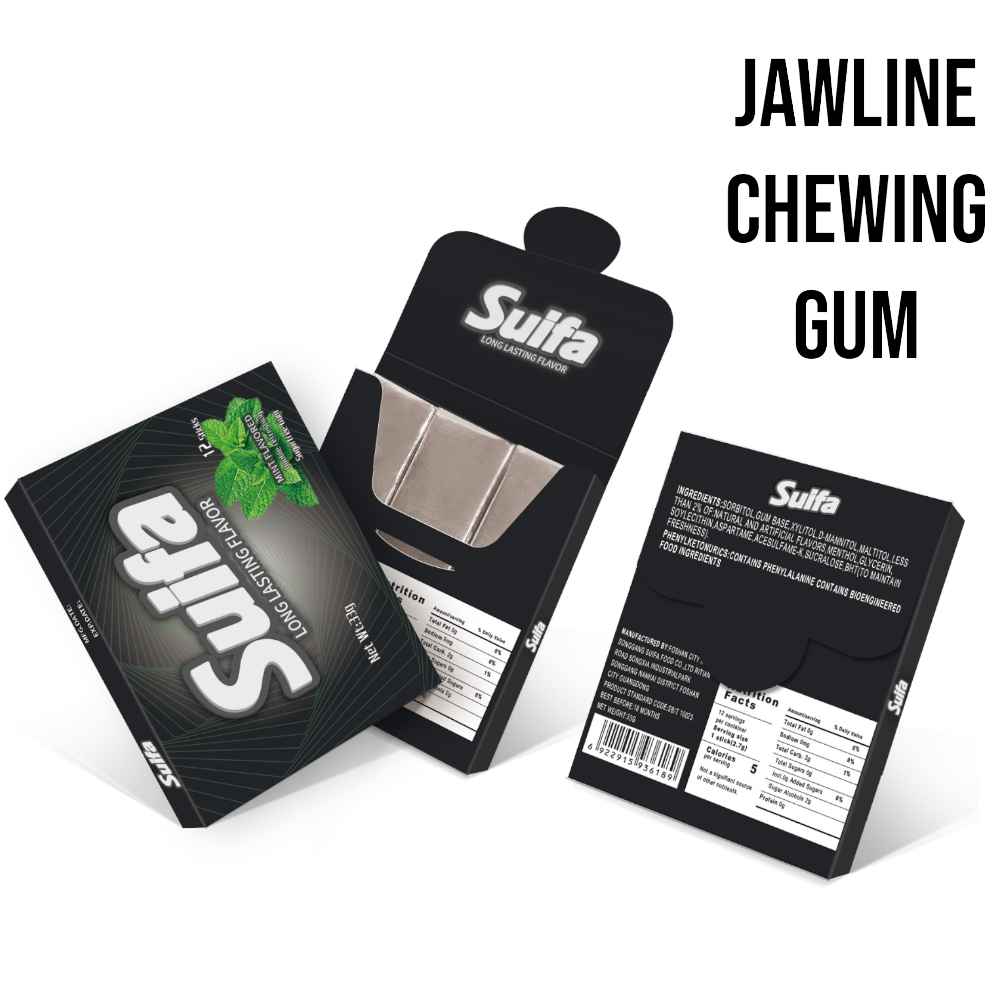
Bulk Healthy Natural Xylitol Sugar Free Tablet Chewing Gum
Detail

Checking Order
Quality Test Before Delivery
Check Items When Packing
Packaging And Transport
Send Inquiry Now!
Choose Suifa, Boost Your Candy and Gum Project!
Discover excellent gum and candy products at our factory. We create custom solutions for our customers. Join us for exclusive insights, customized products and partnerships. Leave your contact info we'll be back in touch within 12 hours!
Choose Suifa, take your bussiness to the next level!



Contact Us
WELCOME TO SUIFAFOOD YOUR TRUSTED MANUFACTURER OF GUM AND CANDY
Address: No.8 Ritian Road Songxia lndustrial AreaSonggang Nanhai, Foshan, Guangdong, China

