
What Is the Best Gum for Stomach Acid?
2026-11-05
Stomach acid can turn a normal meal into an uncomfortable experience. I know the pattern well. You eat, then the burning starts. You reach for water. You sit upright. You wonder if something simple could help. That is where chewing gum becomes interesting. It is not medicine. It is not a cure. But the right gum may help your body manage mild acid discomfort by increasing saliva and helping clear acid from the esophagus.
The best gum for stomach acid is usually sugar-free gum, especially gum made with xylitol or another tooth-friendly sweetener. I recommend chewing it for about 30 minutes after meals. This helps stimulate saliva, which may dilute and clear acid from the esophagus. If mint makes your reflux worse, choose cinnamon or fruit-flavored sugar-free gum instead.
I’m Suifa, and I look at gum from both a chewing experience and ingredient point of view. Let’s keep this practical. The right gum choice should be simple, sugar-free, comfortable, and easy to use after meals.

Quick Answer: Best Gum for Stomach Acid
| Feature | Best Choice | Why I Recommend It |
| Sweetener | Xylitol or sugar-free sweeteners | Helps avoid sugar and supports oral health |
| Flavor | Cinnamon, fruit, or mild mint | Mint may bother some reflux-sensitive people |
| Chewing time | About 30 minutes after meals | This is when acid symptoms often appear |
| Texture | Soft and long-lasting | Easier on the jaw |
| Avoid | Sugary gum and over-chewing | Sugar harms teeth; over-chewing may cause bloating or jaw strain |
How Does Chewing Gum Help With Stomach Acid?
Chewing gum helps because it encourages your mouth to produce more saliva. That is the key point.
More saliva can help wash acid back down and dilute acid in the esophagus. Saliva also contains bicarbonate, which can help neutralize acid naturally.
A clinical study published in Alimentary Pharmacology & Therapeutics found that chewing sugar-free gum after a meal reduced post-meal esophageal acid exposure in people with reflux symptoms. You can read the study summary here: PubMed: The effect of chewing sugar-free gum on gastro-esophageal reflux.
I like this because it supports what I often see in real gum use.
The mechanism is not complicated.
You chew.
Your saliva flow increases.
Your throat and esophagus get more natural rinsing.
That is why gum can be useful after meals, especially when symptoms are mild.

What Type of Gum Works Best for Stomach Acid?
The best type is sugar-free gum.
I do not recommend regular sugary gum for acid support. Sugar does not help reflux. It also increases the risk of tooth decay.
The American Dental Association notes that chewing sugar-free gum after meals can help increase saliva flow and support oral health. Here is a useful ADA resource: American Dental Association: Chewing Gum.
For stomach acid, I focus on three things:
• Sugar-free formula
• Comfortable flavor
• No harsh ingredient load
Xylitol gum is often a strong choice.
It tastes clean.
It is tooth-friendly.
It is commonly used in higher-quality sugar-free gums.
Still, not every person tolerates every sweetener the same way. Some people feel bloated when they chew too much gum with sugar alcohols.
So my rule is simple.
Start small. Chew after meals. Watch how your body responds.

Is Mint Gum Good or Bad for Stomach Acid?
Mint gum can be helpful for some people.
But it can also bother others.
This is where I always slow down and explain the difference.
Mint feels cooling in the mouth. That can make it seem soothing. But some people with reflux find that peppermint or strong mint flavors make symptoms worse.
If mint gum works for you, that is fine.
If mint gum increases burning, burping, or throat irritation, switch flavors.
I usually suggest:
• Cinnamon sugar-free gum
• Fruit sugar-free gum
• Mild spearmint instead of strong peppermint
• Unflavored or gentle natural gum, if available
The best gum is not always the strongest gum.
It is the gum your body accepts.

What Ingredients Should I Look For in Gum?
I look for a clean, practical ingredient profile.
Not fancy.
Just effective.
Best ingredients to look for
• Xylitol
• Sorbitol or maltitol in moderate amounts
• Sugar-free base
• Long-lasting flavor
• No added sugar
Ingredients to be careful with
• High sugar content
• Too many sugar alcohols
• Very strong peppermint oil
• Artificial colors, if you are sensitive
• Caffeine or acidic flavor additives
Here is my expert-style breakdown.
Ingredient or Feature | Good for Stomach Acid? | My Expert Note |
Xylitol | Yes | A strong sugar-free choice and good for teeth |
Sugar-free label | Yes | My first requirement |
Strong peppermint | Maybe | Helpful for some, triggering for others |
Cinnamon flavor | Often yes | A good mint alternative |
Sugary gum | No | Not ideal for teeth or daily use |
Excess sorbitol | Use caution | Too much may cause gas or loose stool |
Soft chew texture | Yes | Better for longer chewing sessions |

Are There Gum Brands That Are Better for Stomach Acid?
Yes, but I do not choose brands based only on popularity.
I choose based on formula, sweetener, flavor, and chewing comfort.
Brands like Extra, Orbit, Spry, and Suifa Gum can be considered if they offer sugar-free options with suitable sweeteners. I especially look for gums that use xylitol, avoid added sugar, and stay comfortable for a 20–30 minute chew.
With Suifa Gum, I would position it as a smart option when the formula is sugar-free, smooth in texture, and available in reflux-friendly flavors like cinnamon or gentle fruit. That matters because stomach acid support is not just about chewing anything.
It is about chewing the right gum at the right time.
My brand checklist is simple:
• Is it sugar-free?
• Does it contain xylitol or another suitable sweetener?
• Is the flavor gentle enough for reflux-sensitive users?
• Can I chew it after meals without jaw fatigue?
• Does it avoid unnecessary sugar?
If the answer is yes, it belongs on my shortlist.
When Should I Chew Gum for Stomach Acid?
Timing matters.
I recommend chewing gum after meals, not before meals.
The best window is usually:
• After breakfast
• After lunch
• After dinner
• After a reflux-triggering snack
Chew for about 30 minutes.
That timing matches the research approach used in the reflux gum study I mentioned earlier: PubMed reflux gum study.
I do not recommend chewing all day.
That can lead to jaw tiredness.
It can also make you swallow extra air, which may cause bloating.
My practical rule:
Chew sugar-free gum for 20–30 minutes after meals. Then stop.

Can Chewing Gum Replace Acid Reflux Medicine?
No.
I want to be clear.
Chewing gum can support mild symptom relief, but it does not replace medical treatment.
If you have frequent reflux, chest pain, trouble swallowing, vomiting, weight loss, or symptoms that keep returning, you should speak with a healthcare professional.
For reliable medical guidance, I trust resources like the National Institute of Diabetes and Digestive and Kidney Diseases: NIDDK: Treatment for GER and GERD in Adults.
Gum is a tool.
It is useful.
It is easy.
But it is not a diagnosis.
And it is not a cure for GERD.
How Should I Use Gum for the Best Result?
Here is the routine I recommend.
My simple gum routine for stomach acid
• Eat your meal slowly.
• Stay upright after eating.
• Wait a few minutes.
• Chew sugar-free gum for 20–30 minutes.
• Stop before your jaw gets tired.
• Track which flavors help or hurt.
This routine works best when paired with better eating habits.
The NIDDK also recommends diet and lifestyle changes for reflux management, such as avoiding trigger foods and not lying down too soon after eating. You can read more here: NIDDK: Eating, Diet, and Nutrition for GER and GERD.
I like gum because it fits naturally into that lifestyle.
It is small.
It is portable.
It is easy to repeat.
What Gum Flavors Are Best for Acid Reflux?
My top picks are:
• Cinnamon
• Fruit
• Mild spearmint
• Neutral herbal flavors
• Gentle xylitol gum
My caution pick is:
• Strong peppermint
Again, peppermint is not bad for everyone.
But if you notice symptoms after mint gum, do not force it.
Choose a softer flavor.
The best gum for stomach acid is the one that helps without creating a new problem.
Possible Side Effects of Chewing Gum
Most people tolerate sugar-free gum well.
But chewing too much can cause issues.
Possible side effects include:
• Jaw soreness
• Bloating
• Gas
• Burping
• Loose stool from too many sugar alcohols
• Worse reflux from mint flavor
This is why I never tell people to chew gum constantly.
More is not always better.
Use gum with purpose. Chew after meals. Keep it moderate.

Who Should Be Careful With Chewing Gum?
You may need to be careful if you have:
• TMJ or jaw pain
• Severe GERD
• Frequent bloating
• Sensitivity to sugar alcohols
• Dental appliances
• Difficulty swallowing
If gum makes symptoms worse, stop using it.
If reflux is frequent or severe, talk to a healthcare provider.
I love gum as a practical support tool.
But expert gum advice should still respect medical limits.
Best Gum for Stomach Acid: My Final Recommendation
If I had to choose one type, I would choose:
A soft, sugar-free xylitol gum in cinnamon or mild fruit flavor, chewed for about 30 minutes after meals.
That is my best all-around answer.
It avoids sugar.
It supports saliva flow.
It is less likely to trigger reflux than strong peppermint.
It also fits easily into daily life.
For many people, that is exactly what makes it useful.
More Related Questions
Can Chewing Gum Reduce Acid Reflux?
Yes, it may help reduce mild reflux symptoms by increasing saliva. More saliva can help clear acid from the esophagus. Research supports chewing sugar-free gum after meals for reducing post-meal acid exposure.
Is Sugar-Free Gum Better Than Regular Gum?
Yes. Sugar-free gum is better for daily use, especially after meals. It supports saliva flow without bathing your teeth in sugar.
Is Xylitol Gum Good for Stomach Acid?
Xylitol gum can be a good choice because it is sugar-free and tooth-friendly. For stomach acid, the main benefit still comes from chewing and saliva production.
How Long Should I Chew Gum After Eating?
I recommend 20–30 minutes after meals. That is long enough to stimulate saliva without overworking your jaw.
Can Mint Gum Make Acid Reflux Worse?
Yes, it can for some people. If mint gum triggers burning or burping, choose cinnamon or fruit sugar-free gum instead.
Conclusion
The best gum for stomach acid is sugar-free gum, ideally with xylitol, chewed after meals for about 30 minutes. I recommend gentle flavors like cinnamon or fruit if mint bothers you. Gum is not a cure, but it can be a smart daily support.
Suifa news
How is Bubble Gum Made in the Factory?
2023-05-24
How Hard Candy is Made in the Factory?
2024-02-28
Get An Instant Quotation
Recommended Products
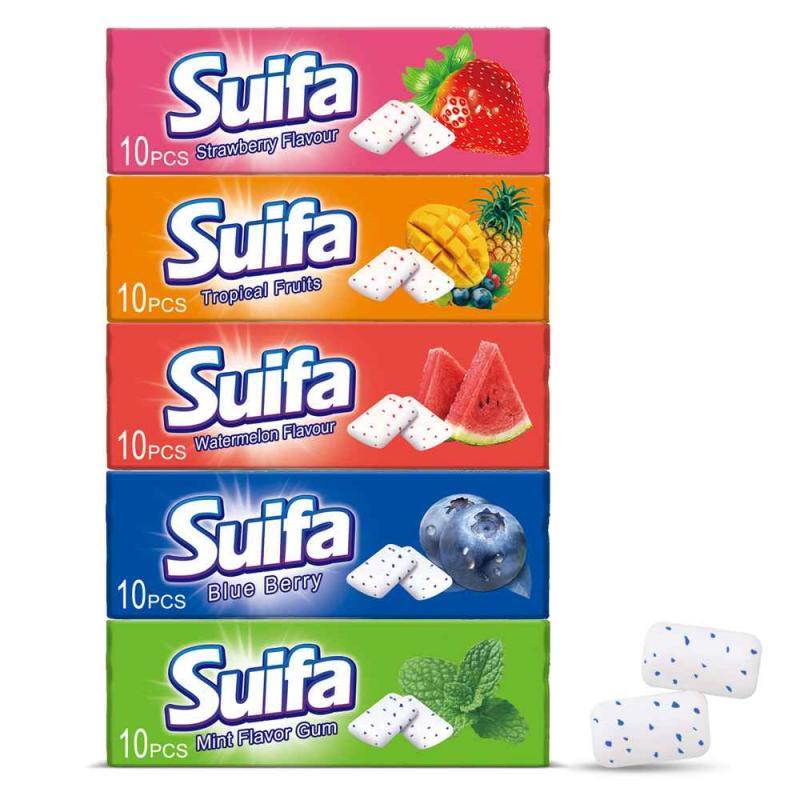
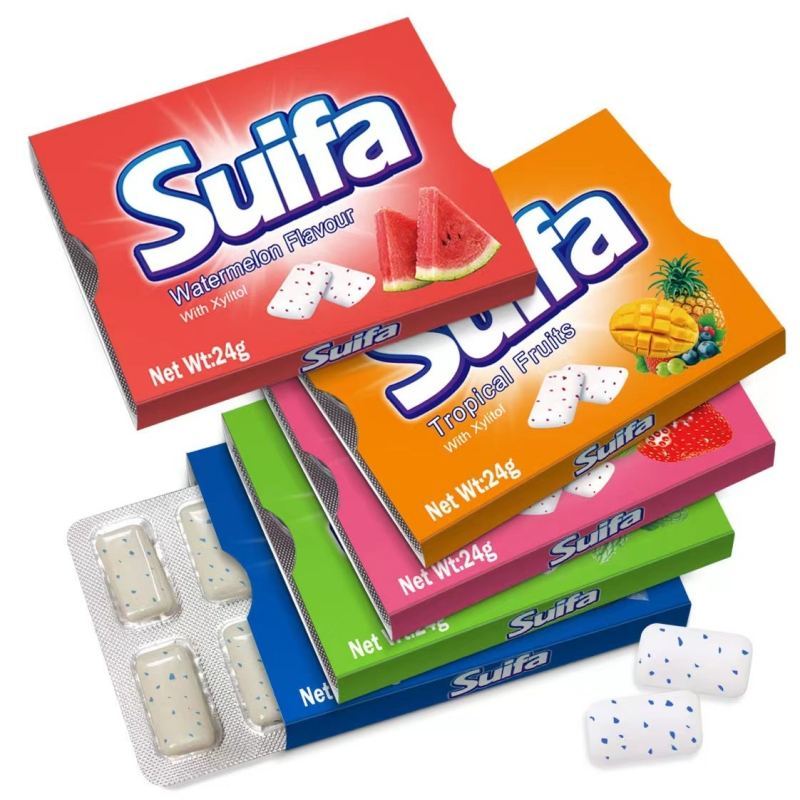
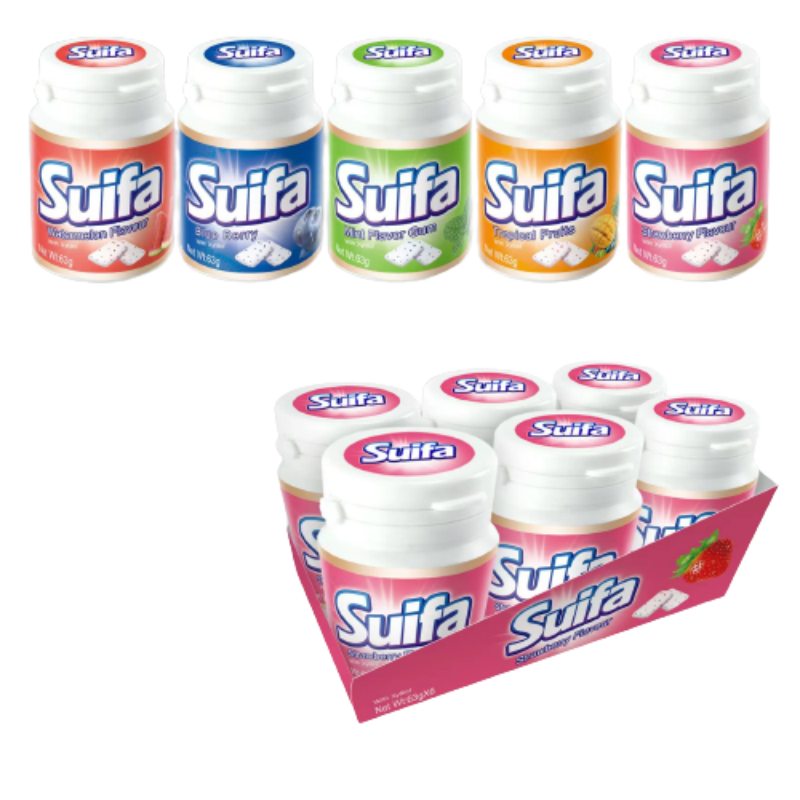
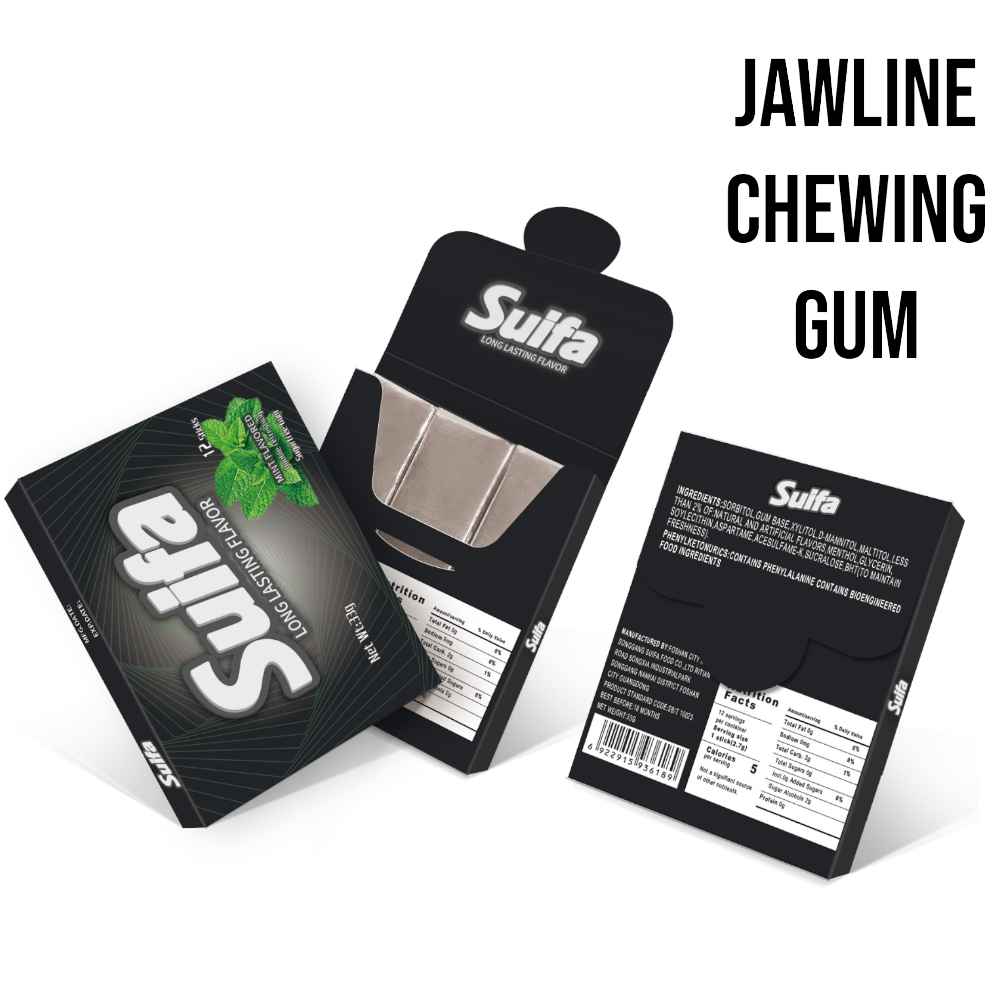
Bulk Healthy Natural Xylitol Sugar Free Tablet Chewing Gum
Detail

Checking Order
Quality Test Before Delivery
Check Items When Packing
Packaging And Transport
Send Inquiry Now!
Choose Suifa, Boost Your Candy and Gum Project!
Discover excellent gum and candy products at our factory. We create custom solutions for our customers. Join us for exclusive insights, customized products and partnerships. Leave your contact info we'll be back in touch within 12 hours!
Choose Suifa, take your bussiness to the next level!



Contact Us
WELCOME TO SUIFAFOOD YOUR TRUSTED MANUFACTURER OF GUM AND CANDY
Address: No.8 Ritian Road Songxia lndustrial AreaSonggang Nanhai, Foshan, Guangdong, China

