
What is Glycerin in Chewing Gum?
2025-11-08
What is Glycerin in Chewing Gum?
I get asked about glycerin all the time. People love a soft chew. They hate stale sticks. That’s where glycerin sneaks in. Problem. Gum dries out and cracks. Agitation. You buy a pack. It turns hard in a week. Solution. A tiny drop of glycerin locks in moisture. It plasticizes the base. It rounds the bite. It even helps flavors shine. I’ve used it for years. It’s simple. It works. And it’s on the label.
Glycerin, also called glycerol, is a clear, slightly sweet liquid humectant used in gum to hold moisture, keep the chew soft, and stabilize texture. It usually comes from plant oils or fermentation, and it is approved for use in food in many markets. You’ll see it as “glycerin” or “glycerol” on ingredient lists. Typical gum formulas use a small percentage to balance softness, sweetness, and shelf life.
I’ll break it down. Quick. Plain. From sourcing to texture. From labels to tolerance. So you can chew smarter.

Why Do We Put Glycerin in Gum?
Dry gum disappoints. Moist gum delights. Glycerin holds water. It is a humectant. It binds free water. It slows evaporation. It prevents cracks. It reduces brittleness in the base. That keeps the chew smooth. It also carries flavors. It helps volatile notes linger. The result feels juicy longer. Even in sugar-free gum. Even in dry climates. That’s why I rely on it.
Quick Data Table: What Glycerin Does in Gum
What Exactly Is Glycerin?
It’s glycerol. A triol. Three hydroxyl groups. Clear. Syrupy. Slightly sweet. Food-grade. Neutral aroma. Mixes well with polyols. Plays nice with sorbitol. With xylitol. It softens the gum base by plasticization. Think of it as a cushion between rigid chains. Flexibility rises. Fractures drop. Chew stays consistent.
Snapshot: Key Physical Points
Where Does Glycerin Come From?
Mostly plants. Soy, palm, rapeseed. It’s a byproduct of vegetable oil processing. Some producers use fermentation routes. That helps with quality and traceability. It can be kosher or halal certified. Often vegan-friendly. But labels vary. Brands set policies. I always check supplier specs. I confirm origin and certifications before launch.

Sourcing Overview
How Does Glycerin Change Texture in Gum?
Two ways. Water control and plasticization. First, it traps moisture. The gum stays supple. That slows staling. Second, it plasticizes the gum base and polyol matrix. It eases the bite. It rounds the snap. It removes that chalky edge. Combine it with sorbitol and xylitol. You get a silky chew. A clean finish. Fewer fissures. Better film strength in the bubble.

Formulation Ranges I Use
Does Glycerin Make Gum Sweeter?
A little. Not much. About a fraction of sucrose. It’s more of a rounder than a driver. It smooths the sweetness curve. It fills the valleys between peaks of high-intensity sweeteners. It can soften menthol’s bite. It can polish fruit acids. It does not steal the show. That’s perfect for balance.
Sweetness comparison
What About Shelf Life and Staling?
Gum stales when water activity drops. Surfaces dry. Micro-cracks form. Flavors dull. Glycerin moderates water activity. It slows moisture loss through the packaging. It keeps the core pliable. You feel that as longer softness. You taste that as sustained flavor release. With the right wrapper and seal, it extends freshness windows. That’s one reason big brands use it.
Packaging synergy
Is Glycerin Safe in Chewing Gum?
Yes. It’s widely used. It holds GRAS status in the U.S. It’s permitted in the EU and many other markets. Gum uses are low. Well below typical intake thresholds. I still run label checks. I align with local regulations. I confirm purity and contaminants. Standard practice. But for consumers, it’s a routine, safe ingredient.

Regulatory snapshot
How Do I Spot Glycerin on a Label?
Look for “glycerin” or “glycerol.” It sits near other humectants and sweeteners. Ingredient order follows weight. Earlier means more. Later means less. In sugar-free gum, you’ll often see sorbitol first, then gum base, then glycerin. Each brand varies. But the placement tells a story. I read it before every taste test.
Sample label orders
Does Glycerin Fit Vegan, Kosher, Or Halal Diets?
Often yes. Because it’s plant-derived. But not always. Policies differ. Supply chains can mix sources. Certification matters. Many brands now publish origin statements. Customer service will confirm. I ask for certificates for regulated markets. Safer that way. If this matters to you, contact the brand. Get it in writing.
Can Glycerin Upset My Stomach?
Large intakes can. It’s an osmotic agent. It can draw water into the gut. That may cause discomfort in some people. But gum uses small amounts per piece. Most users feel nothing. Sensitivity varies. If you notice issues, reduce servings. Try another brand with lower glycerin load. Hydrate. Monitor.

How Much Glycerin Goes into a Gum Formula?
Not much. It’s a low-percentage component. I tune it to the base hardness. To the polyol blend. To the flavor oils. Too little. The gum turns brittle. Too much. The piece weeps or feels tacky. The sweet spot balances chew, stability, and shelf life. That’s the art. And the fun.
Climate Adjustments I Make
Does Glycerin Affect Dental Health?
Glycerin isn’t sugar. Oral bacteria don’t ferment it like sucrose. It doesn’t drive acid attacks the same way. Many sugar-free gums pair glycerin with xylitol. That supports a better post-chew environment. Chewing also boosts saliva flow. That helps buffering. Dentists like that combo. As always, brush and floss.
Is Glycerin Natural?
Depends on your definition. It can come from natural plant oils. The processing is refined. Some consumers call it naturally derived. Others say processed. I keep it simple. I disclose the source. I share certifications. I match the claim to the market standard. Clarity builds trust.

Why Not Use Only Sorbitol or Xylitol?
Because glycerin does a different job. Sorbitol sweetens. It bulks. Xylitol cools. It aids dental feel. Glycerin binds moisture. It softens the matrix. Together they shine. Alone they fall short. The trio makes smooth, juicy, stable gum. I’ve tested solo systems. They lack resilience on the shelf.
Will Glycerin Change Flavor Release?
Yes. Glycerin can smooth the front end. It slows harsh peaks. It can hold volatile oils a bit longer. The release arc becomes rounder. Menthol feels less sharp. Citrus holds brightness. I dial it to match the flavor house’s profile. A tenth up or down matters. Precision counts.
How Does Climate Affect Glycerin Levels?
Dry air pulls moisture fast. I raise glycerin for desert markets. Humid zones add a twist. Too much glycerin in high humidity can feel tacky. Packaging plays a role. Foils and high-barrier wraps help. I tweak the dose by season and lane. Data beats guesswork.
How Do I Test Glycerin Performance in a New Gum?
Simple trials. Make a base formula. Split into three batches. Low, medium, and high glycerin. Hold all else constant. Store at standard conditions. 25°C and 50% RH. Add a hot and dry cell. 30°C and 30% RH. Pull weekly. Chew tests. Bend tests. Measure water activity. Pick the winner.
Quick Bench Sheet
What About Clean Label Claims?
Transparent labels help. Glycerin is familiar. It reads simpler than some polyols. If your audience wants “no artificial sweeteners,” glycerin still fits. But avoid overpromising. Share the source. Share the function. Educate. A short note on the pack works wonders.

Can I Skip Glycerin in a Compressed Gum Tablet?
Maybe. Tablets rely on binders and coatings. They need less plasticization. But I still add a touch. It boosts mouthfeel quickly. It reduces friability at edges. The first 10 seconds matter. That first impression sells the second piece.
Does Glycerin Freeze or Crystallize in Gum?
Not in normal conditions. It stays liquid at room temps. It won’t crystallize like some polyols. That stability helps during shipping. Cold chain swings happen. Glycerin cushions the blow. Your chew feels consistent on arrival.
How Do I Explain Glycerin to Consumers in One Line?
I say this. Glycerin keeps gum soft and juicy. It holds moisture. It rounds flavor. It is a common food ingredient from plant sources. Safe. Familiar. Effective. Done.
Quick FAQ
- Is it sugar? No. It’s a polyol-like humectant. Low sweetness.
- Is it safe for kids? In normal serving sizes, yes. Keep gum away from small children for choking risk.
- Does it add calories? A little. Less than sugar per gram. Gum uses tiny amounts.
- Is it vegan? Often yes. Verify brand policy and certification.
- Can it cause gas? At high intakes, yes. Gum servings are low.
Conclusion
Glycerin is the quiet hero of soft, satisfying gum. It binds moisture. It smooths texture. It supports flavor. Read the label. Now you know why it’s there.
Suifa news
How is Bubble Gum Made in the Factory?
2023-05-24
How Hard Candy is Made in the Factory?
2024-02-28
Get An Instant Quotation
Recommended Products
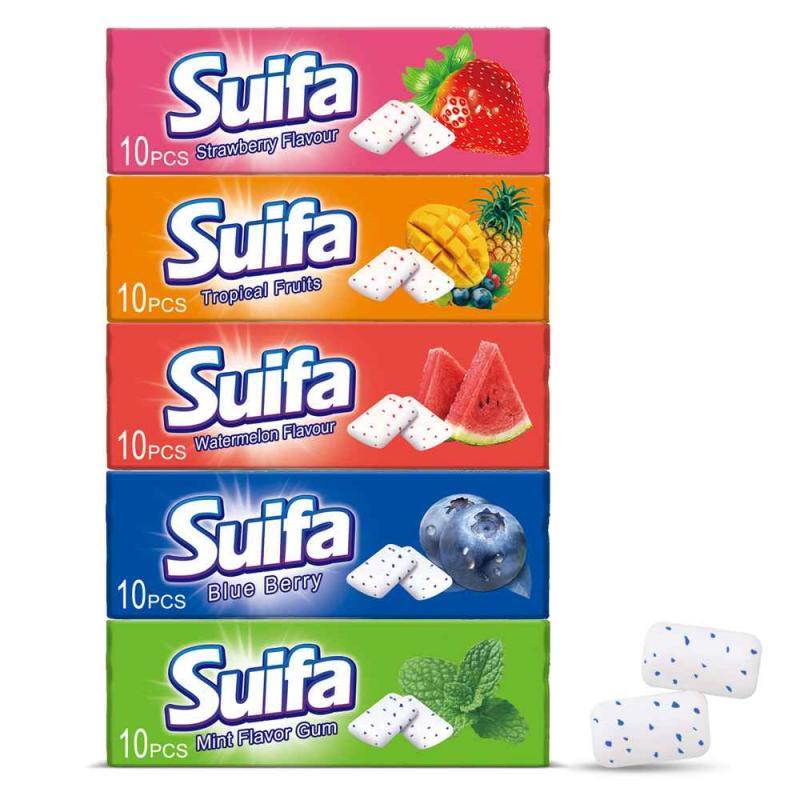
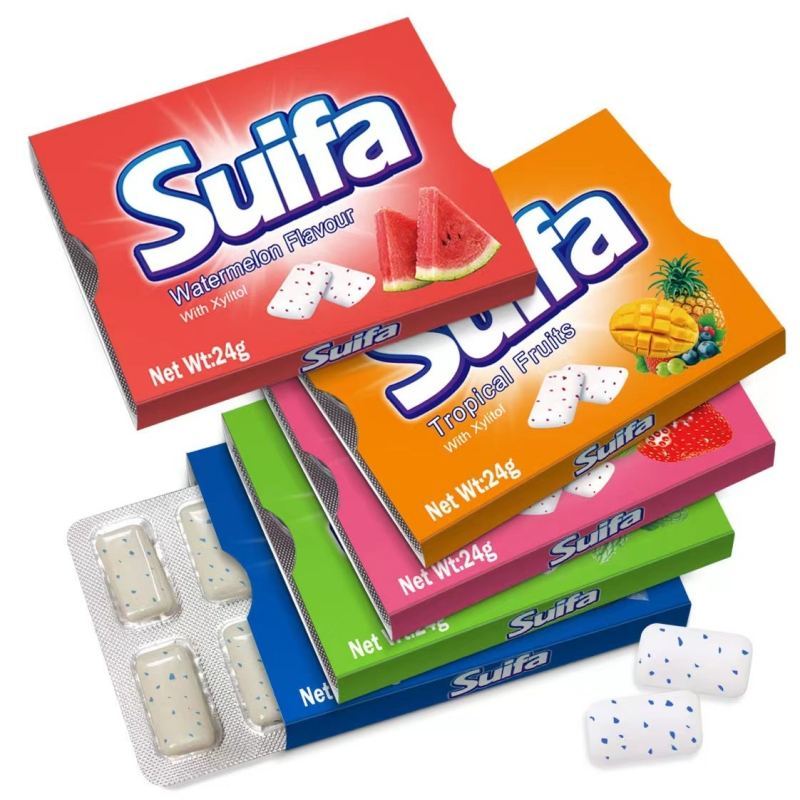
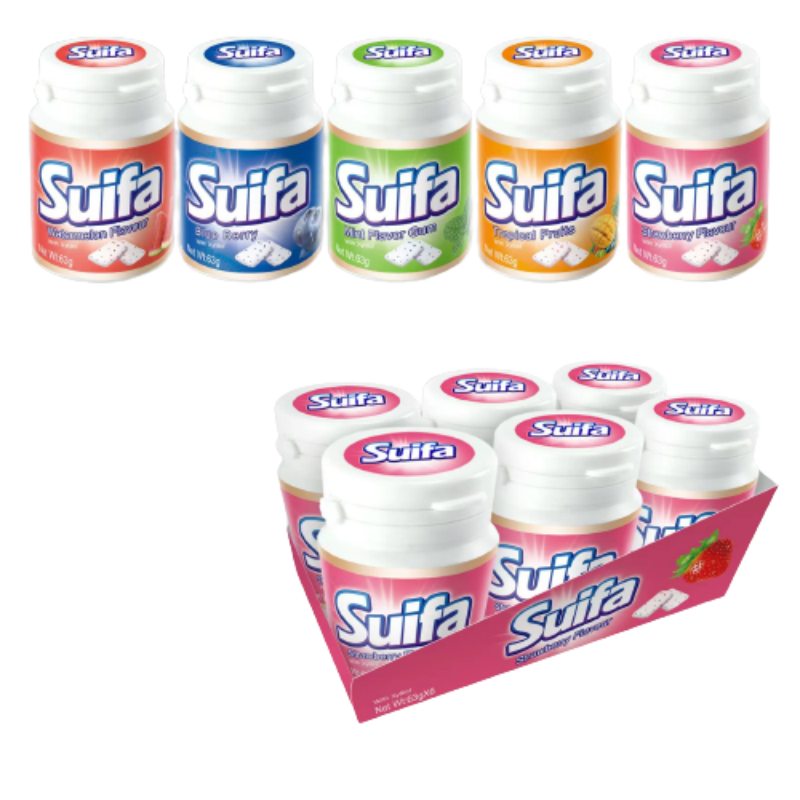
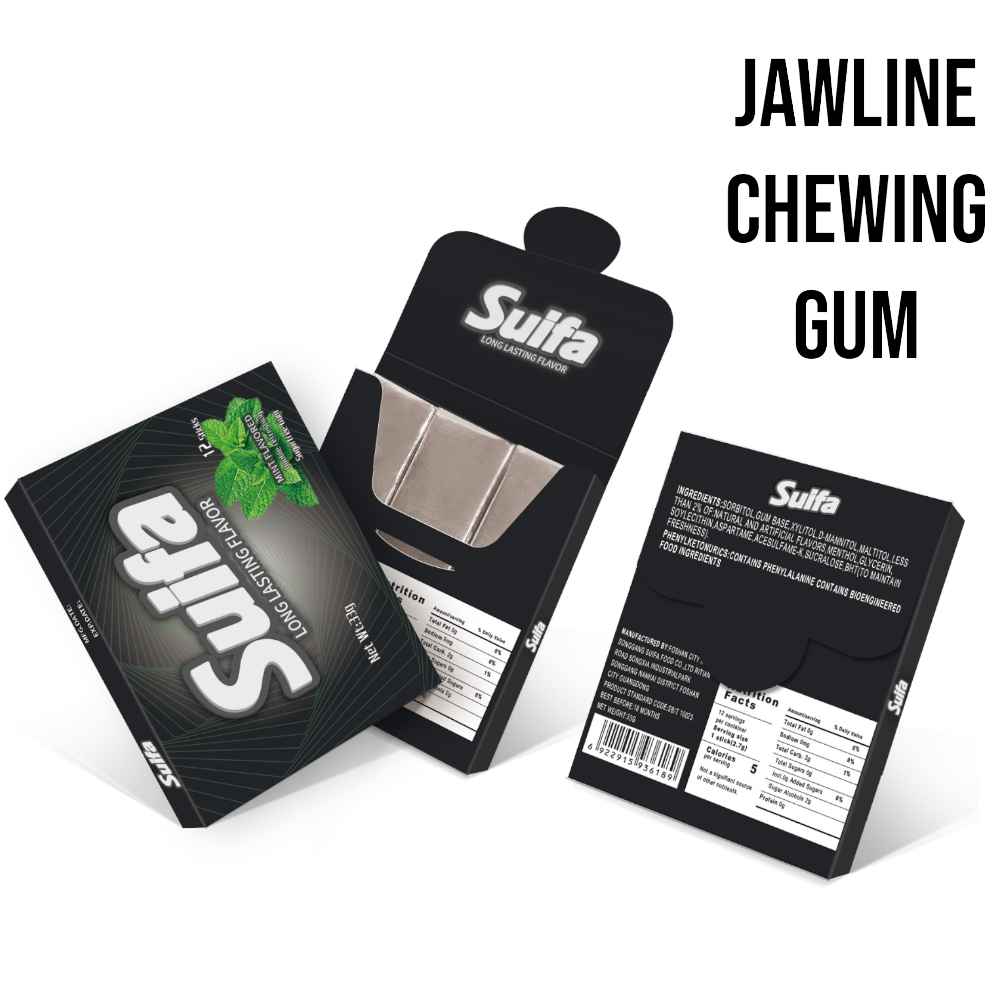
Bulk Healthy Natural Xylitol Sugar Free Tablet Chewing Gum
Detail

Checking Order
Quality Test Before Delivery
Check Items When Packing
Packaging And Transport
Send Inquiry Now!
Choose Suifa, Boost Your Candy and Gum Project!
Discover excellent gum and candy products at our factory. We create custom solutions for our customers. Join us for exclusive insights, customized products and partnerships. Leave your contact info we'll be back in touch within 12 hours!
Choose Suifa, take your bussiness to the next level!



Contact Us
WELCOME TO SUIFAFOOD YOUR TRUSTED MANUFACTURER OF GUM AND CANDY
Address: No.8 Ritian Road Songxia lndustrial AreaSonggang Nanhai, Foshan, Guangdong, China

