
Which Chewing Gum Brands are Kosher?
2025-11-11
Which Chewing Gum Brands are Kosher?
Have you ever stood in the candy aisle, craving a simple piece of gum, only to feel a wave of uncertainty? For those of us who keep Kosher, that seemingly simple choice is complicated by hidden ingredients and confusing labels. It’s frustrating when a relaxing habit becomes a source of stress, forcing you to question every pack. But don't worry, I’m here to unwrap the mystery. I’ll give you the clear, expert guidance you need to choose your next chew with total confidence.
Many popular chewing gum brands, including most products from Wrigley's (like Extra, Orbit, and 5 Gum), Trident, and Dentyne, are widely available with Kosher certification. Natural brands like Glee Gum and Pür Gum are also reliably Kosher. However, the most crucial thing I can tell you is this: brand name alone isn't enough. The only way to be certain is to find a trusted Kosher symbol, like the OU or Kof-K, printed directly on the individual package you are buying.
Now that you have the short answer, let's get into the nitty-gritty. I'm going to break down exactly what you need to look for and which brands you can count on.

What Exactly Makes a Chewing Gum Not Kosher?
As a gum expert, I spend my days deep in the world of formulations and ingredients. It’s fascinating stuff! When we talk about Kosher laws, the devil is truly in the details. A gum's certification comes down to the source of a few key ingredients.
Here’s what I look out for:
⚠ The Gelatin Situation
This is probably the biggest offender. Gelatin is a jelling agent that can give gum a specific texture.
The problem? Most commercial gelatin is derived from the skin, bones, and connective tissues of animals. Often, this means it comes from pork, which is not Kosher. Even if it comes from cattle, it would only be Kosher if the animals were slaughtered according to specific Jewish laws (shechita), which is rarely the case for a mass-produced ingredient like this.
So, if you see gelatin on the ingredients list and there's no Kosher symbol, I'd recommend placing that pack right back on the shelf.
⚠ The Glycerin Game
Glycerin (also called glycerol) is another common ingredient. It’s a humectant, which means it helps keep the gum soft and moist so it doesn't dry out.
Here’s the tricky part: glycerin can be sourced from two very different places.
- Vegetable Oils: This is the good stuff! Glycerin derived from plants like soy or palm is perfectly fine from a Kosher perspective.
- Animal Fat: This is where we run into trouble. Just like with gelatin, glycerin from animal fat is typically not Kosher.
There’s no way for you to know the source just by reading the word "glycerin." This is where certification becomes absolutely essential. The certifying agency does the detective work for us.
⚠ Flavorings, Colorings, and the "Gum Base"
This is where things can get even more complex.
The term "natural flavors" sounds harmless, right? But these flavors can be derived from all sorts of places, some of which might not be Kosher. For instance, some raspberry or strawberry flavorings historically used an ingredient called castoreum, which is derived from beavers. While rare now, it highlights how complex flavorings can be. According to the flavor industry, thousands of compounds are used in flavor creation.
Grape flavoring and coloring are particularly sensitive in Kosher law. Any grape-derived product requires special supervision to be certified.
And then there's the heart of it all: the "gum base." This is the non-digestible, chewy part of the gum. While it’s mostly made of synthetic polymers today, it can also contain softeners and fillers, which sometimes include animal-derived fats. The exact formula is usually a trade secret, making it impossible for a consumer to vet.

How Can You Be 100% Sure Your Gum is Kosher?
After reading that last section, you might be feeling a little overwhelmed. I get it. But I have fantastic news: there's a super simple, foolproof way to know if your gum is Kosher.
Forget about scrutinizing ingredient lists until your eyes cross.
All you have to do is look for one small symbol on the package. This symbol, called a hechsher, is your ultimate guarantee. It means a qualified rabbinic organization has inspected every single ingredient, as well as the entire production process and the factory equipment, to ensure it all meets strict Kosher standards.
It’s your green light to chew without worry! Here are some of the most common symbols you'll see in the United States and beyond:
✅ OU (Orthodox Union): This is one of the most common and widely recognized certifications in the world. You'll see this little U inside a circle on countless products.

✅ Kof-K: This symbol, a K inside a K, represents another major international agency known for its high standards.

✅ Star-K: This K inside a star is another highly respected certification you can trust completely.

✅ cRc (Chicago Rabbinical Council): You'll often find this symbol on national brands.

Seeing one of these on the wrapper is all the confirmation you need.

Which Gum Brands Are Kosher?
Okay, let's get to the fun part—the brands! I’ve scoured the aisles and my industry contacts to give you a solid list of brands that very often carry reliable Kosher certification.
But first, let me give you my most important piece of expert advice:
This list is a guide, not a guarantee! Companies change their formulas and factories all the time, which can affect their Kosher status. A product certified in the USA might not be certified in Canada or Europe. ALWAYS, always, always check for the hechsher on the specific pack you are buying before you pop it in your mouth.
With that said, here are some brands that are generally a great place to start your search:
♦ The Big Players (Usually with OU Certification):
- Wrigley's: This is a giant in the gum world for a reason. Many of their most popular products are reliably Kosher in North America. This includes:
- Extra
- Orbit
- 5 Gum
- Their classic stick gums like Juicy Fruit, Doublemint, and Wrigley's Spearmint.
- Trident: Another powerhouse brand. The majority of their sugar-free lines, like Trident Original, Trident White, and Trident Layers, are consistently certified.
- Dentyne: Look for certification on their bold-flavored gums like Dentyne Ice and Dentyne Fire.
♦ Great Natural and Specialty Options:
- Glee Gum: I'm a big fan of Glee Gum. They use natural ingredients and are certified Kosher Pareve by the International Kosher Council. This is a fantastic option if you're looking for something without artificial sweeteners or preservatives.
- Pür Gum: This brand is all about being "free from." It's aspartame-free, vegan, and non-GMO. Better yet, it's certified Kosher!
- Bazooka Bubble Gum: Yes, that nostalgic classic! The original Bazooka bubble gum and their Sugar-Free tubs are often certified Kosher. It's a fun one to share with the kids. A recent market analysis showed that nostalgia brands are seeing a major comeback.
Brand | Common Certified Lines (examples) | Typical Hechsher | Est. % of SKUs Certified (US) | Region Notes | My Notes |
Wrigley’s Extra | Peppermint, Spearmint, Polar Ice | OU/cRc | 70–85% | US strong; CA similar; EU varies by plant | Check multi-packs. Singles can differ. |
Orbit | Peppermint, Wintermint, Bubblemint | OU | 60–80% | US strong; EU mixed | Some seasonal flavors rotate status. |
5 Gum | Cobalt, Peppermint, Spearmint | OU | 55–75% | US moderate; CA similar | New launches trail certification by months. |
Trident | Original, White, Layers | OU/Kof-K | 65–85% | US strong; CA strong; EU mixed | Layers lines often certified; verify each pack. |
Dentyne | Ice, Fire | OU | 50–70% | US moderate; CA strong | Older stock may lack mark. Check date code. |
Glee Gum | Peppermint, Cinnamon, Bubblegum | IKC/OU | 90–100% | US/CA strong | Natural base. Reliable parity across flavors. |
Pür Gum | Spearmint, Wintergreen, Pomegranate Mint | COR/K | 95–100% | US/CA/EU broad | Vegan positioning aligns with Pareve status. |
Simply Gum | Mint, Cinnamon, Ginger | OU | 80–95% | US/EU good | Minimal ingredients. Easy verification. |
Bazooka | Original, Sugar-Free Tubs | OU | 70–85% | US strong | Nostalgia SKUs often certified. |
Mentos Gum | Pure Fresh, Spearmint | KLBD/OU | 40–60% | EU stronger; US mixed | Plant-specific. Check blister vs jar. |
Again, I have to say it one more time—the symbol on the package is your best friend! Check it every time.
What Conditions Must Manufacturers Meet to Produce Kosher-Certified Gum?
I look for rigorous, documentable controls. Certification demands it.
- Approved ingredient sources only. Every input must be from vetted, Kosher-compliant suppliers. Gelatin avoided or Kosher-specified. Glycerin verified plant-based or Kosher animal source with full traceability.
- Dedicated or validated equipment. Lines must be either dedicated to Kosher runs or undergo rabbinically approved cleaning (CIP) and kosherization with documented procedures.
- Segregation and storage. Physical separation of Kosher and non-Kosher ingredients, color-coded bins, sealed containers, and controlled warehouses to prevent cross-contact.
- Batch-level documentation. Full traceability from receiving to finished goods. Lot codes, supplier COAs, and production logs maintained and auditable.
- Supervised production. Periodic rabbinic inspections (announced and unannounced). Records reviewed. Deviations escalated.
- Change control. No formula, supplier, plant, or process changes without prior approval from the certifying agency.
- Label control. Hechsher applied only to approved SKUs and plants. Artwork locked. No over-sticking without agency sign-off.
- Sensitive inputs oversight. Grape derivatives, emulsifiers, and enzymes require enhanced supervision or specific sources.
- Cleaning chemicals and lubricants. Verified as acceptable for Kosher contact surfaces. No aerosolized cross-contamination risk.
- Pareve/Dairy status clarity. If any dairy-adjacent materials or shared equipment are used, controls must preserve the declared status (Pareve vs D/DE).
Bottom line: ingredients, equipment, and oversight must align. When they do, I trust the mark—and I chew with confidence.
Conclusion
Finding Kosher chewing gum doesn't have to be a guessing game. By ignoring the marketing and focusing on the certification symbol, you can make a confident choice every time. So go ahead, find that hechsher, and get back to the simple pleasure of a fresh, tasty chew!
Suifa news
How is Bubble Gum Made in the Factory?
2023-05-24
How Hard Candy is Made in the Factory?
2024-02-28
Get An Instant Quotation
Recommended Products
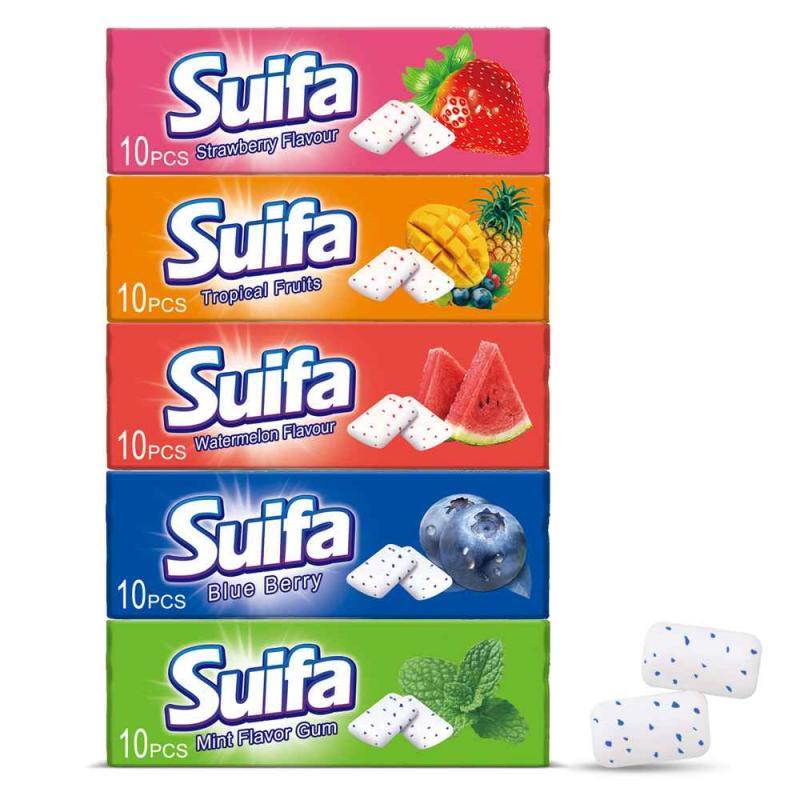
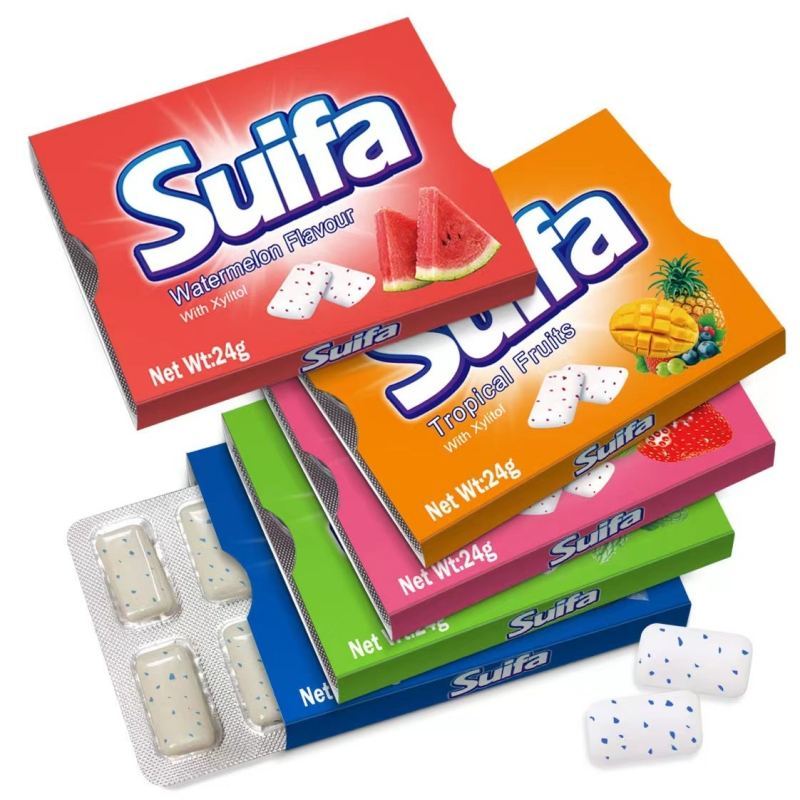
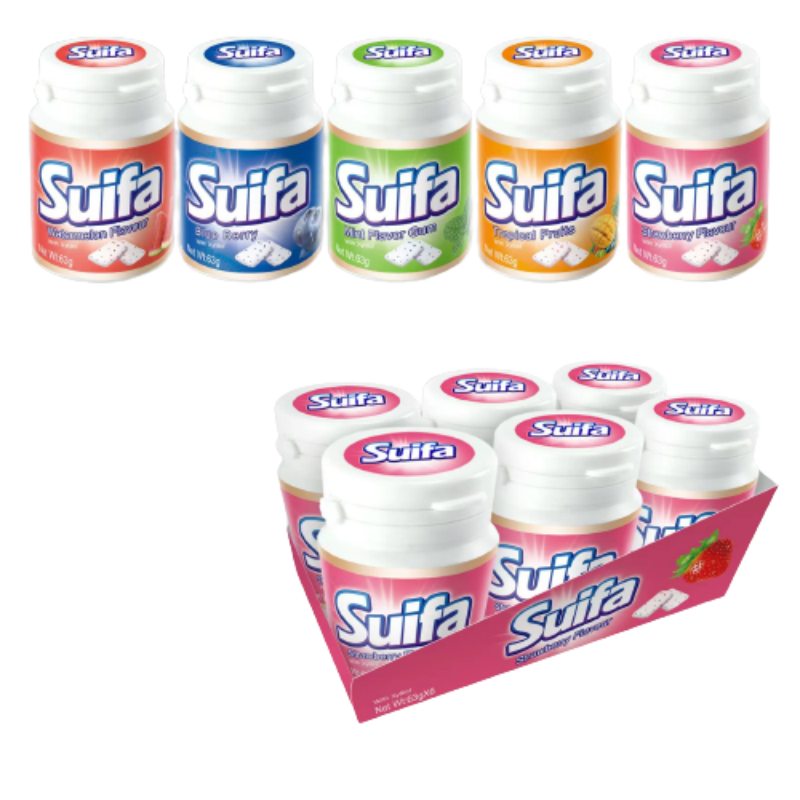
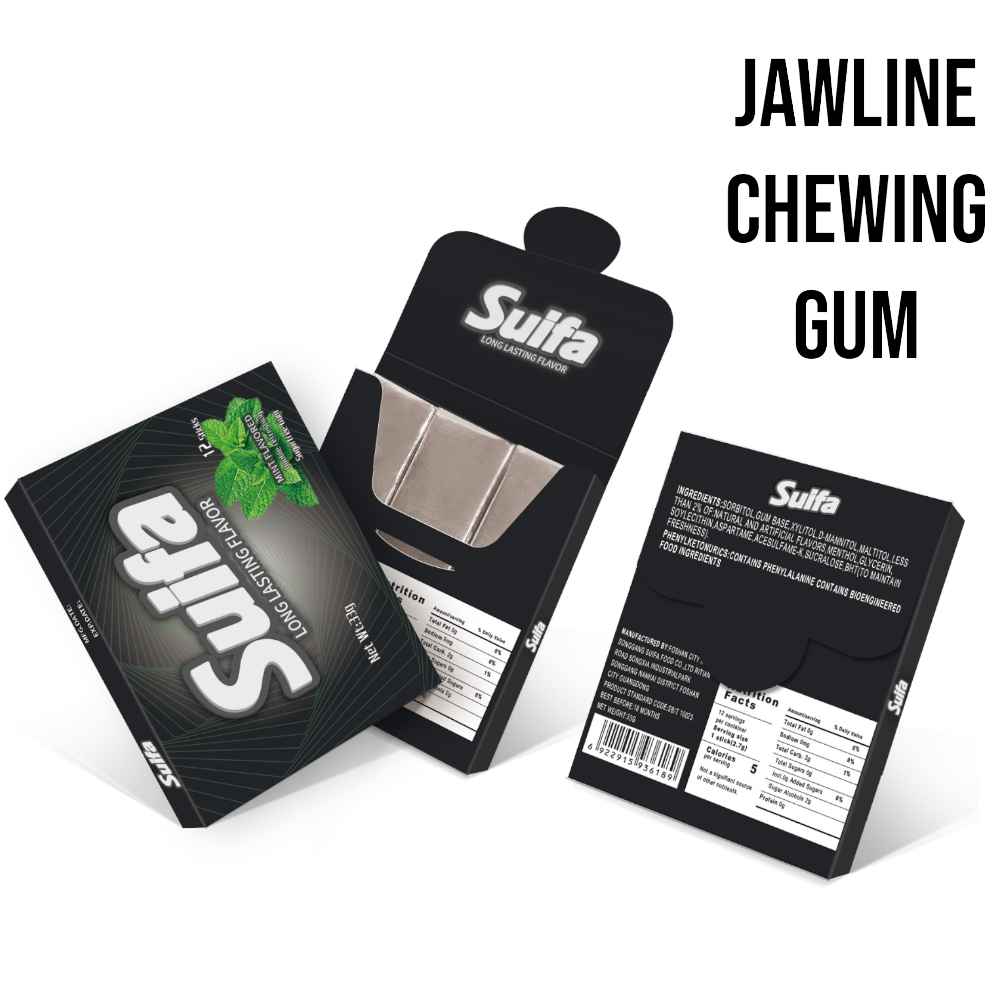
Bulk Healthy Natural Xylitol Sugar Free Tablet Chewing Gum
Detail

Checking Order
Quality Test Before Delivery
Check Items When Packing
Packaging And Transport
Send Inquiry Now!
Choose Suifa, Boost Your Candy and Gum Project!
Discover excellent gum and candy products at our factory. We create custom solutions for our customers. Join us for exclusive insights, customized products and partnerships. Leave your contact info we'll be back in touch within 12 hours!
Choose Suifa, take your bussiness to the next level!



Contact Us
WELCOME TO SUIFAFOOD YOUR TRUSTED MANUFACTURER OF GUM AND CANDY
Address: No.8 Ritian Road Songxia lndustrial AreaSonggang Nanhai, Foshan, Guangdong, China

