
Does Chewing Gum Reduce Cortisol?
2026-07-16
Stress can build before we notice it. A deadline gets closer. A meeting starts badly. A commute feels too long. Then our body reacts. Our jaw tightens. Our breathing gets shallow. Our mind feels crowded. Cortisol, our main stress hormone, may rise as part of this stress response. The problem is that we often want relief quickly, but we do not always have time for a walk, a nap, or a full reset. As Suifa, I look at chewing gum as a simple tool that may help us create a calmer moment.
Yes, chewing gum may reduce cortisol in some situations, especially during short-term stress. Research has found that chewing gum can be linked with lower negative mood and reduced cortisol during acute laboratory stress. But I would not call gum a medical treatment. I see it as a practical support habit. It may help through steady chewing rhythm, jaw movement, sensory freshness, and improved perceived calm. Results can vary from person to person.
I want to be clear and useful here. Chewing gum is not magic. But it may be a small, easy habit that helps us manage everyday pressure better.

Quick Answer: Does Chewing Gum Reduce Cortisol?
──────────────────────────────────────────────────
Table of Contents
• What Does Research Say About Chewing Gum and Cortisol?
• Why Might Chewing Gum Help Us Feel Calmer?
• Sugar-Free Gum vs. Regular Gum
• Best Times to Chew Gum for Stress
• How Long Should We Chew Gum?
• Possible Downsides of Chewing Gum
──────────────────────────────────────────────────
What Is Cortisol?
Cortisol is a hormone that helps our body respond to stress.
It is often called the “stress hormone,” but I do not like making cortisol sound like an enemy. We need cortisol. It supports alertness, energy use, and our natural daily rhythm.
According to the Cleveland Clinic, cortisol affects many body functions, including metabolism, inflammation, blood pressure, and the sleep-wake cycle. You can read more about cortisol from the Cleveland Clinic cortisol guide.
When we face pressure, our body may release more cortisol. That is normal.
The problem comes when stress feels constant.
If we are always tense, tired, rushed, or mentally overloaded, our stress system may feel overworked. The American Psychological Association explains how stress can affect the body in many ways, including muscles, breathing, heart function, digestion, and the nervous system. Their overview is here: APA: Stress effects on the body.
So when people ask me, “Does chewing gum reduce cortisol?”, I hear a deeper question.
They are really asking:
“Can a small daily habit help me feel less stressed?”
My answer is: possibly, yes.

What Does Research Say About Chewing Gum and Cortisol?
The most useful answer is balanced.
Some research suggests chewing gum may help reduce cortisol during acute stress.
One well-known study published in Physiology & Behavior found that chewing gum was associated with reduced negative mood and lower cortisol during laboratory psychological stress. You can view the study record here: PubMed: Chewing gum alleviates negative mood and reduces cortisol.
That is important.
But I also want to be careful.
Not every person responds the same way. Cortisol changes throughout the day. Sleep, caffeine, food, exercise, illness, and emotional state can all affect cortisol. So we should not make an exaggerated claim like:
“Chewing gum always lowers cortisol.”
That is too absolute.
A better statement is:
Chewing gum may support a lower stress response in some short-term stressful situations.
That is honest. That is useful. And that is how I would write it as a gum expert.
──────────────────────────────────────────────────
Evidence Snapshot: Chewing Gum, Stress, and Oral Health

Why Might Chewing Gum Help Us Feel Calmer?
I see chewing gum as a sensory rhythm tool.
That sounds simple, but simple habits can be powerful.
1. Chewing creates rhythm
A steady chewing rhythm may help us feel more grounded.
When our mind races, a repeated action can give us something stable to focus on. Chewing is small. It is familiar. It gives the body a pattern.
I often compare it to walking at a steady pace.
The rhythm does not solve the whole problem. But it may help us feel less scattered.
2. Chewing may release jaw tension
Many of us hold stress in the jaw.
We clench. We tighten. We press our teeth together.
Chewing gum can turn jaw tension into controlled movement. For some people, that feels relieving.
But the key word is controlled.
Chew gently. Do not attack the gum. Stress chewing should not become jaw punishment.
3. Flavor gives a sensory reset
Mint can feel clean and sharp.
Fruit can feel bright and light.
A fresh flavor gives us a quick sensory change. That change may help interrupt a stressful moment.
Flavor does not “treat” cortisol. But it can change how a moment feels.
And when we feel more in control, our stress may feel easier to manage.
4. Gum gives the mouth something to do
Some people snack when stressed.
Others bite nails or chew pens.
Gum gives the mouth a simple alternative.
A piece of sugar-free gum can create a pause before we react. That pause matters. It gives us time to ask:
• Am I hungry?
• Am I tired?
• Am I tense?
• Do I need water?
• Do I need a short break?
That is one reason I like gum as a stress-support habit.

Sugar-Free Gum vs. Regular Gum
For stress chewing, I usually prefer sugar-free gum.
Why?
Because if we chew often, we should think about our teeth too.
The American Dental Association notes that chewing sugar-free gum can increase saliva flow. Saliva helps wash away food particles and neutralize acids in the mouth.
That makes sugar-free gum a better daily choice for many people.
Regular gum is not automatically wrong. Some people enjoy the taste. Some classic flavors contain sugar.
But if we are chewing during work, study, commuting, or after meals, sugar-free gum is usually the smarter option.
──────────────────────────────────────────────────
Gum Choice Guide for Stress Chewing

Best Times to Chew Gum for Stress
Timing matters.
I do not think we should wait until stress feels huge. Gum works best as an early support habit.
Before a meeting
A piece of gum before a meeting can help us reset.
Chew for a few minutes. Breathe slowly. Relax your shoulders.
Then remove the gum before speaking if needed.
During study sessions
Study stress is real.
Chewing gum may help create a steady rhythm while reading, reviewing, or solving problems.
I like gum during focus-heavy work because it gives the body a quiet task.
While commuting
Traffic and crowded transport can make us feel trapped.
Gum gives us a small personal routine.
We may not control the road or the train, but we can control our breathing and our chew.
After meals
This is one of my favorite times.
Sugar-free gum after meals can support freshness and saliva flow.
It also creates a clean transition back to work.
During repetitive tasks
Some tasks are boring but necessary.
Chewing gum may help us stay alert without making the task feel heavier.

How Long Should We Chew Gum?
There is no perfect chewing time for everyone.
But as Suifa, my practical recommendation is:
Start with 10 to 20 minutes.
That is enough time to create rhythm. It is also short enough to avoid overworking the jaw.
If you chew for stress, I suggest this simple method:
• Choose sugar-free gum.
• Chew gently.
• Breathe through your nose if comfortable.
• Relax your shoulders.
• Stop if your jaw feels tired.
The goal is not endless chewing.
The goal is a calmer moment.
──────────────────────────────────────────────────
Possible Downsides of Chewing Gum
Chewing gum is simple, but it is not perfect.
Here are the main things I watch for.
Jaw discomfort
If we chew too long or too hard, the jaw can get tired.
Gum should not cause pain. If it does, stop chewing.
Too much sugar
If we choose sugary gum often, it may not be ideal for teeth.
That is why I prefer sugar-free gum for daily use.
Digestive discomfort
Some people swallow air while chewing.
Some people are sensitive to certain sweeteners.
If gum makes you feel bloated or uncomfortable, reduce use or choose a different product.
Overdependence
I like gum as a tool.
But I do not want anyone to feel they cannot handle stress without it.
Chewing gum should support calm, not replace healthy stress habits.

Is Chewing Gum a Replacement for Stress Management?
No.
Chewing gum is not a replacement for sleep, movement, therapy, medical care, or real rest.
It is a small habit.
A useful habit.
A portable habit.
But still a small one.
I like to pair gum with other simple calming actions:
• Drink water.
• Take slow breaths.
• Stretch the neck.
• Relax the jaw.
• Step away from the screen.
• Walk for a few minutes.
• Sleep enough when possible.
When gum is part of a broader routine, it makes more sense.
That is where I believe it fits best.
──────────────────────────────────────────────────
More Related Questions
Does Chewing Gum Help with Anxiety?
Chewing gum may help some people feel calmer during mild nervousness. The repeated motion can feel grounding. But gum is not an anxiety treatment. If anxiety is frequent, intense, or disruptive, professional support is important.
Does Chewing Gum Improve Focus?
It may help some people stay alert during tasks. The rhythm, flavor, and mouth movement can create a sense of engagement. But focus benefits vary.
Is Mint Gum Better for Stress?
Mint gum often feels fresh and clean. That can help during pressure. But the best flavor is personal. Choose the flavor that makes you feel steady and comfortable.
Can I Chew Gum Every Day?
Yes, many people chew gum daily. I recommend moderate use and sugar-free gum, especially if you chew often.
Should I Chew Gum Before a Stressful Event?
Yes, that can be useful. Chewing gum before a meeting, test, presentation, or commute may help you settle into a calmer rhythm.
──────────────────────────────────────────────────
Conclusion
Chewing gum may reduce cortisol during short-term stress for some people. I see it as a simple, practical calm-support habit. Choose sugar-free gum, chew gently, and use it at the right moments. It is not a cure, but it can help us create a steadier day.
Suifa news
How is Bubble Gum Made in the Factory?
2023-05-24
How Hard Candy is Made in the Factory?
2024-02-28
Get An Instant Quotation
Recommended Products
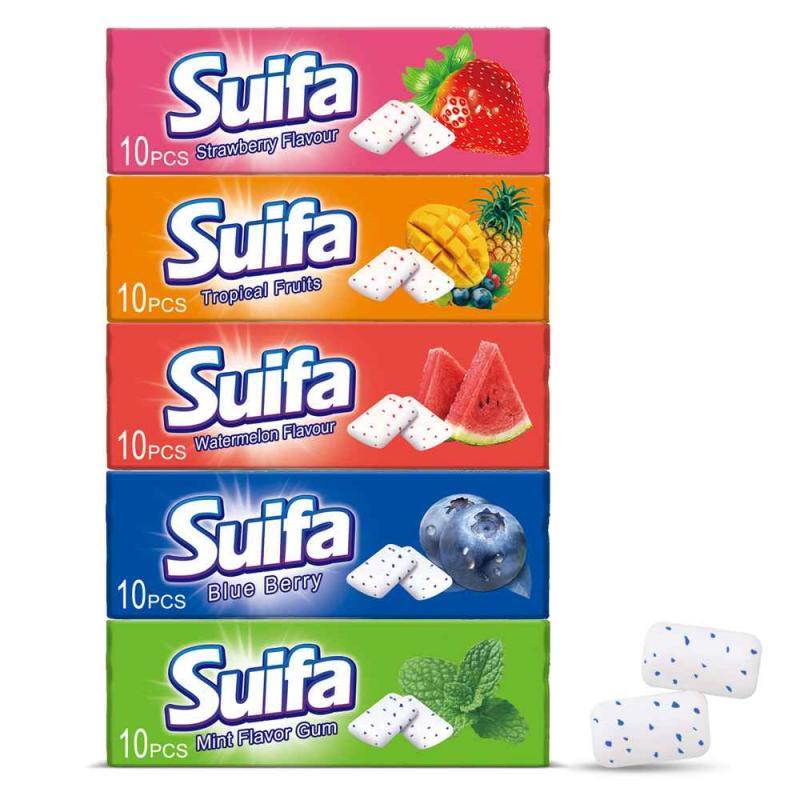
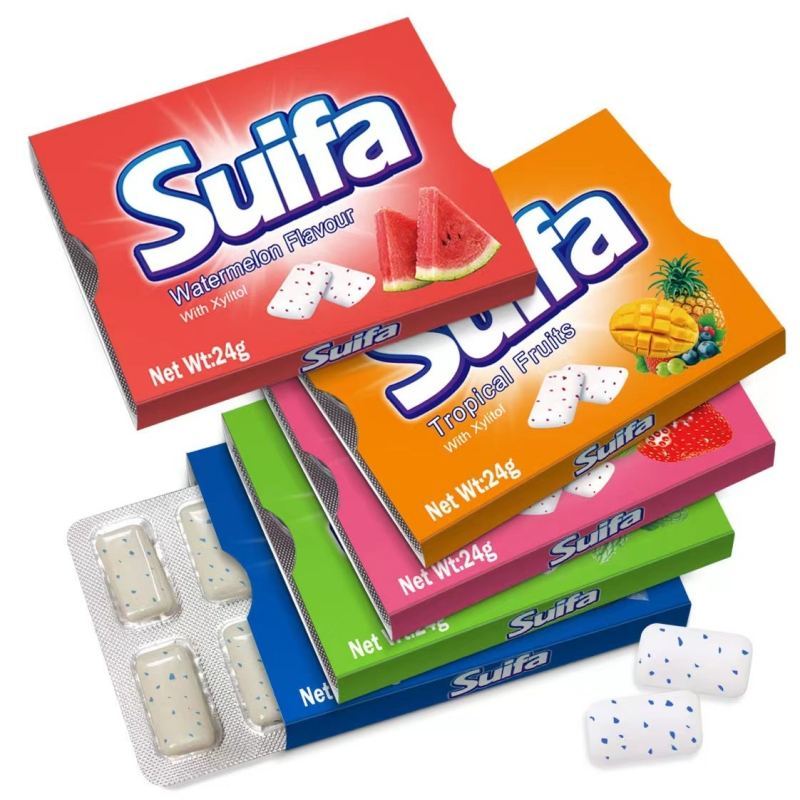
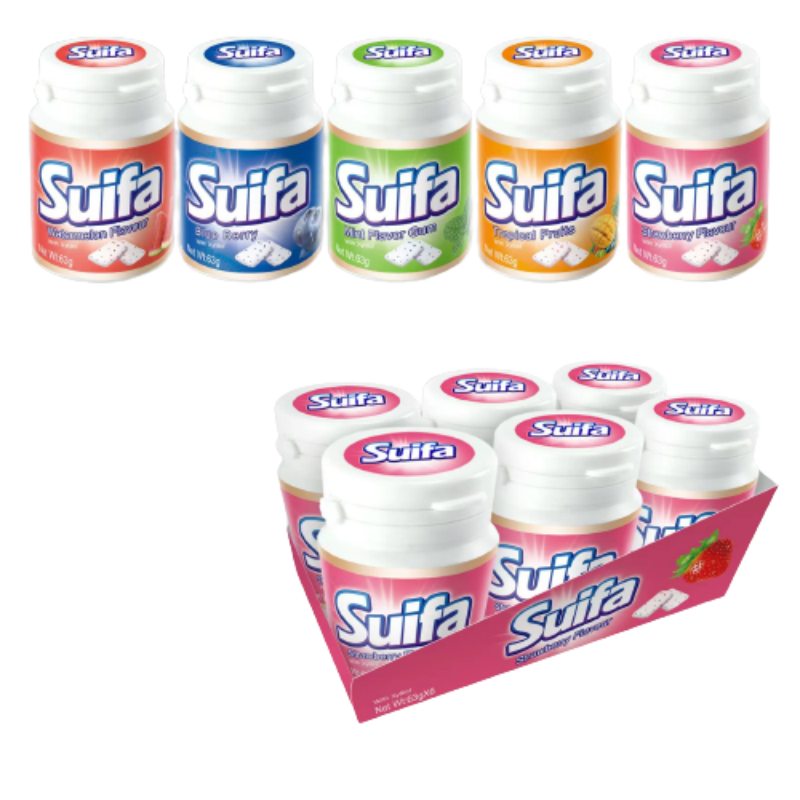
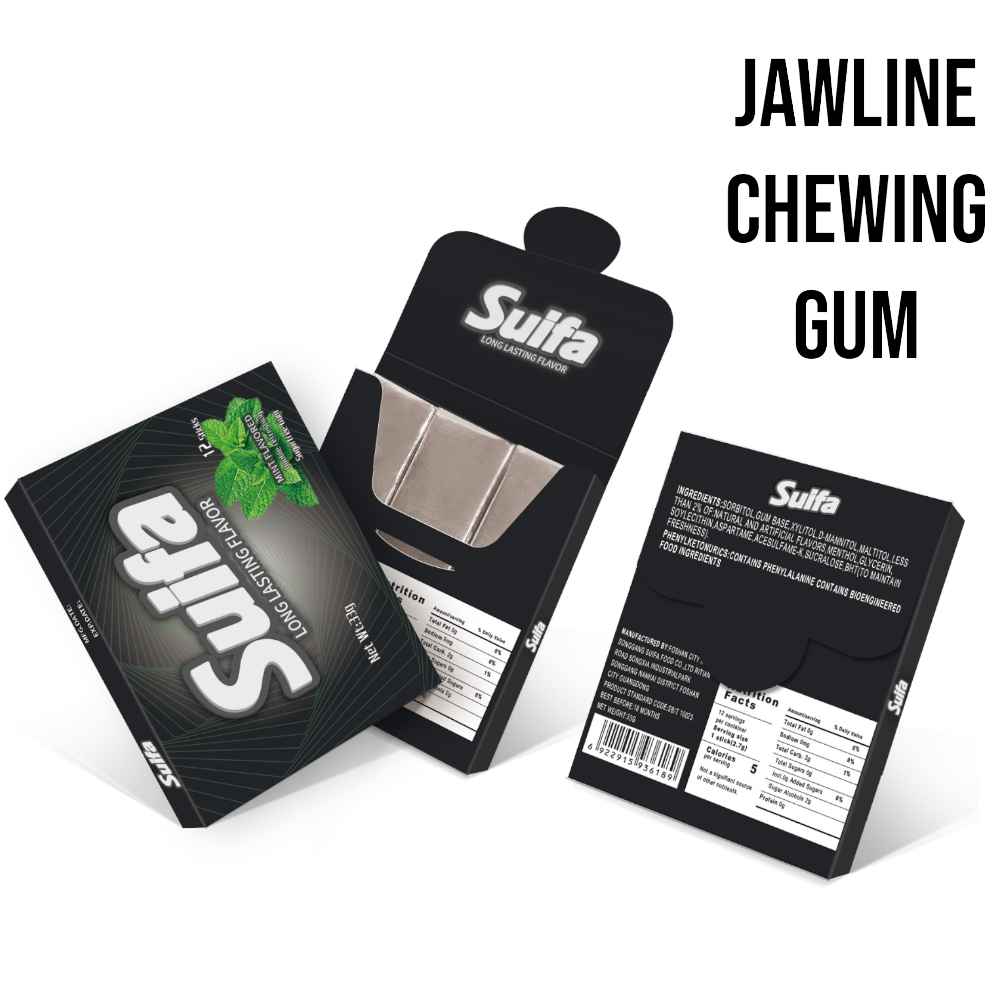
Bulk Healthy Natural Xylitol Sugar Free Tablet Chewing Gum
Detail

Checking Order
Quality Test Before Delivery
Check Items When Packing
Packaging And Transport
Send Inquiry Now!
Choose Suifa, Boost Your Candy and Gum Project!
Discover excellent gum and candy products at our factory. We create custom solutions for our customers. Join us for exclusive insights, customized products and partnerships. Leave your contact info we'll be back in touch within 12 hours!
Choose Suifa, take your bussiness to the next level!



Contact Us
WELCOME TO SUIFAFOOD YOUR TRUSTED MANUFACTURER OF GUM AND CANDY
Address: No.8 Ritian Road Songxia lndustrial AreaSonggang Nanhai, Foshan, Guangdong, China

