
Does Chewing Gum Help Smokers?
2026-11-02

Smoking cravings can feel sharp, sudden, and hard to control. I know many smokers do not only miss nicotine. They miss the routine. They miss holding something. They miss the mouth movement. That is the real problem. When the cigarette is gone, the habit still asks for attention. If nothing replaces it, the craving can grow louder. This is where chewing gum becomes useful, simple, and surprisingly practical.
Yes, chewing gum can help smokers, especially when it is used to manage oral cravings and smoking routines. Regular sugar-free gum may help distract the mouth and reduce the urge to smoke. Nicotine gum can also reduce withdrawal symptoms because it delivers controlled nicotine without tobacco smoke. But gum works best as a support tool, not as a complete quitting solution.
I’m Suifa, and as a chewing gum expert, I look at gum from both a habit and behavior angle. In my view, gum is not magic. But it can be a smart bridge between smoking and quitting.
Key Takeaways: Does Gum Help Smokers?
• Chewing gum can help reduce the oral habit linked to smoking.
• Nicotine gum can help manage nicotine withdrawal.
• Sugar-free gum can freshen breath and support saliva flow.
• Gum is most effective when combined with a quit plan.
• Nicotine gum should be used according to product instructions or medical advice.
For more trusted smoking-cessation guidance, I recommend resources from the CDC: CDC Quit Smoking Medications

Why Do Smokers Want Chewing Gum?
Many smokers think quitting is only about nicotine.
In my experience, it is also about rhythm.
The hand moves.
The cigarette touches the lips.
The mouth expects action.
The break feels familiar.
When that pattern disappears, the body notices. The mouth feels empty. The mind wants a replacement.
That is why chewing gum can work as an oral substitute. It gives the mouth something to do. It creates movement. It buys time.
And sometimes, buying time is enough to let a craving pass.
According to Smokefree.gov, cravings often come in waves and can pass if we use coping strategies. Gum can be one of those strategies. Smokefree.gov: Using Nicotine Replacement Therapy
How Does Chewing Gum Help Smokers?
Chewing gum helps in two main ways.
First, it gives oral stimulation.
Second, it creates craving distraction.
When a smoker chews gum, the mouth becomes busy. The jaw moves. The flavor gives the brain a new signal. The smoker has something to focus on besides the cigarette.
This does not erase addiction.
But it can reduce the intensity of the moment.
I often explain it like this:
A cigarette craving is a wave. Gum can be the board that helps you ride it instead of drowning in it.
Chewing Gum Benefits for Smokers
| Benefit | How It Helps Smokers | Best Gum Type |
Oral replacement | Keeps the mouth busy when cigarette cravings appear | Sugar-free gum or nicotine gum |
Craving delay | Helps smokers wait out the urge instead of smoking immediately | Strong mint gum or nicotine gum |
Fresh breath | Helps reduce smoke-related bad breath temporarily | Sugar-free mint gum |
Saliva stimulation | Helps with dry mouth and oral freshness | Sugar-free gum |
Nicotine withdrawal support | Provides controlled nicotine without cigarette smoke | Nicotine gum |

Nicotine Gum vs. Regular Gum: Which One Helps More?
This is one of the most common questions I hear.
The answer depends on the smoker.
Nicotine gum is designed for people who want nicotine replacement.
Regular gum is mainly useful for habit replacement and mouth distraction.
They are not the same product.
Nicotine gum contains nicotine. It helps reduce withdrawal symptoms. Regular gum does not contain nicotine. It helps with the behavioral side of smoking.
Both can be useful.
But they serve different jobs.
Comparison Table: Nicotine Gum vs. Regular Gum
| Feature | Nicotine Gum | Regular Sugar-Free Gum |
| Contains nicotine | Yes | No |
| Helps with nicotine withdrawal | Yes | No |
| Helps with oral habit | Yes | Yes |
| Requires careful use | Yes | Usually less strict |
| Best for | Smokers trying to quit or cut down | Smokers needing mouth distraction |
| Common concern | Overuse or side effects | Jaw tiredness or bloating |
| Recommended support | Pharmacist, doctor, quit-smoking plan | Personal habit strategy |
Cochrane research has found that nicotine replacement therapy can increase the chances of quitting smoking compared with no nicotine replacement therapy. Cochrane: Can nicotine replacement therapy help people quit smoking?

Does Regular Chewing Gum Help Smokers Quit?
Regular gum may help.
But I want to be honest.
Regular chewing gum does not treat nicotine dependence.
It does not replace nicotine.
It does not remove withdrawal symptoms.
But it can help with the habit loop.
For many smokers, the hardest moments come after meals, during work breaks, while driving, or during stress. These are routine-based cravings.
In those moments, regular gum can be useful because it replaces the cigarette action.
I like sugar-free mint gum for this purpose.
Mint feels clean.
The flavor is strong.
It creates a clear difference from smoke.
That contrast can help the smoker feel like they are stepping into a fresher routine.

Does Nicotine Gum Help Smokers Quit?
Yes, nicotine gum can help many smokers quit.
But it must be used properly.
Nicotine gum is a type of nicotine replacement therapy, also called NRT. It gives the body nicotine without the tar and toxic smoke from cigarettes.
That matters.
The smoker gets controlled nicotine.
The lungs avoid smoke.
The body can slowly adjust.
The NHS lists nicotine gum as one of the stop-smoking treatments that may help reduce cravings and withdrawal symptoms.
Still, nicotine gum is not ordinary candy.
I always recommend reading the label carefully.
If someone has a medical condition, is pregnant, or takes medication, they should speak with a healthcare professional first.
When Should Smokers Chew Gum?
Timing matters.
The best time to chew gum is before the craving takes over.
I suggest identifying smoking triggers first.
Then place gum directly in those moments.
Here is a simple guide.
| Smoking Trigger | Gum Strategy | My Expert Tip |
| After meals | Chew sugar-free mint gum | Replace the “after-meal cigarette” with a clean-mouth habit |
| During work stress | Use strong-flavor gum | Let the flavor interrupt the stress pattern |
| While driving | Keep gum in the car | Make gum easier to reach than cigarettes |
| With coffee | Choose cinnamon or mint gum | Create a new pairing instead of coffee plus smoking |
| Social smoking | Carry gum before going out | Prepare before the craving appears |
| Morning craving | Use gum after brushing teeth | Protect the fresh-mouth feeling |
The goal is not just to chew gum.
The goal is to use gum at the exact moment smoking usually happens.
That is how we reshape habit.

How Should Smokers Use Gum Effectively?
Here is my practical method.
1. Choose the right gum
If the smoker needs nicotine support, nicotine gum may be better.
If the smoker mostly needs oral distraction, sugar-free gum may be enough.
2. Keep gum visible
Do not hide it in a drawer.
Put it where cravings happen.
Car.
Desk.
Bag.
Jacket.
Kitchen.
3. Use strong flavors
I prefer mint, peppermint, spearmint, or cinnamon.
Strong flavors feel more active.
They wake up the mouth.
They make smoking taste less appealing afterward.
4. Pair gum with breathing
Chew slowly.
Breathe deeply.
Wait five minutes.
Many cravings lose strength when we delay action.
5. Track progress
I like simple tracking.
Write down:
• When the craving happened
• Whether gum helped
• How long the craving lasted
• Whether a cigarette was avoided
This makes progress visible.
And visible progress builds confidence.
Can Chewing Gum Reduce Cigarette Cravings?
Yes, it can reduce cravings for some smokers.
But we need to separate two types of cravings.
There is nicotine craving.
There is also behavior craving.
Nicotine gum can help with both.
Regular gum mainly helps with behavior craving.
When someone says, “I just need something in my mouth,” regular gum may help.
When someone says, “I feel irritated, restless, and physically uncomfortable,” nicotine withdrawal may be involved.
In that case, nicotine gum or another stop-smoking medicine may be more useful.
The CDC explains that quit-smoking medicines can help reduce cravings and withdrawal symptoms.

Is Chewing Gum Better Than Smoking?
Yes.
Chewing gum is far less harmful than smoking cigarettes.
Smoking exposes the body to toxic chemicals from burning tobacco.
Gum does not create smoke.
Gum does not create tar.
Gum does not fill the lungs with tobacco combustion products.
That said, nicotine gum still contains nicotine.
So I do not treat it like regular candy.
But compared with smoking, nicotine replacement therapy removes the smoke exposure. That is one of its key advantages.
What Are the Downsides of Chewing Gum for Smokers?
Chewing gum is helpful.
But it is not perfect.
• Jaw soreness
• Bloating from swallowed air
• Stomach discomfort
• Hiccups from nicotine gum
• Throat irritation from nicotine gum
• Using gum without addressing smoking triggers
With nicotine gum, incorrect use can make side effects more likely.
This is different from regular chewing.
Smokers should follow the product instructions.

Can Chewing Gum Help With Bad Breath From Smoking?
Yes, temporarily.
Sugar-free mint gum can help freshen breath after smoking.
It can also increase saliva flow.
This helps the mouth feel cleaner.
But I need to be clear.
Gum does not remove all effects of smoking on the mouth.
It does not reverse staining by itself.
It does not replace brushing, flossing, dental cleanings, or quitting smoking.
Still, as a daily freshness tool, gum is useful.
I often recommend sugar-free gum after meals, especially when brushing is not possible.
What Type of Gum Is Best for Smokers?
In my expert opinion, the best gum depends on the goal.
Best for quitting support
Nicotine gum, used according to directions.
Best for fresh breath
Sugar-free mint gum.
Best for strong distraction
Cinnamon gum or intense peppermint gum.
Best for daily oral habit replacement
Long-lasting sugar-free gum.
Best for after meals
Xylitol-containing sugar-free gum, if tolerated.
I usually suggest avoiding sugary gum for frequent use.
Smokers already face oral health risks.
Frequent sugar exposure is not helpful.

Simple Gum Plan for Smokers
Here is a simple plan I would use.
Week 1: Identify triggers
Notice when you smoke.
Do not judge it.
Just write it down.
Week 2: Replace one cigarette
Choose one predictable cigarette.
Maybe the after-lunch cigarette.
Use gum instead.
Week 3: Add more gum moments
Replace another smoking moment.
Keep gum ready.
Use flavor as a cue.
Week 4: Combine support
If cravings are strong, consider professional help, nicotine replacement, or a quitline.
In the U.S., smokers can visit: Smokefree.gov
More Related Questions
Can Gum Stop Smoking Completely?
Gum alone may not stop smoking completely.
But gum can support quitting by reducing oral cravings and helping delay cigarettes.
For stronger nicotine dependence, nicotine gum or other approved treatments may be needed.
How Long Should I Chew Gum When I Want to Smoke?
For regular gum, chew until the craving fades.
For nicotine gum, follow the product directions.
Do not treat nicotine gum like normal chewing gum.
Is Nicotine Gum Safe?
Nicotine gum is widely used, but it must be used correctly.
People with health conditions should ask a doctor or pharmacist first.
Can I Use Regular Gum with Nicotine Patches?
Some people use short-acting nicotine replacement, like nicotine gum, with patches under professional guidance.
Ask a healthcare provider before combining nicotine products.
What Flavor Is Best for Smokers?
I like strong mint best.
It feels clean.
It also makes the mouth feel different from smoking.
That difference helps build a new habit.
Conclusion
Chewing gum can help smokers by replacing the oral habit, delaying cravings, and supporting fresher routines. Nicotine gum may also reduce withdrawal. I see gum as a practical tool, not a cure. Use it wisely, pair it with a quit plan, and let each piece help you move forward.
Suifa news
How is Bubble Gum Made in the Factory?
2023-05-24
How Hard Candy is Made in the Factory?
2024-02-28
Get An Instant Quotation
Recommended Products
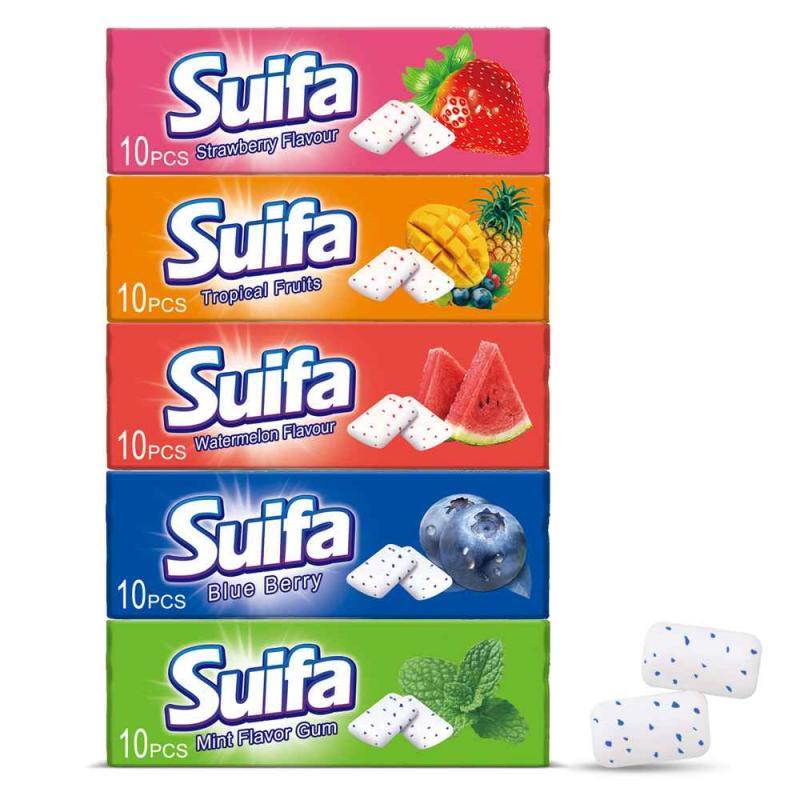
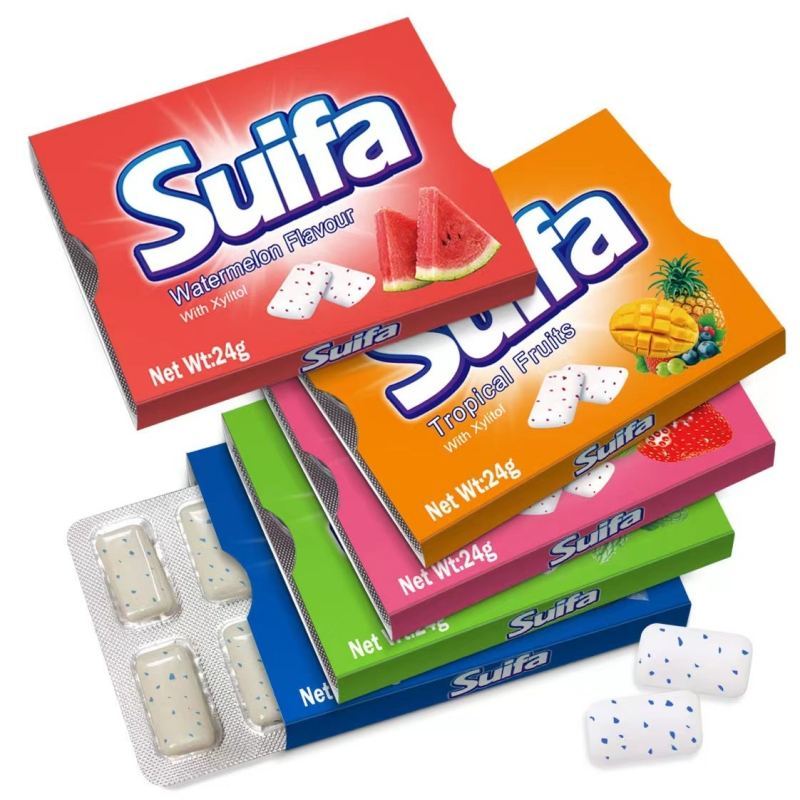
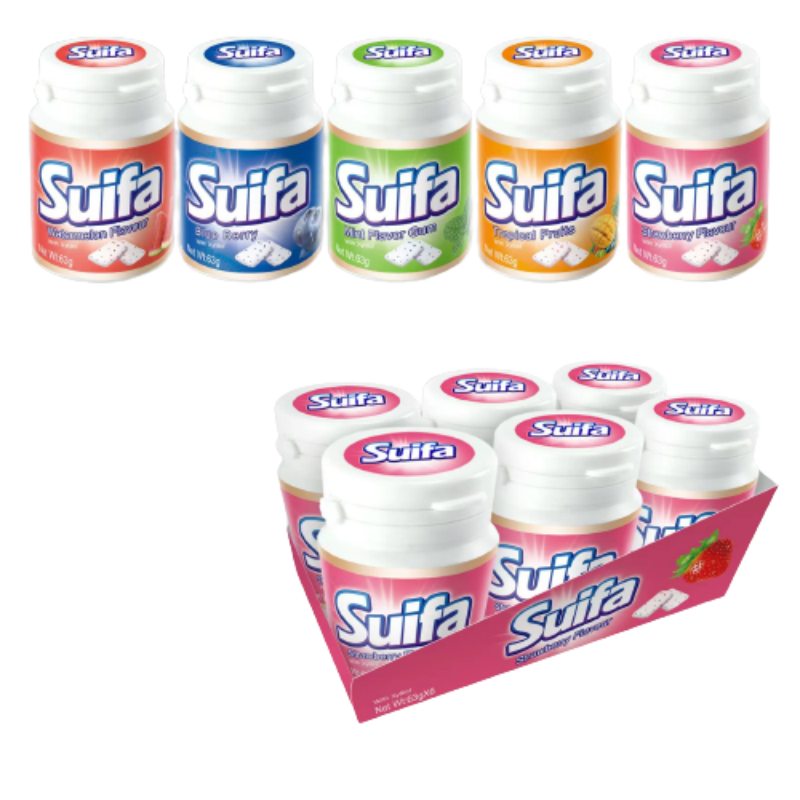
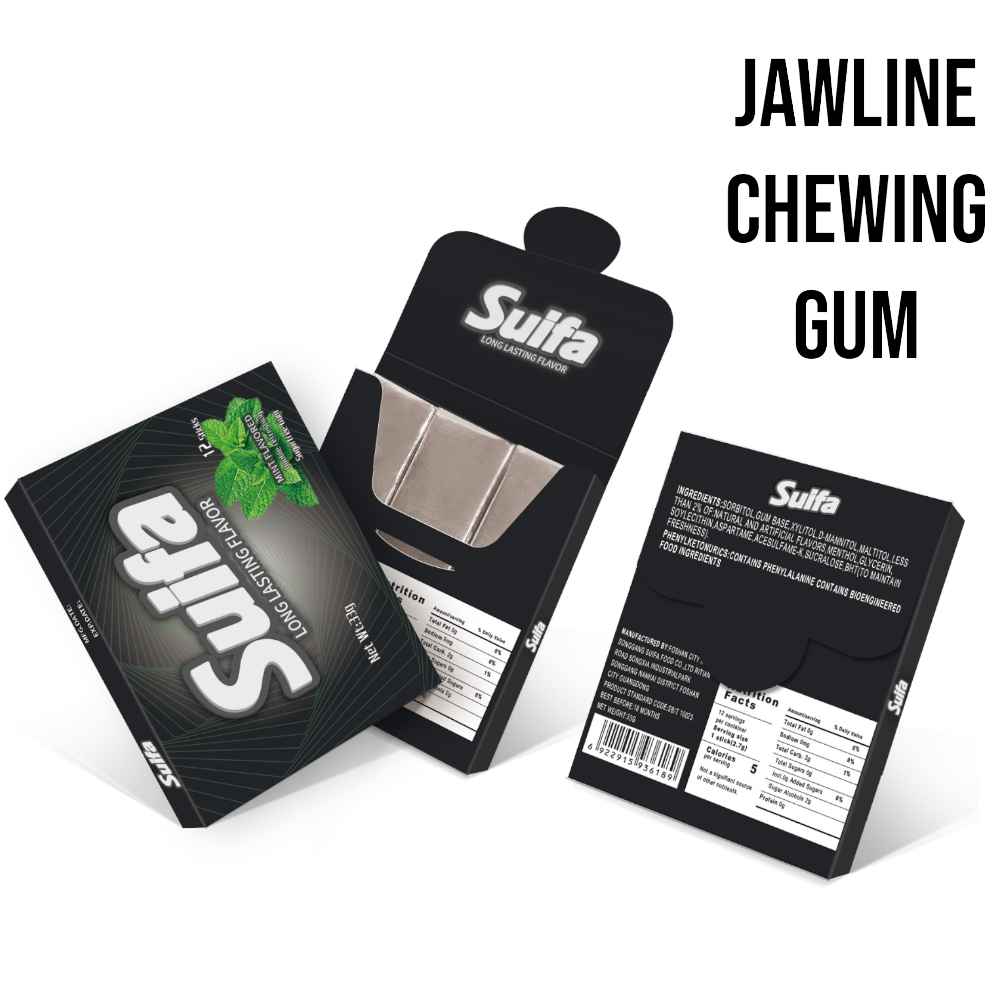
Bulk Healthy Natural Xylitol Sugar Free Tablet Chewing Gum
Detail

Checking Order
Quality Test Before Delivery
Check Items When Packing
Packaging And Transport
Send Inquiry Now!
Choose Suifa, Boost Your Candy and Gum Project!
Discover excellent gum and candy products at our factory. We create custom solutions for our customers. Join us for exclusive insights, customized products and partnerships. Leave your contact info we'll be back in touch within 12 hours!
Choose Suifa, take your bussiness to the next level!



Contact Us
WELCOME TO SUIFAFOOD YOUR TRUSTED MANUFACTURER OF GUM AND CANDY
Address: No.8 Ritian Road Songxia lndustrial AreaSonggang Nanhai, Foshan, Guangdong, China

