
Does Chewing Gum Suppress Appetite?
2026-05-13
Does Chewing Gum Suppress Appetite?
You feel hungry soon after eating.
You want a snack.
But you are not sure if your body needs food, or if your mouth just wants flavor.
That is the problem I see often.
Cravings can feel like hunger.
Boredom can feel like hunger.
Stress can feel like hunger.
So I always ask one direct question first.
Are we dealing with true hunger, or are we dealing with a mouth craving?
Yes, chewing gum may suppress appetite slightly for some people, especially in the short term. I do not call it a diet solution. I call it a small appetite-control tool. Chewing gum can keep the mouth busy, create a pause before snacking, and reduce some sweet cravings. The best option is usually sugar-free gum. Research is mixed, but some studies suggest chewing gum may reduce snack desire or short-term intake in certain situations.
This is Suifa. A chewing gum expert.
So I look at this honestly.
Chewing gum is not magic.
But it can be useful.

Key Takeaways
- Chewing gum may help reduce short-term cravings.
- It works better for mouth cravings than real hunger.
- Sugar-free mint gum is often the best choice for appetite control.
- Research results are mixed, so the effect is not guaranteed.
- Gum should not replace meals or balanced nutrition.
- Too much gum may cause bloating, gas, or jaw discomfort.
Quick Answer: Does Chewing Gum Suppress Appetite?
Chewing gum may mildly suppress appetite in the short term.
It may help when you want a snack out of habit, boredom, or taste craving.
But it does not truly feed the body.
It does not give enough calories, protein, fiber, or nutrients to replace food.
So my expert answer is simple.
Use chewing gum to manage cravings.
Do not use chewing gum to ignore real hunger.

Chewing Gum and Appetite: What the Evidence Says
Research on gum and appetite is not one-sided.
Some findings are positive.
Some are mixed.
That is normal in nutrition behavior studies.
Here is a simple evidence table.
One useful study published in Appetite looked at chewing gum and short-term appetite effects.
You can read the PubMed record here: Short-term effects of chewing gum on snack intake and appetite.
Another study looked at gum chewing, food reinforcement, and energy intake.
You can see it here: Acute and chronic effects of gum chewing on food reinforcement and energy intake.
These studies help explain why I use careful wording.
Chewing gum may help.
But it does not work the same way for everyone.

Why Chewing Gum May Reduce Appetite
Chewing gum may affect appetite through several simple mechanisms.
1. It Keeps the Mouth Busy
Many cravings start in the mouth.
You want sweetness.
You want to chew.
You want taste.
You want texture.
Gum gives the mouth something to do.
This can reduce the need to grab candy, chips, or cookies.
If the craving is oral, gum may help.
2. It Creates a Pause Before Snacking
This is one of the biggest benefits.
When I chew gum before snacking, I create a delay.
That delay gives me time to think.
Am I hungry?
Am I bored?
Am I stressed?
Do I just want flavor?
This small pause can stop automatic eating.
Chewing gum works well as a “craving interruption” tool.
3. Mint Flavor Can Make Snacks Less Appealing
Mint gum is my favorite choice for appetite control.
After peppermint or spearmint gum, sweet and greasy foods may feel less attractive.
The mouth feels clean.
The meal feels finished.
That is why many people like gum after lunch or dinner.
Mint gum can act like a closing signal for eating.
4. Sugar-Free Gum Adds Flavor With Few Calories
Sugar-free gum gives taste without much calorie load.
That matters when the alternative is candy or dessert.
A piece of sugar-free gum is not nutritious.
But it may help replace a higher-calorie impulse snack.
The American Dental Association also discusses sugar-free chewing gum and oral health benefits here: ADA: Chewing Gum.
For appetite control, sugar-free gum is usually better than regular sugary gum.

Appetite vs. Hunger: The Difference Matters
This is the most important section.
Chewing gum is better for appetite than hunger.
Appetite is desire.
Hunger is need.
They can overlap.
But they are not the same.
I always tell people this.
If you are truly hungry, eat.
Do not fight your body with gum.
But if your mouth just wants entertainment, gum may be enough.

Best Time to Chew Gum for Appetite Control
Timing matters.
I do not suggest chewing gum all day.
That can irritate the jaw or stomach.
Instead, I use gum at specific craving moments.
Best Times to Use Chewing Gum
My personal method is simple.
Chew one piece.
Wait 10 to 20 minutes.
Then check your hunger again.
If the craving fades, it was probably not true hunger.
If hunger stays, eat something nourishing.

What Type of Gum Is Best?
For appetite control, I usually recommend sugar-free mint gum.
Here is why.
Sugar-free gum gives flavor with fewer calories.
Mint flavor helps create a clean-mouth feeling.
Long-lasting flavor keeps the craving pause active for longer.
I also look at sweeteners.
Many sugar-free gums use xylitol, sorbitol, maltitol, or similar ingredients.
Xylitol is common in chewing gum.
It is also discussed for dental benefits by oral health organizations.
For example, the California Dental Association explains xylitol here: CDA: Xylitol.
But I stay practical.
Too much sugar-free gum can upset digestion.
Some people get gas or bloating from sugar alcohols.
So I suggest moderation.

Can Chewing Gum Help With Weight Loss?
Chewing gum may support weight-control habits.
But it is not a weight-loss product.
I would never say gum melts fat.
It does not.
It also does not replace protein, fiber, hydration, sleep, or good meals.
But it may help reduce unnecessary snacking.
For example:
- You chew gum instead of eating candy after lunch.
- You use gum to stop grazing at your desk.
- You chew mint gum after dinner instead of reaching for cookies.
- You use gum to delay a craving and make a better choice.
These are small wins.
Small wins can matter over time.
But the main point is this.
Chewing gum can support a weight-control routine, but it cannot create one by itself.

Possible Downsides of Chewing Gum
Chewing gum is simple.
But it is not perfect.
Here are the downsides I watch for.
1. Bloating or Gas
Chewing can make you swallow air.
Sugar alcohols may also bother digestion.
If this happens, chew less.
2. Jaw Tension
Too much chewing can tire the jaw.
Choose a softer gum.
Do not chew all day.
3. Increased Hunger in Some People
This is possible.
For some people, chewing stimulates appetite instead of reducing it.
The body expects food.
Then hunger feels stronger.
If that happens to you, gum may not be your best tool.
4. Meal Skipping
This is the mistake I dislike most.
Do not use gum to skip meals when your body needs food.
That can lead to stronger cravings later.
How I Recommend Using Chewing Gum
Here is my simple appetite-control routine.
- Choose sugar-free mint gum.
- Use one piece when a craving appears.
- Chew for 10 to 20 minutes.
- Drink water if needed.
- Reassess your hunger.
- Eat if true hunger remains.
This method keeps gum in the right role.
It is not a meal.
It is not a diet.
It is not a cure.
It is a pause.
And sometimes, a pause is enough.
More Related Questions
1. Does Sugar-Free Gum Suppress Appetite Better Than Regular Gum?
Usually, yes.
I prefer sugar-free gum because it gives taste and chewing satisfaction without adding much sugar.
Regular gum can still keep the mouth busy.
But for appetite control, sugar-free is usually more practical.
2. Does Mint Gum Reduce Cravings?
Mint gum may reduce cravings for some people.
The clean flavor can make sweet snacks less appealing.
I especially like mint gum after meals.
It helps tell the mouth that eating is finished.
3. How Long Should I Chew Gum to Reduce Appetite?
I suggest 10 to 20 minutes.
That is usually enough time to create a pause and test the craving.
If you still feel real hunger after that, eat.
4. Can Chewing Gum Replace Snacks?
Sometimes, but not always.
If the snack urge is just a mouth craving, gum may replace it.
If your body needs food, gum should not replace it.
Gum replaces unnecessary snacking better than necessary nutrition.
5. Is Chewing Gum Safe Every Day?
For many people, moderate gum chewing is fine.
But if you get bloating, jaw pain, headaches, or digestive discomfort, reduce it.
Also check the sweeteners if you are sensitive.
Conclusion
Chewing gum may suppress appetite slightly, especially short-term cravings.
I see it as a small, useful tool.
Use sugar-free mint gum between meals or after eating.
Do not use it to ignore true hunger.
Gum works best when it supports healthy eating habits.
Suifa news
How is Bubble Gum Made in the Factory?
2023-05-24
How Hard Candy is Made in the Factory?
2024-02-28
Get An Instant Quotation
Recommended Products
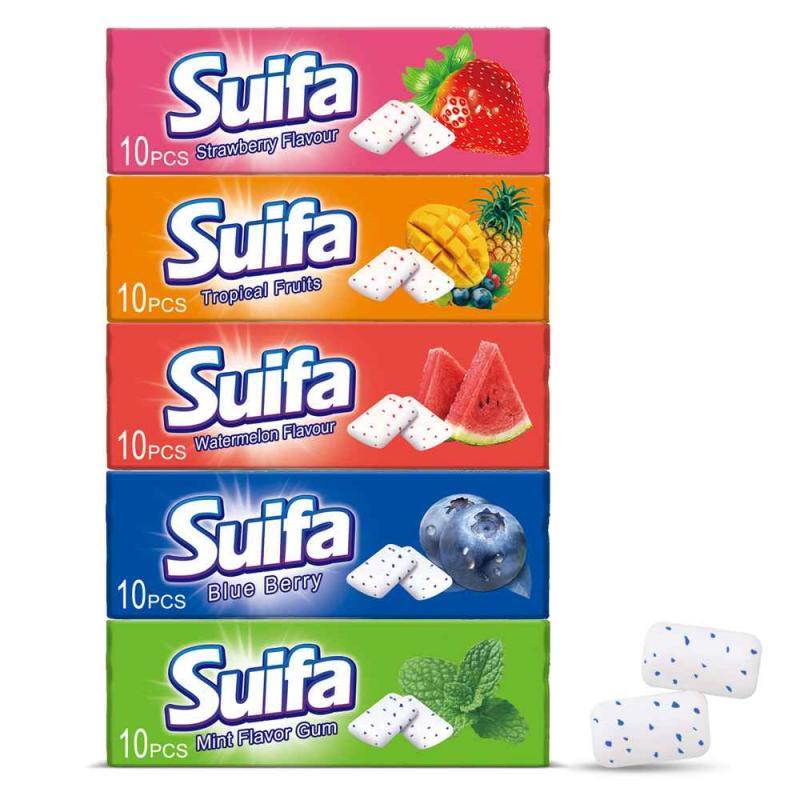
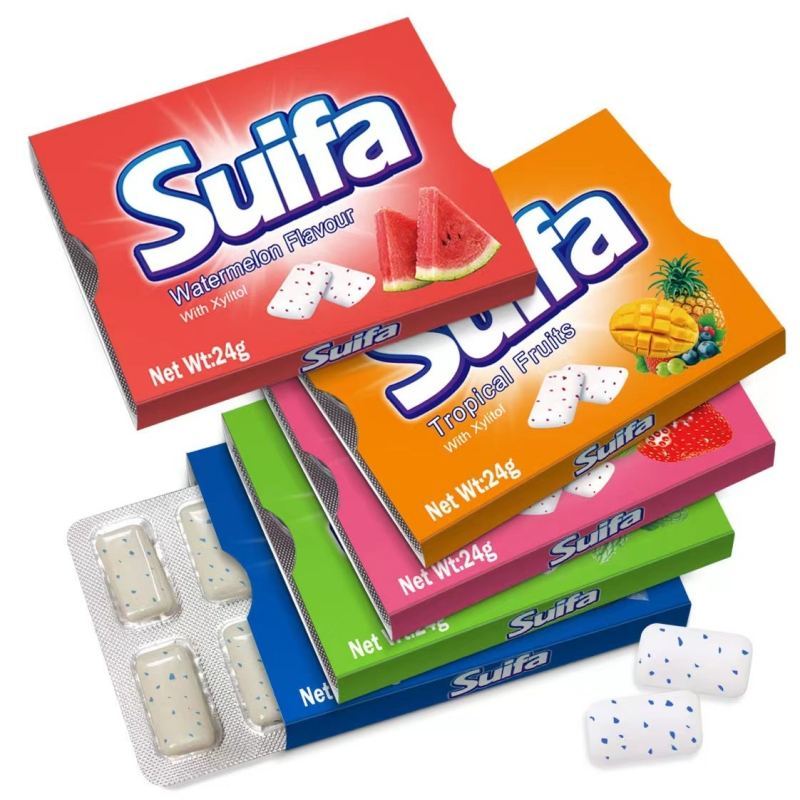
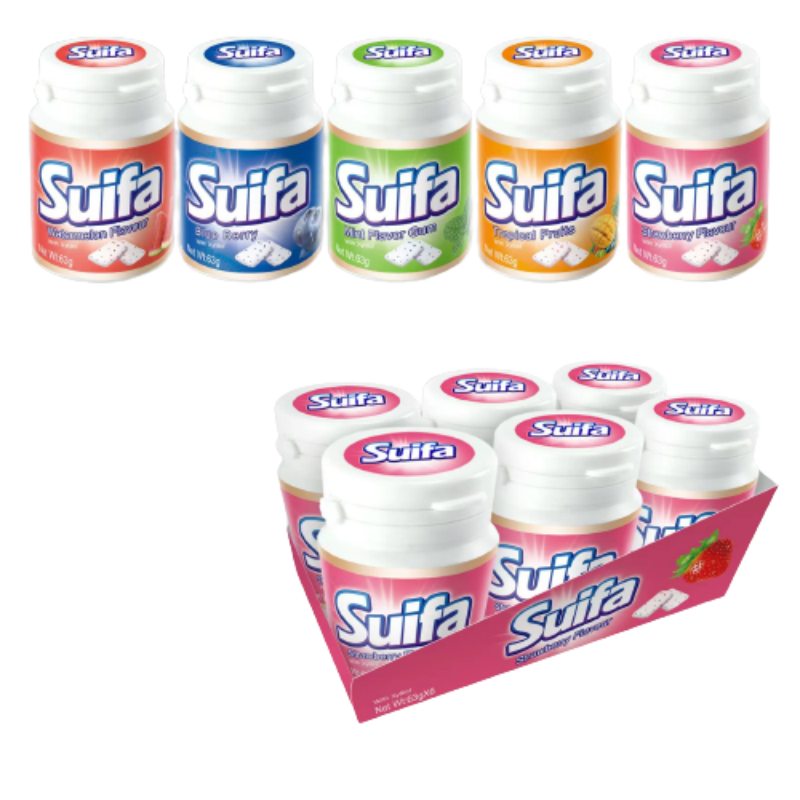
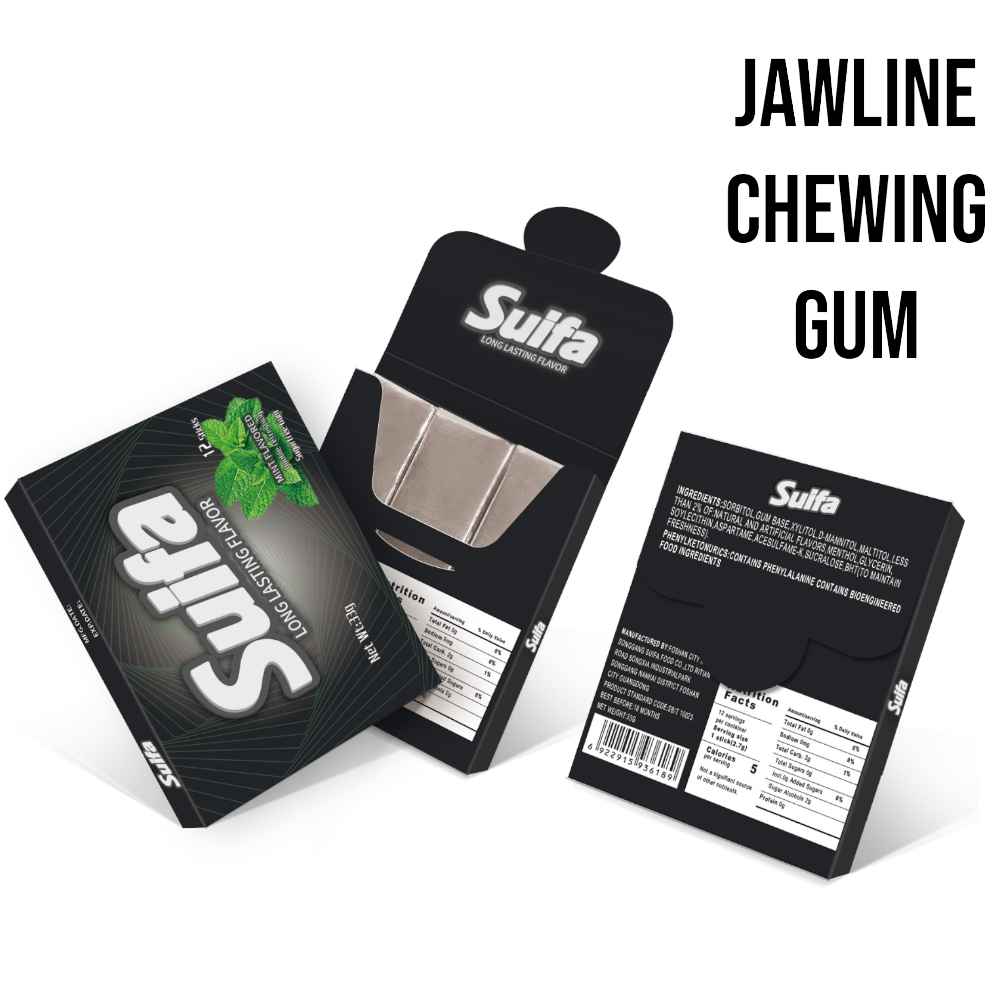
Bulk Healthy Natural Xylitol Sugar Free Tablet Chewing Gum
Detail

Checking Order
Quality Test Before Delivery
Check Items When Packing
Packaging And Transport
Send Inquiry Now!
Choose Suifa, Boost Your Candy and Gum Project!
Discover excellent gum and candy products at our factory. We create custom solutions for our customers. Join us for exclusive insights, customized products and partnerships. Leave your contact info we'll be back in touch within 12 hours!
Choose Suifa, take your bussiness to the next level!



Contact Us
WELCOME TO SUIFAFOOD YOUR TRUSTED MANUFACTURER OF GUM AND CANDY
Address: No.8 Ritian Road Songxia lndustrial AreaSonggang Nanhai, Foshan, Guangdong, China

