
Are Gumballs Bad for Your Teeth?
2025-09-09
Are Gumballs Bad for Your Teeth?
Let’s be real for a second. You’ve got a sweet tooth, and nothing calls your name quite like those shiny, colorful gumballs at the corner store. But if you’re like most people, you’ve also felt a twinge of guilt, wondering if each chew is putting your smile at risk. As a chewing gum expert, I get these worries all the time. It’s a real problem for anyone who loves gum but likes having healthy teeth too!
Regular gumballs packed with sugar can be bad for your teeth if you chew them often (thanks to cavity-causing bacteria feasting on that sugar). But not all gumballs are created equal! Sugar-free versions can actually help your teeth by fighting dry mouth and flushing away food particles. So, it all comes down to how you chew and what you chew.
Curious to know whether your favorite vending machine treat is your teeth’s friend or foe? Let’s dive a little deeper. There’s a lot to consider before passing up on that classic pink gumball—or popping another in your mouth!

What Are Gumballs Made Of?
Ever wondered what goes into those glossy little spheres? Let me break it down for you.
Gumballs are typically made from a base of gum, sugar (or sugar substitutes), corn syrup, food coloring, and various artificial flavors. The main culprit we need to talk about here is sugar. A single gumball can contain enough sugar to feed cavity-causing bacteria in your mouth for hours. That sweet shell you bite through? It’s usually just pure sugar, ready to cling to every groove in your teeth.
On the flip side, some gumballs say they’re “sugar-free,” swapping in ingredients like xylitol or sorbitol, which don’t have the same impact on your teeth as regular sugar does. But ingredients like artificial coloring and flavoring can still pose other minor risks, mostly cosmetic or sensitivities in rare cases. If you want a deeper dive into ingredient lists, I like to check out detailed breakdowns from dental associations (American Dental Association - Chewing Gum).

How Do Gumballs Affect Teeth?
Here’s where my experience as both a gum lover and oral health nerd comes in handy.
When you chew a regular, sugary gumball, your teeth get coated in a fine film of sugar—and so do the bacteria living in your mouth. These bugs adore sugar. The moment you start to chew, bacteria metabolize the sugar and produce acids, which attack the enamel (that’s the hard outer shell of your teeth).
The acid attack kicks off right away, lasting for about 20-30 minutes after you’ve finished chewing. Now, gumballs are sticky. Sugar gets wedged deep into grooves and is a pain to remove without thorough brushing. If you’re not careful, this can lead to cavities, enamel erosion, and even bad breath over time.
Plus, those artificial colorings? While most are FDA approved, some studies hint at possible staining or allergic reactions for ultra-sensitive folks (FDA - Food Coloring & Additives). But for most of us, the bigger dental issue is still all that sugar.

Are Sugar-Free Gumballs Any Better?
Absolutely—if you choose the right ones!
Sugar-free gumballs use substitutes like xylitol, sorbitol, or mannitol. Here’s a fun fact most people don’t know: Xylitol can actually reduce your risk for cavities. That’s because cavity-causing bacteria can’t metabolize xylitol like they do sugar. So, when you chew a xylitol-based gumball, you’re basically starving those harmful microbes (NIH - Xylitol and Dental Caries Prevention).
Many dentists recommend sugar-free gum between meals. It helps stimulate saliva production, which naturally cleans your mouth, washes away food particles, and neutralizes acids. So if you want to chew and protect your teeth? Go sugar-free.
But don’t overdo it—chewing too much sugar-free gum, especially those with sugar alcohols, might cause digestive discomfort for some folks. Moderation is key (Mayo Clinic - Side Effects of Sugar Substitutes).
Common Myths About Gumballs and Cavities
Let’s bust a few of the biggest myths I hear in my line of work.
- ● “All chewing gum is bad for your teeth.” Not true! Sugar-free varieties can actually help keep your teeth clean and reduce the risk of decay (American Dental Association - Gum).
- ● “If I brush right after chewing, I’m safe.” Not always. If you’ve just had an acidic gumball, wait 30 minutes before brushing—your enamel can be softened by acids, and immediate brushing might do more harm than good (ADA - Brushing Teeth).
- ● “Natural flavors mean it’s safe for my teeth.” Don’t be fooled. Even natural ingredients can be packed with sugar. Always check the label.
- ● “Gumballs are harmless if I chew them quickly.” Sorry, but as soon as sugar hits your saliva, the damage can begin, regardless of how quickly you’re done chewing.
My advice? Don’t fall for the marketing. Understand what you’re putting in your mouth and how it’s impacting your smile.

Do Gumballs Lead to Tooth Decay or Cavities?
It depends on what kind of gumball you chew—and how often you do it.
Sugary gumballs are classic cavity-causers. The more frequently you chew, the more often your enamel gets bombarded by acid. If you snack on gumballs throughout the day without brushing or rinsing, the risk gets even higher. Kids are especially vulnerable since their brushing habits might not always be the best.
Sugar-free gumballs, especially those with xylitol, don’t have this effect. In fact, some studies suggest that chewing xylitol gum after meals can actually reduce cavity risk by as much as 40% (NIH - Efficacy of Xylitol Gum).
But remember, gumballs—sugar or not—aren’t a replacement for brushing and flossing. Think of them as a tool, not a cure-all.
Can Gumballs Wear Down Your Teeth?
I get questions about enamel wear all the time.
Chewing gum (even sugar-free) for hours every day can put some stress on your jaw muscles and teeth. For most people, moderate chewing isn’t a big deal, but for folks with dental restorations, braces, or TMJ issues, gumballs can cause chips, cracks, or jaw pain.
And those classic jawbreakers posing as “long-lasting” gumballs? Sometimes, chomp down too hard and you might break a filling or a tooth. Trust me, I’ve seen it in my practice.
Best practice? Keep chewing sessions to 15-20 minutes. If you notice jaw pain or clicking sounds, take a break and check in with your dentist (Cleveland Clinic - Jaw Pain).

What About Kids and Gumballs?
This is a hot topic for parents.
Kids love gumballs—the colors, the flavors, the fun. But their teeth are especially vulnerable to sugar and acid. Primary enamel isn’t as strong as adult enamel, so decay can start fast. I always recommend steering kids toward sugar-free versions and teaching good oral hygiene early.
And let’s not forget—younger children may not have the motor skills to rinse or brush thoroughly after chewing a gumball. That residue lingers, doing its dirty work until bedtime.
Always monitor your child’s gum habits, choose the least sugary options, and help them brush and floss consistently (CDC - Children's Oral Health).
Tips for Gumball Lovers Who Care About Their Teeth
Protecting your teeth doesn’t mean giving up on all the fun. Here’s my expert advice:
- ● Choose sugar-free gumballs—look for those sweetened with xylitol, which fights bacteria.
- ● Limit chewing time to 15-20 minutes. More isn’t always better.
- ● Rinse your mouth with water after chewing to flush out sugar and debris.
- ● Wait at least 30 minutes after eating acidic food or chewing gum before brushing your teeth.
- ● Don’t chew gum if you have braces, crowns, or dental work. It can loosen appliances and get you back in the dental chair fast.
- ● Keep up with regular brushing and flossing, no matter what kind of gum you chew.
Pro tip: If you’re on the fence about a specific gumball brand, check with your dentist—or shoot me a message. We experts are always happy to weigh in.
More Common Questions
Does Chewing Gumballs Help with Stress?
Yes, there’s some evidence that the repetitive act of chewing can reduce stress and even improve concentration for a little while. Just remember, sugary gumballs aren’t the best for daily stress relief. Go sugar-free if you chew often (Harvard Health - Can Chewing Gum Reduce Stress?).
Are Colored Gumballs Worse for Your Teeth?
The real issue is the sugar, not the color. But if you’re concerned about food dyes, opt for clear or naturally colored options. Some people (especially kids) can be sensitive to artificial dyes, which may lead to minor reactions or staining—but this is pretty rare.
Can Gumballs Make Your Breath Fresher?
Temporarily, yes. The act of chewing increases saliva flow, which can mask odors for a bit. But if you’re chewing sugary gumballs, you may actually make bad breath worse in the long run due to bacterial growth. Sugar-free, minty gumballs are best for fresher breath on the go (Cleveland Clinic - Bad Breath).
Is It Okay to Swallow Gumball Pieces?
You’ve probably heard people say swallowed gum stays in your stomach for years. That’s not true, but still, I don’t recommend swallowing gum. It usually passes through your system without problems, but doing it often isn’t great for your digestion (Mayo Clinic - Swallowed Gum Myth).
Conclusion
Gumballs don’t have to be the enemy of a healthy smile. With the right choices and smart habits, you can enjoy that classic chew without putting your teeth at risk. If you ever have questions, we gum experts are here to help!
Suifa news
How is Bubble Gum Made in the Factory?
2023-05-24
How Hard Candy is Made in the Factory?
2024-02-28
Get An Instant Quotation
Recommended Products
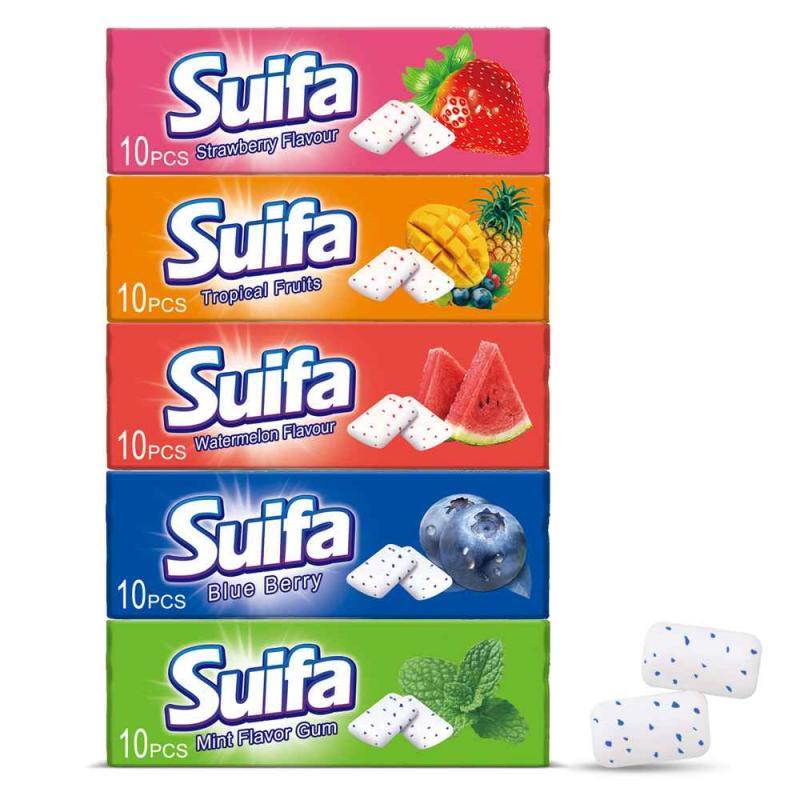
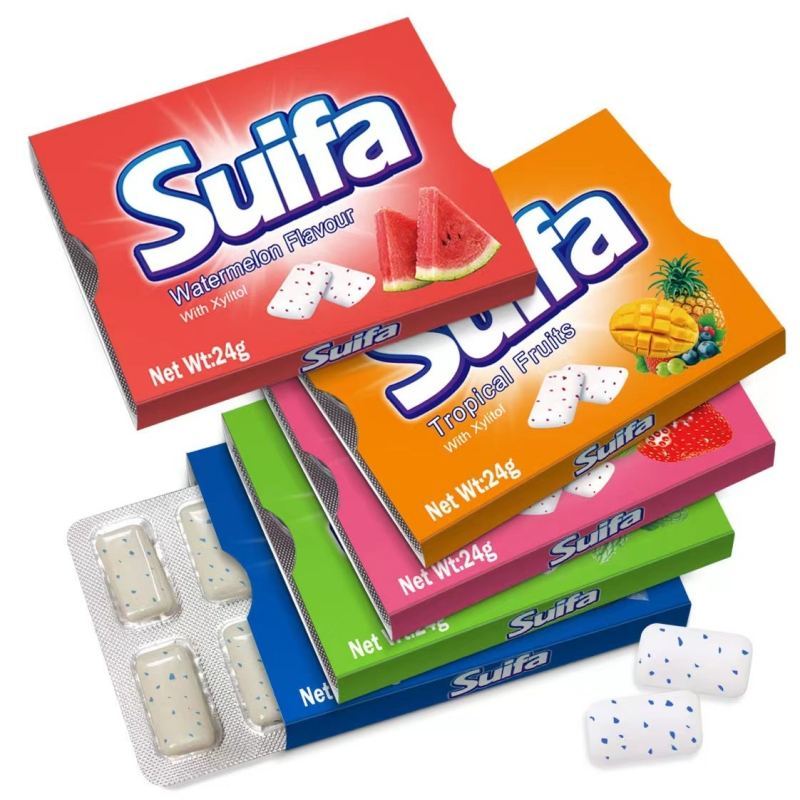
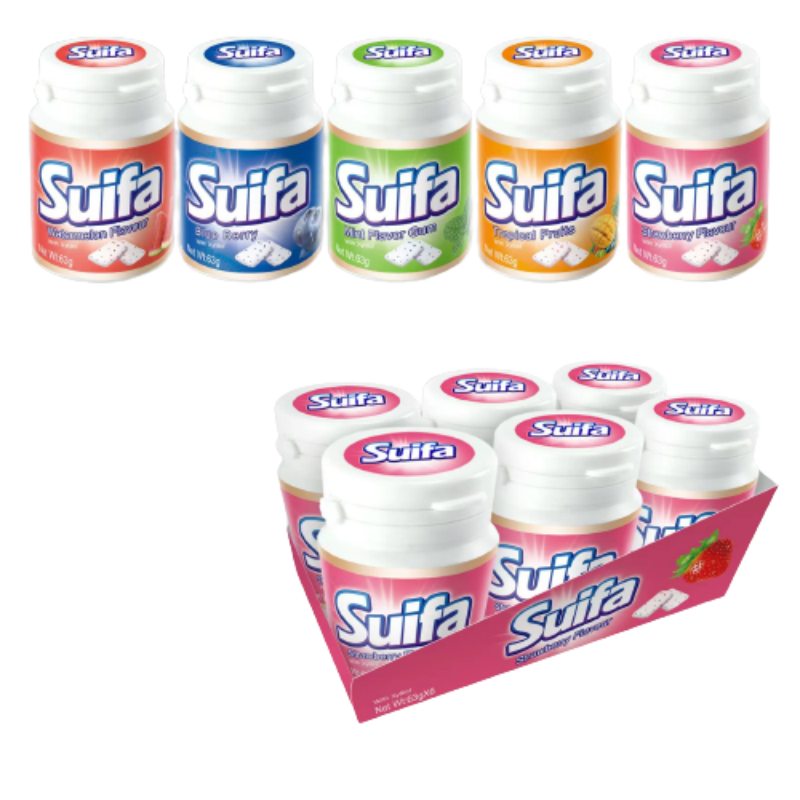
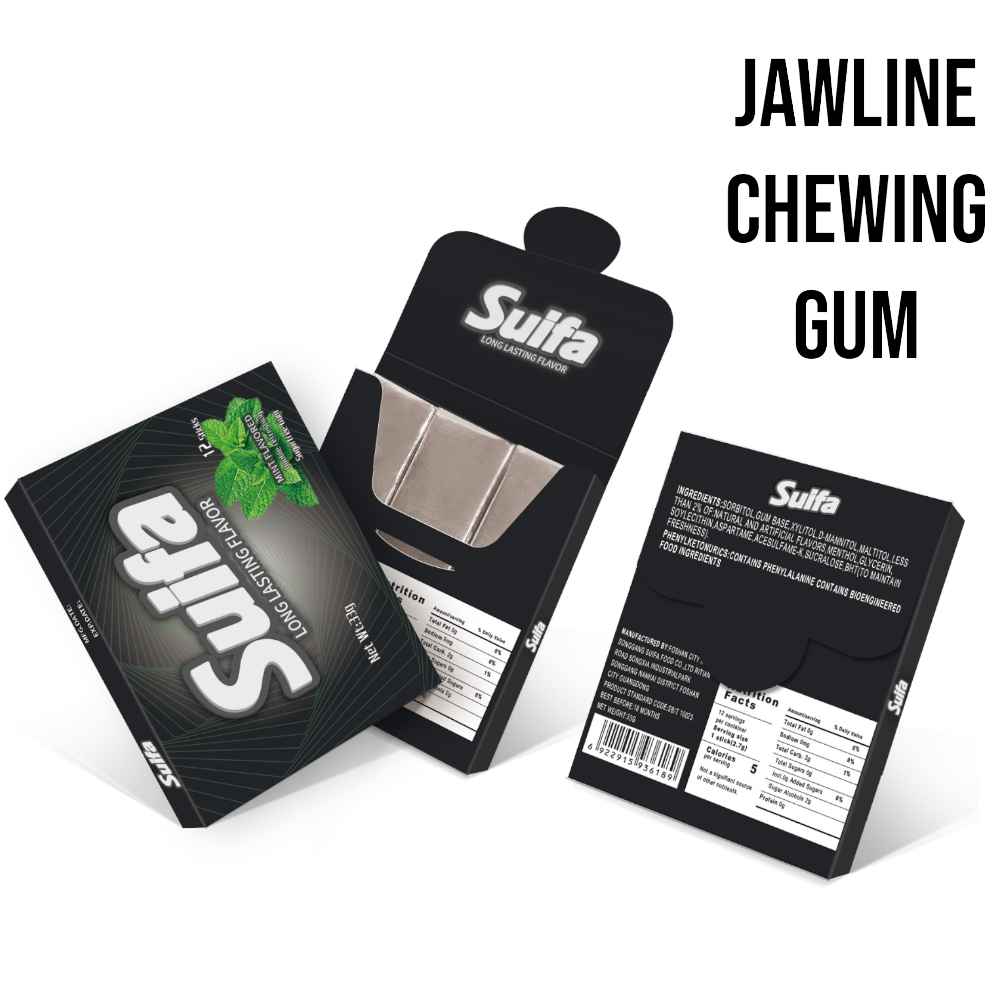
Bulk Healthy Natural Xylitol Sugar Free Tablet Chewing Gum
Detail

Checking Order
Quality Test Before Delivery
Check Items When Packing
Packaging And Transport
Send Inquiry Now!
Choose Suifa, Boost Your Candy and Gum Project!
Discover excellent gum and candy products at our factory. We create custom solutions for our customers. Join us for exclusive insights, customized products and partnerships. Leave your contact info we'll be back in touch within 12 hours!
Choose Suifa, take your bussiness to the next level!



Contact Us
WELCOME TO SUIFAFOOD YOUR TRUSTED MANUFACTURER OF GUM AND CANDY
Address: No.8 Ritian Road Songxia lndustrial AreaSonggang Nanhai, Foshan, Guangdong, China

