
How to Make Chewing Gum Hard? Which Ingredient Should Use?
2024-10-23
We’ve all been there—popping a fresh piece of gum into your mouth only to have it go soft and mushy way too soon. It’s not just about the flavor; it’s about the texture, too. Nobody wants a gum that loses its firmness within a few minutes. So, what’s the secret to keeping gum hard for longer? This blog will give you the answers to both how regular chewing gum gets harder and how manufacturers produce hard chewing gums!
How to Make Chewing Gum Hard?
To make chewing gum hard, you can use methods such as placing the gum in cold environments like a refrigerator or applying ice directly to it. This reduces its elasticity, making it firmer. Alternatively, adjustments in the gum’s ingredient formulation—by adding more gum base or decreasing certain softeners—can lead to a harder chewing texture. Both methods are effective for enhancing gum hardness and overall chewing satisfaction.
But there’s more to making gum hard than just temperature. The ingredients play a key role in its final texture.

To make chewing gum harder, you need to focus on the composition of the gum base, specifically the types of polymers and resins used. A key ingredient that helps gum maintain its firmness is polyvinyl acetate (PVA), which is known for providing a tough and durable texture. Balancing the ratio of softeners and hardeners is also critical.
What Ingredients Make Chewing Gum Hard or Soft?
The primary ingredients in chewing gum include gum base, sweeteners, and softeners like glycerin. The amount and type of gum base used can significantly affect how hard or soft the gum turns out. Increasing the amount of gum base while reducing softeners like glycerin will naturally make the gum harder. Typically, manufacturers control the texture of chewing gum through ingredient ratios.
The gum base is primarily made of polymers, and the type of polymer used directly impacts how hard or soft the gum will be. The two most common polymers are butyl rubber and polyvinyl acetate (PVA).
✅Butyl rubber is more elastic and stretchy, often used in bubble gum to allow for blowing bubbles without breaking. However, polyvinyl acetate (PVA) is preferred when harder chewing gum is required. PVA adds durability, allowing the gum to stay firm for longer without becoming too soft or sticky.
The balance between these polymers can be adjusted depending on the desired texture. For harder gum, manufacturers often use higher concentrations of PVA, which gives the gum its resilience and toughness.
Some common ingredients to adjust:
✅Gum base: More gum base will result in a firmer chew.
✅Glycerin or vegetable oils: These softeners make the gum more pliable. Reducing them results in harder gum.
✅Sweeteners: While these don't impact hardness directly, they affect the gum's overall texture and stability.

What Role Does the Softener-to-Resin Ratio Play in Hardness?
Another crucial factor in making gum harder is the balance between softeners and resins. These two types of ingredients work together to create the ideal chew.
✅Softeners, such as glycerin or vegetable oils, add flexibility and moisture to the gum. They are essential to keep the gum from becoming too brittle, but too much of them can lead to a softer texture.
✅Resins, like ester gum or rosin, add strength and structure to the gum. These ingredients are what make the gum base more rigid, contributing to a firmer chew. Resins help the gum maintain its shape during the chewing process, providing that desirable firm texture.
To make a harder gum, the trick is to reduce the amount of softeners and increase the amount of resins. Finding the perfect softener-to-resin ratio is key to achieving a balanced texture that’s firm but not too tough to chew.
Does the Temperature Impact the Gum's Hardness?
Believe it or not, the temperature during both the production process and storage can greatly impact the hardness of gum. Chewing gum becomes softer in warm environments, as heat causes the softeners in the gum to activate more quickly. On the other hand, storing gum in cooler conditions will help maintain its hardness.
Manufacturers take this into account by adjusting the gum's formula to be stable in various environments. For instance, using certain waxes or higher amounts of resins can ensure that gum remains firm even when temperatures fluctuate. Properly controlling these variables in the manufacturing process is key to achieving a consistently hard gum.
More Related Questions
1. How Does Storage Condition Affect Gum Hardness?
The way gum is stored after production can influence its texture. If gum is stored in a warm, humid environment, it may become softer due to moisture absorption. On the flip side, storing it in a cool, dry place will help maintain its firmness for longer. For this reason, gum should ideally be kept in sealed containers to prevent exposure to moisture.
2. How Long Does It Take for Chewing Gum to Harden?
The time it takes for gum to harden varies depending on several factors, including temperature, humidity, and airflow. Here are a few examples:
✅Chewed gum exposed to cold water: This will harden within minutes.
✅Gum stored in a refrigerator: Keeping gum in a cold environment like a refrigerator or freezer for at least 30 minutes before consumption will make it noticeably firmer.
✅Ambient drying in dry environments: When left out, gum can harden as it loses moisture. The exact timing varies, but in dry environments, it could take hours for gum to become significantly tougher.
3. Can Sugar or Sugar Substitutes Impact Gum Hardness?
Sugar and sugar substitutes can influence the overall feel of the gum. Sugar, especially in crystalline form, can add a slight crunch or firmness. However, many sugar-free gums use sugar alcohols like sorbitol or xylitol, which don’t contribute much to hardness. Instead, it's the gum base and the other ingredients, like resins and waxes, that have the most impact on texture.
Conclusion
Hardening chewing gum is a process that combines temperature manipulation with careful control over ingredients. Whether you’re looking to make your gum harder for personal enjoyment or to develop a commercial product, understanding these elements will help you master the art of making long-lasting, hard chewing gum.
Suifa news
How is Bubble Gum Made in the Factory?
2023-05-24
How Hard Candy is Made in the Factory?
2024-02-28
Get An Instant Quotation
Recommended Products
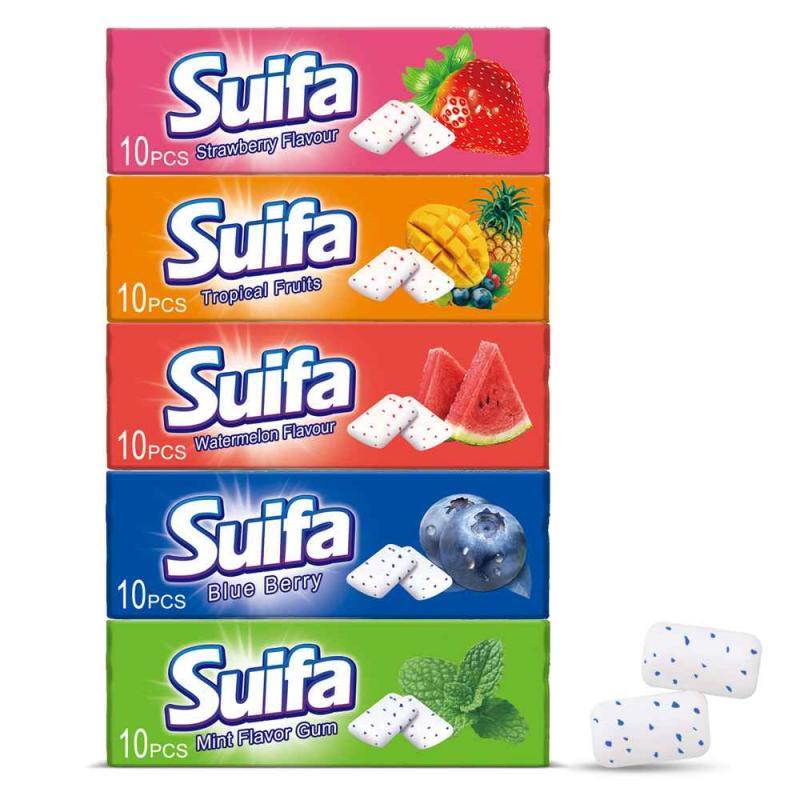
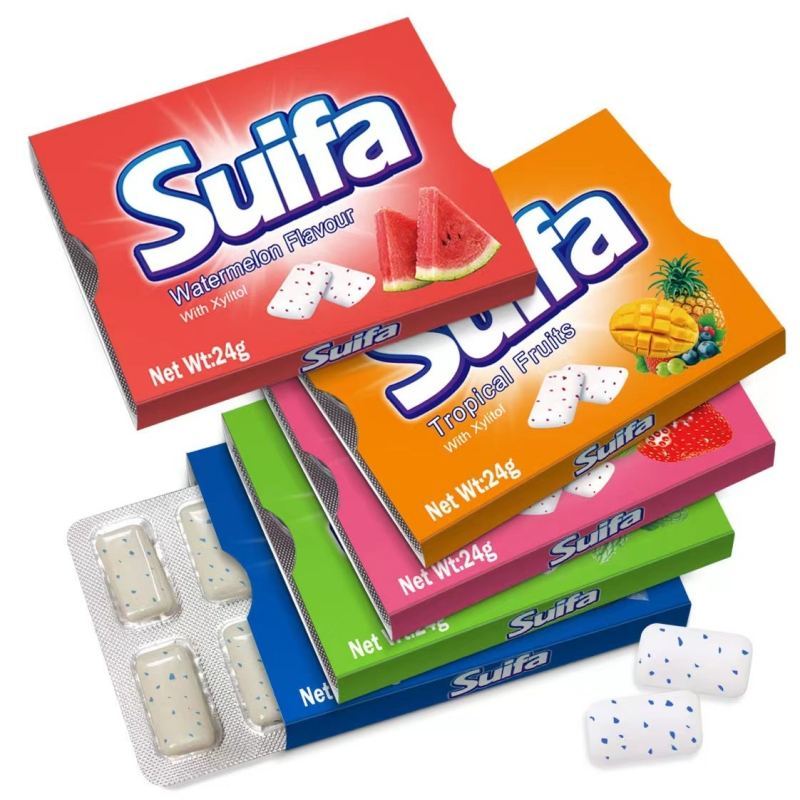
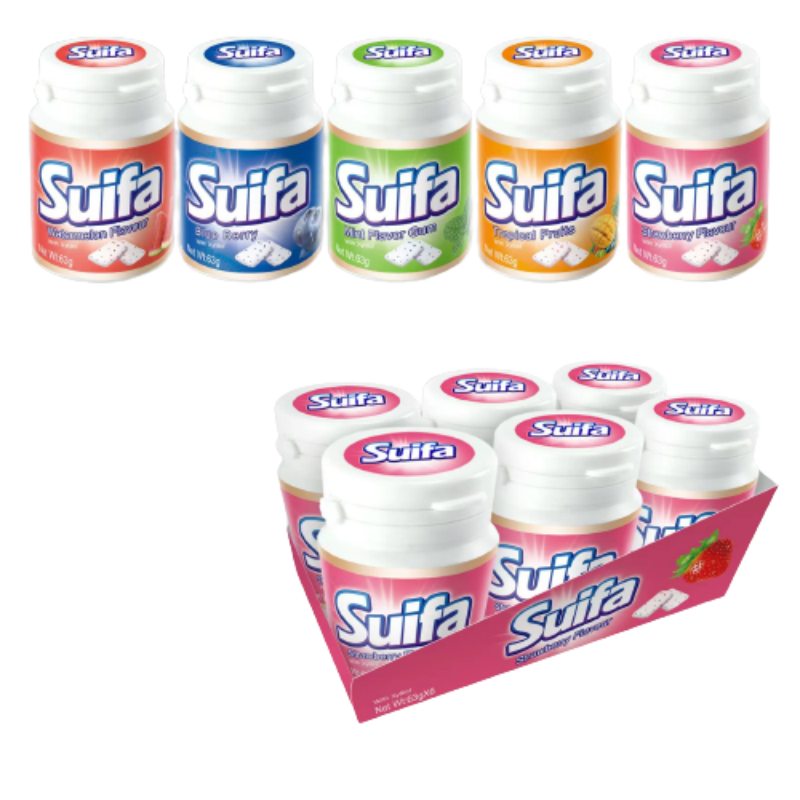
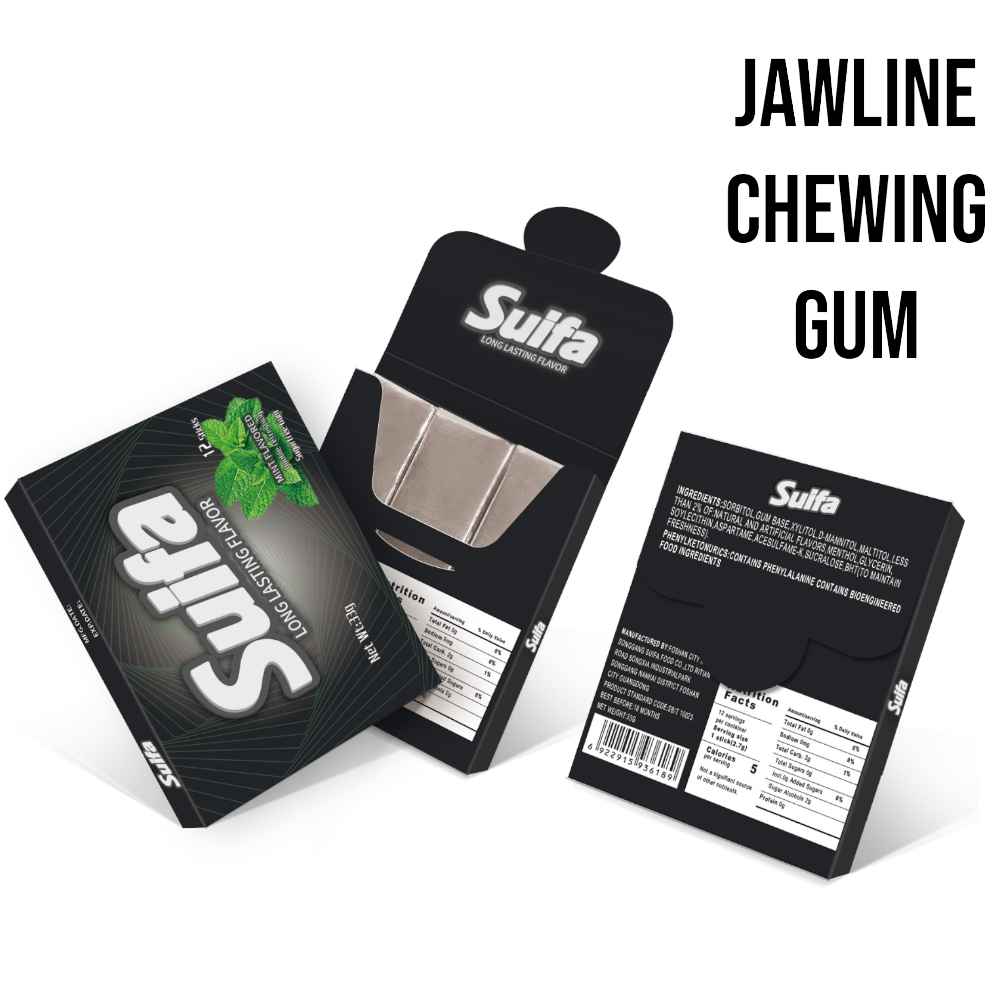
Bulk Healthy Natural Xylitol Sugar Free Tablet Chewing Gum
Detail

Checking Order
Quality Test Before Delivery
Check Items When Packing
Packaging And Transport
Send Inquiry Now!
Choose Suifa, Boost Your Candy and Gum Project!
Discover excellent gum and candy products at our factory. We create custom solutions for our customers. Join us for exclusive insights, customized products and partnerships. Leave your contact info we'll be back in touch within 12 hours!
Choose Suifa, take your bussiness to the next level!



Contact Us
WELCOME TO SUIFAFOOD YOUR TRUSTED MANUFACTURER OF GUM AND CANDY
Address: No.8 Ritian Road Songxia lndustrial AreaSonggang Nanhai, Foshan, Guangdong, China

