
Why Does Sugar-Free Gum Have Calories?
2024-08-28
Why Does Sugar-Free Gum Have Calories?
When people hear the term "sugar-free," the assumption is often that it’s synonymous with "calorie-free." You might reach for sugar-free gum thinking it's a harmless way to enjoy a sweet flavor without any impact on your diet. But then, surprise! You check the label and see that it still contains calories. Confusing, right? If sugar-free gum doesn’t have sugar, why are there any calories at all?
The answer is simple: sugar-free gum still contains other ingredients like sugar alcohols, gum base, and additives that contribute to the total calorie count. While sugar is absent, the gum needs a structure and flavor, which come from ingredients that have caloric value, typically ranging from 2 to 6 calories per piece.
That said, these calories are much lower compared to traditional gum, but they’re still worth noting, especially if you’re watching your caloric intake carefully. So, let’s dive into why even "no sugar" doesn't mean "no calories."
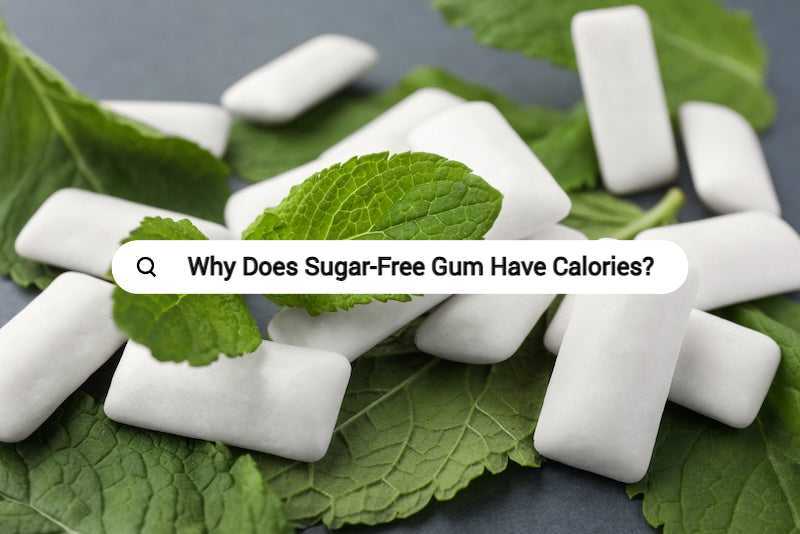
What Ingredients in Sugar-Free Gum Add Calories?
It’s all about what’s replacing the sugar. The primary ingredients that add calories to sugar-free gum are:
✅Sugar Alcohols: Commonly found in sugar-free gum, sugar alcohols like sorbitol, xylitol, and mannitol add sweetness without causing a big spike in blood sugar levels. They contain fewer calories than regular sugar—about 2 calories per gram compared to sugar’s 4 calories per gram—but they’re not calorie-free. Since these ingredients are still carbohydrates, they do carry some energy (calories), just in smaller amounts.
✅Gum Base: The chewable part of gum is the gum base, and while you don’t swallow it, your body still processes the oils and resins in the gum to some degree. It contributes to a small amount of calories as well.
✅Flavorings and Additives: Natural or artificial flavorings, stabilizers, and other minor ingredients may also contain trace calories, which collectively add up to the calorie count of sugar-free gum.
What Are Sugar Alcohols and How Do They Work?
Sugar alcohols play a key role in sugar-free products. They’re a type of carbohydrate, but unlike sugar, they don’t contribute to tooth decay and have a lower glycemic index. That makes them a popular choice for sugar-free gum. However, despite being "diet-friendly," sugar alcohols still contain calories—just less than pure sugar.
Here’s the breakdown:
👉Sorbitol and xylitol, two common sugar alcohols, contain about 2-2.6 calories per gram.
👉These compounds taste sweet but are absorbed by the body more slowly, which is why they don’t spike blood sugar as sharply as regular sugar. However, since they are partially absorbed, they still contribute to the total calorie count of the gum.

How Many Calories Are in Sugar-Free Gum?
Most pieces of sugar-free gum contain anywhere from 2 to 6 calories per piece, depending on the brand and specific ingredients used. While this might not seem like much, it’s something to consider if you chew multiple pieces throughout the day. Those small numbers can add up quickly, especially if you’re someone who enjoys gum constantly.
In comparison, a regular sugar-filled piece of gum can have up to 20-25 calories per piece, mostly coming from the sugar itself. So while sugar-free gum is certainly a lower-calorie option, it’s not a zero-calorie snack.
Does Chewing Gum Have Calories If You Don’t Swallow It?
Yes, chewing gum releases calories even if you don’t swallow it. The process of chewing breaks down the gum’s ingredients, such as the sugar alcohols and flavorings, which are then absorbed into the body. Most of the calories from gum come from these sweeteners and other ingredients like glycerin, which helps keep the gum moist.
Although it may seem that spitting out the gum before swallowing it would eliminate the calorie intake, the act of chewing extracts the calories from the ingredients. Swallowing the gum itself doesn't add calories, as it passes through the digestive system without being broken down. So, the calories primarily come from the flavorings, sweeteners, and other chewable components.

Exploring the Role of Sweeteners in Sugar-Free Gum
Sweeteners are the star players in sugar-free gum, providing that delightful sweetness without the sugar crash. Each sweetener used comes with its own set of characteristics and effects on the body. Understanding these can help you make an informed choice when selecting your gum.
Xylitol, for instance, is a sugar alcohol known for its dental benefits. It not only sweetens the gum but also helps reduce the risk of cavities by inhibiting the growth of harmful bacteria in the mouth. However, it's worth noting that consuming large amounts of sugar alcohols can have a laxative effect on some individuals, so moderation is key.
Artificial sweeteners like aspartame and sucralose are often used in sugar-free gum due to their intense sweetness. These sweeteners contain virtually no calories because they pass through the body without being fully digested. However, the long-term effects of artificial sweeteners on metabolism and health are still a topic of ongoing research and debate.
FAQ
Q: Does Chewing Sugar-Free Gum Regularly Affect Your Diet?
A: For most people, the small number of calories in sugar-free gum won’t significantly impact their diet. However, if you chew multiple pieces daily, the calories can add up over time, potentially affecting a strict calorie-controlled diet.
Q: Is Sugar-Free Gum Healthier Than Regular Gum?
A: Yes, sugar-free gum is typically healthier than regular gum because it contains fewer calories and doesn’t contribute to tooth decay like sugar does. Sugar alcohols in sugar-free gum are less harmful to your teeth and have a lower glycemic impact.
Q: Do the Calories in Sugar-Free Gum Come from the Gum Base?
A: Yes, some calories in sugar-free gum come from the gum base, which is the part of the gum that provides the chewy texture. The body may absorb some of the oils and resins in the gum base, though these calories are minimal.
Q: Will Sugar-Free Gum Break a Fast?
A: For those who practice intermittent fasting or follow strict fasting routines, the question of whether sugar-free gum breaks a fast is common. The short answer is that it depends on the type of fast. Sugar-free gum contains a minimal amount of calories—usually less than 6 calories per piece—and doesn’t significantly impact blood sugar or insulin levels. As a result, most experts agree that chewing sugar-free gum won’t break your fast.
The key here is that the calorie content in sugar-free gum is very low, and the body metabolizes the sweeteners in such small amounts that it doesn't trigger a significant insulin response. For example, xylitol and sorbitol do not lead to a spike in blood glucose levels, which is why sugar-free gum is often considered acceptable during fasting.However, in more extreme forms of fasting, such as water fasting, even a small number of calories can technically disrupt the fast.
Conclusion
Sugar-free gum contains calories due to its non-sugar ingredients like sugar alcohols, gum base, and flavorings. While these ingredients are healthier and lower in calories than sugar, they still add a small amount of energy to your daily intake. In the end, sugar-free gum is a healthier alternative to regular gum, but it’s not a zero-calorie snack.
Suifa news
How is Bubble Gum Made in the Factory?
2023-05-24
How Hard Candy is Made in the Factory?
2024-02-28
Get An Instant Quotation
Recommended Products
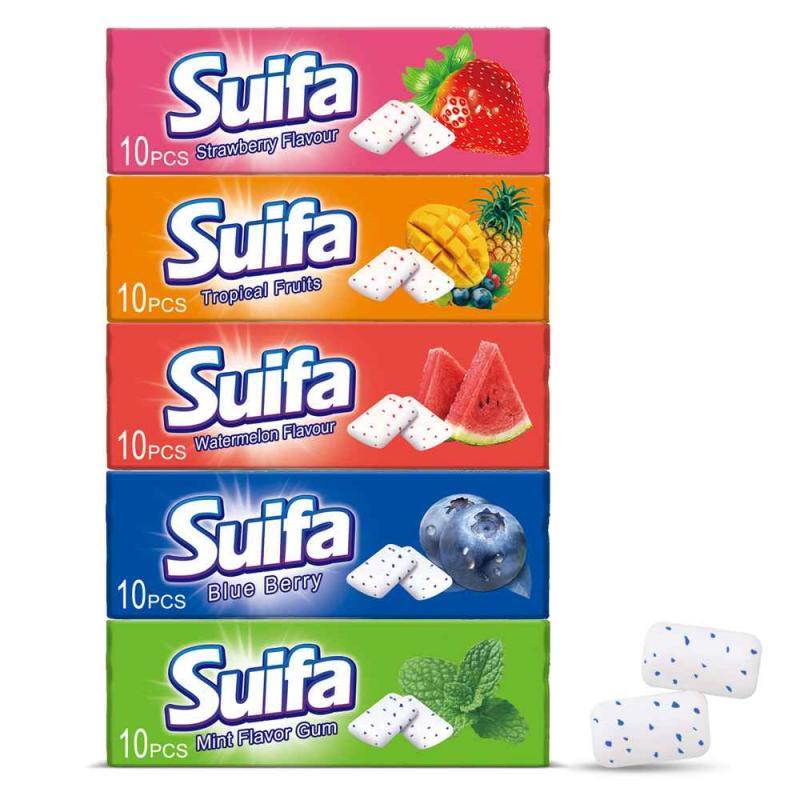
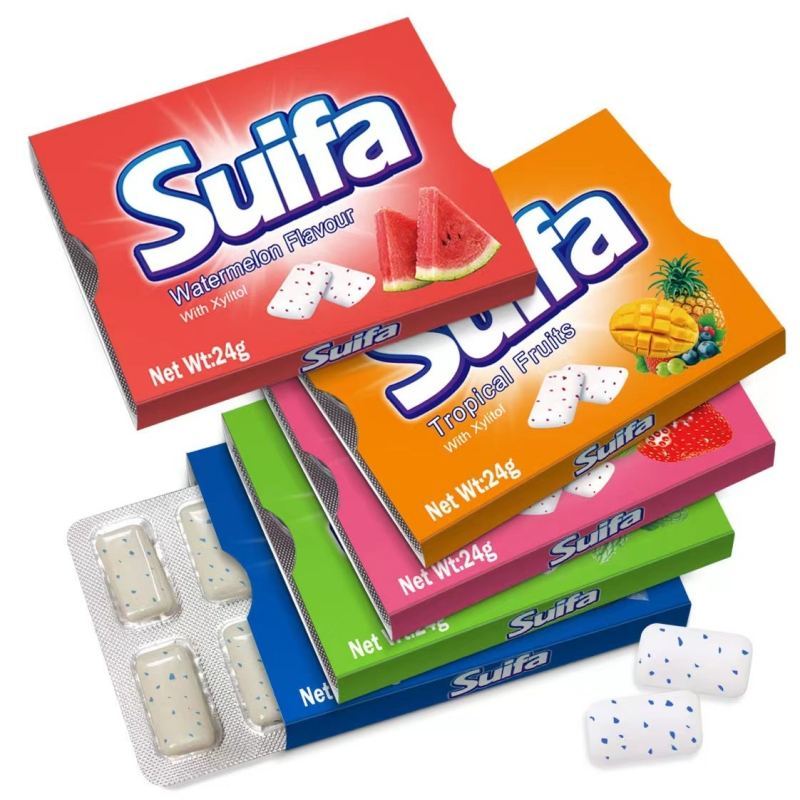
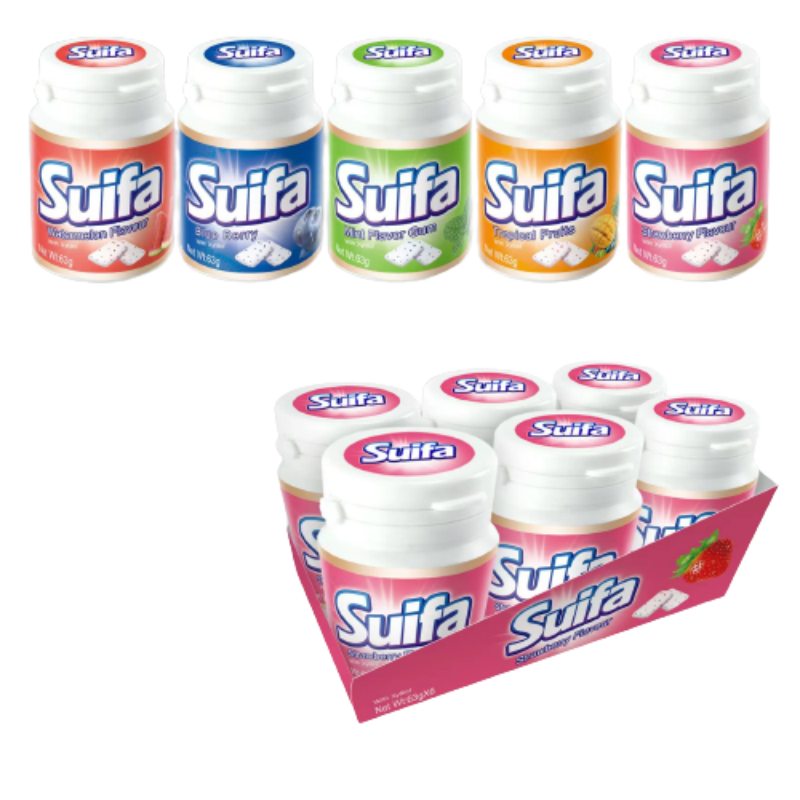
Bulk Healthy Natural Xylitol Sugar Free Tablet Chewing Gum
Detail

Checking Order
Quality Test Before Delivery
Check Items When Packing
Packaging And Transport
Send Inquiry Now!
Choose Suifa, Boost Your Candy and Gum Project!
Discover excellent gum and candy products at our factory. We create custom solutions for our customers. Join us for exclusive insights, customized products and partnerships. Leave your contact info we'll be back in touch within 12 hours!
Choose Suifa, take your bussiness to the next level!



Contact Us
WELCOME TO SUIFAFOOD YOUR TRUSTED MANUFACTURER OF GUM AND CANDY
Address: No.8 Ritian Road Songxia lndustrial AreaSonggang Nanhai, Foshan, Guangdong, China

