
Is Your Chewing Gum Low FODMAP?
2024-08-20
Is Your Chewing Gum Low FODMAP?
If you suffer from Irritable Bowel Syndrome (IBS) or follow a low FODMAP diet, finding the right chewing gum can be challenging. Many popular chewing gums contain ingredients that might trigger unpleasant symptoms like bloating, gas, or even abdominal pain. If you’ve noticed digestive issues after chewing gum, it’s time to consider whether your gum is low FODMAP and safe for your stomach.
So, is your chewing gum low FODMAP? The answer depends on the ingredients. While some chewing gums are formulated to be low FODMAP, many are not, thanks to the presence of certain sweeteners and additives. Understanding what’s inside your gum is key to avoiding digestive discomfort.
Chewing the wrong gum might be the reason you’re experiencing those unpleasant symptoms. As a chewing gum expert, Let’s dig into the details to help you make an informed choice.

What are FODMAPs?
FODMAPs, an acronym for Fermentable Oligosaccharides, Disaccharides, Monosaccharides, and Polyols, are a group of short-chain carbohydrates that can be poorly absorbed in the small intestine. They include fructans, galacto-oligosaccharides, lactose, fructose in excess of glucose, and polyols such as sorbitol and mannitol.
When FODMAPs aren’t absorbed well in the small intestine, they ferment in the colon, leading to gas, bloating, and other uncomfortable symptoms. For those who are sensitive, managing FODMAP intake is crucial to maintaining digestive health.

How do FODMAPs Relate to Chewing Gum?
Chewing gum often contains sweeteners and additives that fall into the high FODMAP category. Sugar alcohols like sorbitol, mannitol, and xylitol are common ingredients in sugar-free gum and are notorious for causing digestive issues. These sugar alcohols are polyols, which are a type of FODMAP. This makes sugar-free gum a potential trigger for those who are sensitive to FODMAPs.
Another concern is that while chewing, you swallow more air, which can also contribute to bloating and discomfort, especially when combined with high FODMAP ingredients. So, even if you’re reaching for sugar-free gum to avoid sugar, you might still be setting yourself up for digestive trouble.
So, Can I Chew Gum on a Low FODMAP Diet?
Yes, you can chew gum on a low FODMAP diet, but it’s important to be selective about which products you choose. Most traditional chewing gums contain high FODMAP sweeteners, so opting for gums sweetened with low FODMAP alternatives, such as stevia or sucralose, is a safer choice.

Which Ingredients Should You Look for in Low FODMAP Gum?
If you’re on the hunt for a low FODMAP chewing gum, start by reading the label carefully. Look for gums that use low FODMAP sweeteners like stevia or sucrose instead of sorbitol, mannitol, or xylitol. These sweeteners are less likely to cause digestive distress.
In addition to sweeteners, pay attention to flavoring agents and other additives. Avoid gums with high FODMAP ingredients such as honey, high fructose corn syrup, or certain fruit extracts that may not be FODMAP-friendly. Instead, opt for natural flavors and minimal additives.
What Are the Benefits of Low FODMAP Gum?
Low FODMAP gum can greatly reduce gastrointestinal symptoms for those with sensitivities. It can minimize instances of bloating, gas, and abdominal pain, making it a worthwhile adjustment for those following a low FODMAP diet.

Top 10 Low FODMAP Chewing Gums You Should Try
To make your search easier, here are some of the top low FODMAP chewing gums available on the market:
1. Simply Gum
Simply Gum is made with natural ingredients and uses cane sugar as a sweetener. With a variety of flavors such as mint and cinnamon, users appreciate its clean taste and biodegradable packaging.
2. Pur Gum
A popular choice, sweetened with xylitol but in low amounts, making it low FODMAP friendly.
3. Glee Gum
Glee Gum is another favorite among health-conscious consumers. Sweetened with cane sugar, it offers flavors like tangerine and peppermint. Its commitment to non-GMO ingredients is a plus.
4. Chicza Organic Mayan Rainforest Chewing Gum
Chicza is unique for its organic status and natural chicle base. With flavors like cinnamon and lime, it provides a short but satisfying burst of taste, ideal for those seeking a more natural chewing experience.
5. Tic Tac (Wintergreen)
These mints are generally well-tolerated on a low FODMAP diet, as they do not contain high FODMAP ingredients.
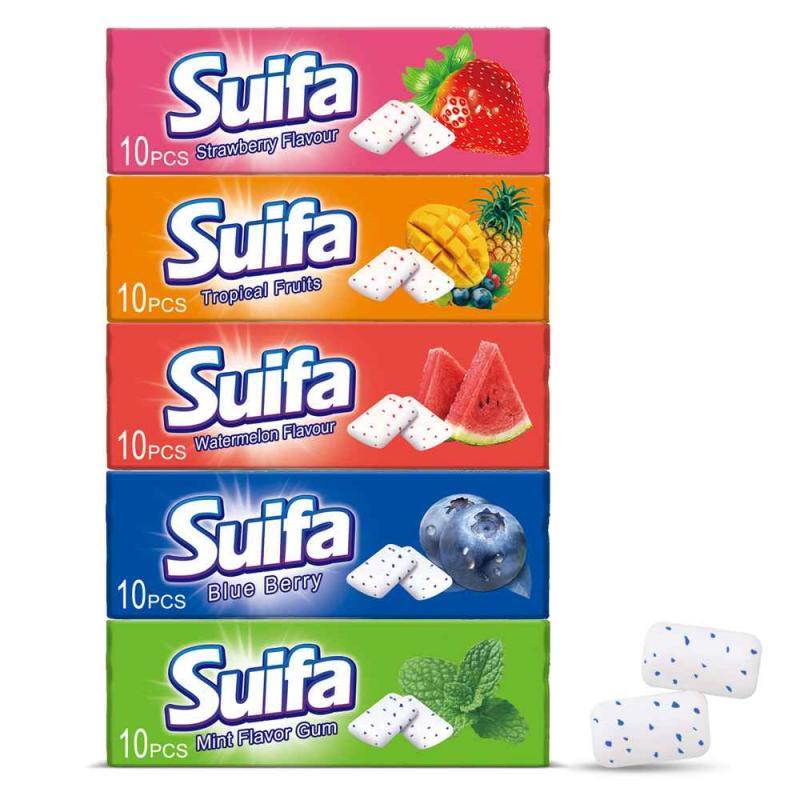
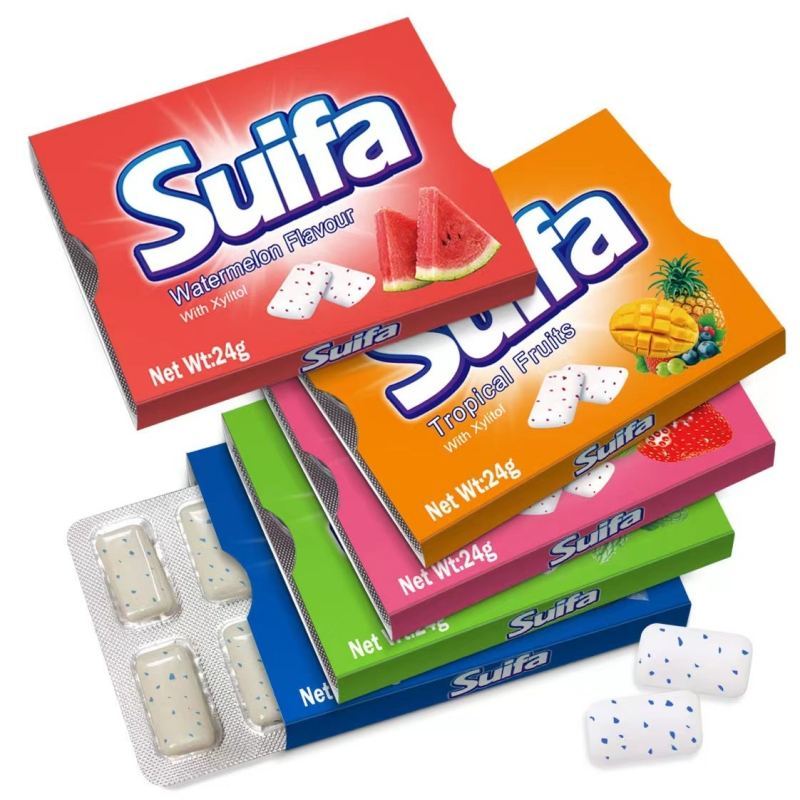
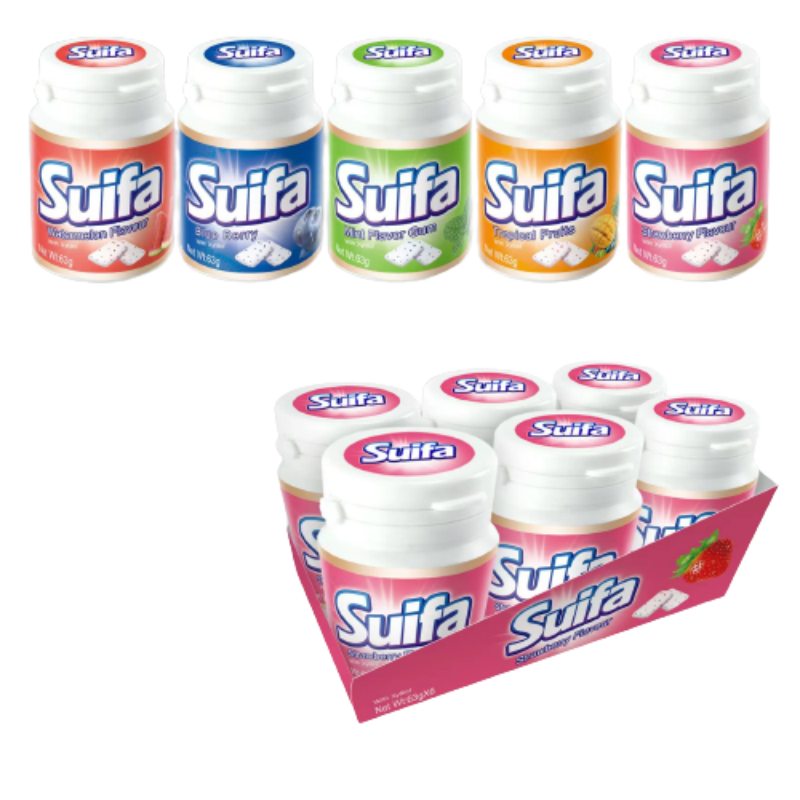
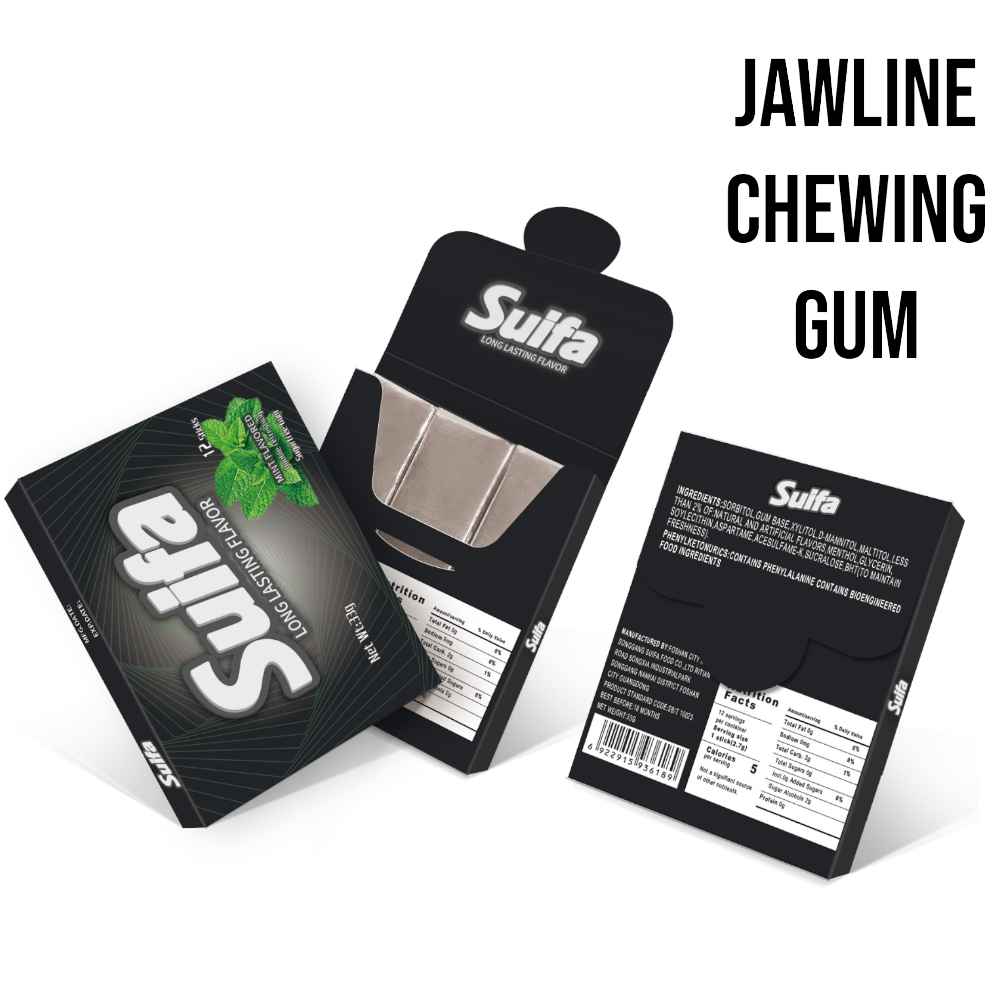
6. Suifa Gum
Some Suifa Gum are low FODMAP, but caution is advised as not all varieties are suitable due to the presence of sugar alcohols in some flavors.
7. Wrigley’s Spearmint Gum
This gum is sweetened with sugar, making it a safe option for low FODMAP diets. It contains no high FODMAP sweeteners like sorbitol or xylitol.
8. Wrigley’s Doublemint Gum
Similar to Spearmint, Doublemint is also made with sugar and does not contain problematic sweeteners, making it a good choice
9. Extra Gum (Spearmint and Peppermint)
Extra gum is sweetened with sugar and is considered safe for low FODMAP diets, but it's important to check the specific variety for any high FODMAP ingredients.
10. Trident (Various Flavors)
Some Trident gums are sweetened with sugar and do not contain high FODMAP sweeteners, but again, label reading is crucial to ensure safety.
FAQ
Q: What makes a chewing gum low FODMAP?
A: Chewing gum is considered low FODMAP if it does not contain high FODMAP sweeteners like sorbitol, mannitol, xylitol, or other polyols. Instead, it uses low FODMAP alternatives such as sucrose, stevia, or other safe ingredients.
Q: Can sugar-free gum be low FODMAP?
A: Most sugar-free gums are not low FODMAP because they often contain sugar alcohols like sorbitol or xylitol, which can trigger digestive issues. However, some brands use low FODMAP sweeteners like stevia or erythritol, which may be suitable for sensitive stomachs.
Q: What are some low FODMAP alternatives to chewing gum?
A: If you’re looking for low FODMAP alternatives to chewing gum, consider using low FODMAP mints, drinking herbal teas, or sipping water with a splash of lemon for fresh breath.
Q: What should I do if I accidentally chew high FODMAP gum?
A: If you accidentally chew high FODMAP gum and experience symptoms, try to drink plenty of water and avoid further FODMAP intake until your symptoms subside. Some people find relief with gentle exercise or a warm compress on the abdomen.
Conclusion
Choosing the right chewing gum can make a big difference in your digestive health. If you have a sensitive stomach, especially if you’re managing IBS, it’s crucial to be mindful of the ingredients in your gum. By opting for low FODMAP choices and carefully reading labels, you can enjoy fresh breath without the digestive discomfort.
Suifa news
How is Bubble Gum Made in the Factory?
2023-05-24
How Hard Candy is Made in the Factory?
2024-02-28
Get An Instant Quotation
Recommended Products
Bulk Healthy Natural Xylitol Sugar Free Tablet Chewing Gum
Detail

Checking Order
Quality Test Before Delivery
Check Items When Packing
Packaging And Transport
Send Inquiry Now!
Choose Suifa, Boost Your Candy and Gum Project!
Discover excellent gum and candy products at our factory. We create custom solutions for our customers. Join us for exclusive insights, customized products and partnerships. Leave your contact info we'll be back in touch within 12 hours!
Choose Suifa, take your bussiness to the next level!



Contact Us
WELCOME TO SUIFAFOOD YOUR TRUSTED MANUFACTURER OF GUM AND CANDY
Address: No.8 Ritian Road Songxia lndustrial AreaSonggang Nanhai, Foshan, Guangdong, China

