
Is Chewing Gum Biodegradable?
2023-04-18
Is Chewing Gum Biodegradable?
Chewing gum is a staple for many, but did you know it poses a significant environmental problem? While it’s chewed and discarded daily, most chewing gum is not biodegradable, meaning it can remain in the environment for decades. Let’s dive into why this happens, how to properly dispose of gum, and whether there are any sustainable alternatives.
Chewing gum is not biodegradable. Most chewing gum products are made from synthetic materials like polyisobutylene or polyvinyl acetate, which are resistant to biological breakdown. This means that once the gum is discarded, it can persist in the environment for a very long time, contributing to pollution and waste.

How Do I Dispose of Chewing Gum?
Proper disposal of chewing gum is crucial to reducing its environmental impact. Since gum doesn’t break down naturally, simply throwing it on the ground or into a non-designated trash bin can contribute to littering and pollution. The best way to dispose of gum is to wrap it in a piece of paper and place it in a trash bin. If no bins are available, keep it with you until you find one. This ensures the gum doesn't end up on the streets or in nature.
Does Biodegradable Chewing Gum Exist?
Yes, biodegradable chewing gum does exist! While most chewing gum products are made from synthetic polymers, there are a growing number of eco-friendly brands offering gum made with natural, biodegradable ingredients. For example, brands like Peace With The Wild offer biodegradable gum made with organic, ethically sourced ingredients. These gums break down naturally, unlike conventional gums that persist in the environment for years.
Why Is Chewing Gum Not Biodegradable?
Chewing gum isn’t biodegradable because it’s made from synthetic materials like polyisobutylene, polyvinyl acetate, and butyl rubber. These are petroleum-based plastics that resist decomposition, meaning that gum can last in landfills and on pavements for years. The synthetic gum base is designed to give the gum its chewy texture, but it’s also what makes it an environmental hazard when improperly discarded.
What Are the Environmental Impacts of Chewing Gum?
The environmental impact of chewing gum is significant. As one of the most commonly littered items, gum contributes to pollution, especially in urban areas. Gum stuck to sidewalks, roads, and public spaces can be costly and time-consuming to remove. In landfills, gum takes decades to decompose, and in the meantime, it releases harmful chemicals into the environment. Additionally, it can harm wildlife if they mistake it for food.
Which Gum Brands Offer Biodegradable Alternatives?
While the majority of gum on the market is non-biodegradable, several brands have taken steps to offer environmentally friendly alternatives. Some popular biodegradable gums include:
✅True Gum: Made from natural ingredients and fully biodegradable.
✅Peppersmith: A UK-based brand offering gum made with xylitol and other natural ingredients.
✅Simply Gum: A brand that prides itself on using simple, non-synthetic ingredients to create biodegradable gum.
✅Chicza Gum: Made from 100% natural ingredients, Chicza Gum is a biodegradable and eco-friendly alternative that’s sourced from sustainably harvested chicle, a natural latex gum.
These alternatives help reduce the environmental impact of chewing gum and provide an eco-friendly option for consumers who want to enjoy gum without the guilt.
Is Trident Gum Biodegradable?
No, Trident gum is not biodegradable. Like most commercial gum brands, Trident uses synthetic polymers that don’t break down naturally. While some brands are starting to offer biodegradable alternatives, Trident still uses the traditional synthetic gum base, which means its environmental footprint remains high.
Can Chewing Gum Be Recycled?
Chewing gum can’t be recycled in the traditional sense. The synthetic polymers used in gum are not recyclable and cannot be processed into new materials like plastic bottles or paper. However, there are some efforts to repurpose used chewing gum into new products. For example, used gum can sometimes be processed into shoe soles or rubber products. But these efforts are still limited, and the best option remains to properly dispose of gum in a trash bin.
How Long Does It Take for Chewing Gum to Decompose?
Chewing gum takes a long time to decompose—between 20 to 25 years in some cases. The exact time depends on environmental factors, but the gum base’s synthetic composition makes it highly resistant to natural breakdown. This means that once gum is discarded, it can stay in the environment for a very long time, contributing to urban litter and landfill waste.
Summary:
Chewing gum may not biodegrade, but alternatives are emerging to tackle this environmental issue. By opting for biodegradable gums and disposing of them properly, we can help reduce the impact of gum on our planet. Let’s be mindful of our choices and keep our streets cleaner for everyone!
Suifa news
How is Bubble Gum Made in the Factory?
2023-05-24
How Hard Candy is Made in the Factory?
2024-02-28
Get An Instant Quotation
Recommended Products
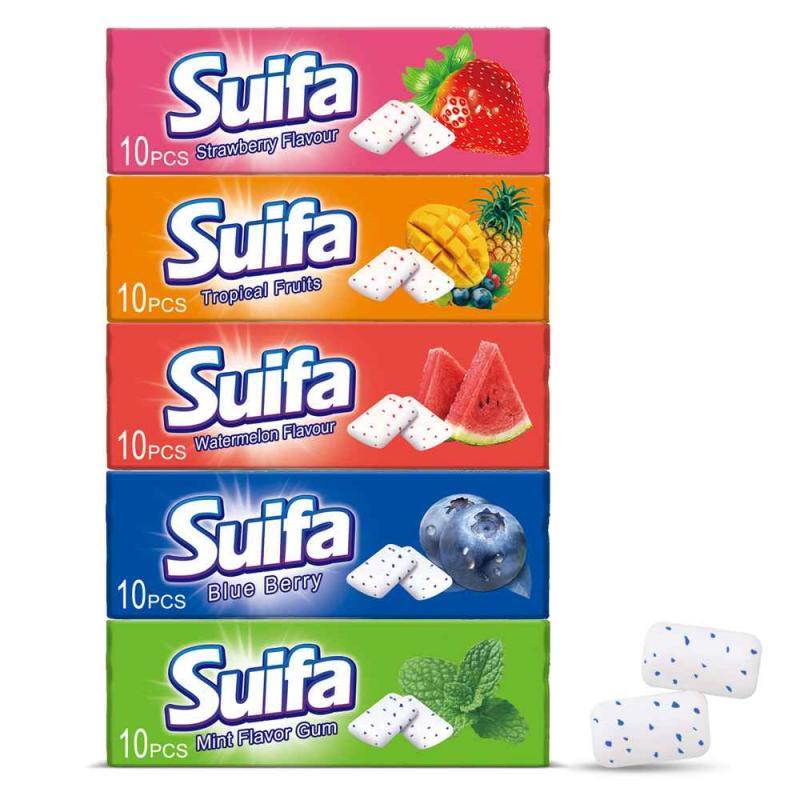
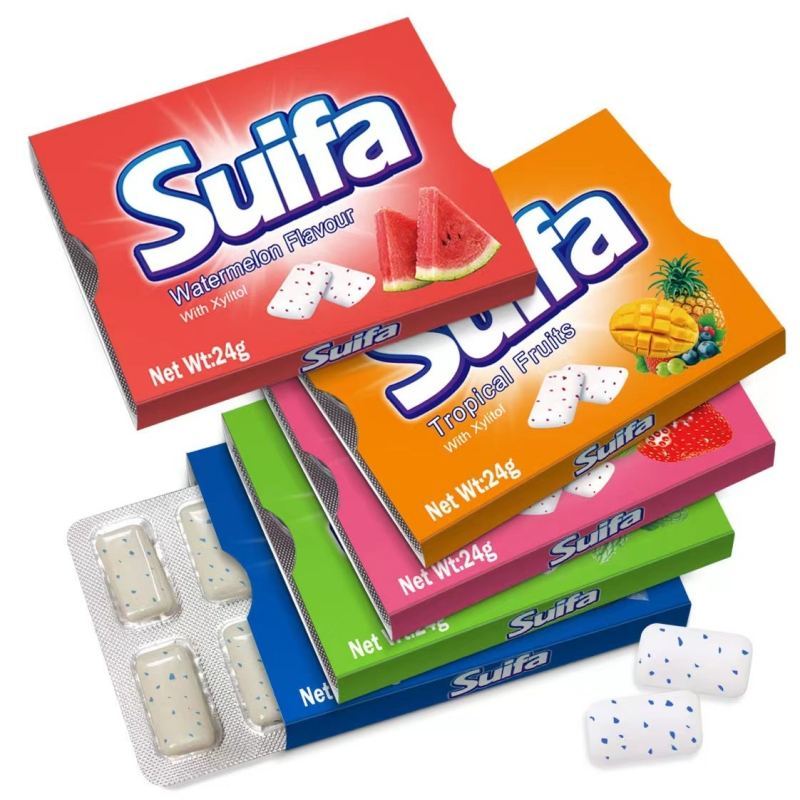
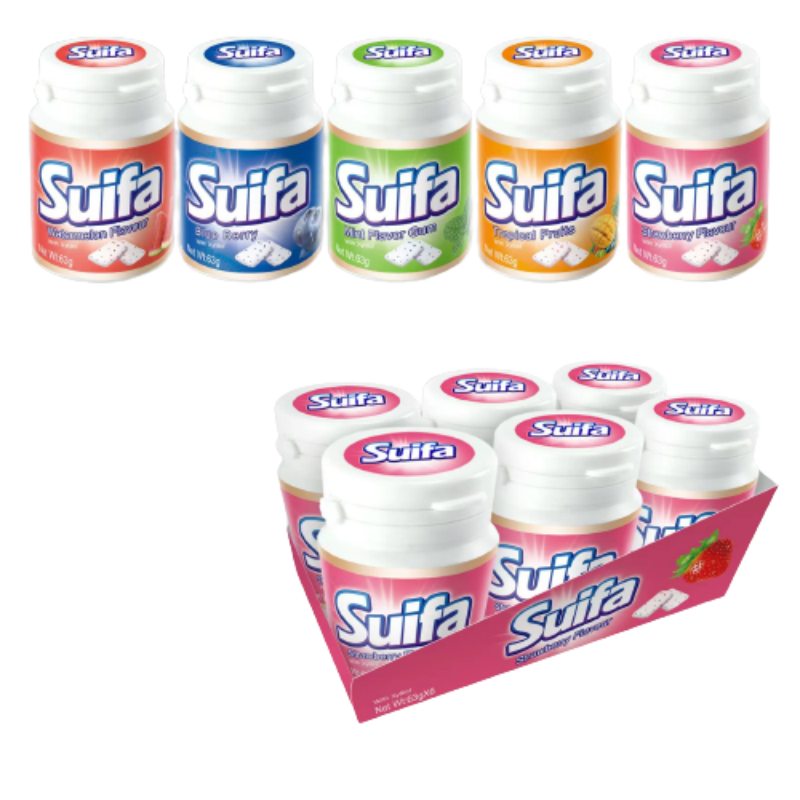
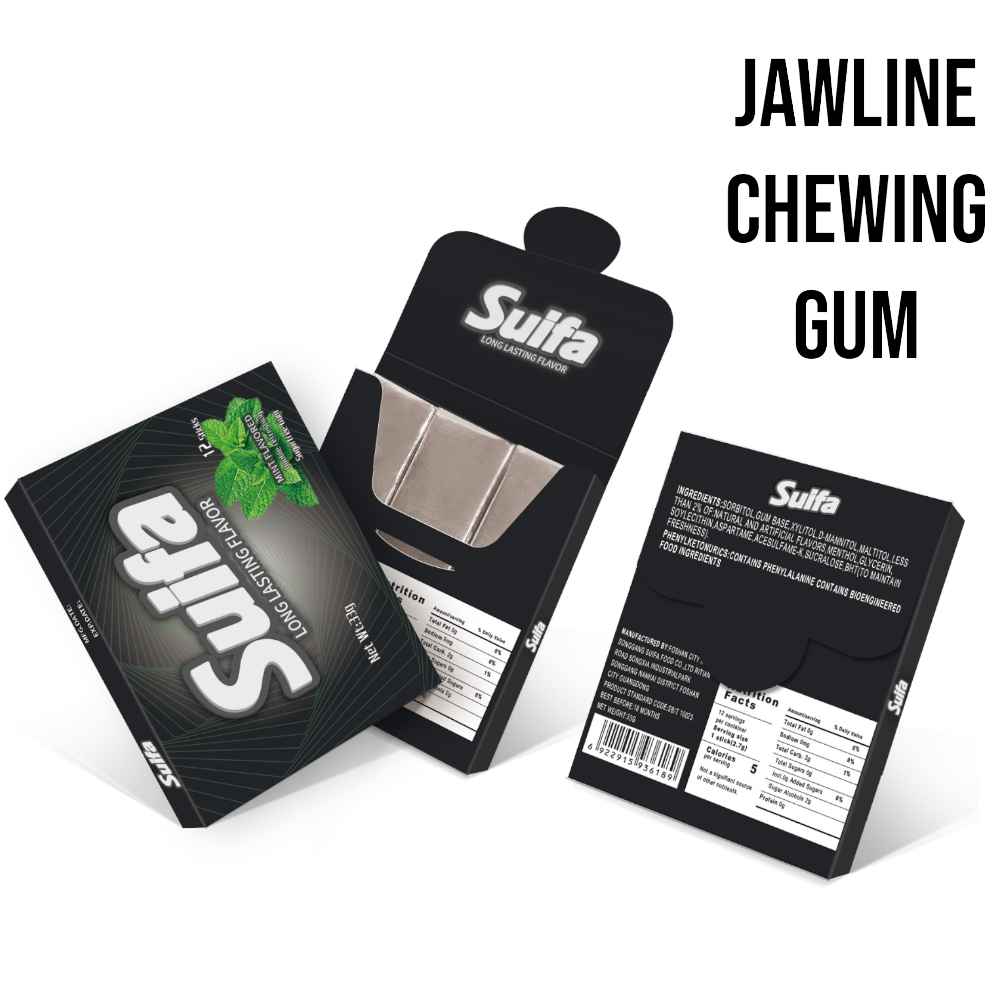
Bulk Healthy Natural Xylitol Sugar Free Tablet Chewing Gum
Detail

Checking Order
Quality Test Before Delivery
Check Items When Packing
Packaging And Transport
Send Inquiry Now!
Choose Suifa, Boost Your Candy and Gum Project!
Discover excellent gum and candy products at our factory. We create custom solutions for our customers. Join us for exclusive insights, customized products and partnerships. Leave your contact info we'll be back in touch within 12 hours!
Choose Suifa, take your bussiness to the next level!



Contact Us
WELCOME TO SUIFAFOOD YOUR TRUSTED MANUFACTURER OF GUM AND CANDY
Address: No.8 Ritian Road Songxia lndustrial AreaSonggang Nanhai, Foshan, Guangdong, China

