
Why Chewing Gum Is Good for You: 10 Surprising Benefits Explained
2023-03-21
Why Chewing Gum Is Good for You: 10 Surprising Benefits Explained
Chewing gum isn’t just a habit — it could actually benefit your health. From improving memory to helping with oral hygiene, the perks might surprise you. Whether you're a fitness lover or simply curious, this article dives into ten science-backed reasons why gum deserves a spot in your routine.
Chewing gum offers several proven health benefits. It boosts saliva flow, which helps prevent cavities, improves focus and memory, combats dry mouth, and may even raise your metabolism slightly. Sugar-free options with xylitol support dental health and reduce bad breath. Some studies even suggest gum helps with weight control, stress management, and jawline definition.
Let’s explore the science behind each benefit — and why dentists, researchers, and even fitness experts often recommend chewing gum as part of a healthy lifestyle.

1. Prevents Cavities and Protects Teeth
Chewing gum stimulates the production of saliva, which is your body’s natural defense against tooth decay. Saliva helps wash away food debris and neutralize plaque acids, making your mouth a less hospitable place for harmful bacteria. The American Dental Association (ADA) recommends chewing sugar-free gum after meals when brushing isn’t possible.
Especially important is xylitol, a natural sweetener shown to reduce Streptococcus mutans, the bacteria most responsible for cavities. Popular gums like Orbit, Spry, and Suifa use xylitol instead of sugar. Regular use can even slow down the demineralization of enamel.
2. Fights Dry Mouth (Xerostomia)
Dry mouth affects millions and can lead to cracked lips, bad breath, and increased risk of oral infections. Chewing gum boosts saliva flow up to 10 times more than when at rest, making it a go-to solution for those with dry mouth due to medications or conditions like diabetes.
Sugar-free gums, especially those with biotin or xylitol, not only hydrate the mouth but also help maintain a more balanced oral environment. Elderly patients and smokers, who are more prone to dry mouth, may find daily gum use particularly helpful.
3. Improves Focus and Memory
Research shows that chewing gum can significantly enhance cognitive performance. In one study published in the British Journal of Psychology, participants who chewed gum scored higher on memory recall and reaction time tests than non-chewers.
The act of chewing increases blood flow to the brain, delivering more oxygen and glucose — two things your brain needs to perform well. Many students chew gum during exams or study sessions to stay alert and retain information better.
4. Reduces Stress and Anxiety
Chewing gum can lower cortisol, the body’s primary stress hormone. Studies in workplaces and classrooms show that gum chewers report feeling calmer, more focused, and less anxious during demanding tasks.
It’s believed that the rhythmic motion of chewing has a neurological calming effect, similar to breathing exercises. This benefit is particularly appreciated in high-stress professions or by people prone to anxiety.
Try gums with lavender or chamomile flavoring if you want to double down on stress relief.
5. Aids Weight Management
If you're trying to cut down on snacking, gum can help. A study in the Appetite Journal found that chewing gum reduced calorie intake during snacking by around 10%. It acts as a behavioral substitute — your mouth is busy, so you're less likely to reach for cookies or chips.
Gum also satisfies the need for oral stimulation, especially in people trying to quit smoking or who habitually eat when bored. Fitness enthusiasts often chew gum between meals to stay on track with calorie goals.
6. Boosts Metabolism Slightly
While not a weight-loss miracle, chewing gum does burn some calories. Studies estimate that chewing gum can raise your resting metabolic rate by about 11 kcal per hour. Over time, that could add up — especially for people with sedentary lifestyles.
This thermogenic effect is believed to stem from the minor muscular effort of chewing and the activation of the digestive system. It’s small but worth mentioning if you’re counting every calorie.
7. Freshens Breath Instantly
One of the most obvious perks — gum masks bad breath quickly and effectively. Mint-flavored gums are the most popular, but brands like TheraBreath, Dentyne, and Glee Gum offer sugar-free options that actively fight bacteria.
Xylitol-based gums are especially effective at reducing volatile sulfur compounds (VSCs), the chemical source of most mouth odors. For persistent issues, chew gum for at least 20 minutes after meals to clean the mouth and stimulate protective saliva.
8. May Enhance Jawline Appearance
Chewing works the masseter muscle, one of the strongest in your body. While results vary, consistent chewing can strengthen facial muscles and contribute to a more defined jawline, especially in younger adults with less fat in the lower face.
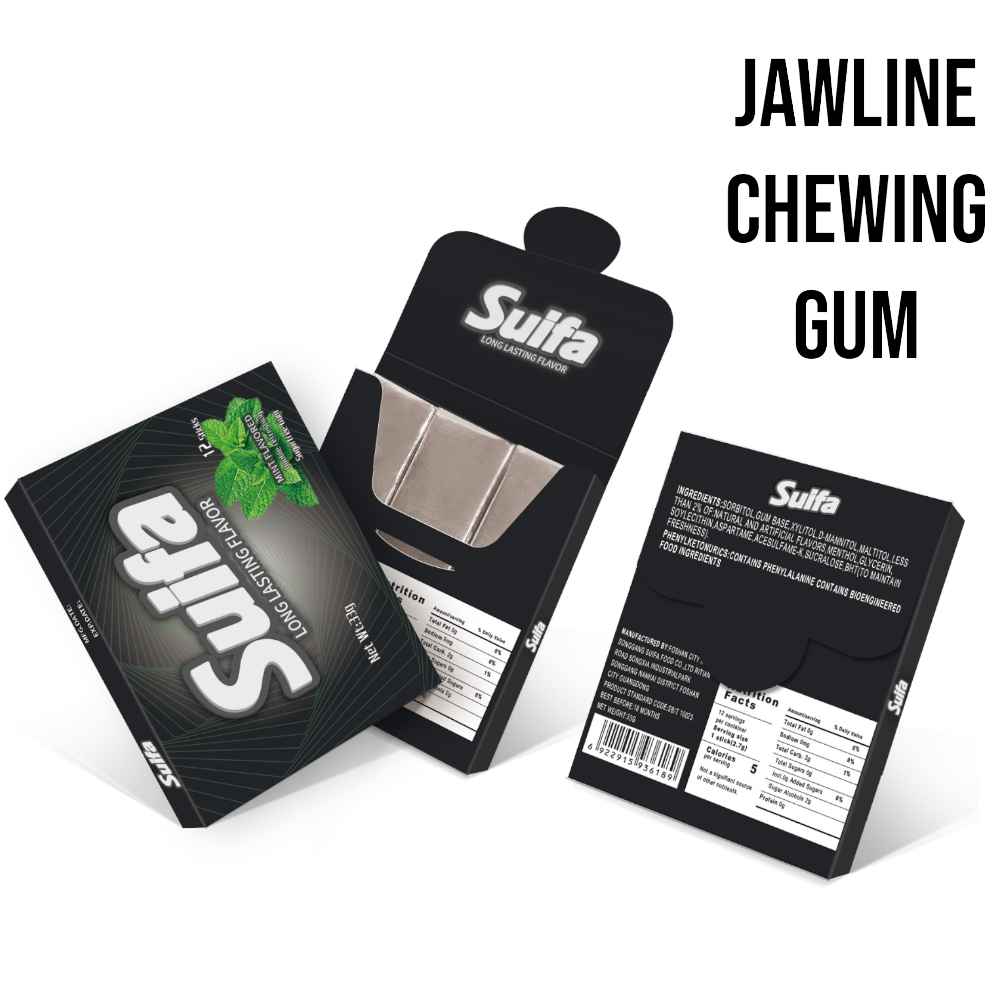
Some influencers and beauty bloggers use mastic gum or even a specially designed jawline exerciser gum to target this benefit. It's not a substitute for overall fitness, but it can complement a sculpted look.
9. Supports Digestion and Reduces Heartburn
Chewing gum post-meal helps accelerate gastric emptying and reduce symptoms of acid reflux. By boosting saliva and increasing swallowing, gum helps clear acid from the esophagus more quickly.
For best results, choose sugar-free mint gum after meals, particularly when you can’t lie down immediately. Avoid overly fruity gums that can trigger acid production instead.
10. Eases Ear Pressure During Flights
Ever noticed that flight attendants often hand out gum during takeoff and landing? That’s because chewing activates your Eustachian tubes, helping equalize pressure in the ears. Swallowing becomes more frequent, making gum an easy, drug-free solution for pressure-related discomfort.
It’s especially helpful for young kids who may not understand how to equalize pressure naturally.
FAQ
What Are the Side Effects of Chewing Gum?
Most people experience only benefits, but here are potential issues:
- Jaw fatigue or TMJ
- Digestive discomfort (from sugar alcohols)
- Increased cravings for sweet things
- Headaches from artificial sweeteners in some brands
Stick to moderate use and watch for your body's signals.
What Are the Best Gum Brands with Proven Benefits?
Here are a few recommended by dentists and health professionals:
- Orbit – ADA approved, easily available
- Spry – Xylitol-based, natural ingredients
- Suifa – Sugar-free, vegan, and aspartame-free
- Glee Gum – Natural and plastic-free for eco-conscious users
These brands support oral health without added sugars or harmful ingredients.
Summary
Chewing gum is more than a quick fix for bad breath — it supports your oral health, brain function, stress control, and even your looks. Just make sure to choose sugar-free gum with xylitol, and chew in moderation. Got a favorite gum or health hack? Share it in the comments — we’d love to hear!
Suifa news
How is Bubble Gum Made in the Factory?
2023-05-24
How Hard Candy is Made in the Factory?
2024-02-28
Get An Instant Quotation
Recommended Products
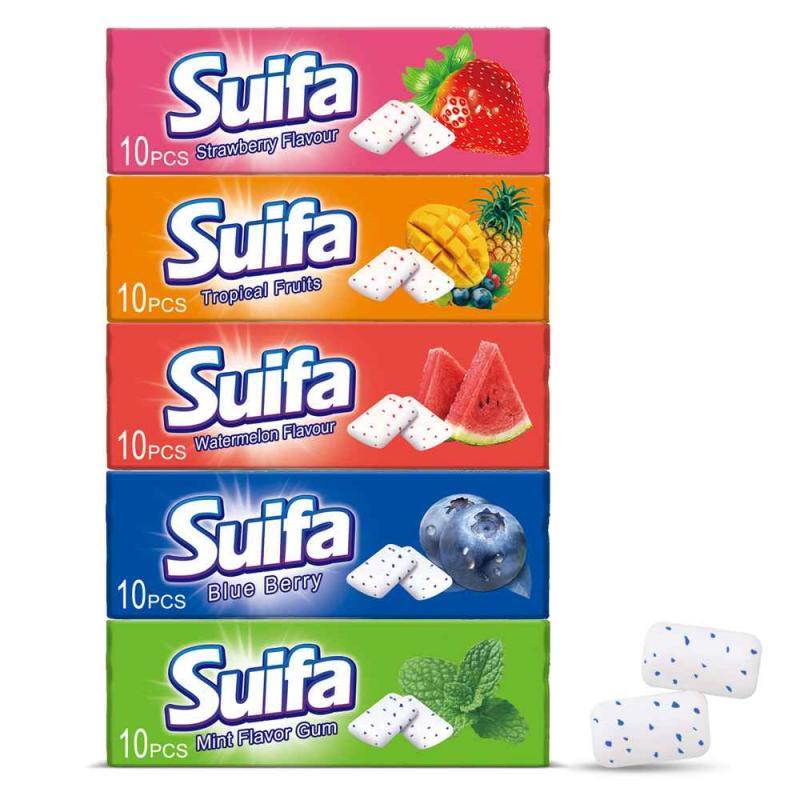
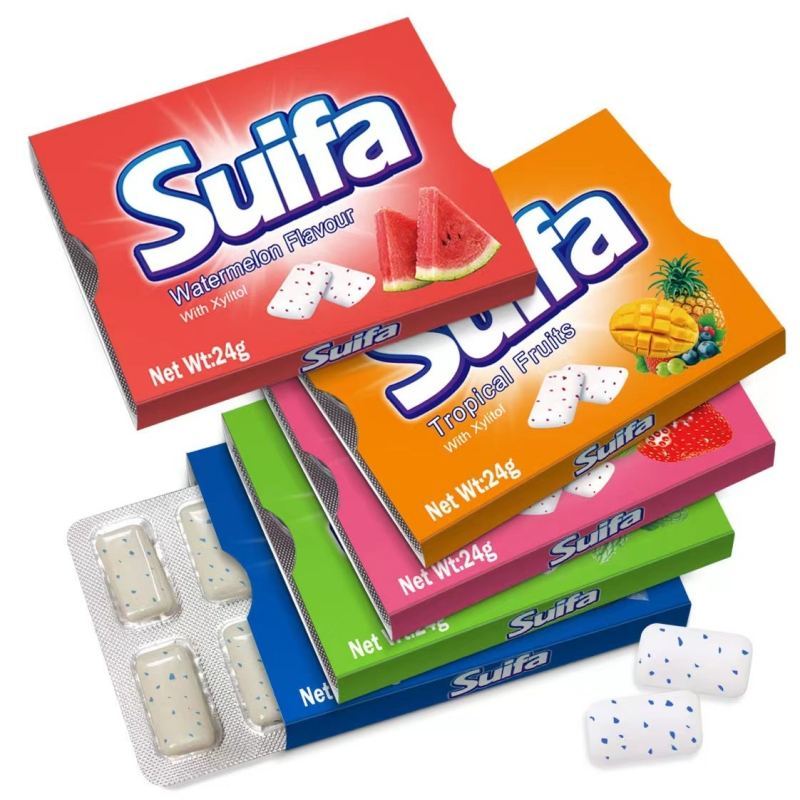
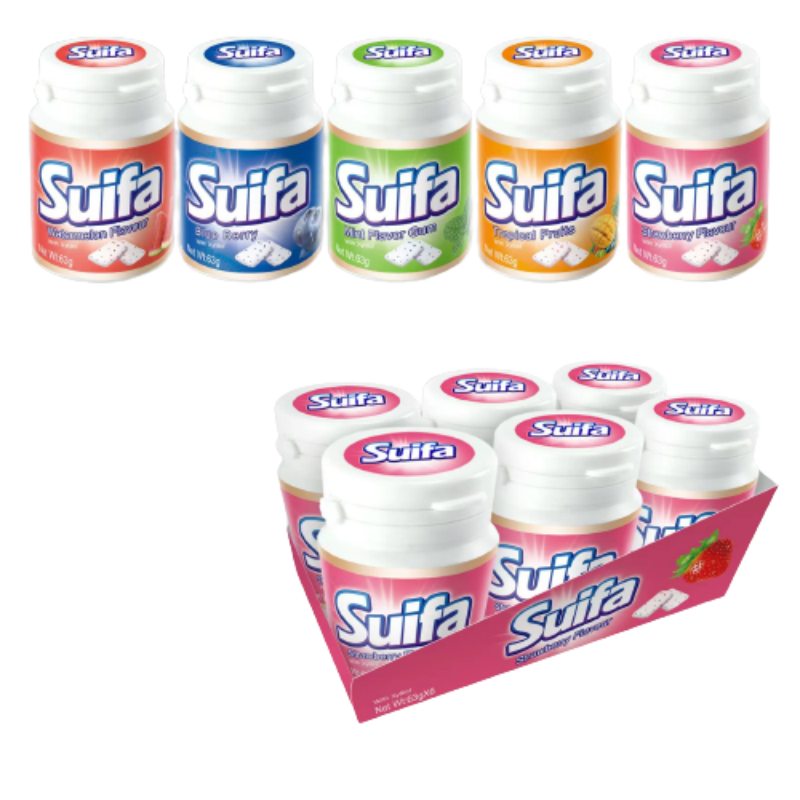
Bulk Healthy Natural Xylitol Sugar Free Tablet Chewing Gum
Detail

Checking Order
Quality Test Before Delivery
Check Items When Packing
Packaging And Transport
Send Inquiry Now!
Choose Suifa, Boost Your Candy and Gum Project!
Discover excellent gum and candy products at our factory. We create custom solutions for our customers. Join us for exclusive insights, customized products and partnerships. Leave your contact info we'll be back in touch within 12 hours!
Choose Suifa, take your bussiness to the next level!



Contact Us
WELCOME TO SUIFAFOOD YOUR TRUSTED MANUFACTURER OF GUM AND CANDY
Address: No.8 Ritian Road Songxia lndustrial AreaSonggang Nanhai, Foshan, Guangdong, China

